
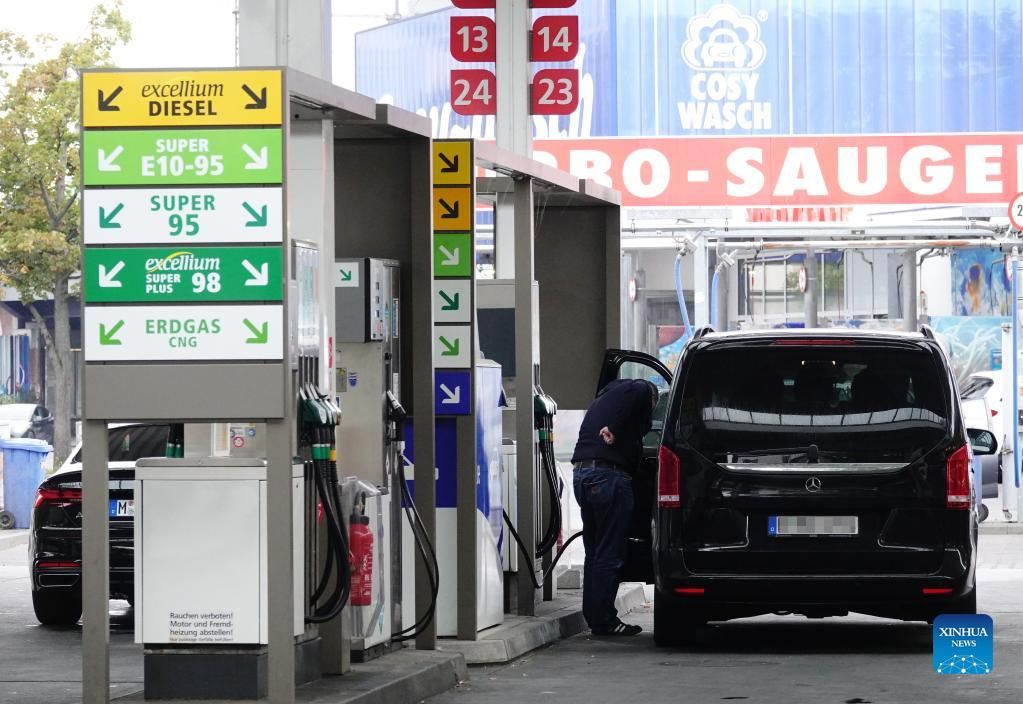
A man fuels a vehicle up at a gas station in Berlin, Germany, Sept. 8, 2022. After falling for two months, inflation in Germany bounced back to 7.9 percent in August, a record high level, according to preliminary figures by the Federal Statistical Office (Destatis). Food prices rose about twice as fast as the overall inflation, while energy prices increased by 35.6 percent year-on-year. (Xinhua/Ren Pengfei)
BERLIN, Sept. 8 (Xinhua) -- Germany's Minister for Economic Affairs Robert Habeck has warned a risk of business closing down amid the soaring prices and energy crisis, announcing plans to widen existing support programs in the fall and winter.
"There is a risk of businesses closing down, and we have to counter that," Habeck told German newsroom RedaktionsNetzwerk Deutschland, pointing at negative developments in Europe's largest economy.
High energy and wheat prices coupled with the impact of supply chain disruptions were putting "enormous pressure" on many companies, Habeck said. "Particularly for small and medium-sized companies, this is a serious problem."
After falling for two months, inflation in Germany bounced back to 7.9 percent in August, a record high level, according to preliminary figures by the Federal Statistical Office (Destatis). Food prices rose about twice as fast as the overall inflation, while energy prices increased by 35.6 percent year-on-year.
In July, Germany launched a 5-billion-euro (5 billion U.S. dollars) aid program for its energy-intensive industries. This program is now to be expanded and to include more small and medium-sized companies (SMEs).
Over 90 percent of German companies regard the current price level of energy and raw materials as a "strong or existential challenge," according to a survey published by the Federation of German Industries (BDI) on Wednesday. In February, this rate was around four times lower.
"Our survey shows that the extremely high energy prices pose fundamental problems for the industry," BDI President Siegfried Russwurm said. He called on policymakers to "take action now to prevent insolvencies and further economic and social unrest." (1 euro = 1 U.S. dollar) ■
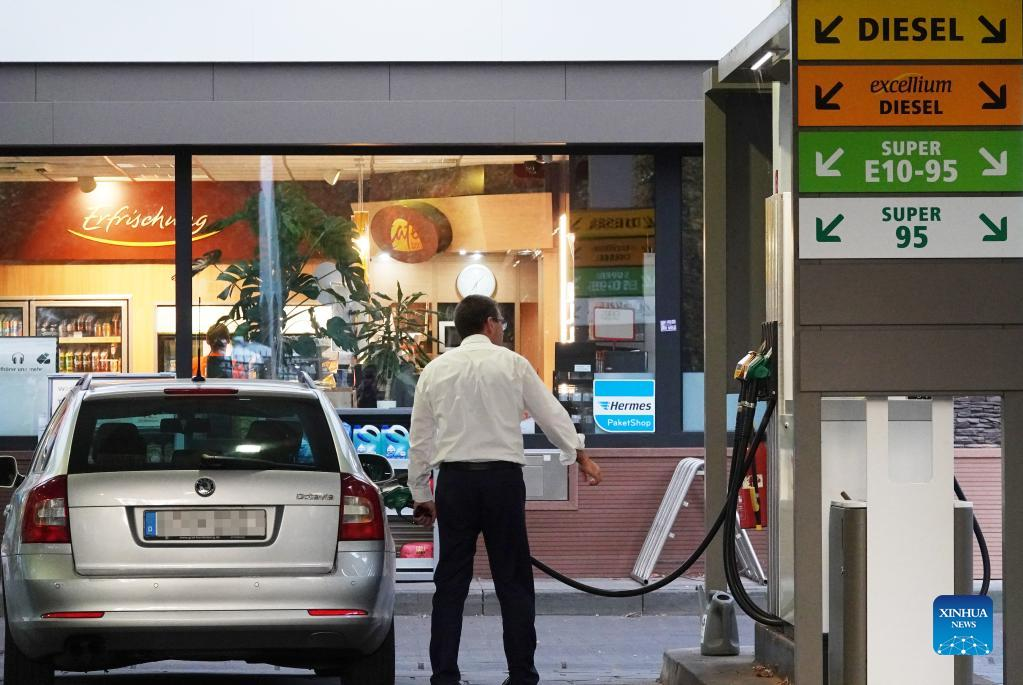
A man fuels a vehicle up at a gas station in Berlin, Germany, Sept. 5, 2022. After falling for two months, inflation in Germany bounced back to 7.9 percent in August, a record high level, according to preliminary figures by the Federal Statistical Office (Destatis). Food prices rose about twice as fast as the overall inflation, while energy prices increased by 35.6 percent year-on-year. (Xinhua/Ren Pengfei)
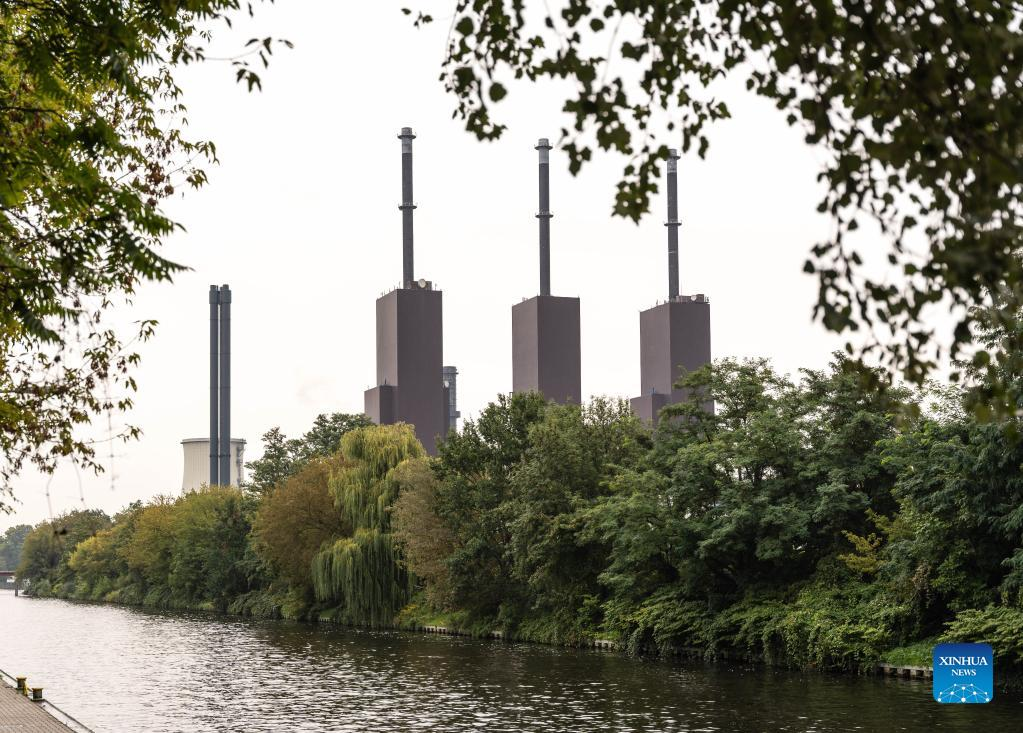
Photo taken on Sept. 8, 2022 shows a thermal power plant in Berlin, Germany. After falling for two months, inflation in Germany bounced back to 7.9 percent in August, a record high level, according to preliminary figures by the Federal Statistical Office (Destatis). Food prices rose about twice as fast as the overall inflation, while energy prices increased by 35.6 percent year-on-year. (Photo by Stefan Zeitz/Xinhua)
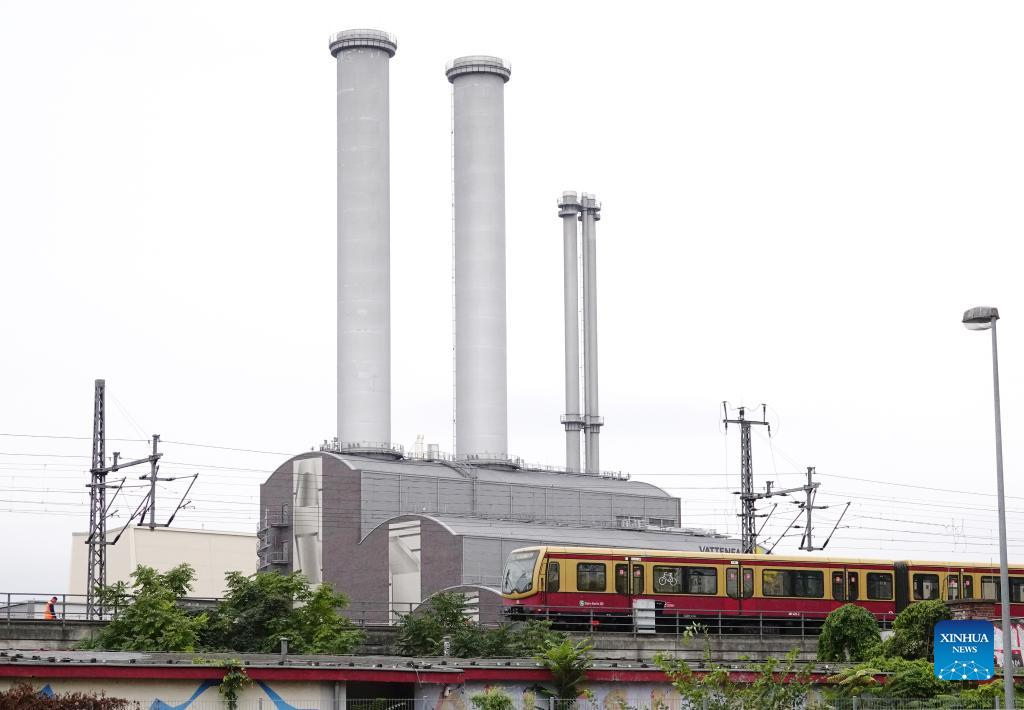
A train passes a thermal power plant in Berlin, Germany, Sept. 8, 2022. After falling for two months, inflation in Germany bounced back to 7.9 percent in August, a record high level, according to preliminary figures by the Federal Statistical Office (Destatis). Food prices rose about twice as fast as the overall inflation, while energy prices increased by 35.6 percent year-on-year. (Xinhua/Ren Pengfei)
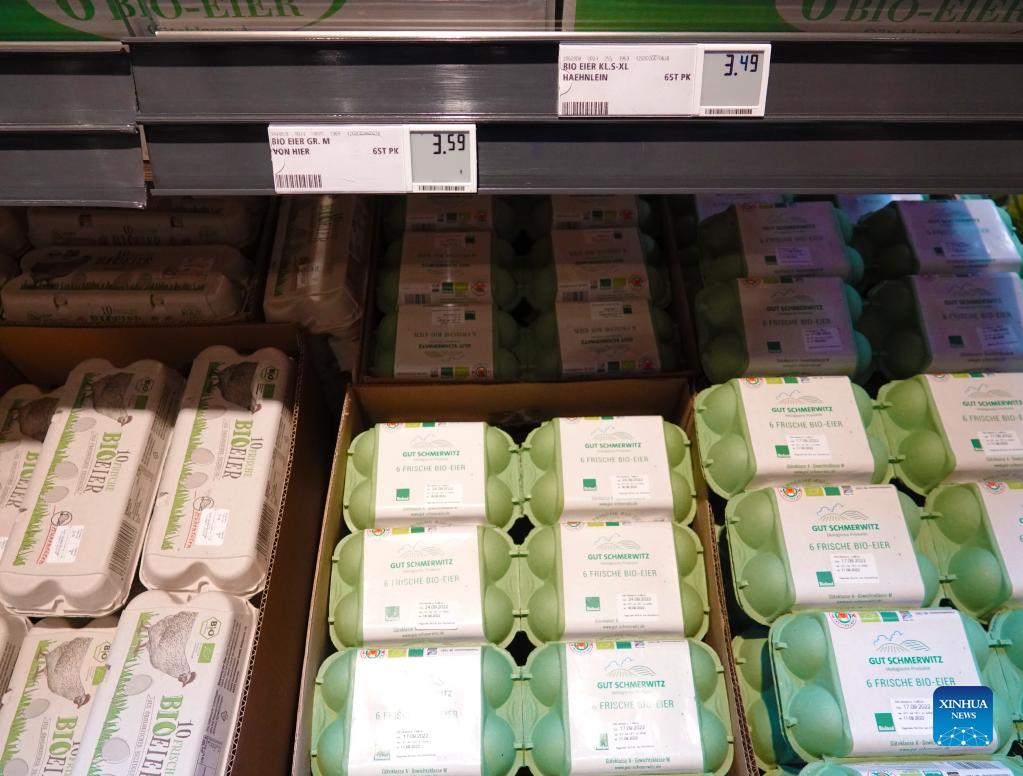
Eggs are for sale in a supermarket in Berlin, Germany, Sept. 6, 2022. After falling for two months, inflation in Germany bounced back to 7.9 percent in August, a record high level, according to preliminary figures by the Federal Statistical Office (Destatis). Food prices rose about twice as fast as the overall inflation, while energy prices increased by 35.6 percent year-on-year. (Xinhua/Ren Pengfei)