
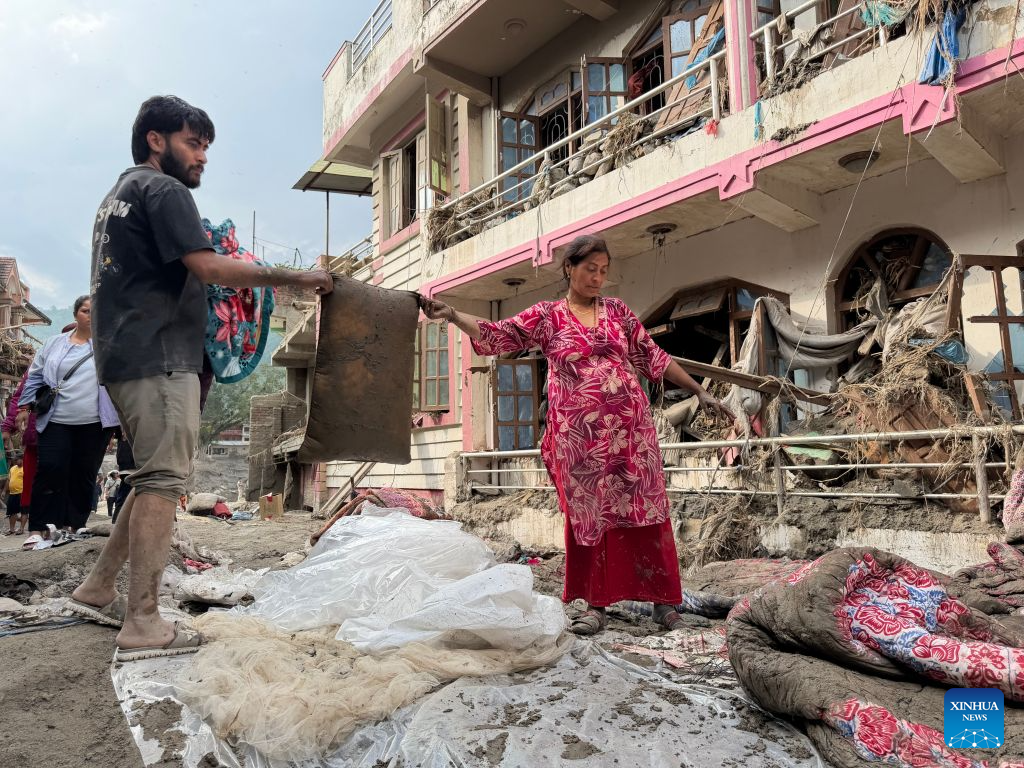
This photo taken with a mobile phone shows mudslide-affected residents cleaning up their belongings in Devighat in Nuwakot, Nepal, Aug. 29, 2026. As of 9 a.m. local time on Sunday, 734 bodies had been recovered from mudslide-hit areas, with 2,498 people still missing, according to Nepal's National Disaster Risk Reduction and Management Authority. (Xinhua/Zhao Manjun)
NUWAKOT, Nepal, Aug. 30 (Xinhua) -- For Santosh Thapa, his family was lucky when a devastating mudslide hit Devighat in Nuwakot in central Nepal; all his relatives managed to escape the disaster, leaving their belongings behind as mud gushed down.
It was a narrow escape, Thapa said. Although he was in Kathmandu at that time, his affected relatives told him the whole story.
"They first heard a terrifyingly loud noise, and then saw floodwater mixed with mud rushing toward them quickly. Realizing the danger, they became very panicked and immediately fled on a motorcycle. They probably had only one or two minutes to escape -- if they had had to go on foot, they might not have made it in time. They took almost nothing with them when they fled," the young man told Xinhua on Saturday while helping his uncle and aunt clear out the things left at the house.
Thapa said his grandfather runs a shop on the ground floor of the house, but now it is completely buried in mud. The first and second floors were all affected by the mudslide, indicating that the mud flowed as high as about nine meters when it struck the area. The house, shop, merchandise, and household items were largely destroyed, and most of what the family had accumulated over the years was lost, he said.
According to Thapa, there are about 300 households in the area, but only elders stay in the village, and their children live in Kathmandu, so the actual number of people in the village at the time of the mudslide cannot be accurately estimated, and the numbers of casualties and missing persons have still not been fully tallied. He said that when he arrived at the scene, he saw two victims' bodies with his own eyes -- one of them seemed to be a friend from his sixth-grade year.
A few kilometers upstream of the Trishuli River from Devighat, the scenario in the main town of Bidur is also heartbreaking. The once bustling street of Trishuli Bazar had almost disappeared and was covered with thick grey mud. Bridges crossing the Trishuli River connecting both sides of the town were washed away, leaving some villagers unable to return home.
Some survivors returning to check on their homes after the disaster walked across the land covered in mud. With every step, their legs sank into the soft, knee-deep mud. All they could pull out were their mud-caked feet -- their shoes were sucked deep into the mud. Some simply gave up and trudged barefoot through the mire.
Aravindra Gupta has been living in the area for 25 years and ran a vegetable shop in the bazaar. "I was sitting outside my shop when the mudslide arrived," he recalled. Pointing at a vacant place alongside the river, he said his shop was there, but the mudslide swept everything away.
Gupta, who now stays in his friend's place, came from India at the age of 1. "I have already spent 25 years of my life here. I was only one year old when I came here. So, why would I go to India? I will stay here, but what can I do? What am I supposed to do? That's what I'm thinking about now," the 26-year-old said, perplexed.
At a nearby military camp being used as a transfer station for disaster victims, helicopters shuttled back and forth between the disaster zone and the camp, transporting the wounded and stranded survivors. Outside the camp, family members of those still unaccounted for waited desperately for the military to release the names of each new batch of arrivals, hoping to hear a name they recognized. Many had been waiting here for three or four days, but still had received no news at all.
A local reporter told Xinhua on Saturday that it was currently the fourth day since the flood occurred. From what he can summarize, the situation has not normalized yet. Rescue operations are ongoing, but rescuers face extreme difficulty reaching the exact locations, as road connections and critical bridges have been swept away in multiple places, severely obstructing rescue logistics.
There is a complete breakdown of telecommunications networks, and electricity has not been restored properly in the affected areas, he said, adding that official figures of casualties are not yet confirmed, but unofficial reports indicate more.
As of 9 a.m. local time on Sunday, 734 bodies had been recovered from mudslide-hit areas, with 2,498 people still missing, according to Nepal's National Disaster Risk Reduction and Management Authority.
In the affected valley areas, the temperature is high and the air is humid. The World Health Organization (WHO) has warned of the risk of disease. "As always, when we have a disaster of this scale and we have displacement, overcrowding, and we may have disruption of water, sanitation and health services, and that can increase the risk of infectious diseases," said a UN report, citing WHO spokesperson Tarik Jasarevic.
Thapa told Xinhua that although local people have been provided with food, temporary shelter, and medicine, he is concerned that the hot weather poses a risk of infectious diseases in the disaster-hit areas.
Many dead animals from the mudslide have not yet been found or promptly removed. If the human remains and animal carcasses are not properly disposed of, bacteria could multiply quickly and cause infections, he said.
"Searching for the missing and clearing away the dead are important; it is also necessary to protect the survivors and promptly carry out sanitation, epidemic prevention, and environmental cleanup work," he said. ■
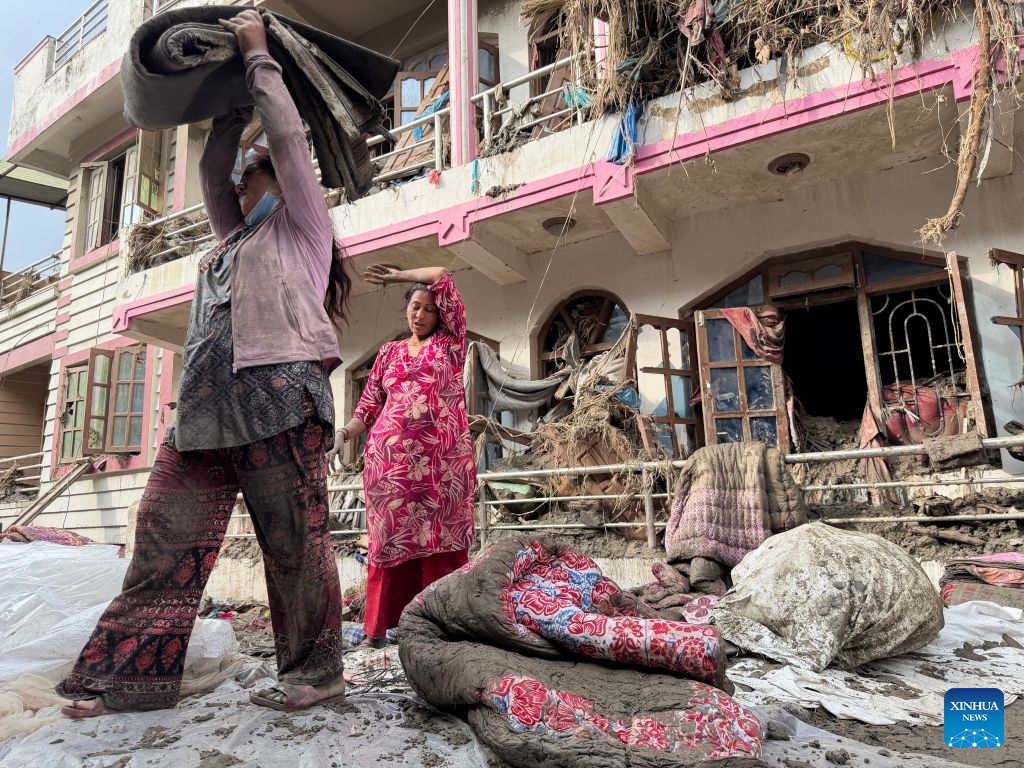
This photo taken with a mobile phone shows mudslide-affected residents cleaning up their belongings in Devighat in Nuwakot, Nepal, Aug. 29, 2026. As of 9 a.m. local time on Sunday, 734 bodies had been recovered from mudslide-hit areas, with 2,498 people still missing, according to Nepal's National Disaster Risk Reduction and Management Authority. (Xinhua/Zhao Manjun)
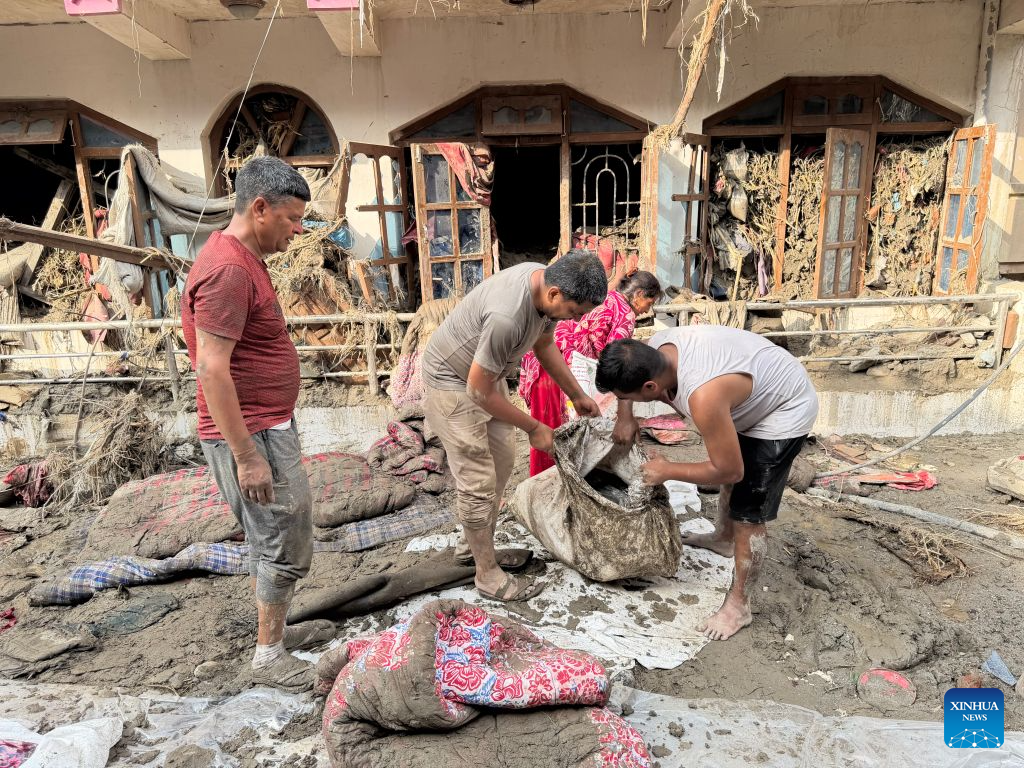
This photo taken with a mobile phone shows mudslide-affected residents cleaning up their belongings in Devighat in Nuwakot, Nepal, Aug. 29, 2026. As of 9 a.m. local time on Sunday, 734 bodies had been recovered from mudslide-hit areas, with 2,498 people still missing, according to Nepal's National Disaster Risk Reduction and Management Authority. (Xinhua/Zhao Manjun)
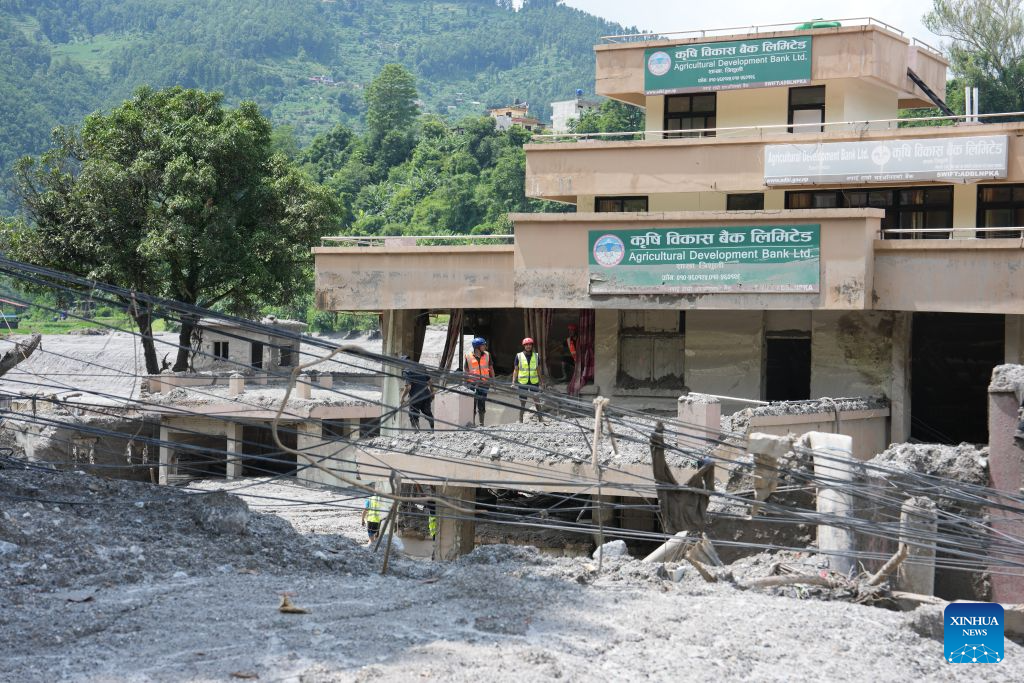
This photo taken on Aug. 29, 2026 shows a view of the mudslide-affected area along the Trishuli River in Nuwakot, Nepal. As of 9 a.m. local time on Sunday, 734 bodies had been recovered from mudslide-hit areas, with 2,498 people still missing, according to Nepal's National Disaster Risk Reduction and Management Authority. (Xinhua/Liu Tian)
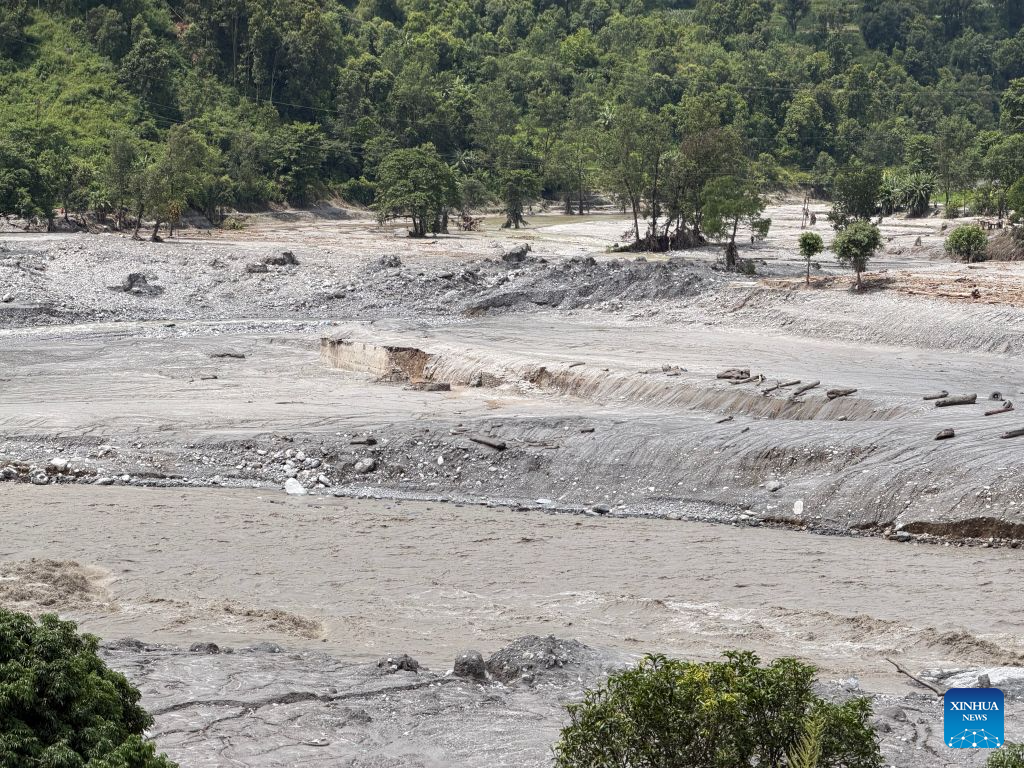
This photo taken with a mobile phone shows a view of the mudslide-affected area along the Trishuli River in Nuwakot, Nepal. As of 9 a.m. local time on Sunday, 734 bodies had been recovered from mudslide-hit areas, with 2,498 people still missing, according to Nepal's National Disaster Risk Reduction and Management Authority. (Xinhua/Zhao Manjun)
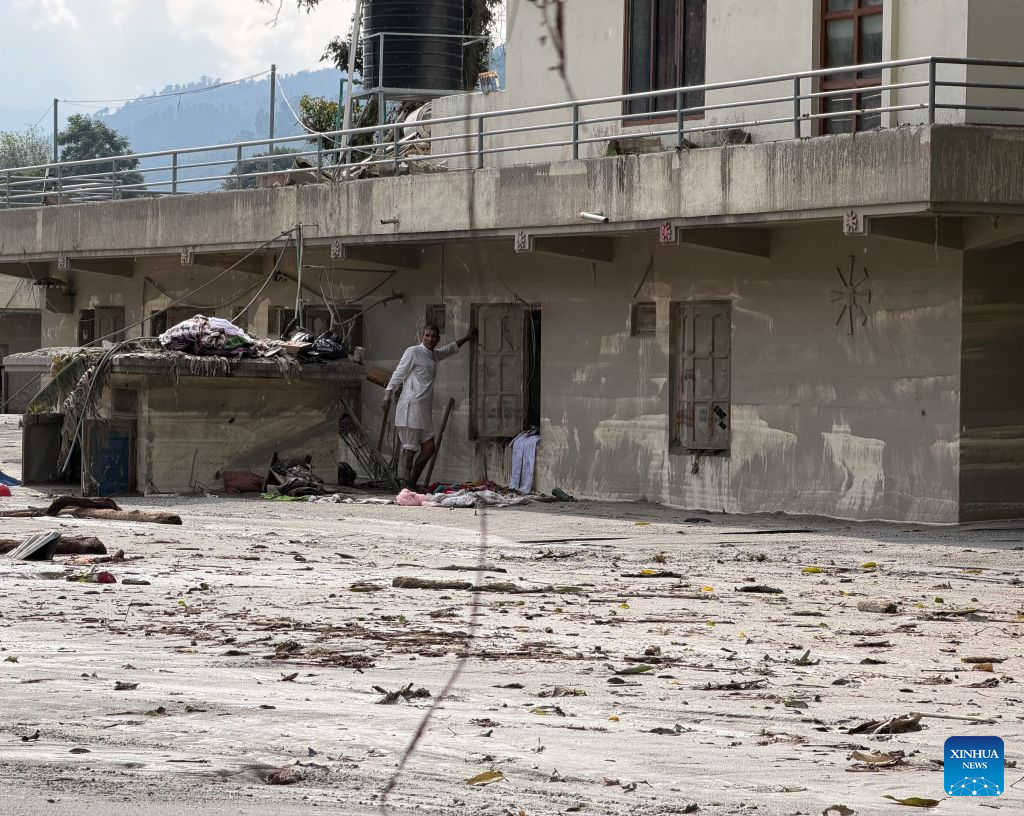
This photo taken with a mobile phone shows a view of the mudslide-affected area in Devighat in Nuwakot, Nepal, Aug. 29, 2026. As of 9 a.m. local time on Sunday, 734 bodies had been recovered from mudslide-hit areas, with 2,498 people still missing, according to Nepal's National Disaster Risk Reduction and Management Authority. (Xinhua/Zhao Manjun)
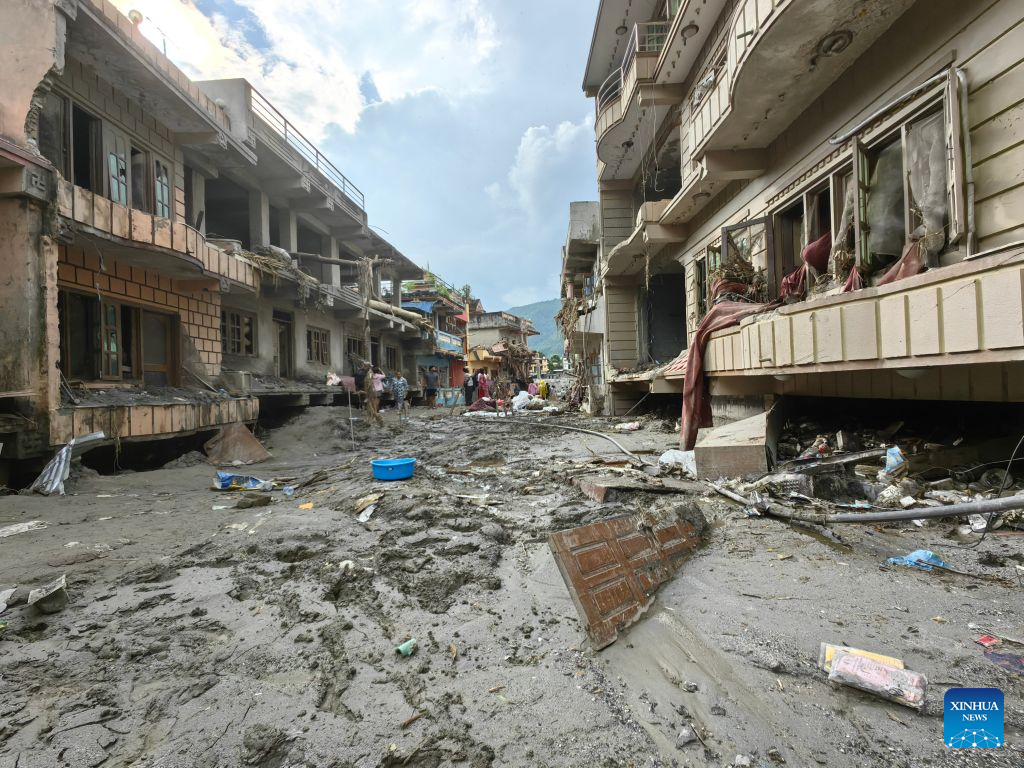
This photo taken on Aug. 29, 2026 shows a view of the mudslide-affected area in Devighat in Nuwakot, Nepal. As of 9 a.m. local time on Sunday, 734 bodies had been recovered from mudslide-hit areas, with 2,498 people still missing, according to Nepal's National Disaster Risk Reduction and Management Authority. (Xinhua/Liu Tian)
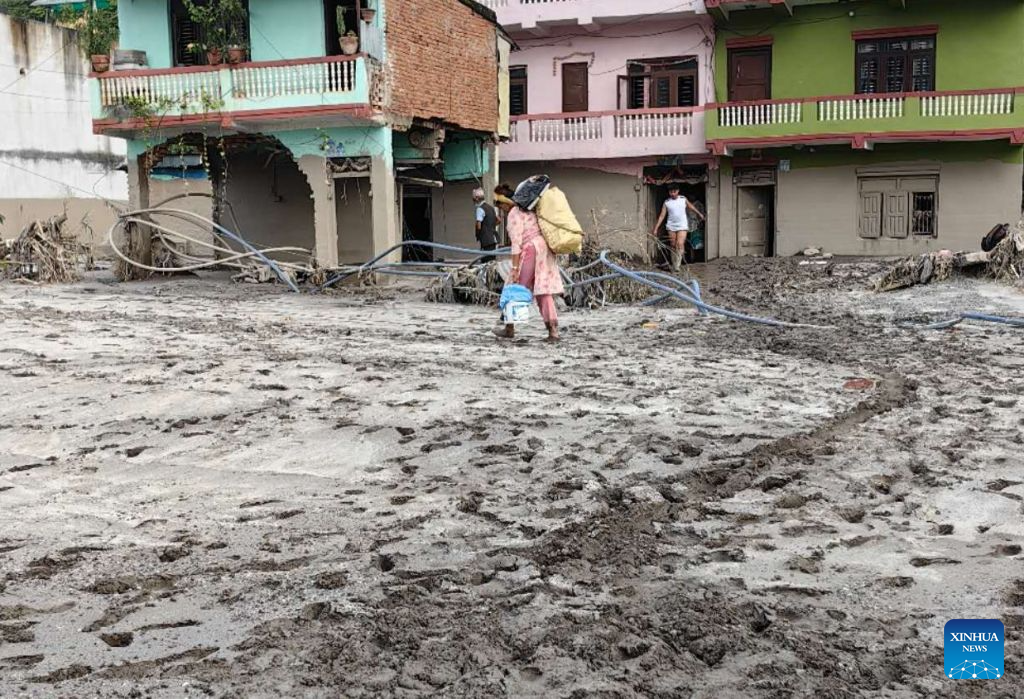
Mudslide-affected residents transport their belongings in Devighat in Nuwakot, Nepal, Aug. 29, 2026. As of 9 a.m. local time on Sunday, 734 bodies had been recovered from mudslide-hit areas, with 2,498 people still missing, according to Nepal's National Disaster Risk Reduction and Management Authority. (Xinhua/Liu Tian)
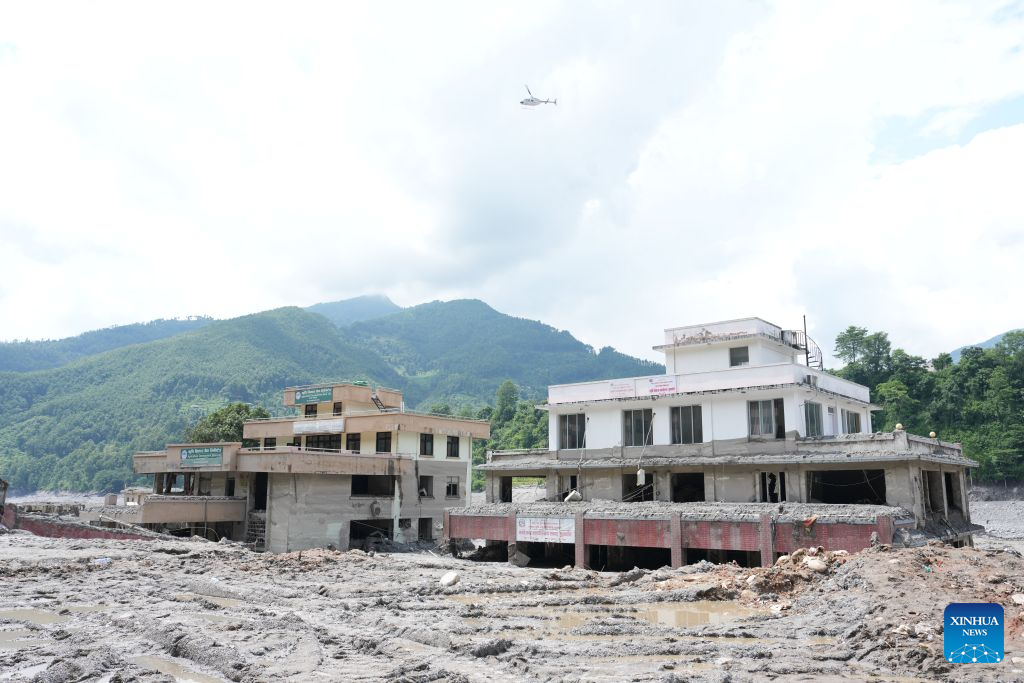
A helicopter flies over the mudslide-affected area along the Trishuli River in Nuwakot, Nepal, Aug. 29, 2026. As of 9 a.m. local time on Sunday, 734 bodies had been recovered from mudslide-hit areas, with 2,498 people still missing, according to Nepal's National Disaster Risk Reduction and Management Authority. (Xinhua/Liu Tian)
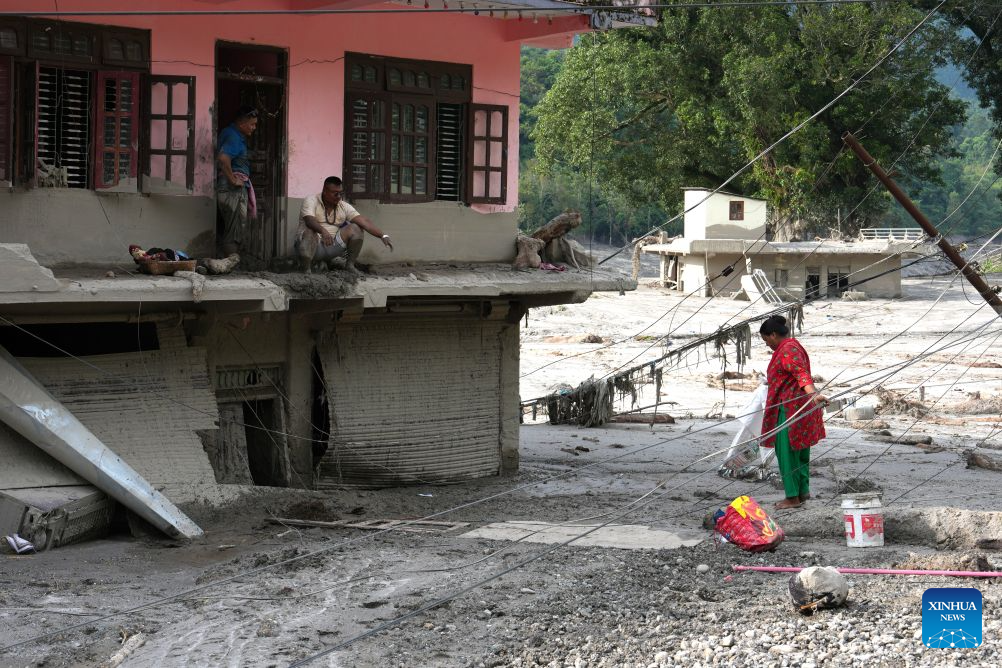
This photo taken on Aug. 29, 2026 shows a view of the mudslide-affected area in Devighat in Nuwakot, Nepal. As of 9 a.m. local time on Sunday, 734 bodies had been recovered from mudslide-hit areas, with 2,498 people still missing, according to Nepal's National Disaster Risk Reduction and Management Authority. (Xinhua/Liu Tian)