
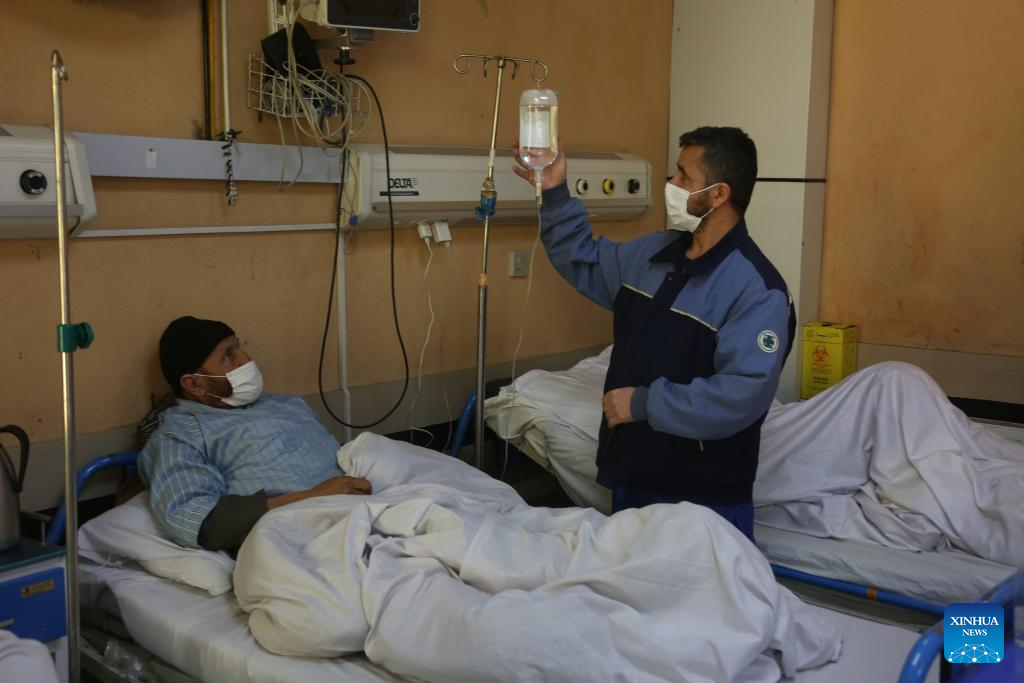
People receive medical treatment for blood disorders at a public blood disease treatment center in Kabul, Afghanistan, Jan. 28, 2026. This hospital is Afghanistan's only public center dedicated to treating blood disorders and leukemia. For thousands of families with limited resources, it has become a fragile lifeline.(Photo by Saifurahman/Xinhua)
KABUL, Feb. 4 (Xinhua) -- The narrow hallway outside the leukemia ward of a public blood disease treatment center in Afghanistan is quiet, save for the soft shuffle of feet. Inside, the faint smell of antiseptic lingers, and patients lie quietly on their beds, some sleeping, others staring at the ceiling, waiting for their next round of treatment. Here, pain and struggle are constant, but so is hope.
Gul Ahmad, 40, from Herat province, brought his brother here after two months of unsuccessful treatment at home. "Despite trying many treatments back home, nothing worked. He was in severe pain. Since coming here, his condition has gradually improved day by day," he said.
This hospital is Afghanistan's only public center dedicated to treating blood disorders and leukemia. For thousands of families with limited resources, it has become a fragile lifeline.
Zakiya, 55, had spent months visiting doctors without understanding her condition. At the center, she was diagnosed with severe anemia and a chronic blood disorder. "I was suffering from severe headaches, trembling in my hands and feet, weakness, numbness, and sudden attacks of fatigue," she said.
Yet, thanks to the attentive care she receives, her strength is slowly returning.
Masooda Alizadeh, head nurse of the leukemia ward for seven years, said the hospital faces daily challenges. Many patients from poor families cannot afford expensive medicines. "Some families sell their land, animals, and belongings to continue treatment," she said. Patients with dangerously low platelets often arrive bleeding from the nose or gums, requiring urgent transfusions to stabilize their condition.
Abdul Ahmad, a farmer from Bamyan province, recalled arriving at the hospital barely able to walk or breathe. After three months of treatment, his physical condition has improved, but the financial burden remains heavy. "I am a farmer. The medicine is very costly. Sometimes we borrow money just to continue treatment," he said.
Shortages of nurses and essential medicines make care even more difficult. In the 14-bed ICU and main ward, one nurse may be responsible for multiple patients.
Mohammad Hanif Mohammadi, a blood disease specialist at the center, said the facility treats 40 to 45 outpatients daily. "It is the only public facility of its kind in Afghanistan, serving patients from Herat, Bamyan, and other provinces. In winter, some patients are trapped by snow and miss vital treatment. One center cannot meet nationwide demand, and many patients must wait for beds before being admitted," he said.
"The lack of trained doctors is another major challenge. If trained specialists and treatment centers existed in every province, patients would not need to travel such long distances." Mohammadi added.
"As medical technology and treatments advance rapidly, doctors and nurses require routine training to apply new medicines and techniques to patient care properly," Alizadeh said, highlighting the importance of continued international support.
Hope comes through training and international cooperation. Programs previously supported by China have improved medical practices and patient outcomes, enabling staff to apply modern treatments more effectively.
Inside this hospital, patients recover slowly, families sacrifice heavily, and medical staff work tirelessly under difficult conditions.
With more centers, ongoing training, and continued international support, Afghanistan's blood disease patients may one day receive the care they urgently need. Until then, this hospital remains a fragile lifeline, where courage, resilience, and hope walk side by side with suffering. ■
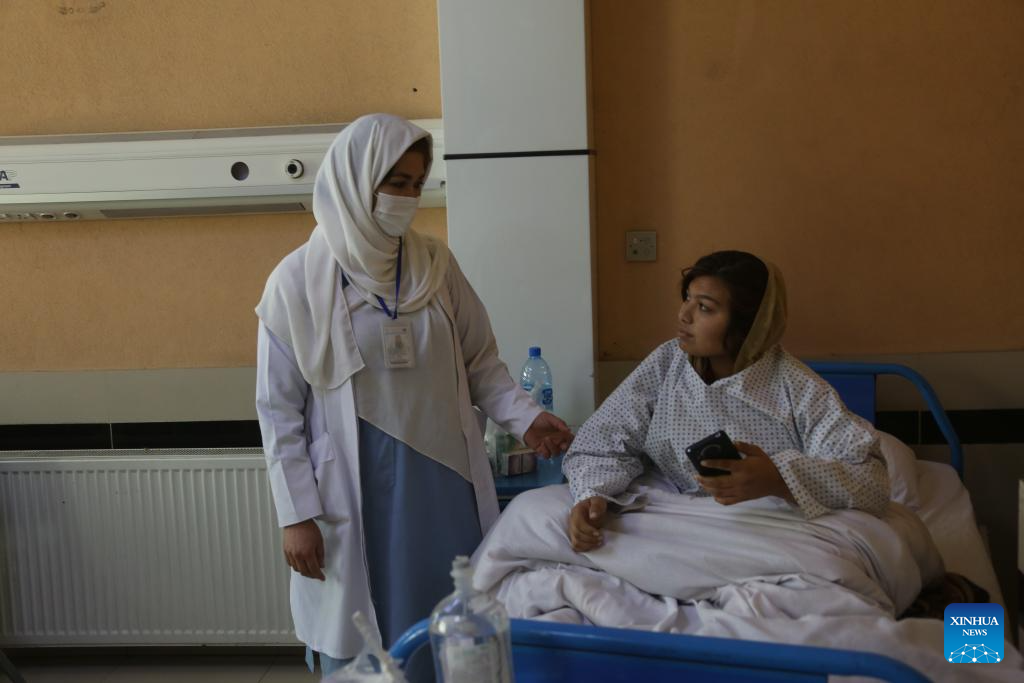
A woman receives medical treatment for blood disorders at a public blood disease treatment center in Kabul, Afghanistan, Jan. 28, 2026.
This hospital is Afghanistan's only public center dedicated to treating blood disorders and leukemia. For thousands of families with limited resources, it has become a fragile lifeline.(Photo by Saifurahman/Xinhua)
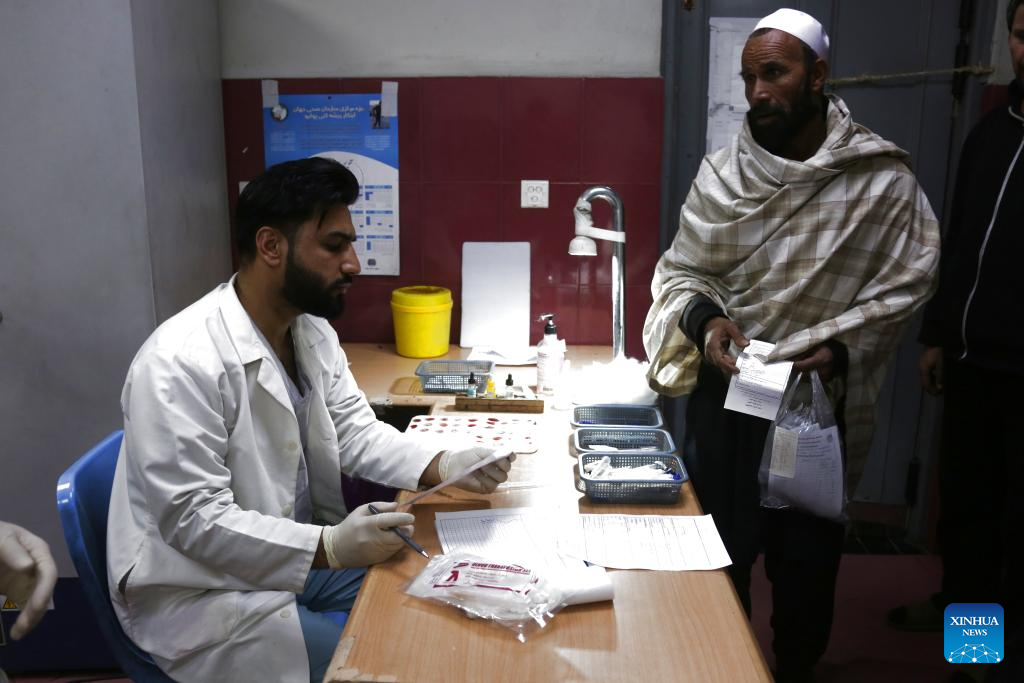
A patient (R) consults a doctor for blood disorders at a public blood disease treatment center in Kabul, capital of Afghanistan, Jan. 28, 2026.
This hospital is Afghanistan's only public center dedicated to treating blood disorders and leukemia. For thousands of families with limited resources, it has become a fragile lifeline.(Photo by Saifurahman/Xinhua)