
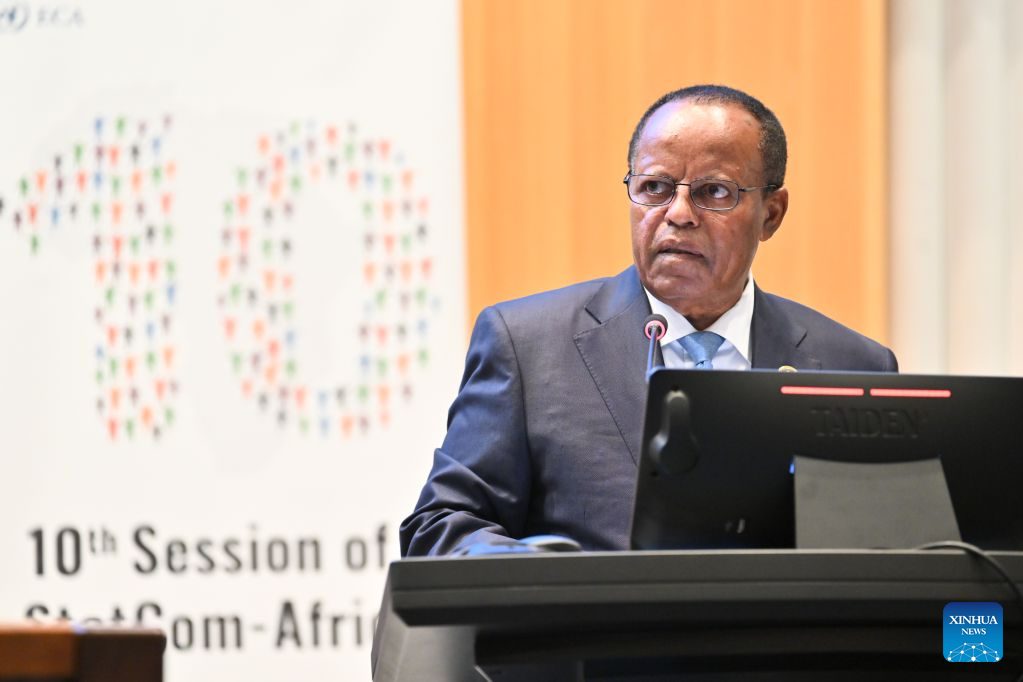
Ethiopian President Taye Atske Selassie delivers a speech during the joint session of the Statistical Commission for Africa and the Regional Committee of United Nations Global Geospatial Information Management for Africa held in Addis Ababa, the capital of Ethiopia, Oct. 21, 2026. (Xinhua)
ADDIS ABABA, Oct. 21 (Xinhua) -- United Nations (UN) and African officials on Wednesday called for robust investment in data and statistical systems in Africa to help governments on the continent make informed decisions, anticipate emerging needs and spur development.
The call came during the joint session of the Statistical Commission for Africa and the Regional Committee of United Nations Global Geospatial Information Management for Africa held in Addis Ababa, the capital of Ethiopia, under the theme "Unleashing the value of data in Africa: making official statistics a true mirror of the continent."
Speaking at the event, Claver Gatete, UN under-secretary-general and executive secretary of the UN Economic Commission for Africa, emphasized the need for African governments to modernize and adequately finance foundational data and statistical systems to produce data and statistics that reflect Africa's development realities.
"Africa needs reliable, forward-looking data and statistics on productive capacity, investment opportunities, trade flows and regional value chains to guide industrial policy and implementation of the African Continental Free Trade Area," he said.
He warned that outdated and incomplete data and statistics can risk governments investing in wrong priorities, overlooking underserved communities and failing to identify opportunities for economic growth.
Noting that the production of high-quality data is a guarantee for Africa's development strategies and programs, Ethiopian President Taye Atske Selassie cautioned that using poor-quality data hinders evidence-based decision-making and evades sustainable development.
"Governments across Africa should remain committed to upholding and advocating for professional independence of official statistics, strengthen the legal and institutional frameworks, invest in their national statistical systems and use scientific evidence in their decision-making processes," Atske Selassie said.
Yusuf Murangwa, minister of finance and economic planning of Rwanda, said Africa's "data problem," involving a structural weakness not only in the availability of information but also in the ability to collect, analyze and use reliable evidence, remains a challenge to guide policy and make informed investment decisions.
"If we don't invest in statistics, we lose a lot of value. Decisions without good evidence are very expensive," Murangwa warned, urging African governments to support and allocate adequate resources for statistics development across the continent. ■
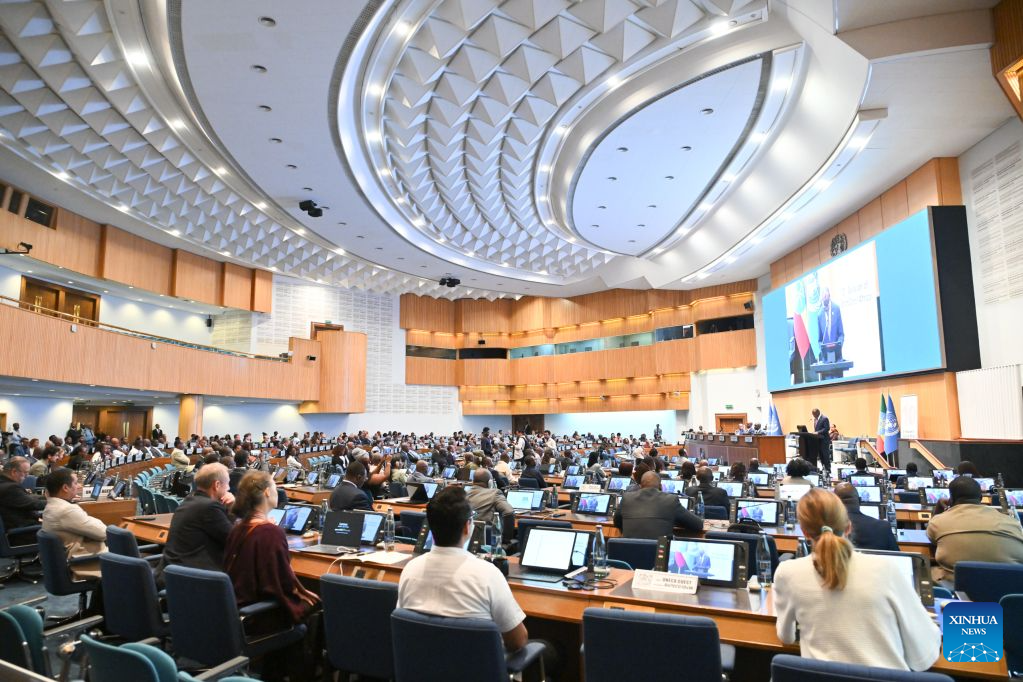
Guests attend the joint session of the Statistical Commission for Africa and the Regional Committee of United Nations Global Geospatial Information Management for Africa held in Addis Ababa, the capital of Ethiopia, Oct. 21, 2026. (Xinhua)
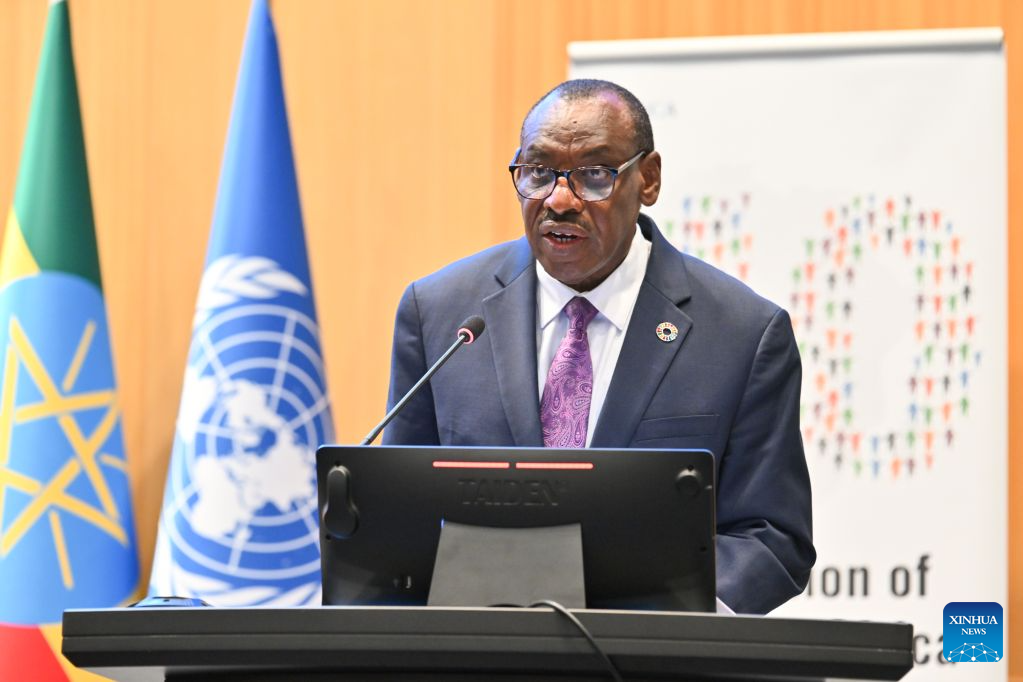
Claver Gatete, UN under-secretary-general and executive secretary of the UN Economic Commission for Africa, delivers a speech during the joint session of the Statistical Commission for Africa and the Regional Committee of United Nations Global Geospatial Information Management for Africa held in Addis Ababa, the capital of Ethiopia, Oct. 21, 2026. (Xinhua)
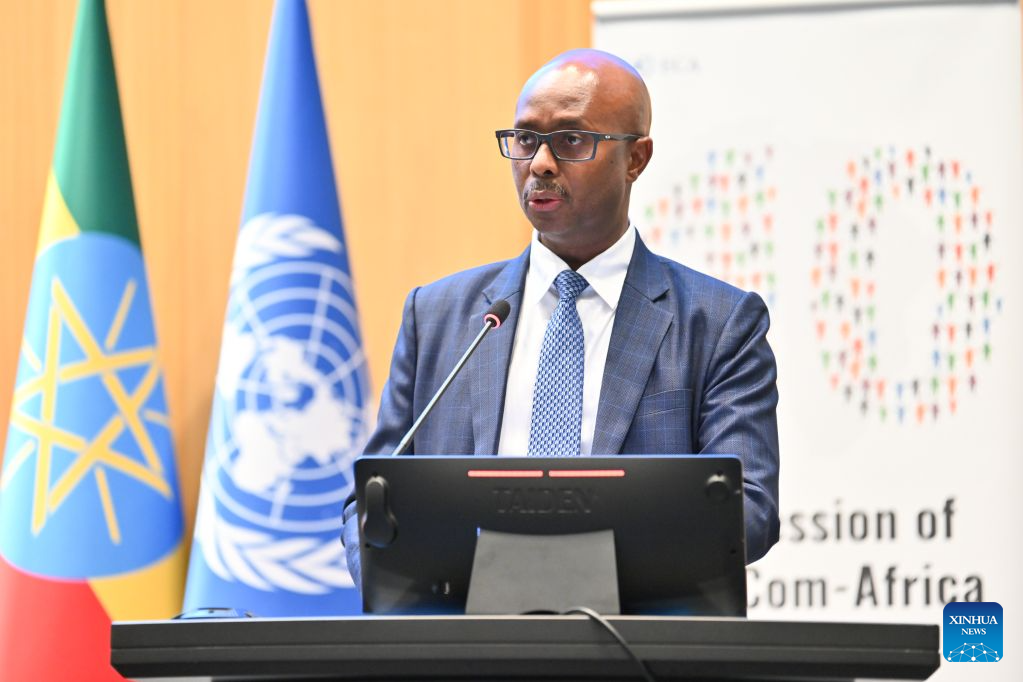
Yusuf Murangwa, minister of finance and economic planning of Rwanda, delivers a speech during the joint session of the Statistical Commission for Africa and the Regional Committee of United Nations Global Geospatial Information Management for Africa held in Addis Ababa, the capital of Ethiopia, Oct. 21, 2026. (Xinhua)