
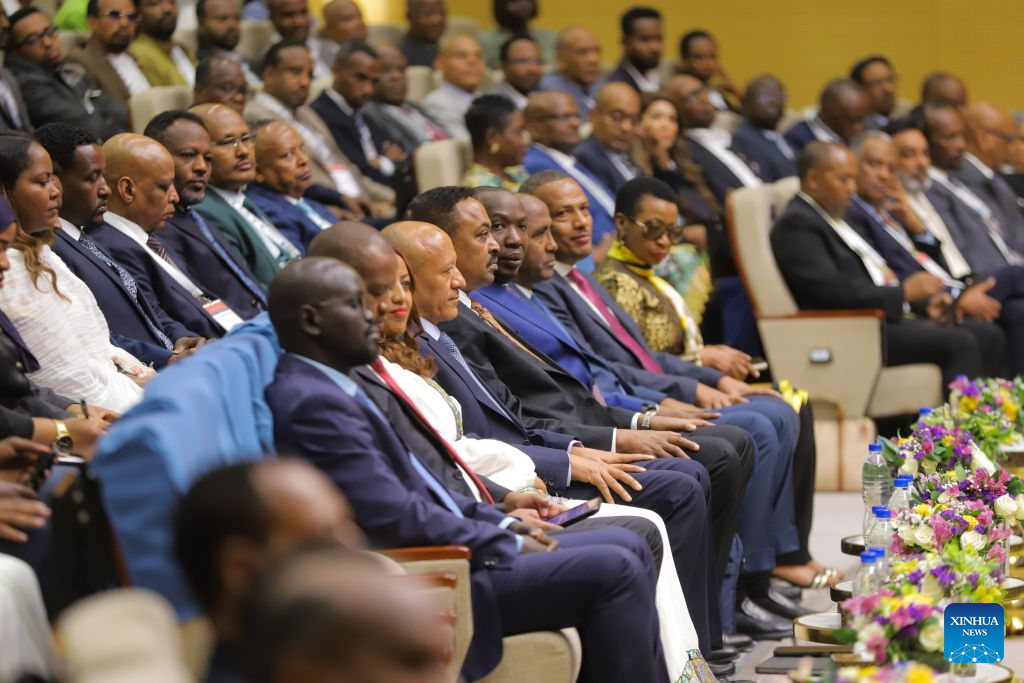
Guests attend the 13th East African Health Federation Conference and International Exhibition in Addis Ababa, the capital of Ethiopia, Aug. 21, 2026. (Photo by Michael Tewelde/Xinhua)
ADDIS ABABA, Aug. 22 (Xinhua) -- Experts and policymakers on Friday called for building a resilient regional health economy in East Africa, through expanded domestic medical manufacturing, enhanced public-private partnerships, and accelerated cross-border integration.
They made the call during the 13th East African Health Federation Conference and International Exhibition, which opened Friday in Addis Ababa, the capital of Ethiopia, with the aim of building resilient health systems across the region and beyond.
The three-day high-level gathering, running until Sunday, has brought together more than 2,000 delegates from over 20 countries, including decision-makers, private sector leaders, medical supply manufacturers, experts, and digital health innovators, under the theme "Resilience: Building the East African Health Economy."
Addressing the conference, Workneh Gebeyehu, Executive Secretary of the Intergovernmental Authority on Development, an East African bloc, said that health sovereignty represents "the absolute bedrock of national sovereignty." He noted that historical vulnerabilities to global supply chain disruptions must be converted into enduring regional industrial strength and healthcare resilience.
"Healthcare is a strategic, high-growth economic driver. It creates skilled jobs, attracts global investment, accelerates industrial manufacturing, and safeguards our most precious asset: our human capital," said Gebeyehu.
Calling for the structural alignment of the public and private sectors to address regulatory and trade barriers, he emphasized the necessity of deploying long-term capital into pharmaceutical manufacturing, digital health networks, and cold-chain infrastructure to establish a unified East African health economy.
According to the organizers, deliberations at the three-day conference are strategically structured around four core pillars: excellence in health service delivery, local manufacturing, investment financing, and regional integration.
Ethiopia's Deputy Prime Minister Temesgen Tiruneh called for a fundamental shift in the region's health sector approach toward greater local production. He noted that building public health resilience must progress beyond merely recovering from health crises, focusing instead on anticipating challenges, effectively responding to emergencies, and turning healthcare into economic strength.
"Resilience cannot mean simply recovering from the last crisis. It must mean preparing for the next one by building our capacity to act and turning health from a story of vulnerability into a source of African strength," Tiruneh said.
He highlighted the East African country's ambition to become an African hub for specialized healthcare and medical tourism, mainly through expanded domestic production of essential pharmaceuticals, diagnostics, and medical equipment, while deepening critical public-private partnerships.
Experts and policymakers at the conference stressed that building robust regional health systems requires more than public financing, emphasizing the critical need to put in place a thriving, well-governed private sector that partners with governments to invest, manufacture supplies, and mobilize capital.
Echoing this sentiment, Ethiopia's Health Minister Mekdes Daba highlighted that public health challenges, including supply chain disruptions and climate change, extend beyond borders and demand collaborative solutions. She noted that strengthening local research and development as well as medical manufacturing remains essential to minimizing vulnerabilities to future global crises.
As East Africa's flagship healthcare event, the conference has also attracted more than 80 exhibitors from Africa and beyond to showcase medical products, services, technologies, and innovations, serving as a platform to connect solution providers with healthcare decision-makers, according to the organizers. ■
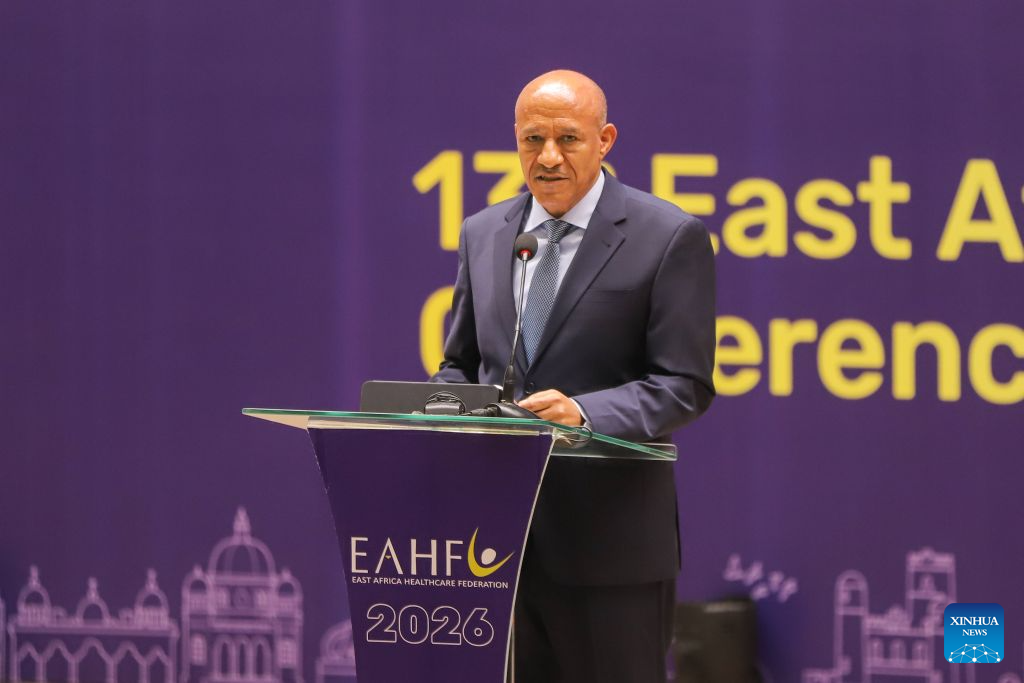
Ethiopia's Deputy Prime Minister Temesgen Tiruneh speaks during the 13th East African Health Federation Conference and International Exhibition in Addis Ababa, the capital of Ethiopia, Aug. 21, 2026. (Photo by Michael Tewelde/Xinhua)
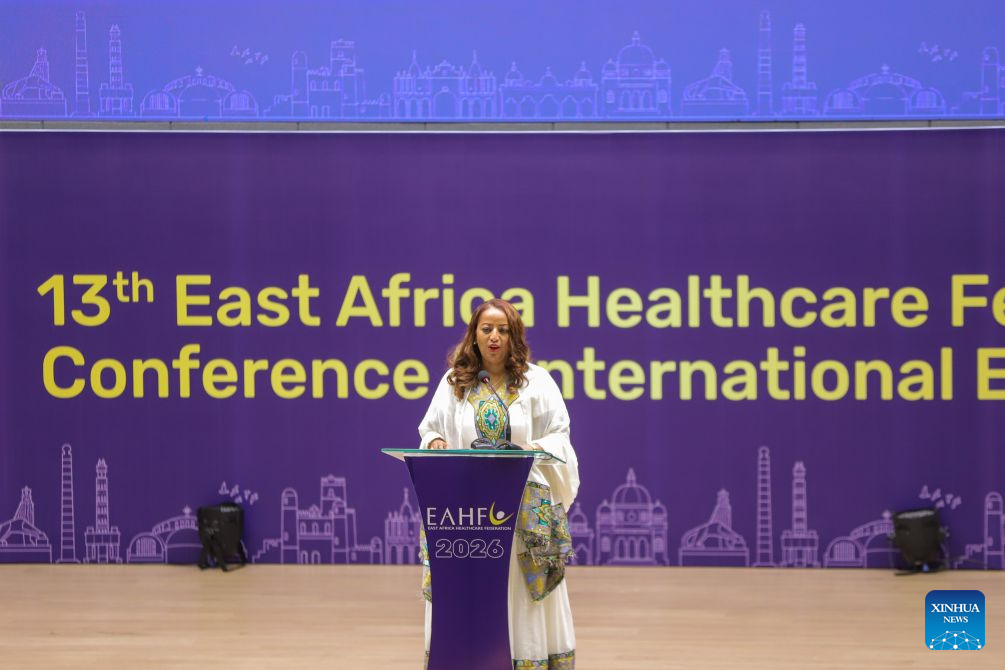
Ethiopia's Health Minister Mekdes Daba speaks during the 13th East African Health Federation Conference and International Exhibition in Addis Ababa, the capital of Ethiopia, Aug. 21, 2026. (Photo by Michael Tewelde/Xinhua)
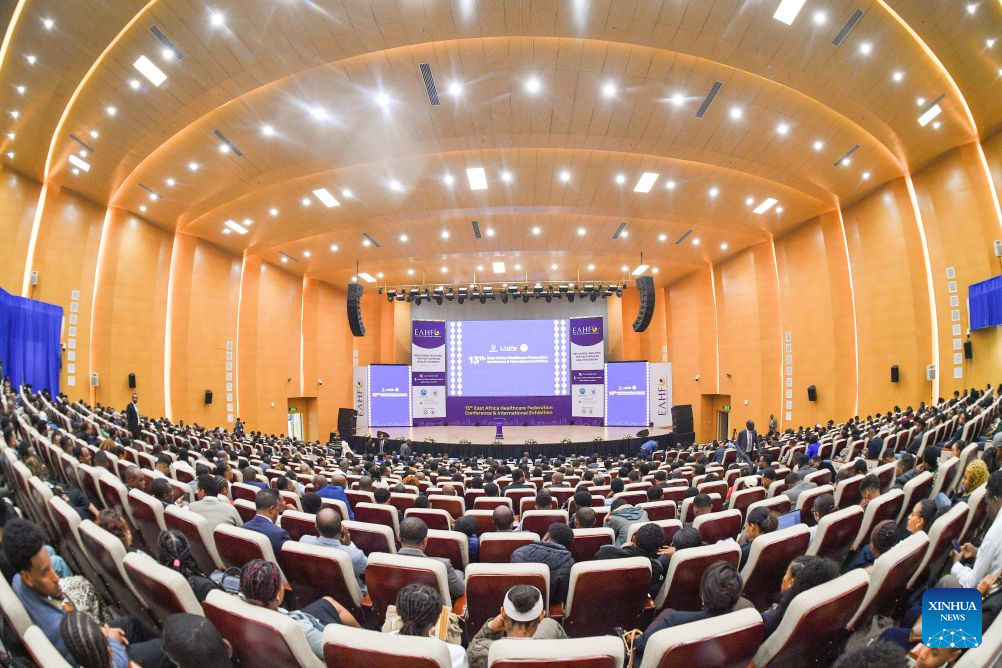
The 13th East African Health Federation Conference and International Exhibition is held in Addis Ababa, the capital of Ethiopia, Aug. 21, 2026. (Photo by Michael Tewelde/Xinhua)
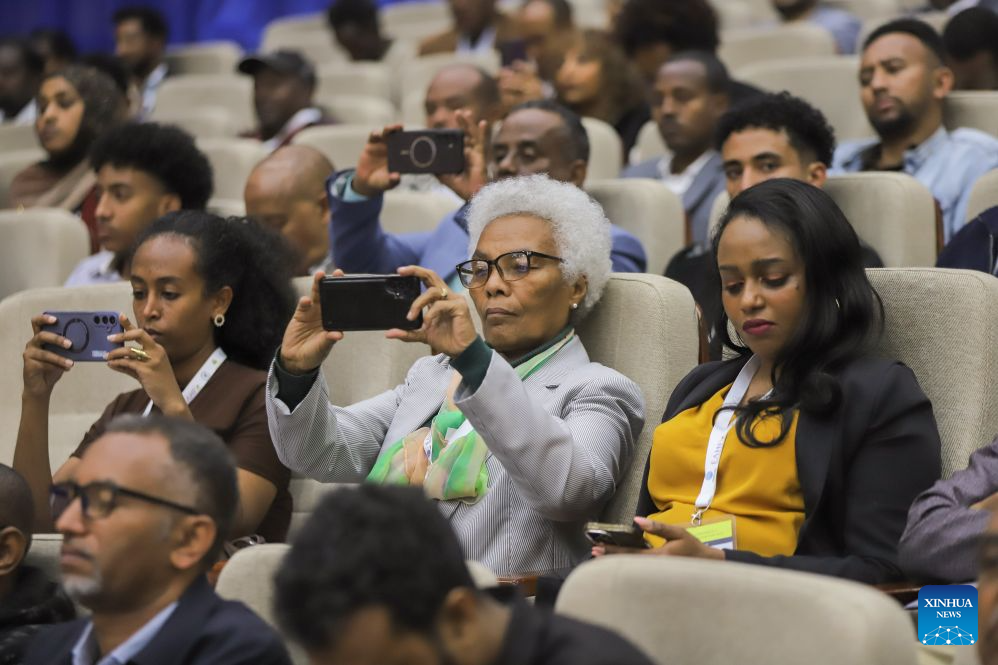
Guests attend the 13th East African Health Federation Conference and International Exhibition in Addis Ababa, the capital of Ethiopia, Aug. 21, 2026. (Photo by Michael Tewelde/Xinhua)
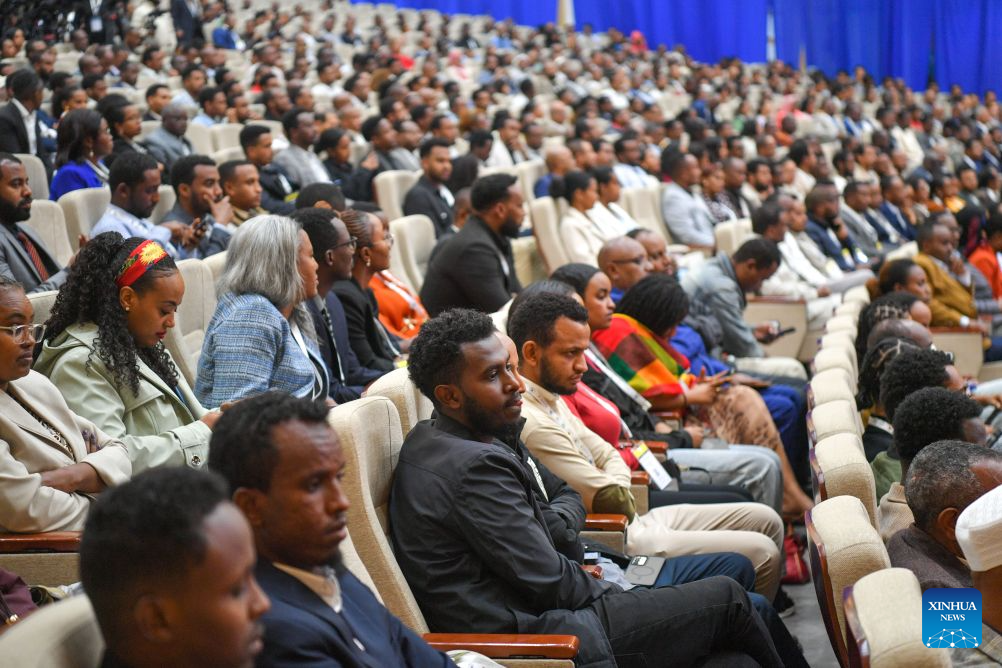
Guests attend the 13th East African Health Federation Conference and International Exhibition in Addis Ababa, the capital of Ethiopia, Aug. 21, 2026. (Photo by Michael Tewelde/Xinhua)

A guest attends the 13th East African Health Federation Conference and International Exhibition in Addis Ababa, the capital of Ethiopia, Aug. 21, 2026. (Photo by Michael Tewelde/Xinhua)