
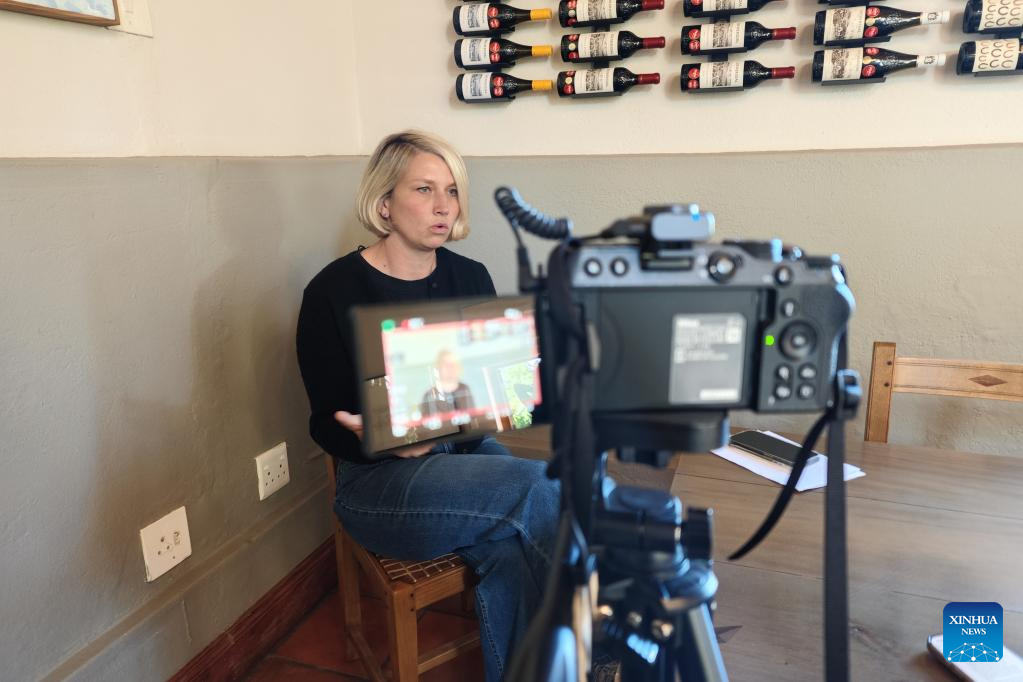
This photo taken with a mobile phone shows Steffi Layer, the Diemersdal Wine Estate's international marketing and sales manager, receiving an interview with Xinhua in Durbanville, Cape Town, South Africa, on March 31, 2026. (Xinhua/Deng Bingxue)
by Xinhua Writers Wang Lei, Deng Bingxue, Wang Xiaomei
CAPE TOWN, April 5 (Xinhua) -- Under the soft glow of early autumn in the Southern Hemisphere, bottling lines hum steadily at Diemersdal Wine Estate in South Africa's Cape Town. The harvest season has just passed, leaving rows of vines neatly stripped of their grapes, yet the winery remains in full motion.
From early morning, forklifts shuttle empty bottles to the production line, where they are cleaned, filled with freshly made wine, sealed, labeled, and packed, before beginning their journey to Cape Town's port and onward to global markets, including China.
That journey may soon become even more significant. As China prepares to implement a zero-tariff policy on imports from 53 African countries starting May 1, wineries like Diemersdal are positioning themselves for what they see as a pivotal moment.
For Steffi Layer, the estate's international marketing and sales manager, told Xinhua that the policy goes well beyond lowering costs, pointing instead to broad-based opportunities ranging from increased profits and market expansion to enhanced brand value in a key international market.
Situated on the cool slopes of Durbanville in Cape Winelands, the 200-hectare estate traces its history back to 1698. It produces a range of wines, led by Sauvignon Blanc and Pinotage -- the latter a signature South African variety that has gained traction among Chinese consumers.
Diemersdal has been exporting to China for nearly two decades, with shipments once rising from just 1 to 2 percent of output to as much as 10 to 15 percent in 2018, before easing amid the COVID-19 pandemic and broader shifts in global demand.
"We've actually been exporting to China for quite a while already. It's almost 16, 17 years now since we've been starting to work with the Chinese market," Layer told Xinhua. While demand has softened in recent years, she added that the removal of tariffs could help revive interest and create new opportunities.
Layer expressed strong confidence in the long-term potential of the Chinese market, pointing to evolving consumer tastes and a deepening appreciation for wine culture.
"In the last couple of years, the demand has decreased, but I do think there's a really, really big opportunity coming our way now," she said, highlighting a growing interest in wine among Chinese consumers, alongside a more developed food culture that increasingly incorporates wine pairings.
At the same time, South African wines retain a competitive edge, she said, particularly in terms of value. According to Layer, the combination of high quality and relatively accessible pricing allows producers to stand out globally, adding that South Africa's shipping routes -- already well integrated into global trade flows -- further enhance its export potential.
Central to Diemersdal's optimism is the expectation that China's zero-tariff policy will unlock opportunities across multiple dimensions, including pricing competitiveness, expanded market presence, and stronger brand positioning.
"It's a little bit of all in a way, because obviously, once the tariffs fall, the wine price in China on the shelf will also be much more competitive," she said.
Layer added that lower barriers to entry could encourage importers to revisit South African wines, while giving consumers greater access to them. "It takes the barrier away of actually doing business with each other," she said.
Beyond pricing, Layer sees opportunities in the premium segment, particularly given Chinese consumers' continued preference for red wine. "The Chinese consumer is still drinking a lot of red wine," she said, noting that this demand enables wineries to operate at higher price points and achieve stronger margins.
To capitalize on these shifts, Diemersdal has begun strengthening its presence in Asia. Layer said the winery recently partnered with a representative based in the region to deepen market insight and expand outreach, including participating in trade shows, targeting specific cities, and refining product offerings to better match local tastes.
Layer noted that the zero-tariff policy could also generate spillover benefits across the broader wine industry and supply chain. Increased exports may boost margins, enabling reinvestment in production and logistics, while also benefiting shipping companies, freight operators, and importers.
More broadly, Layer views the development as part of a deepening economic relationship between China and South Africa, as well as wider China-Africa cooperation. While Chinese products -- from technology to automobiles -- are increasingly visible in South Africa, the country offers agricultural goods such as wine and seafood that are in growing demand in China.
Against this backdrop, Layer expressed confidence that closer trade links will deliver mutual benefits. "I do think it's a win-win situation for both sides," she said. ■

A worker drives a tractor at Diemersdal Wine Estate in Durbanville, Cape Town, South Africa, on March 31, 2026. (Xinhua/Wang Lei)
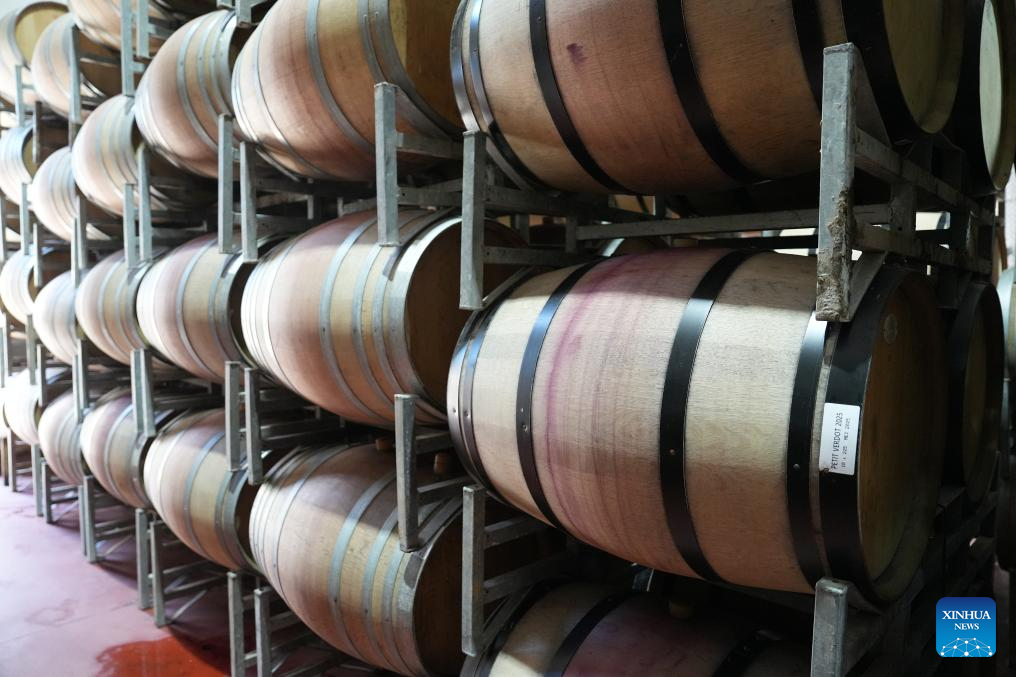
Oak barrels are seen at the production facility of Diemersdal Wine Estate in Durbanville, Cape Town, South Africa, on March 31, 2026. (Xinhua/Wang Lei)
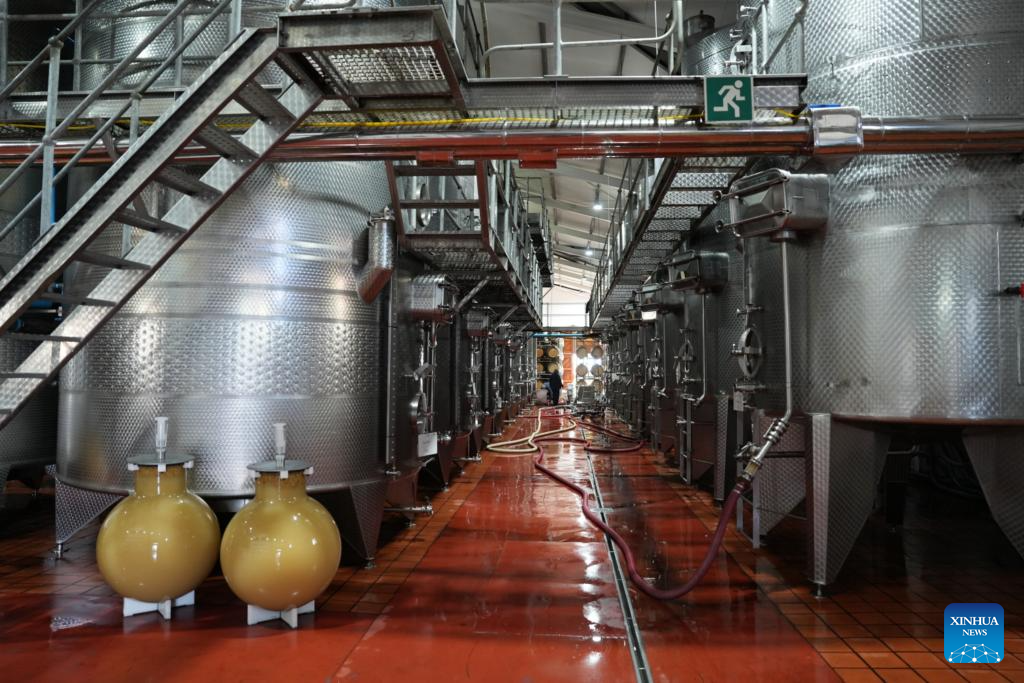
Stainless steel fermentation tanks are seen at the production facility of Diemersdal Wine Estate in Durbanville, Cape Town, South Africa, on March 31, 2026. (Xinhua/Wang Lei)
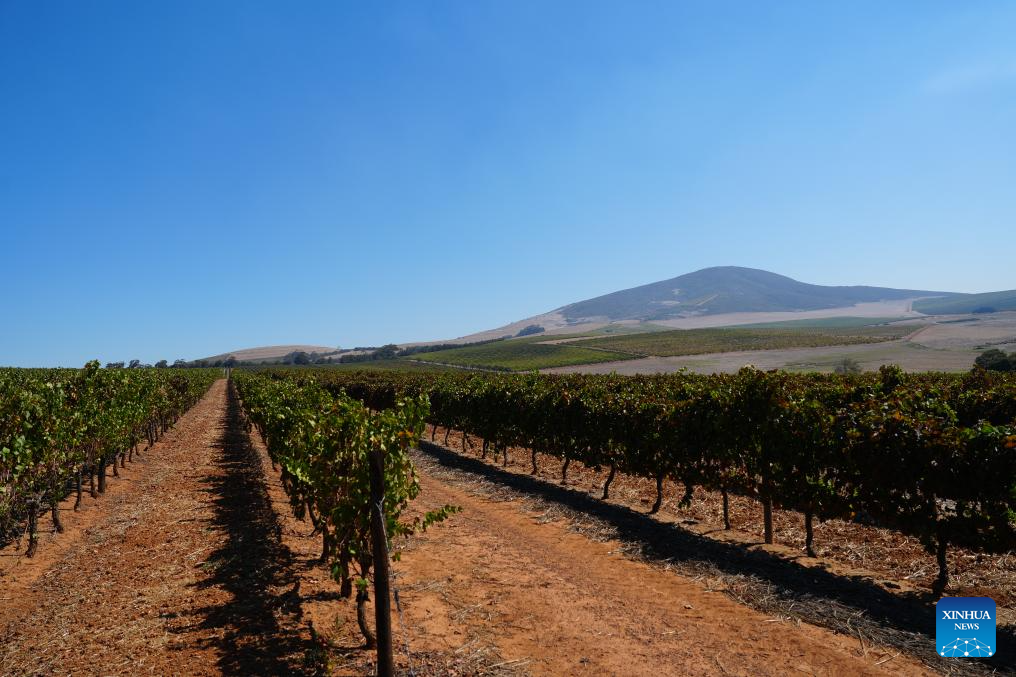
This photo taken on March 31, 2026 shows rows of grape vines at Diemersdal Wine Estate in Durbanville, Cape Town, South Africa. (Xinhua/Wang Lei)
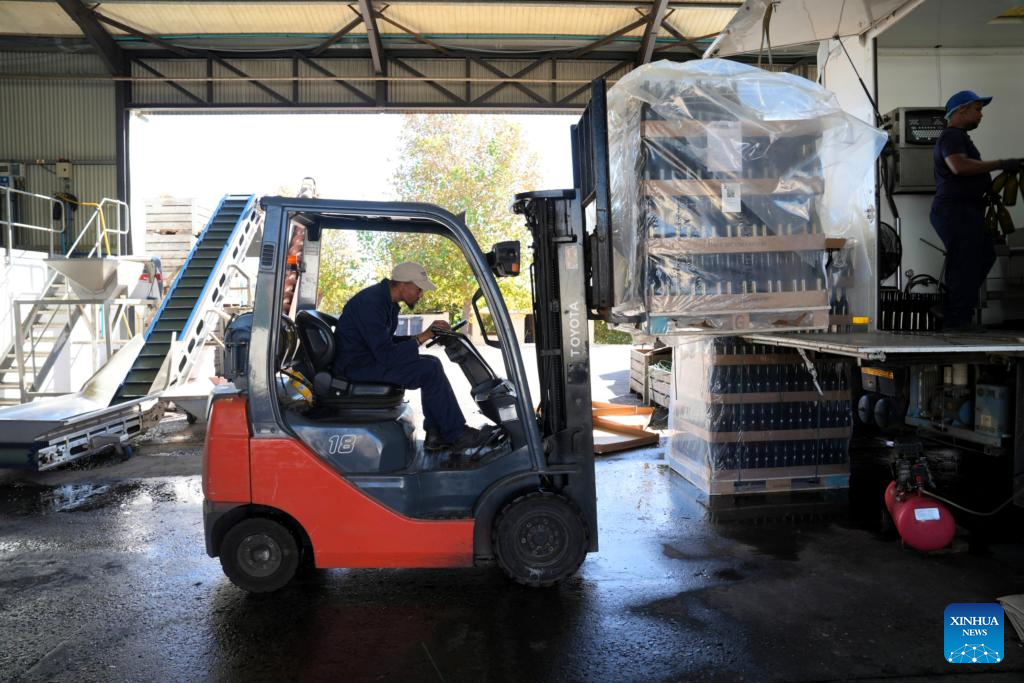
A worker drives a forklift to transport empty wine bottles to the production line at Diemersdal Wine Estate in Durbanville, Cape Town, South Africa, on March 31, 2026. (Xinhua/Wang Lei)