
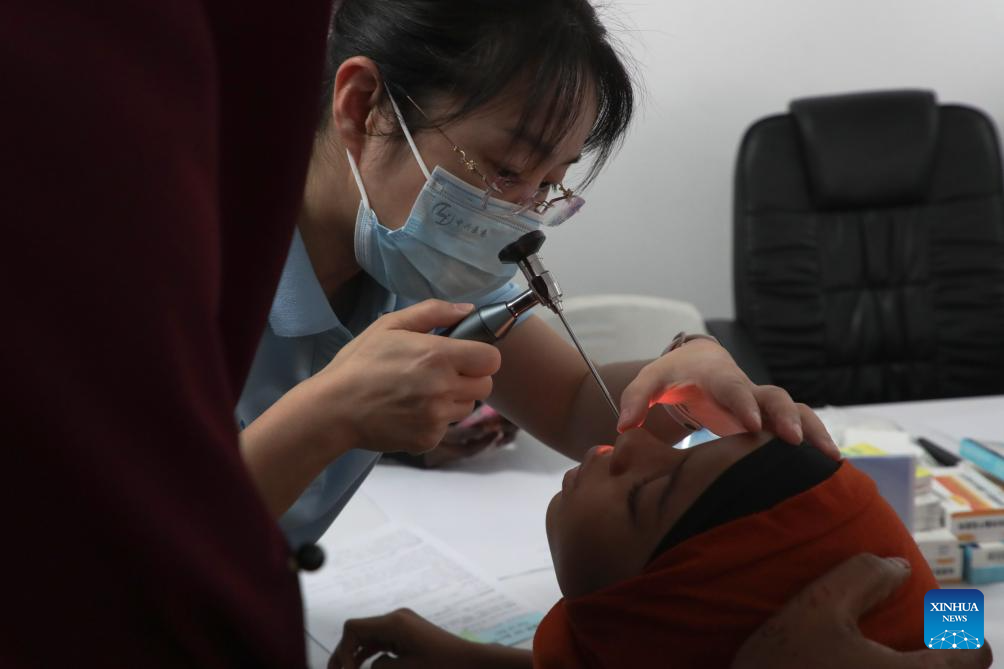
A Chinese doctor conducts examination for a local patient during a free medical camp in Dar es Salaam, Tanzania, March 28, 2026. (Xinhua/Emmanuel Herman)
DAR ES SALAAM, March 29 (Xinhua) -- As light morning drizzles fell over Tanzania's port city of Dar es Salaam, a steady stream of residents, young and old, made their way into the East Africa Commercial and Logistics Center (EACLC) in Ubungo District.
They arrived with different ailments, quiet hopes, and a shared determination to seek care at a two-day free medical camp delivered by Chinese doctors from mainland Tanzania and Zanzibar.
By midday, waiting areas were filled. Mothers held children close, elderly men leaned on walking sticks, and young people compared symptoms. For many, access to specialized medical services had long been limited. On this weekend, however, help had come closer to home.
Among the early arrivals was 64-year-old Mohamed Selemani Mpori, a retired civil servant from Mburahati, who learned about the camp through a television announcement and decided not to miss the opportunity.
"I am grateful that I was able to see a doctor, undergo various tests, and receive medication," he said after completing several consultations. "I also received acupuncture treatment."
For Mpori, the experience was as much about discovery as it was about treatment.
"Today was my first time receiving acupuncture, and it has been a good experience," he said, praising the doctors' professionalism and attentiveness. "They listen to patients very well."
Nearby, 52-year-old Tatu Saidi, a mother of six from Tandika, waited patiently before emerging from a consultation room with visible relief.
"I had problems with my throat, eyes, and ears," she said. "After the tests and treatment, including acupuncture, I have already experienced relief while still here."
Stories like theirs echoed across the venue. For many, the camp provided not only free treatment but also reassurance and time -- often in short supply in busy health facilities.
Inside the makeshift clinic, doctors moved briskly between consultation desks, diagnostic equipment, and treatment areas. Services ranged from general consultations to specialized care in cardiology, pediatrics, orthopedics, and women's health.
Patients underwent blood glucose testing, malaria screening, ultrasound examinations, and electrocardiograms. Others received traditional Chinese medicine therapies such as acupuncture, cupping, and moxibustion, services that drew particularly strong interest.
According to the medical teams, the most common conditions among patients included hypertension, diabetes and their complications, as well as cataracts, glaucoma, and malaria. Skin conditions such as dermatitis and eczema were also frequently treated.
In addition to diagnosis and treatment, doctors distributed free medicines and offered guidance on proper use. A dedicated section provided health education, helping patients better understand disease prevention and management.
By the end of the two-day event, more than 1,000 patients were expected to receive care, reflecting both the scale of need and the strong community response.
For many residents, the camp helped address gaps in access to specialized services. Some said they had postponed seeking care due to cost or distance, while others welcomed the opportunity to consult multiple specialists in one place.
"I visited one of the clinics and found one doctor attending to more than 30 patients," said Kitila Mkumbo, Tanzania's Minister of State in the President's Office responsible for Planning and Investment, after touring the facility.
"Mothers, fathers, youth, elders, people of all kinds have come to receive these services," he said. "This is a huge achievement."
Mkumbo described the camp as a vivid example of growing people-to-people ties between Tanzania and China, noting a shift from traditional diplomatic engagement toward more service-oriented cooperation.
The camp was organized by EACLC, a Chinese investment company operating in Tanzania, in collaboration with Ubungo District authorities. It brought together the 27th Chinese medical team in mainland Tanzania and the 35th Chinese medical team in Zanzibar.
Cathy Wang, managing director of EACLC, said the event reflected a broader commitment beyond business.
"Today is not just a business event; it is a day of service," she said. "We believe that thriving businesses must go hand in hand with a healthy and empowered community."
She highlighted the long history of medical cooperation between China and Tanzania, dating back to the 1960s. Over the decades, Chinese medical teams have provided services across the country, contributing to healthcare delivery and capacity building.
"These services are more than just healthcare," Wang said. "They are a token of respect for more than half a century of friendship."
Zhang Kai, head of the 27th Chinese medical team in mainland Tanzania, said his team has treated more than 10,000 local patients over the past two years.
"Our goal is to bring healthcare services closer to the people, especially those in need," he said. "We aim to serve every patient with professionalism, compassion and respect."
Bao Zengtao, head of the 35th Chinese medical team in Zanzibar, emphasized collaboration and continuity.
"This is not just a one-time clinic," he said. "It is a practical effort to promote the health and well-being of the people and to strengthen medical cooperation."
He noted that traditional Chinese medicine had generated strong interest among local residents, many of whom were eager to explore alternative approaches to treatment and wellness.
The overwhelming turnout has already sparked discussions about the future of such initiatives. Authorities and organizers are considering making the camp an annual event and expanding its scale.
As the crowds gradually thinned and the last consultations concluded, many left with medicines in hand, clearer diagnoses, and renewed optimism. ■
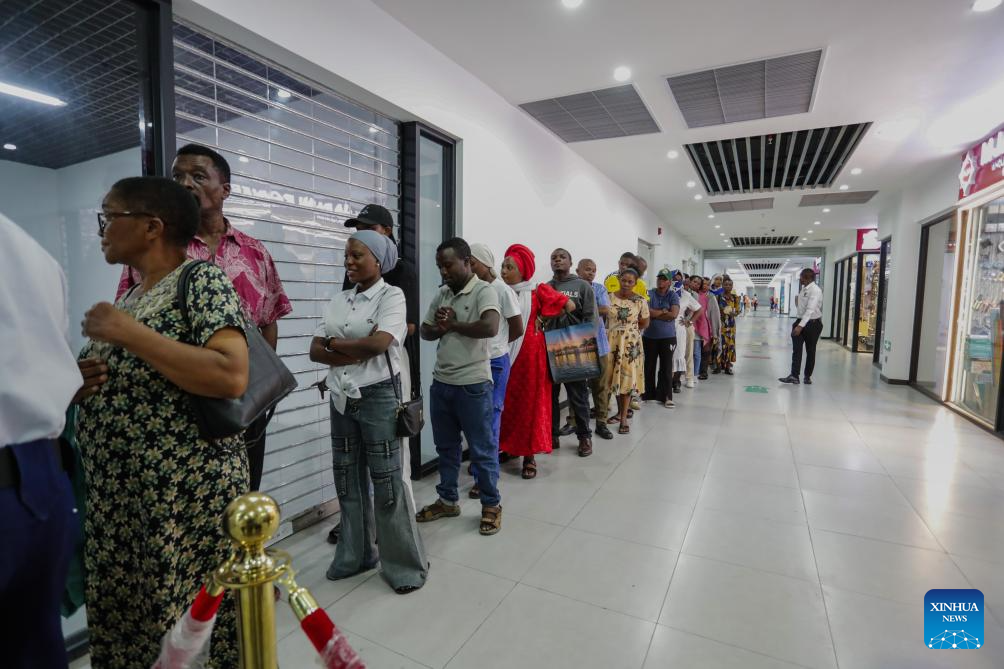
Local residents wait in line to receive medical services during a free medical camp at the East Africa Commercial and Logistics Center (EACLC), Dar es Salaam, Tanzania, March 28, 2026. (Xinhua/Emmanuel Herman)
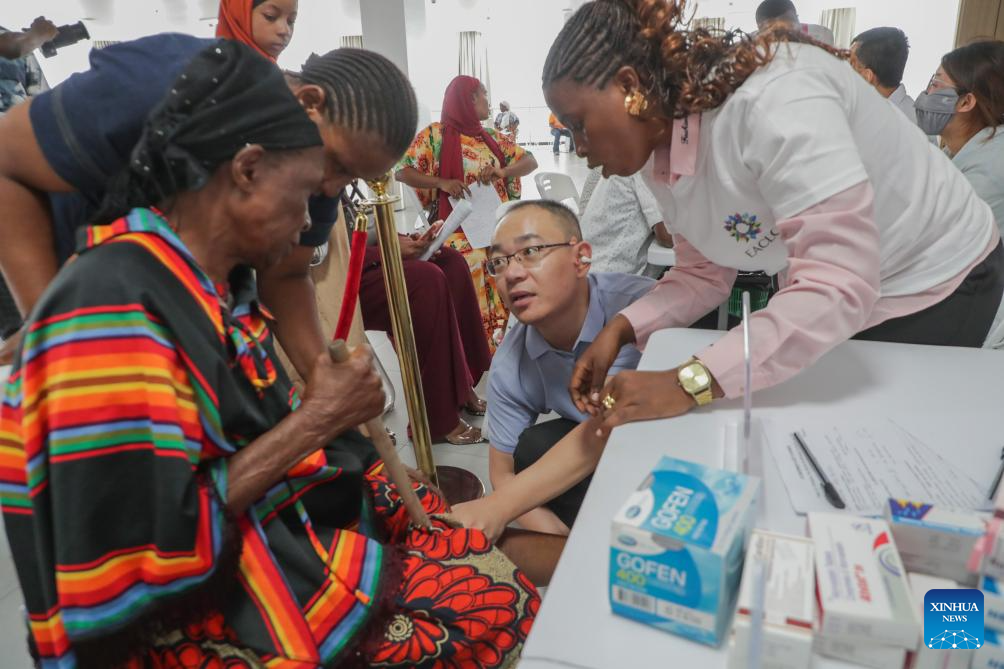
A Chinese doctor conducts examination for a local patient during a free medical camp in Dar es Salaam, Tanzania, March 28, 2026. (Xinhua/Emmanuel Herman)
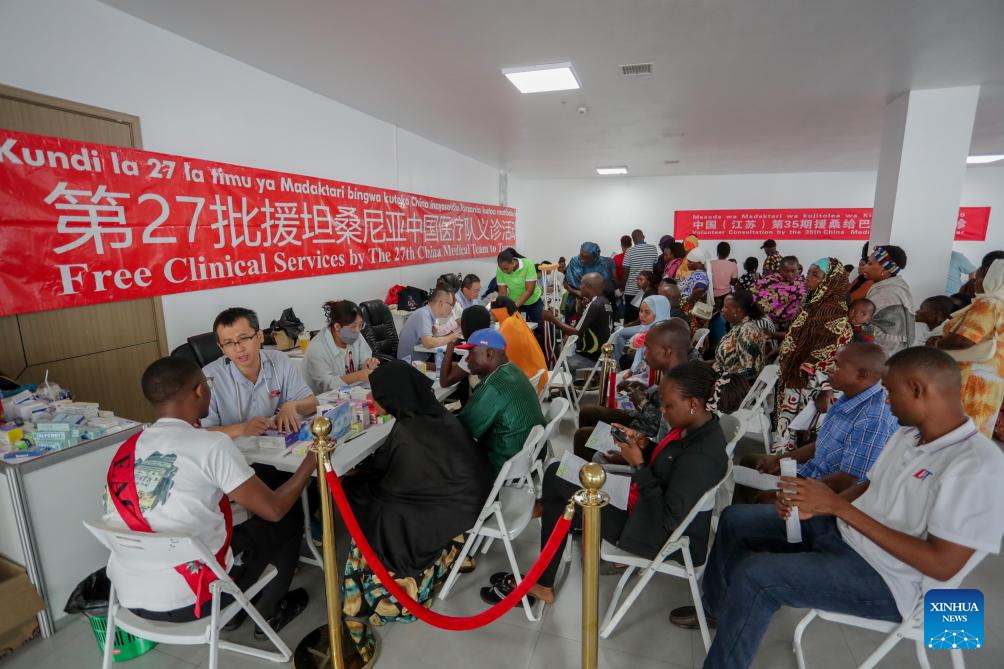
Chinese doctors provide consultations for local residents during a free medical camp at the East Africa Commercial and Logistics Center (EACLC) in Dar es Salaam, Tanzania, March 28, 2026. (Xinhua/Emmanuel Herman)