
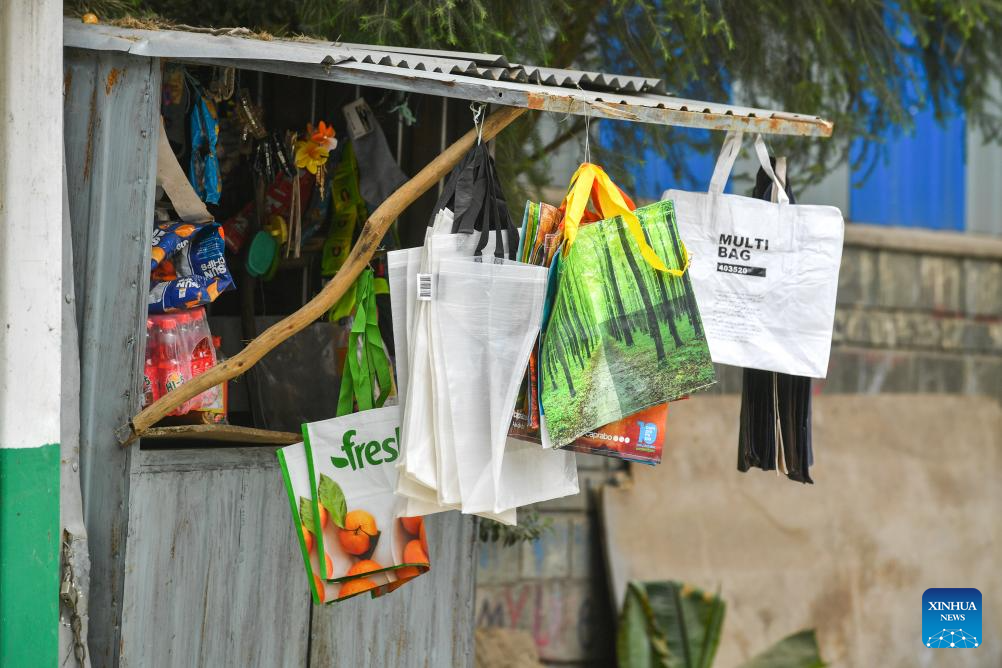
Woven bags are seen at a shop in Addis Ababa, Ethiopia, Feb. 7, 2026. (Photo by Michael Tewelde/Xinhua)
by Xinhua writers Habtamu Worku, Liu Fangqiang
ADDIS ABABA, Feb. 20 (Xinhua) -- In Alembank, a neighborhood in Addis Ababa, Ethiopia, small shop owner Meseret Molalgn greeted customers buying sugar, bread and other daily necessities.
Until a few weeks ago, she handed out single-use plastic bags free of charge. "Almost all of my customers came without anything to carry their purchases," she said. "I usually packed their items in plastic bags at no extra cost."
That routine has changed. Late last month, the Ethiopian government began enforcing a ban on the production, sale and use of single-use plastic bags, after a six-month transition period under the country's solid waste management and disposal proclamation.
Announcing the measure, Lelise Neme, director-general of the Ethiopian Environmental Protection Authority (EPA), urged the public to act. "The harm single-use plastics cause today will shape the future we leave behind. Let us act now, reject single-use plastics, take responsibility, and protect our planet for present and future generations," she said.
Under the new law, individuals caught using or distributing single-use plastic bags face fines of up to 5,000 Ethiopian birr (about 32 U.S. dollars), while manufacturers, importers and marketers risk heavier penalties. Despite nationwide awareness campaigns ahead of the ban, reactions have been mixed. Many shopkeepers and customers support the environmental goal but worry about rising costs.
Molalgn now stocks paper, woven and canvas bags, and charges for them. "I used to buy a pack of 28 small plastic bags for less than 18 birr," she said. "The alternatives are much more expensive."
The EPA links Ethiopia's growing plastic waste problem to rapid urbanization, population growth and changing lifestyles. Poor disposal practices have worsened the situation, with discarded plastic bags clogging drains, littering landscapes and polluting waterways.
In its 2024 National Plastic Waste Management Strategy and Roadmap, the government said that plastic consumption has risen steadily, with more than 60 percent of plastic waste inadequately collected. Annual plastic consumption is estimated at between 280,000 and 300,000 tonnes, with single-use plastics accounting for about 70 percent.
Yet the shift away from plastic is also opening new business opportunities.
Yishak Biruk, a young entrepreneur, recently launched a paper bag manufacturing venture after acquiring machinery through a government initiative for about 1.2 million birr, months before the new law was ratified by the Ethiopian parliament.
At first, demand was so low that his company cut daily production from 2,000 bags to 200. "Paper bags are significantly more expensive than plastic ones, mainly because of higher production costs and limited availability," he said.
Since the ban took effect, however, demand has picked up. Biruk called the measure "a highly commendable initiative," noting that it has accelerated the adoption of paper bags.
"Paper bags are widely used globally, but in Ethiopia their adoption is still at an early stage," he said. "Since the ban, demand has increased noticeably, which has helped our business. We are also seeing growing public awareness about the environmental and health impacts of plastic waste." ■

A woman uses a woven bag on a street in Addis Ababa, Ethiopia, Feb. 7, 2026. (Photo by Michael Tewelde/Xinhua)
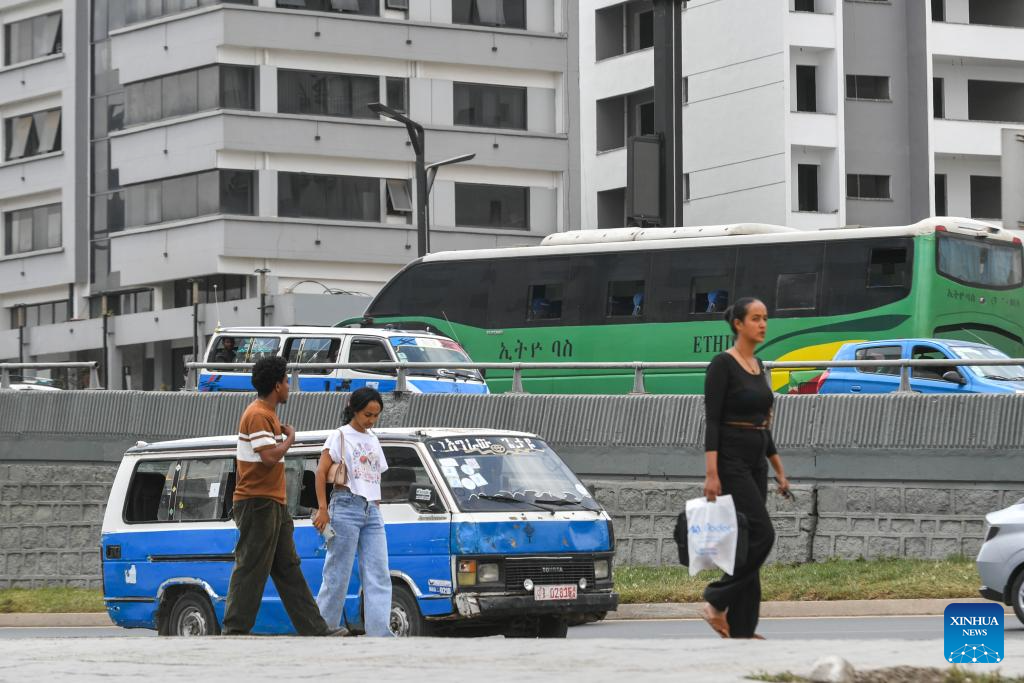
A woman uses a woven bag on a street in Addis Ababa, Ethiopia, Feb. 7, 2026. (Photo by Michael Tewelde/Xinhua)
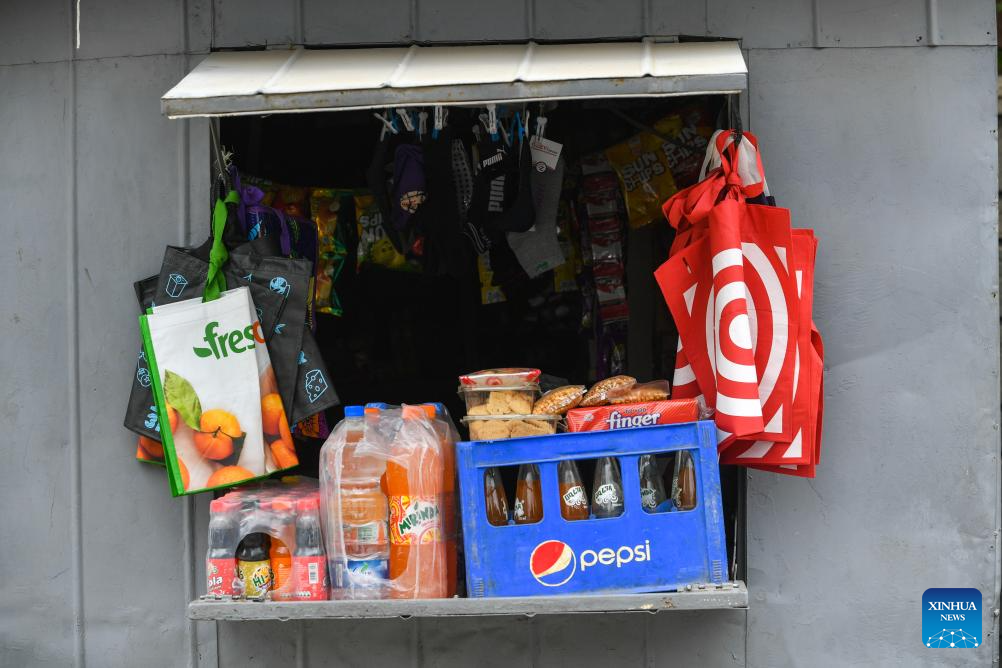
Woven bags are seen at a shop in Addis Ababa, Ethiopia, Feb. 7, 2026. (Photo by Michael Tewelde/Xinhua)
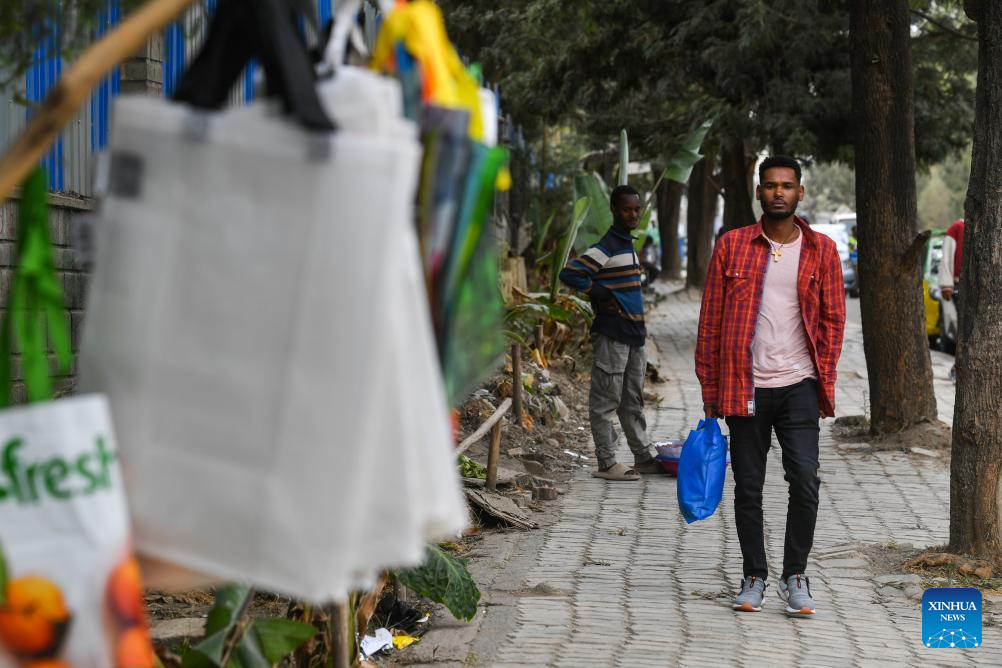
A man uses a woven bag on a street in Addis Ababa, Ethiopia, Feb. 7, 2026. (Photo by Michael Tewelde/Xinhua)
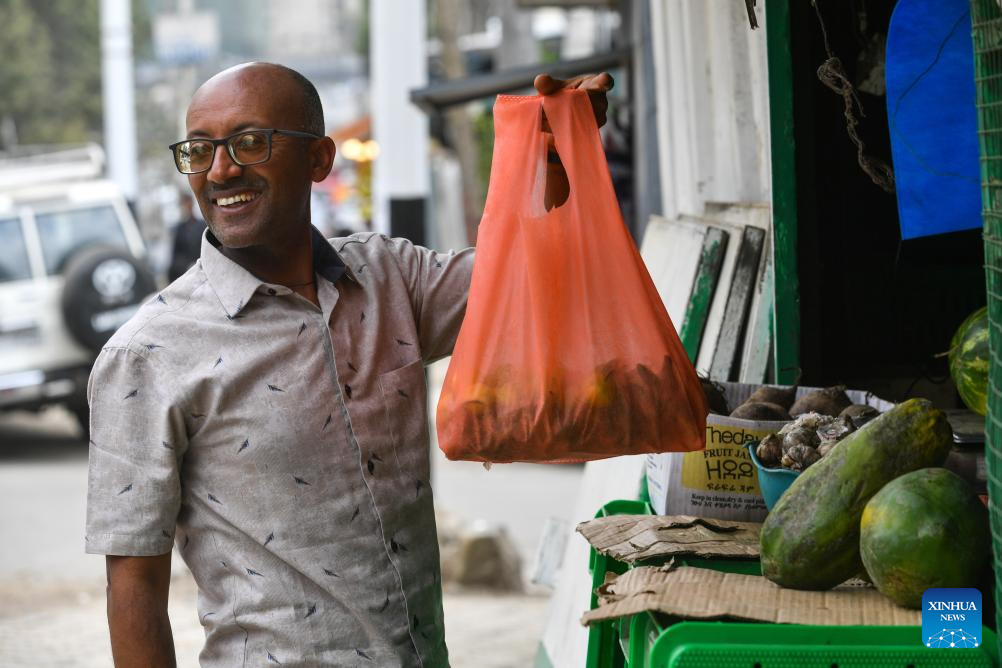
A man uses a woven bag on a street in Addis Ababa, Ethiopia, Feb. 7, 2026. (Photo by Michael Tewelde/Xinhua)