
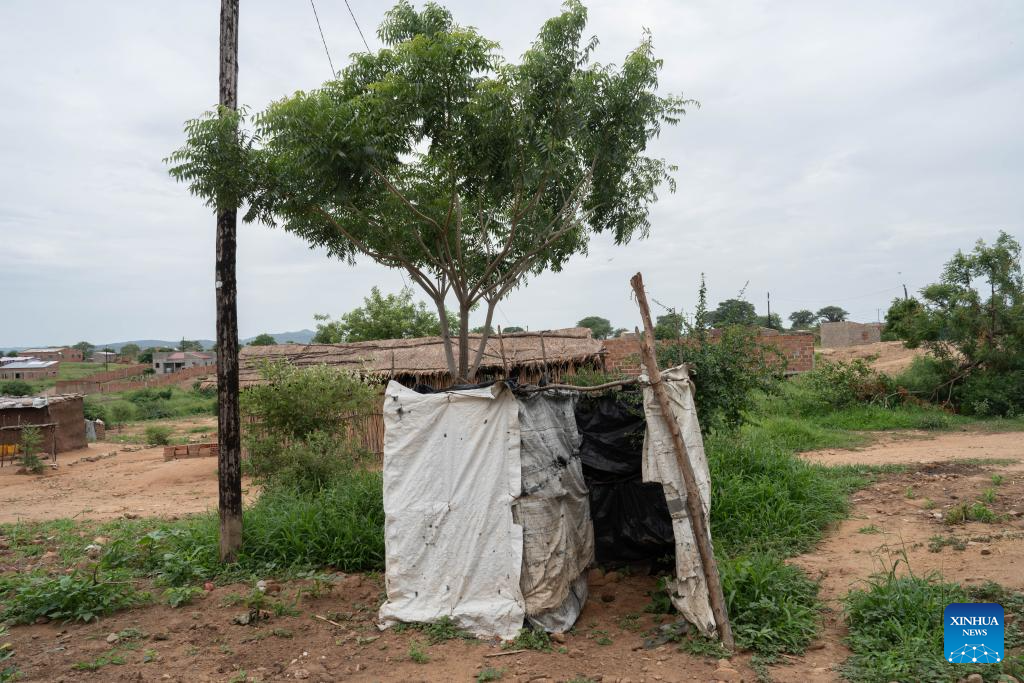
This photo taken on Dec. 24, 2025 shows the makeshift area previously used by residents for defecation before the construction of sanitation facilities in Tete City, Mozambique. (Xinhua/Liu Jie)
MAPUTO, Jan. 14 (Xinhua) -- A sanitation improvement project implemented by a Chinese firm has transformed living conditions in Tete City, western Mozambique, by replacing open defecation with safe, dignified, and disability-friendly household facilities.
Local resident Flora Rui is among the thousands of beneficiaries. Before the project's completion, her community struggled with a total lack of basic infrastructure. "Open defecation was not just inconvenient; it was a constant safety risk for women and children," Rui said. "Now, we have privacy at home, and our children have a safe, dignified place to bathe."
Tete City, the capital of Tete Province, has long grappled with sanitation challenges in some communities due to weak infrastructure and difficult geological conditions. Open defecation has contributed to waterborne diseases such as diarrhea and cholera, making improved sanitation a long-standing concern for local authorities and residents.
In July 2025, the Tete sanitation project, undertaken by China Jiangxi International Economic and Technical Cooperation Co., Ltd., was officially handed over. The initiative delivered 2,933 specialized household toilets across five high-need communities, directly addressing the region's most acute water, sanitation, and hygiene gaps.
According to project manager Wang Jie, construction was particularly challenging in areas where bedrock was exposed at the surface. Septic tanks had to be excavated to a depth of about 1.6 meters, often requiring repeated rock drilling.
"Many construction sites were located directly on rock layers. Drilling equipment was frequently worn out, and we had to rotate workers to reduce fatigue while maintaining progress," he said.
The project sites were scattered across multiple communities, requiring careful coordination of personnel, equipment and materials. In some areas with limited access, materials had to be carried manually to the construction sites. Despite these challenges, construction progressed at an average rate of about 240 toilets per month, allowing the project to be completed ahead of schedule.
The project also paid special attention to vulnerable groups. Tawanda Choma, a former miner who lost a leg in a work accident, received a disability-friendly toilet built at his home, equipped with a ramp and handrails.
"Life has become much easier, and I feel respected again," Choma said, adding that the facility has become an important part of his family's daily life.
Zito Mugabe, a project official from Mozambique's National Directorate of Water Supply and Sanitation, said the project not only improved household sanitation but also strengthened urban environmental health services.
"It has helped reduce open defecation and lower disease risks, while enhancing people's dignity," Mugabe said, noting that the project has been particularly meaningful for women, the elderly and people with disabilities.
In several communities, residents can now be seen washing clothes nearby and children playing around the newly built toilets, reflecting gradual but tangible improvements in daily life. ■
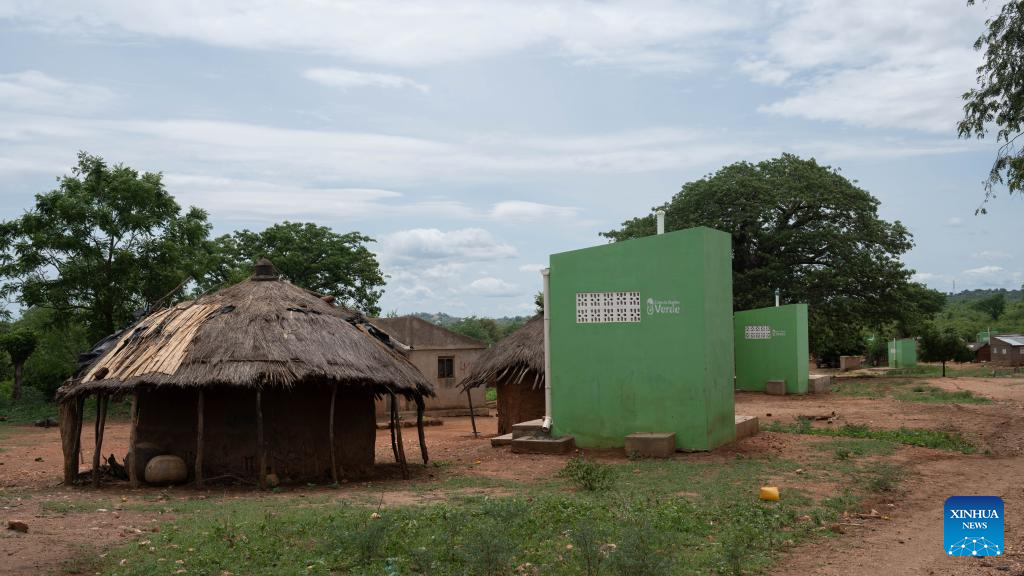
This photo taken on Dec. 24, 2025 shows newly-built household sanitation facilities in Tete City, Mozambique. (Xinhua/Liu Jie)
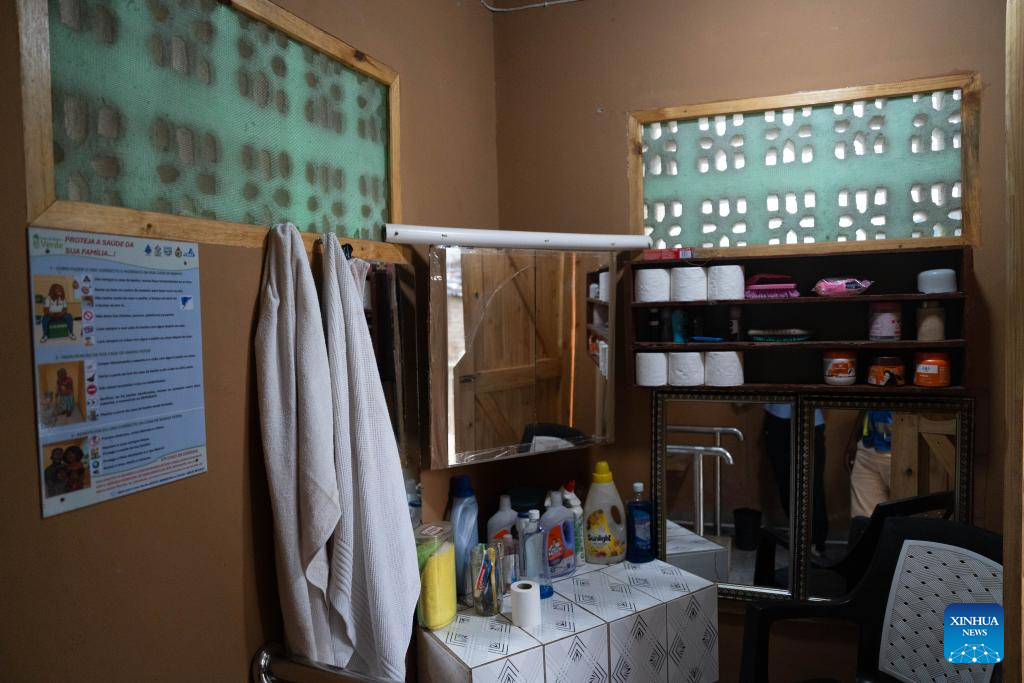
This photo taken on Dec. 24, 2025 shows the interior of a newly-built household sanitation facility in Tete City, Mozambique. (Xinhua/Liu Jie)
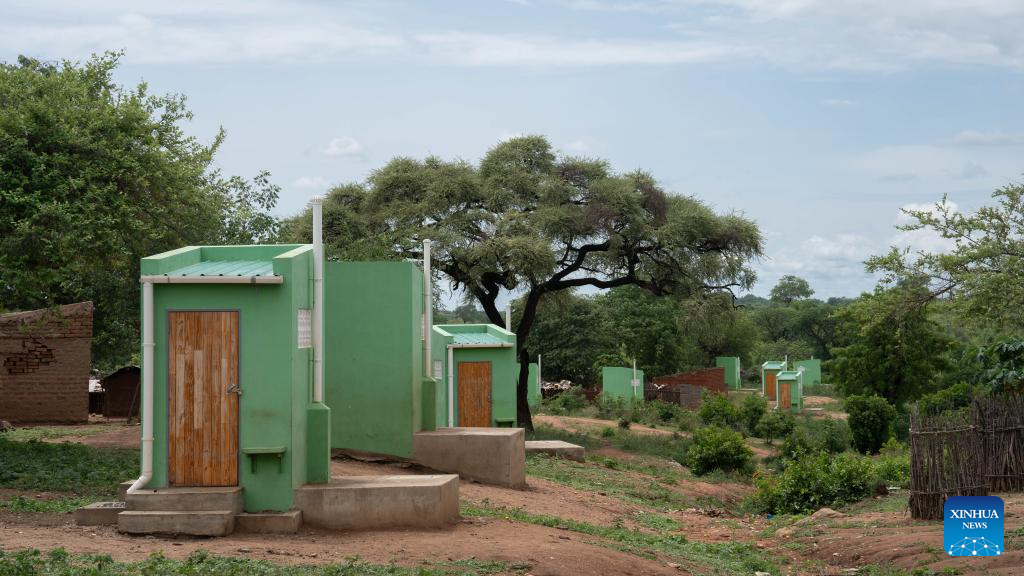
This photo taken on Dec. 24, 2025 shows newly-built household sanitation facilities in Tete City, Mozambique. (Xinhua/Liu Jie)