
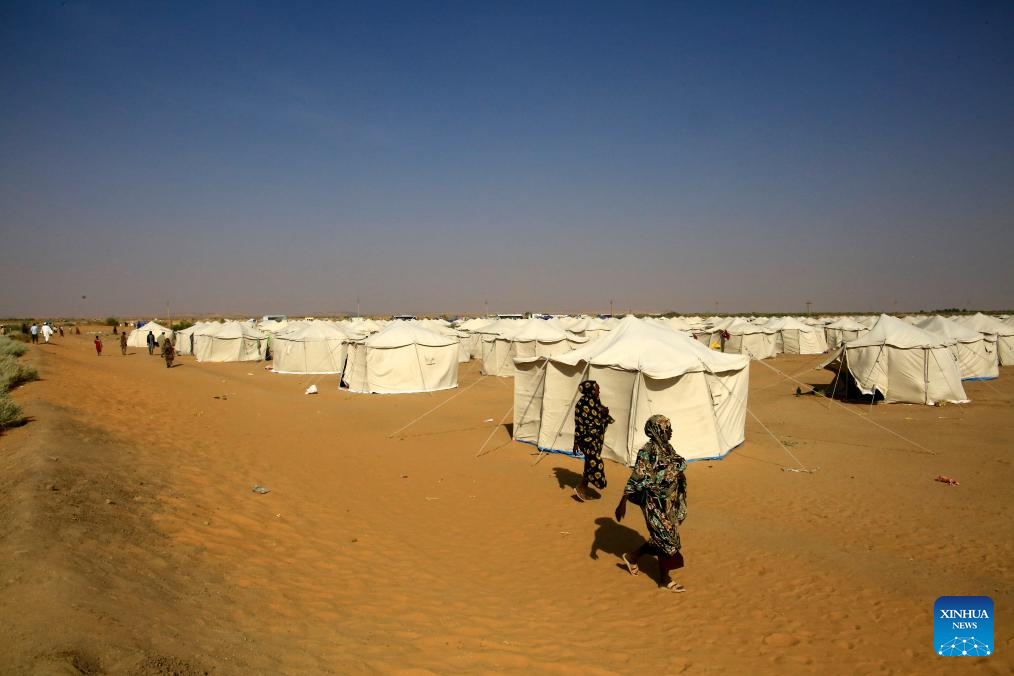
Photo taken on Nov. 13, 2025 shows tents at Al-Affad displacement camp in Al-Dabbah city, northern Sudan. (Photo by Mohamed Khidir/Xinhua)
KHARTOUM, Dec. 29 (Xinhua) -- The year 2025 proved pivotal in Sudan's conflict, characterized by dramatic military shifts, stalled diplomacy, and a persistent humanitarian catastrophe widely regarded as the world's largest.
Militarily, the year saw a clear reversal of fortunes. The Sudanese Armed Forces (SAF) made significant gains in the first half, recapturing key sites including Wad Madani, the Presidential Palace, and Khartoum International Airport, and declaring the capital cleared of Rapid Support Forces (RSF) units.
However, military analyst Abdul-Jalil Ismail told Xinhua that these gains restored "the symbolism of the state" but lacked "a coherent political framework," allowing the RSF to regroup.
From June, the RSF launched a major western offensive, capturing El Fasher, Babanusa, and the Heglig oil field.
Conflict analyst Naji Ajeeb said that this created a "de facto territorial division," with the RSF largely controlling western Sudan and the SAF holding central and eastern regions.
Diplomatic efforts, though intensified, yielded no breakthrough. The International Quartet's proposed roadmap for a truce and transition was not implemented.
Political fragmentation worsened. The formation of an RSF-aligned parallel government was met with the appointment of a new prime minister by the transitional authorities.
Analyst Abdul-Rahim Al-Sunni warned this rivalry risks a prolonged legitimacy crisis, shifting the conflict "from a struggle over power to one over legitimacy."
Humanitarian trends were uneven. Improved security in some areas allowed over 3 million displaced people and refugees to return. However, famine conditions were confirmed in El Fasher and Kadugli, with 20 other areas at high risk.
For a third year, Sudan topped global emergency watchlists. Humanitarian expert Al-Samani Hamza warned of "a comprehensive collapse of basic living conditions, not a temporary humanitarian shock."
Without a ceasefire, "hunger, disease, and displacement will continue to escalate," Hamza said.
Ultimately, 2025 solidified grim realities rather than delivering solutions, leaving Sudan facing prolonged division and suffering. ■
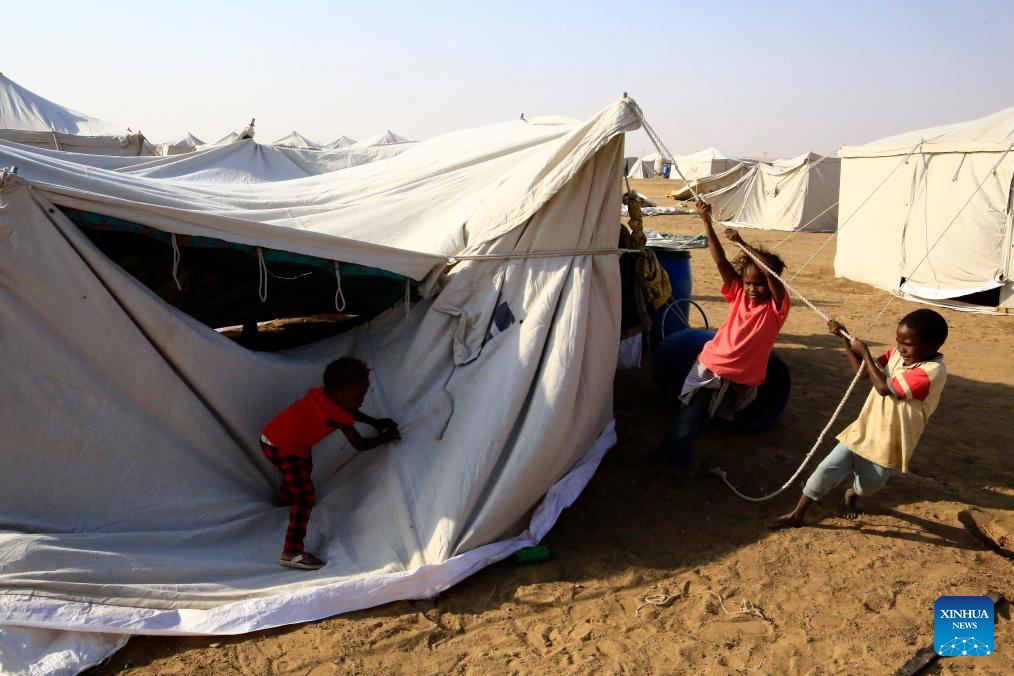
Displaced children attempt to erect a tent at Al-Affad displacement camp in Al-Dabbah city, northern Sudan, Nov. 13, 2025. (Photo by Mohamed Khidir/Xinhua)
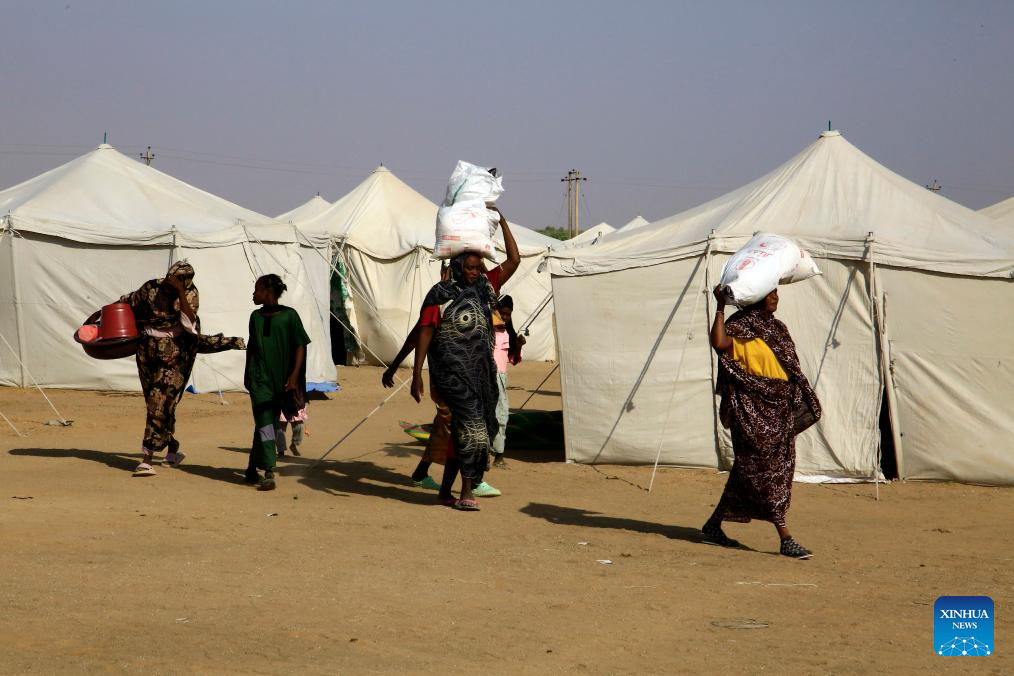
Displaced people carry humanitarian aid at Al-Affad displacement camp in Al-Dabbah city, northern Sudan, Nov. 13, 2025. (Photo by Mohamed Khidir/Xinhua)
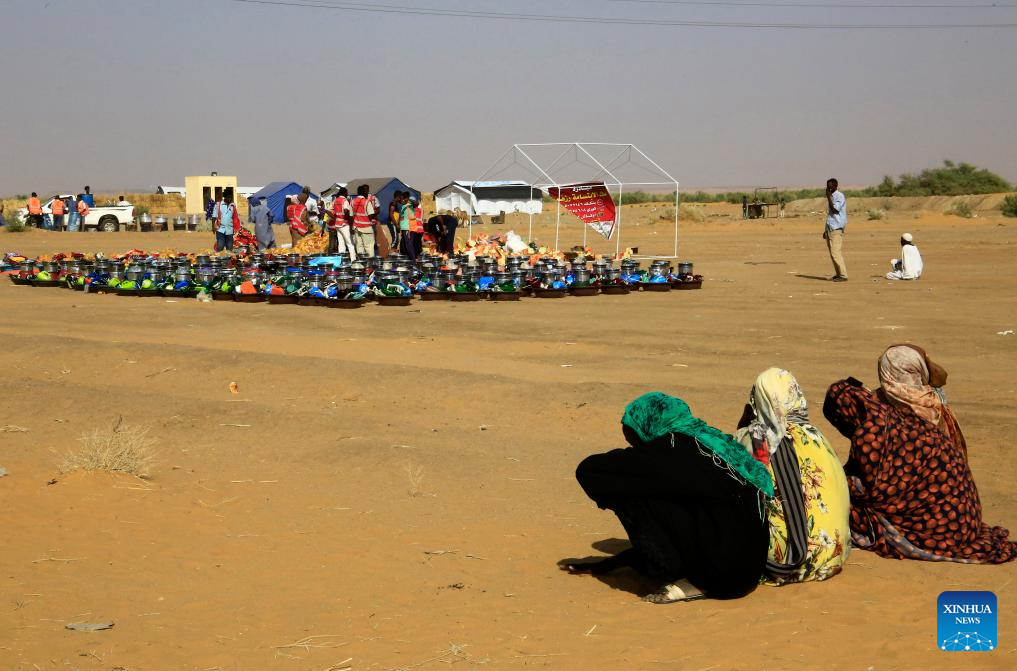
Volunteers prepare to distribute newly arrived aid supplies at Al-Affad displacement camp in Al-Dabbah city, northern Sudan, Nov. 13, 2025. (Photo by Mohamed Khidir/Xinhua)
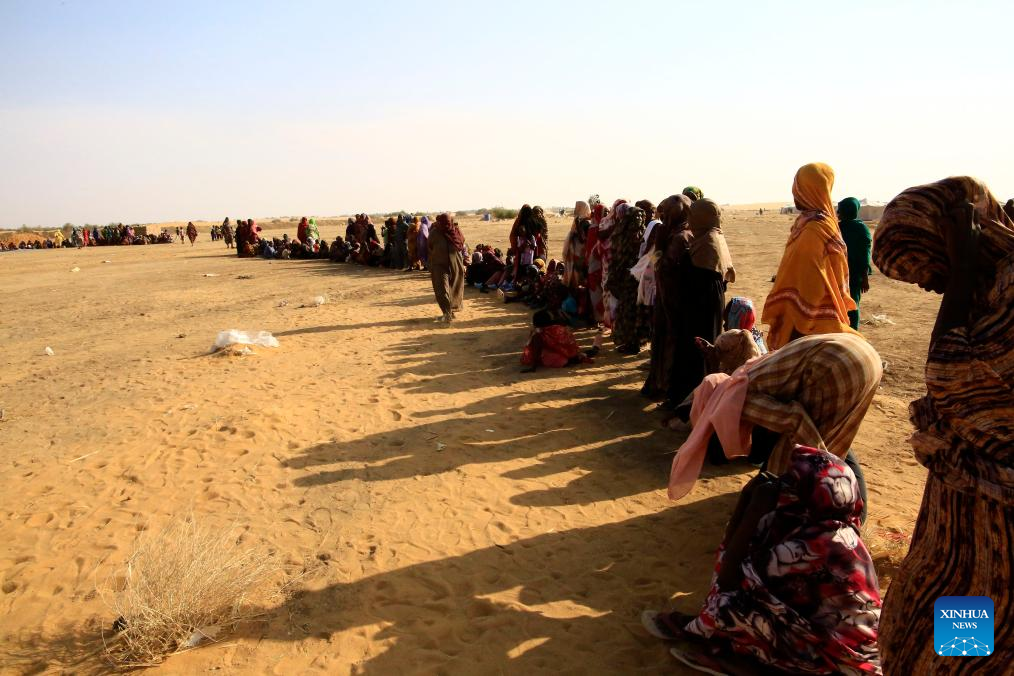
Displaced people wait in a queue to get water at Al-Affad displacement camp in Al-Dabbah city, northern Sudan, Nov. 13, 2025. (Photo by Mohamed Khidir/Xinhua)