
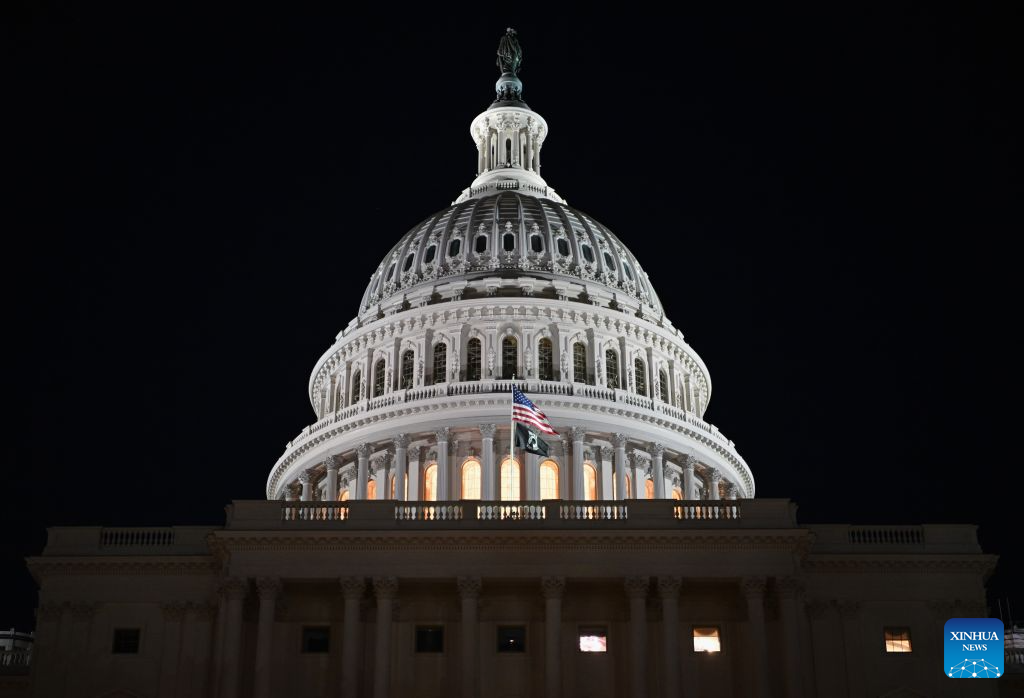
This photo taken on Nov. 24, 2026 shows the U.S. Capitol building in Washington, D.C., the United States. (Xinhua/Li Rui)
by Xiong Maoling
WASHINGTON, Nov. 24 (Xinhua) -- Although vote counting remains incomplete in a handful of districts from the Nov. 3 midterm elections, the "blue wave" continues to gather momentum. Not only have the Democrats successfully reclaimed control of both chambers of Congress, but their seat count continues to grow.
As of Monday, Democrats had gained a net 43 seats in the House of Representatives, bringing their total to 258 -- well above the 218 seats needed for a majority. In the Senate, Democrats gained a net nine seats, securing 56 seats and surpassing the 51 seats needed for a majority.
While the midterm elections have largely settled, the political battles are heating up. Within the Democratic Party, moderates and progressives are vying for influence and control over the party's direction. Meanwhile, Republicans and Democrats are likely to clash over the policies of U.S. President Donald Trump's administration, congressional investigations and potential impeachment proceedings. Ditto for federal government funding.
DEMOCRATS: A BATTLE FOR LEADERSHIP
The battle for Senate leadership has become a focal point of the divide between the establishment and the progressive factions of the Democrats. On Nov. 12, Senator Chris Van Hollen of Maryland, regarded as part of the Democratic Party's progressive wing, announced that he would challenge incumbent Senate Democratic Leader Chuck Schumer, a leading figure in the party establishment who has held the position for nearly a decade. Van Hollen cited what he described as "a call for change from the American people."
Senator Bernie Sanders of Vermont, an independent who caucuses with Democrats, previously said that he would not support Schumer's bid for another term. Van Hollen has since secured the backing of progressive senators from several states, including Vermont, Michigan, Oregon and Minnesota.
Progressives have long been dissatisfied with Schumer, viewing him as "too weak" in confronting Republicans and questioning his ability to lead an increasingly energized Democratic Party.
Despite the considerable opposition, Schumer recently said he had enough votes to win reelection. U.S. media analysts say that while Schumer remains in a strong position in the leadership race, his reelection is far from assured.
Similar divisions have also emerged in the House. On Nov. 18, House Democrats nominated incumbent Democratic Leader Hakeem Jeffries as candidate for the next House speaker. But Jeffries, too, failed to secure unanimous support within the party. Most of the 11 votes cast against him came from progressive lawmakers.
The Wall Street Journal reported that, following the Democrats' sweeping midterm victory, a new round of political battles is looming over government funding, the restoration of health care subsidies and possible impeachment efforts. These challenges could test the party's unity. The report noted that Van Hollen's challenge to Schumer "will set off a battle over the future direction of the party."
Meanwhile, the Democrats' policy agenda remains relatively vague. The Washington Post reported that although Democrats pledged during the campaign to address the rising cost of living, they offered few specifics on how they would translate those promises into legislation. As long as Trump remains in the White House, virtually any major policy initiative Democrats hope to advance could be blocked without the president's support.
On the Republican side, despite losing control of both chambers of Congress, the party has yet to develop a unified call for Trump to change course.
The Associated Press reported that although Republicans acknowledge that voters have expressed their dissatisfaction at the ballot box, few have shown any willingness to distance themselves from Trump. In the House, most Republicans who will remain in Congress next year represent districts where conservative support is firmly entrenched and Trump remains popular. The report also noted that their choice of Jim Jordan as the party's next leader in the House signals a continued commitment to a hardline, confrontational approach.
Meanwhile, some Republicans have called for the party to refocus on issues that matter to voters, such as the economy and high living costs, and avoid unnecessary confrontations with Democrats.
Some analysts argue that the Republican Party now faces a dilemma: A return to its traditional conservative principles and policy positions could make it difficult to retain the support of Trump's MAGA (Make America Great Again) base. But continuing along Trump's political path could further alienate moderate Republicans and centrist voters.
DEMOCRATS VS. REPUBLICANS
Following their sweeping midterm victory, Democrats will formally take control of both chambers of Congress in January 2027. There is broad consensus that Congress's investigative and oversight powers will be the Democrats' most powerful weapons in their political battles with Republicans.
Democrats are expected to focus their investigations on alleged corruption and influence-peddling within the Trump administration, immigration enforcement, the war with Iran, the activities of the Department of Government Efficiency (DOGE), and the Jeffrey Epstein case.
In the Senate, Democrats could use their majority to block or delay the confirmation of Trump's nominees for federal judgeships and senior government positions.
In addition, some Democrats are advocating impeachment proceedings against senior Trump administration officials. Defense Secretary Pete Hegseth is reportedly the top target, while Secretary of State Marco Rubio and Health and Human Services Secretary Robert F. Kennedy Jr. are also potentially on deck.
Although some Democratic lawmakers are also discussing Trump as a potential impeachment target, the party's leadership has taken a more cautious stance. Analysts point to two main considerations. First, Democrats lack the two-thirds majority needed to convict Trump in the Senate. Second, an impeachment effort could consume substantial political capital and divert attention and resources from other policy priorities.
The underlying reason is that the most pressing concerns of voters, particularly the cost of living, remain unresolved, while endless bipartisan bickering and political confrontation have long left the public weary and frustrated.
Greg Cusack, a former member of the Iowa House of Representatives, told Xinhua that the Democrats' next challenge would be figuring out how to deal with the Trump administration.
"People are sick and tired of quarreling and name-calling," Cusack said. "Democrats will have to be very careful not to appear to engage in 'more of the same.'" ■
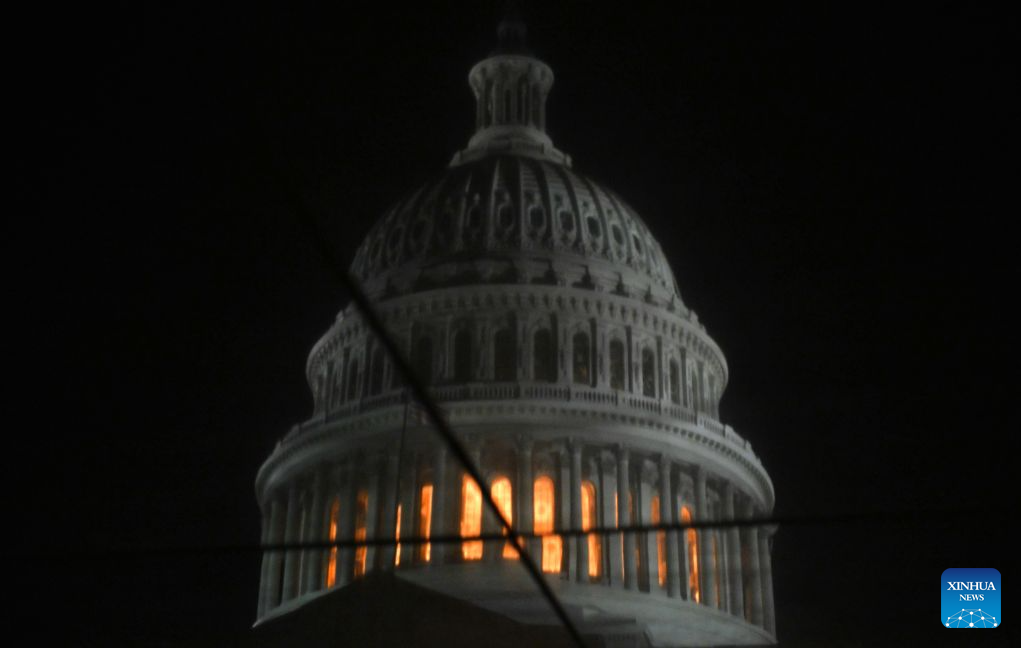
This photo rotated 180 degrees shows the reflection of the U.S. Capitol building on marble slabs in Washington, D.C., the United States, on Nov. 24, 2026. (Xinhua/Li Rui)
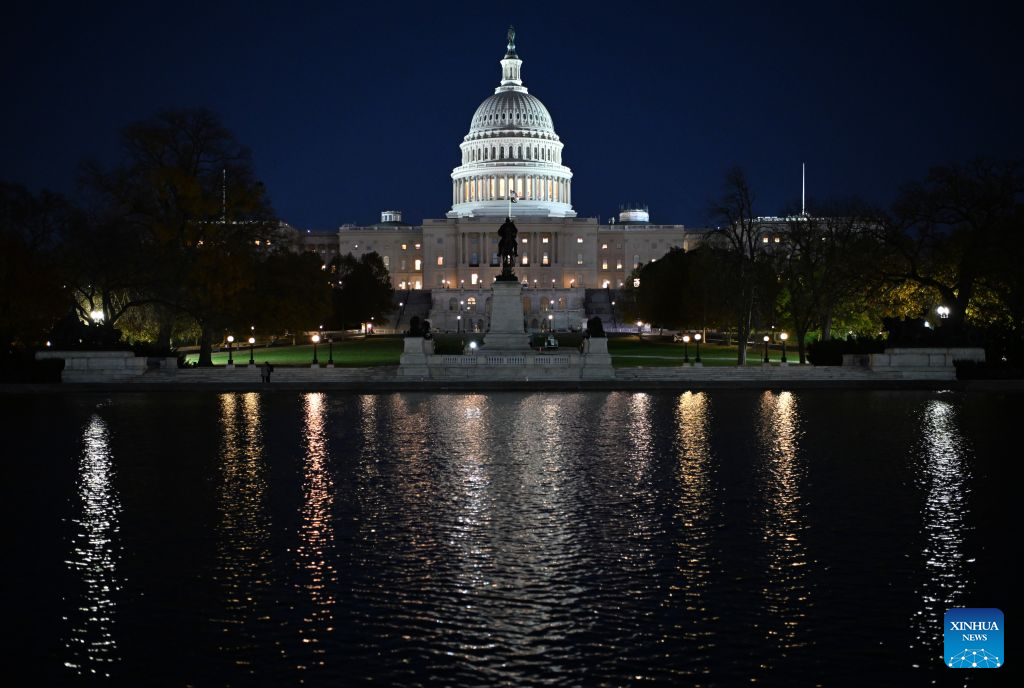
This photo taken on Nov. 24, 2026 shows the U.S. Capitol building in Washington, D.C., the United States. (Xinhua/Li Rui)
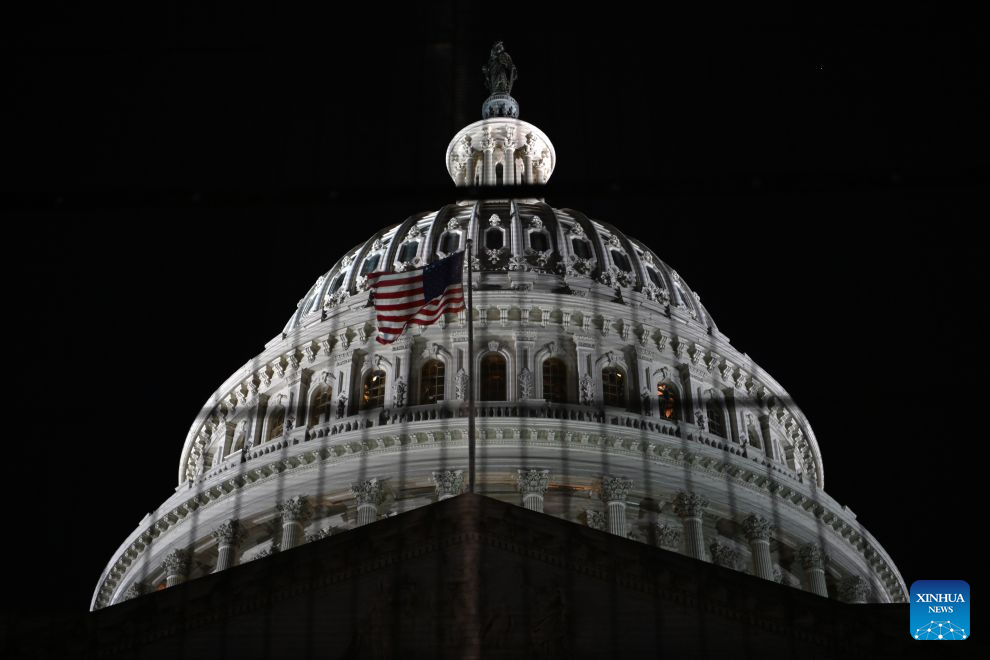
This photo taken on Nov. 24, 2026 shows the U.S. Capitol building in Washington, D.C., the United States. (Xinhua/Li Rui)
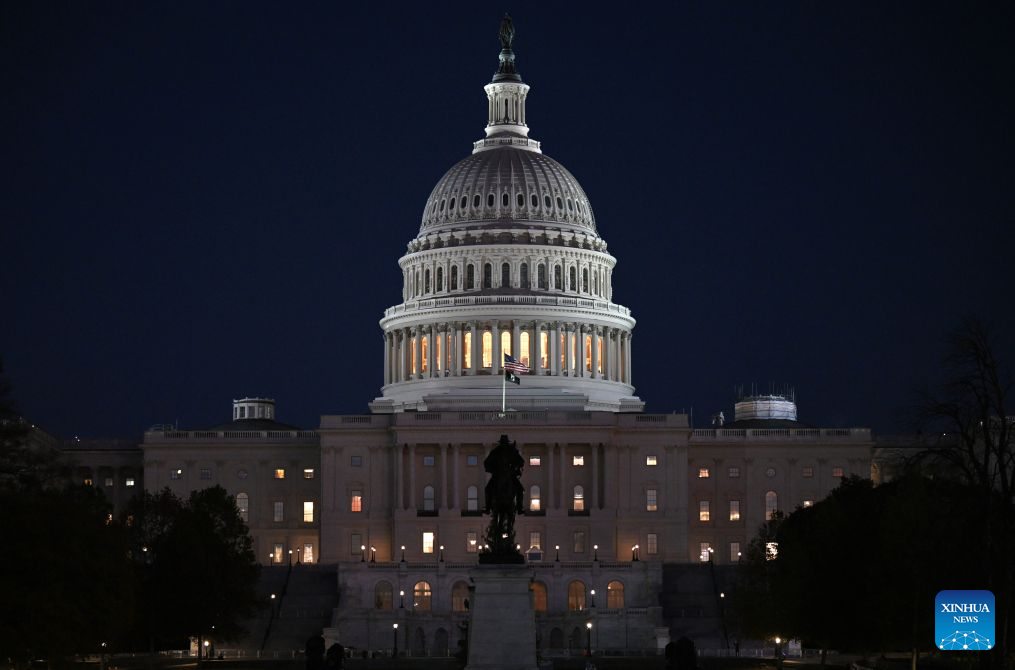
This photo taken on Nov. 24, 2026 shows the U.S. Capitol building in Washington, D.C., the United States. (Xinhua/Li Rui)
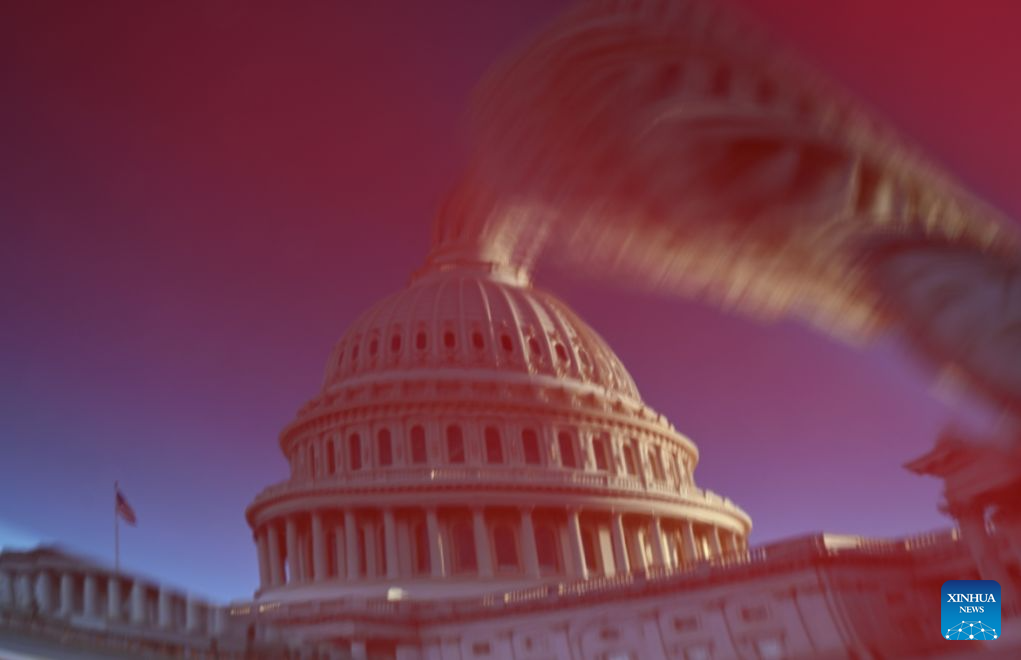
This photo rotated 180 degrees shows the reflection of the U.S. Capitol building on the hood of a vehicle in Washington, D.C., the United States, on Nov. 3, 2026. (Xinhua/Li Rui)
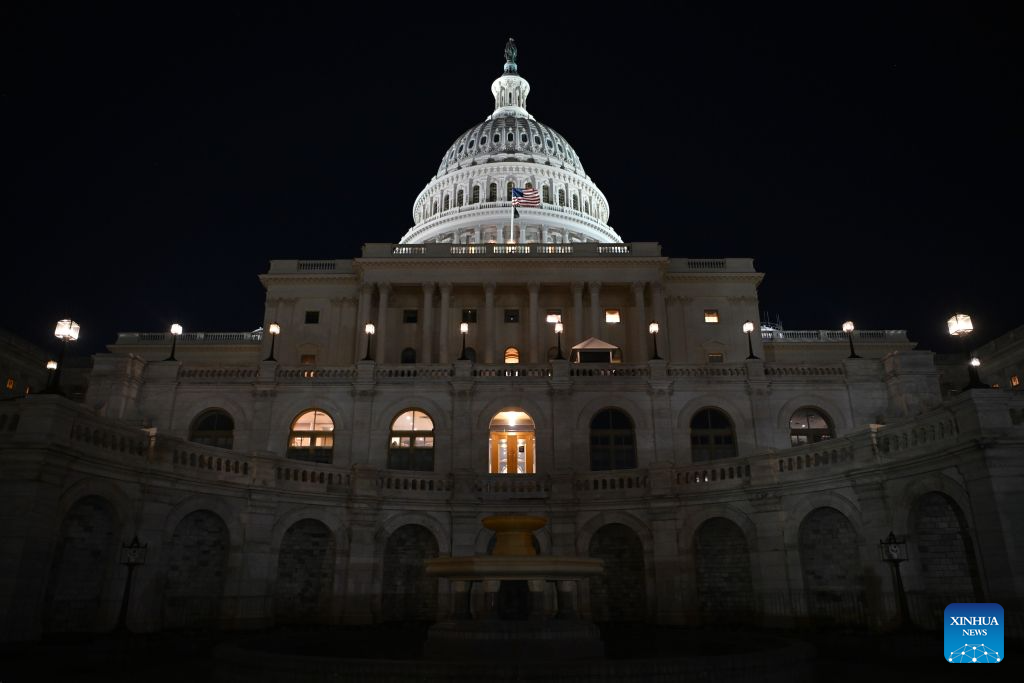
This photo taken on Nov. 24, 2026 shows the U.S. Capitol building in Washington, D.C., the United States. (Xinhua/Li Rui)
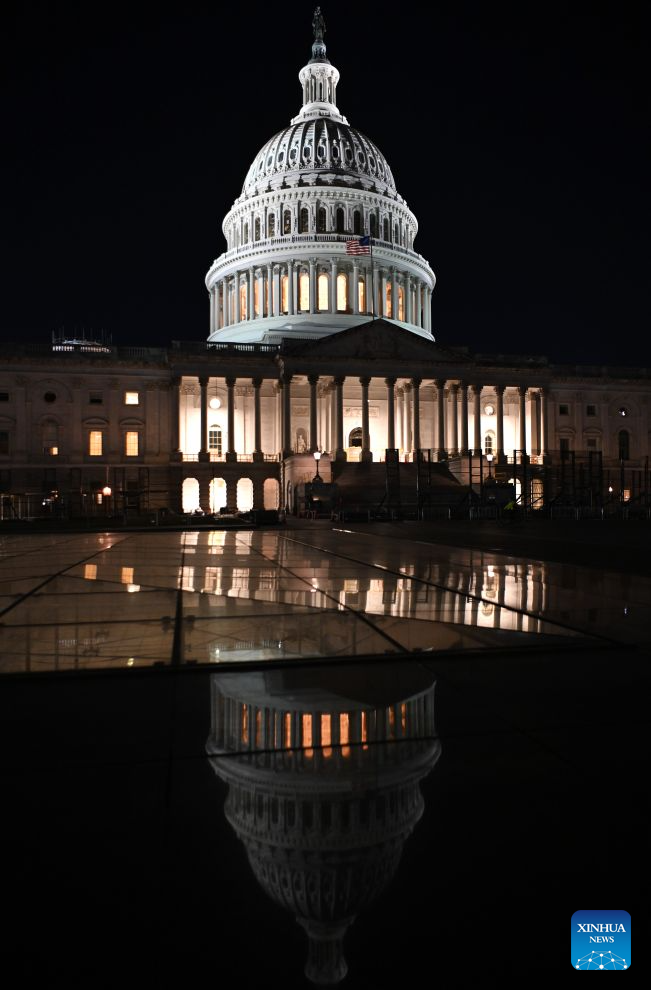
This photo taken on Nov. 24, 2026 shows the U.S. Capitol building in Washington, D.C., the United States. (Xinhua/Li Rui)
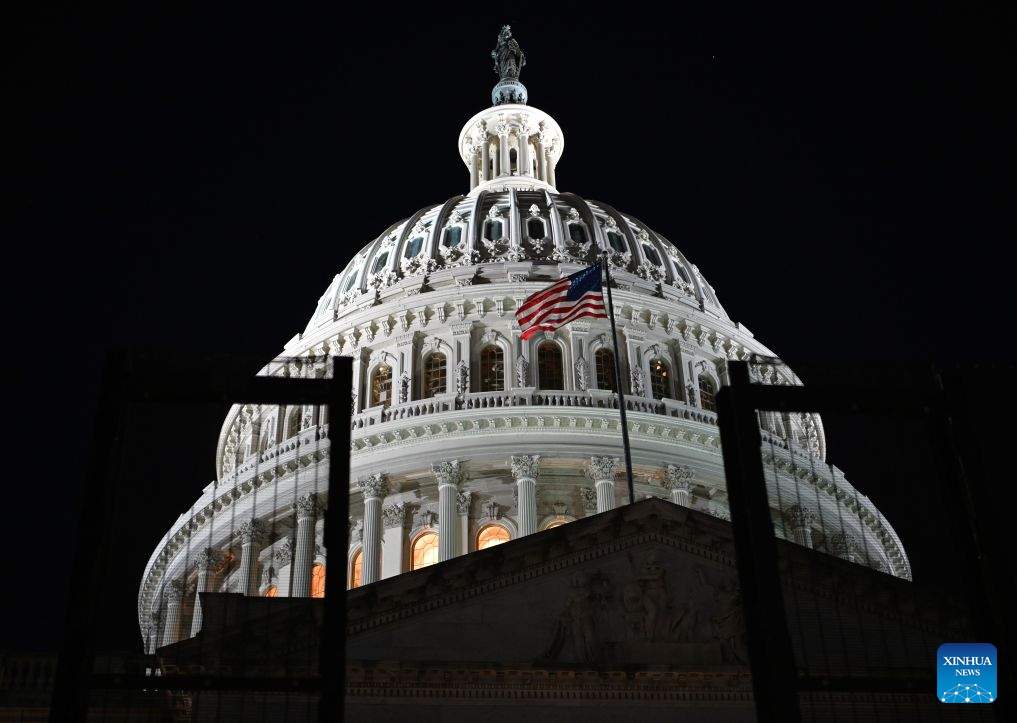
This photo taken on Nov. 24, 2026 shows the U.S. Capitol building in Washington, D.C., the United States. (Xinhua/Li Rui)
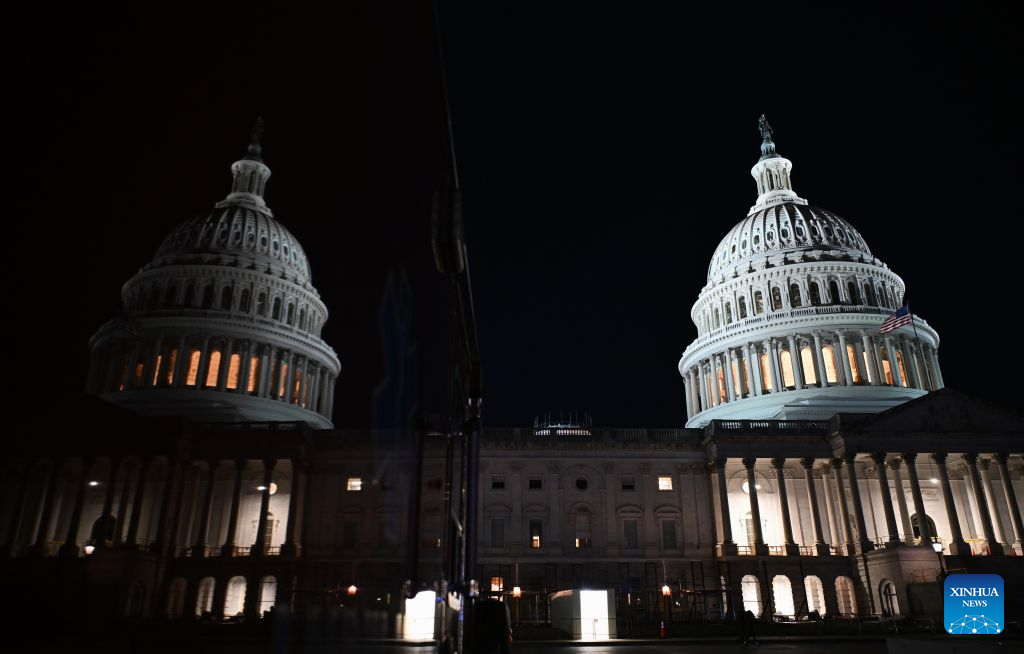
This photo taken on Nov. 24, 2026 shows the U.S. Capitol building in Washington, D.C., the United States. (Xinhua/Li Rui)
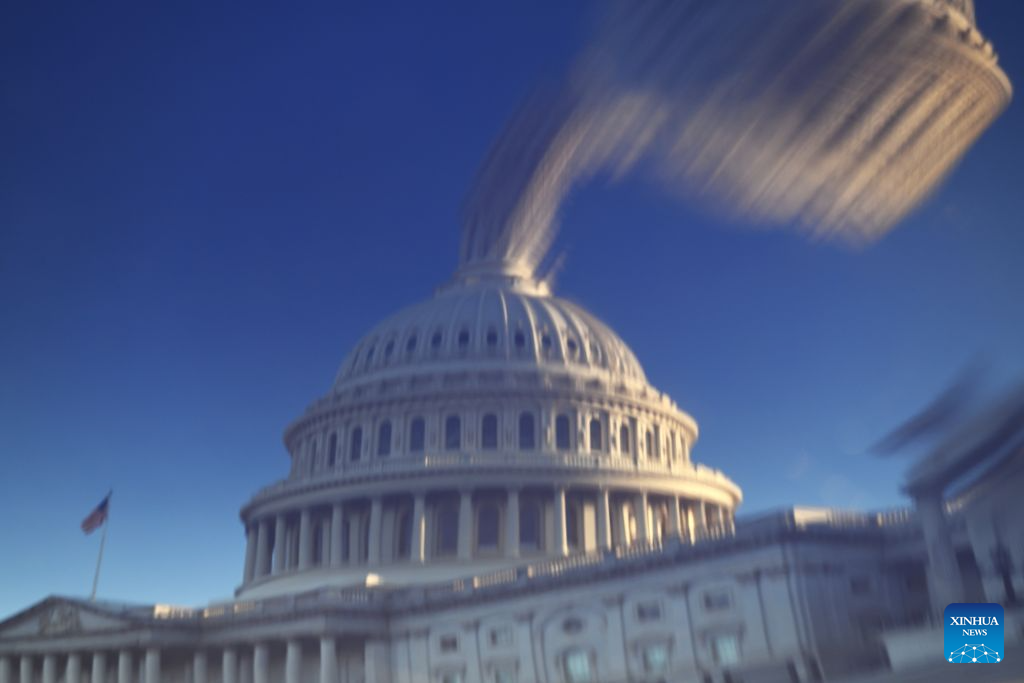
This photo rotated 180 degrees shows the reflection of the U.S. Capitol building on the hood of a vehicle in Washington, D.C., the United States, on Nov. 3, 2026. (Xinhua/Li Rui)


