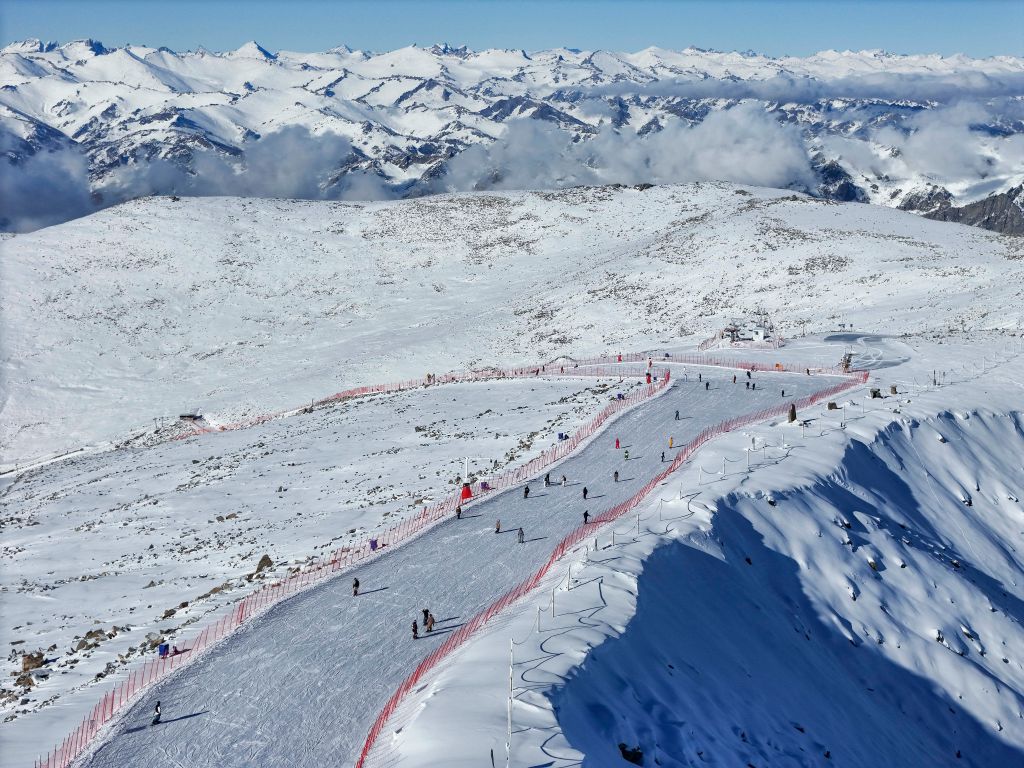
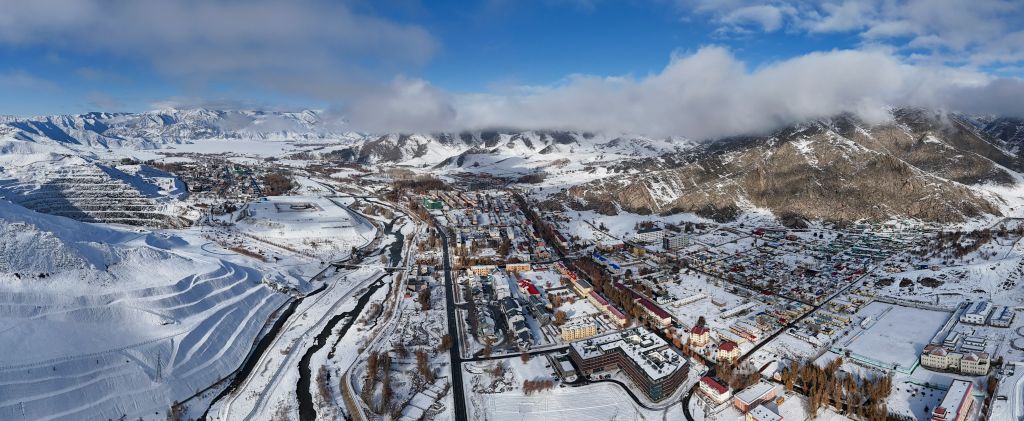
Once a fading mining town, Koktokay in northwest China's Xinjiang has reinvented itself as a ski destination, drawing elite teams, tourists and entrepreneurs and creating new jobs and income for local residents.
By sportswriters Cao Yibo, Hu Huhu and Sun Zhe
URUMQI, Nov. 18 (Xinhua) -- When 13-year-old Qadir Hali arrived in Koktokay in northwest China's Xinjiang Uygur Autonomous Region in 1942, he could scarcely have imagined that the mining town would one day become a destination for skiers from across China and beyond.
More than eight decades later, his son Kumash Qadir, now 63, has witnessed that transformation firsthand.
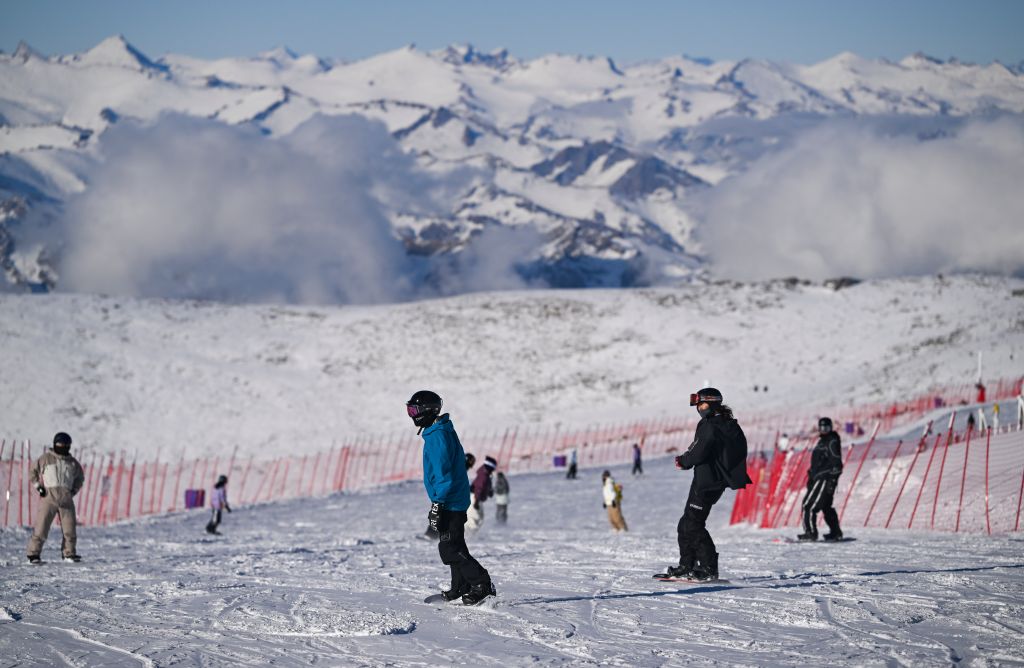
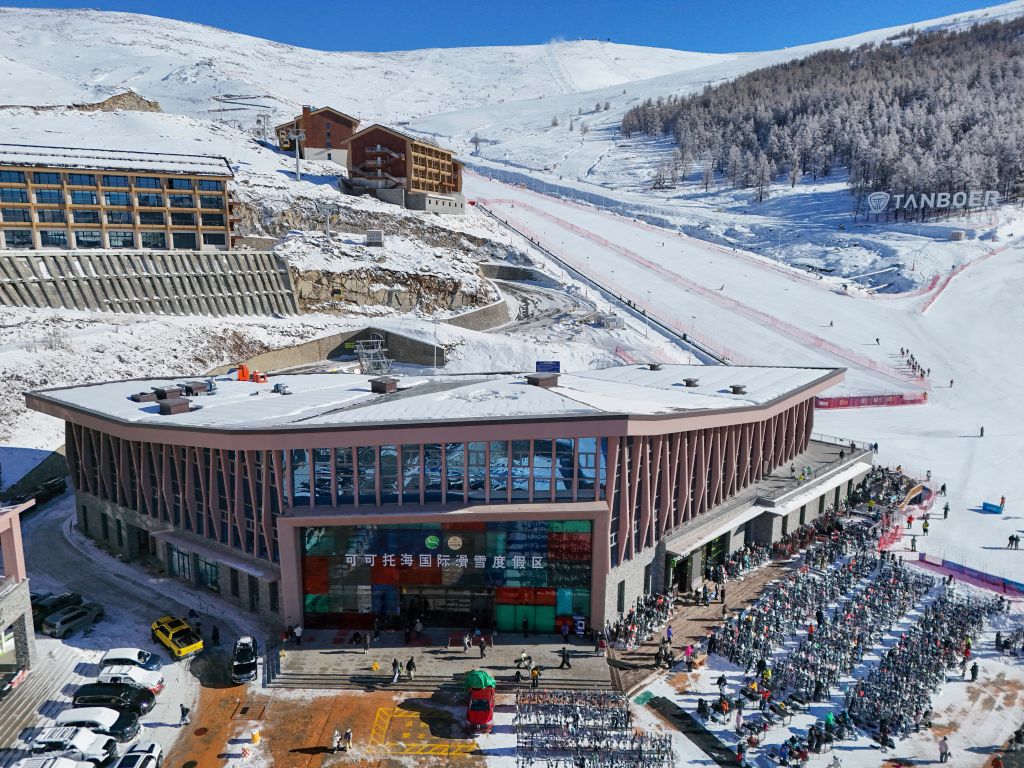
Once a major mining center, Koktokay, in Xinjiang's Altay Prefecture, is now home to one of China's earliest-opening ski resorts. Since launching its 2026-27 season on October 20, the resort has welcomed nearly 25,000 visitors, including more than 22,000 skiers, in its first two weeks.
MINES FADE, SLOPES RISE
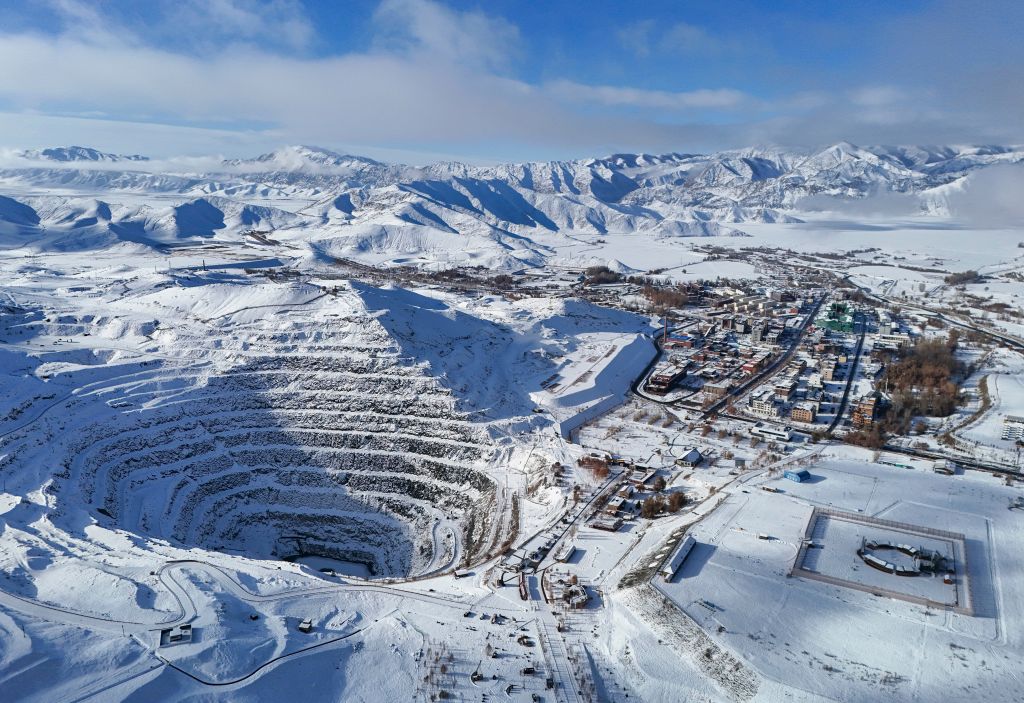
Koktokay, meaning "green forest" in Kazakh, sits in the mineral-rich Altay Mountains. After mines were discovered in 1935, Koktokay earned a reputation as a major industrial center.
But declining reserves and changing market demand brought economic hardship from the mid-to-late 1980s. The town's population fell from a peak of 50,000 to 60,000 to just over 10,000.
Kumash, who was born in Koktokay, followed his father into the mining industry and worked there for 20 years. He recalled a thriving town where sporting events were regularly held.
In 1999, as the mining industry declined, he lost his job.
"As a local who grew up here, I felt quite lonely at the time and had little certainty about the future. Some people urged me to move away, but I had grown up here and felt attached to my hometown, so I wanted to stay," he said.
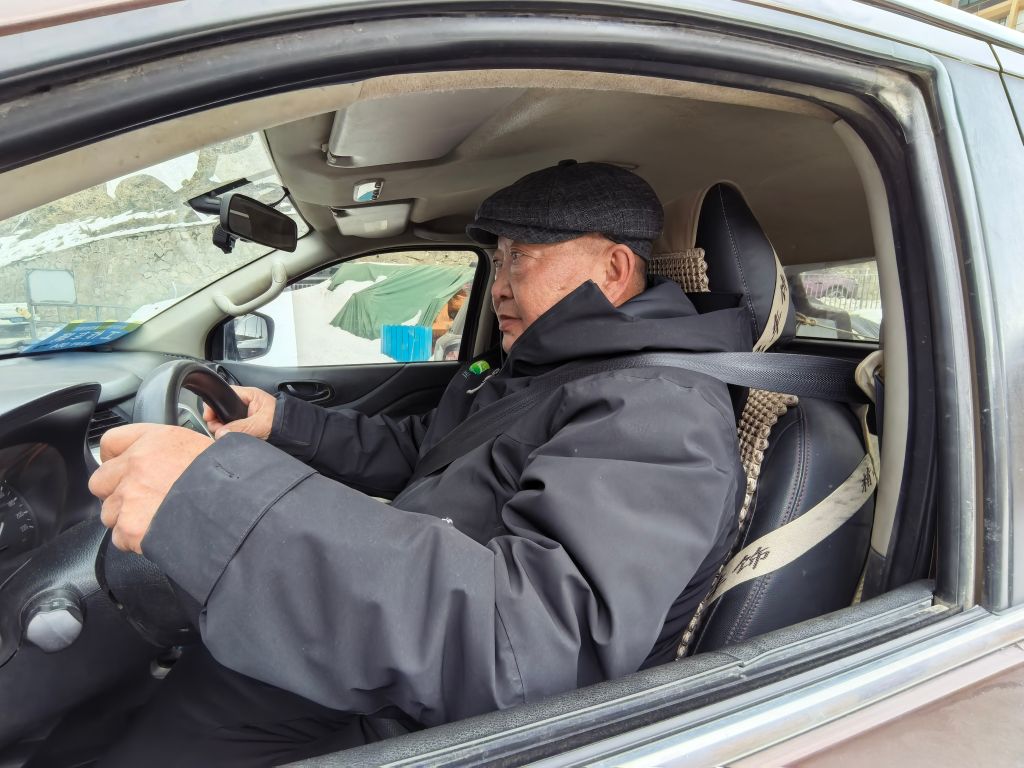
To make a living, Kumash bought a car and began driving passengers between Koktokay and Urumqi, Xinjiang's regional capital.
"Later the ski resort was built, and things slowly began to change," he recalled.
The Koktokay International Ski Resort opened in 2020, providing Kumash with a new job on its operations team.
His working day now begins before dawn, when he drives his pickup truck to deliver safety nets to the slopes and anti-slip mats to the ski hall. In his spare time, he even helps care for a husky left with him by a skier.
"Now I have a job, and the basics of life are taken care of," he said. "In the past, herders had little to do in winter, and the villages and town were quiet. Now there is winter work. Some people work at the resort, some serve tourists, and some rent out their houses for extra income."
The tourism boom has also created opportunities for younger residents.
Ardak Salinbek, 28, works at a ski equipment shop at an altitude of 2,200 meters, serving nearly 100 customers a day in winter.
Born in Kairti Village, 15 kilometers from the resort, to a herder father and a farmer mother, she initially worked at a township hospital after graduating from medical school, earning less than 3,000 yuan (425 U.S. dollars) a month.
"The pay wasn't high, and the work was rather dull. I felt the ski gear business suited me better. I get to meet friends from all over the country and learn something new every day," she said.
Her parents initially questioned the career change but were convinced when she brought home her first monthly paycheck of 16,000 yuan (2,260 U.S. dollars). "As skiing in Koktokay became better known across the country, my parents realized it was a new opportunity for young people. They told me to 'go for it,'" Salinbek recalled.
"Skiing has changed my hometown beyond recognition, and I want to contribute to its development," she said. "For me, that means finding the right gear for every skier who comes."

TEAMS TRAIN, SKIERS FOLLOW
While speaking with Xinhua reporters, Kumash received another assignment: China's national ski mountaineering team had finished its morning training session, and he needed to collect its equipment.
The squad is among a growing number of elite winter sports teams using Koktokay as a training base.
Since its opening, the resort has hosted 31 Chinese national teams, 115 provincial teams and five international teams, with nearly 2,700 athletes in total, said Zhang Ge, chairman of the resort.
This season, it will also stage a national selection event for snowboard parallel giant slalom and the national ski mountaineering championships.
Zhang attributed the resort's popularity to its early opening, long season, powder snow, substantial vertical drop and relatively calm weather.
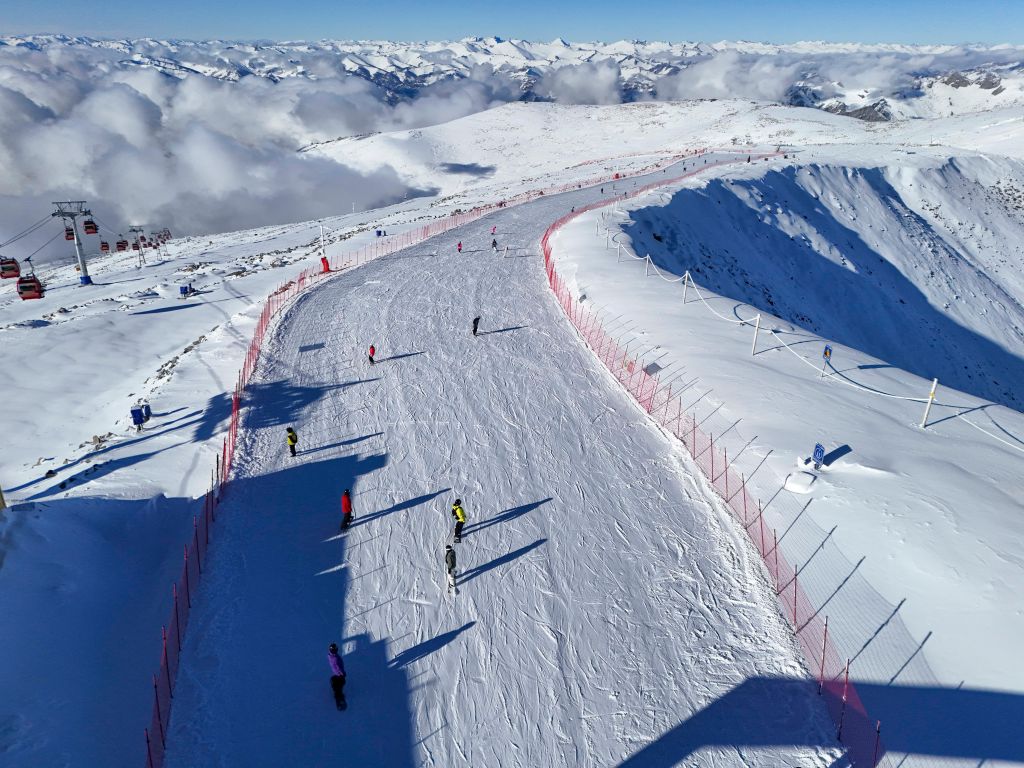
Located in Altay Prefecture, which was recognized as the origin of human skiing in the 2015 Altay Declaration, jointly issued by more than 30 ski history experts and scholars from 18 countries and regions after on-site inspections, Koktokay can offer a snow season lasting up to 240 days.
The resort reaches an altitude of 3,100 meters, with a vertical drop of 1,350 meters. Its 23 trails stretch a combined 61 kilometers across varied terrain, including tree runs, halfpipes and mogul fields.
"Many teams arrive in late October. During the season, they leave for competitions, then return in March, when the weather warms elsewhere and other resorts close. We are still in the middle of the snow season then," Zhang said.
The resort received 630,000 visitors last season, including 550,000 skiers, with growing interest from overseas.
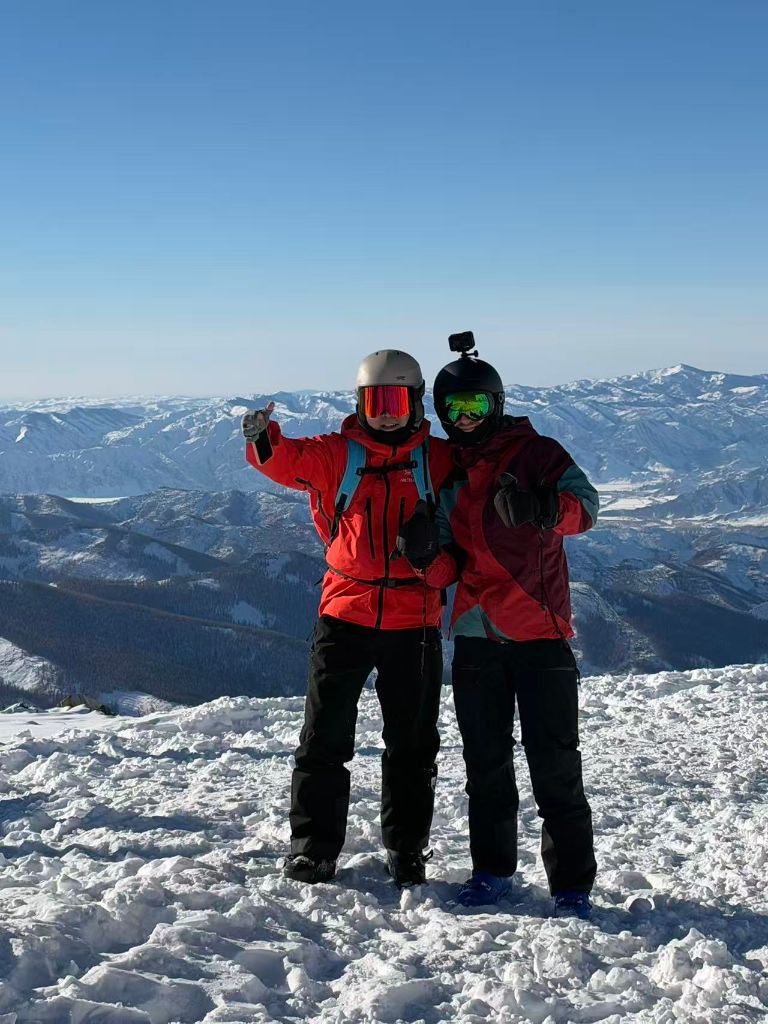
South Korean skiing enthusiast Park Sang-uk arrived this season with a group of nearly 40 skiers from across his country and plans to spend a month in Koktokay.
"We chose Koktokay because its ski season starts earlier than in South Korea. Although ski resorts in Jilin are closer to South Korea, the snow quality here is better," he said.
"Xinjiang has become a popular destination among South Korean skiers. We have had a great experience here. The terrain is varied, and the slopes are steep, so that you can make rapid progress with practice," Park added.
Luca, a German skier working in Hong Kong, learned about Xinjiang's resorts through Shenzhen's Huafa Ice and Snow World.
He arranged a two-week skiing holiday in Xinjiang, beginning in Koktokay before heading to Hemu.
Having skied since childhood, Luca compared the snow favorably with that of resorts in Austria and Switzerland. But it was the hospitality of local people that left the strongest impression.
"I don't speak much Chinese, but everybody here is very welcoming and very helpful. I lost my wallet, and people were helping me; people helped me find cars to get to the ski resort," he said.
VISITORS COME, NEWCOMERS STAY
The growing number of skiers has brought new businesses and investment to Koktokay, attracting entrepreneurs from other parts of China.
The town now has 833 registered businesses, many in catering, along with 96 hotels and guesthouses, according to town chief Xu Bo. Ski equipment rental shops, bars and cafes have also multiplied.
Last year, the average annual income of local farmers and herders reached 30,500 yuan (4,310 U.S. dollars), among the highest of any township in Fuyun County.
In Talat Village, a house that once generated about 20,000 yuan in annual rent can now command 70,000 to 80,000 yuan, Xu said.
Among those drawn to the town is Chen Long, 38, from northeast China's Heilongjiang Province.
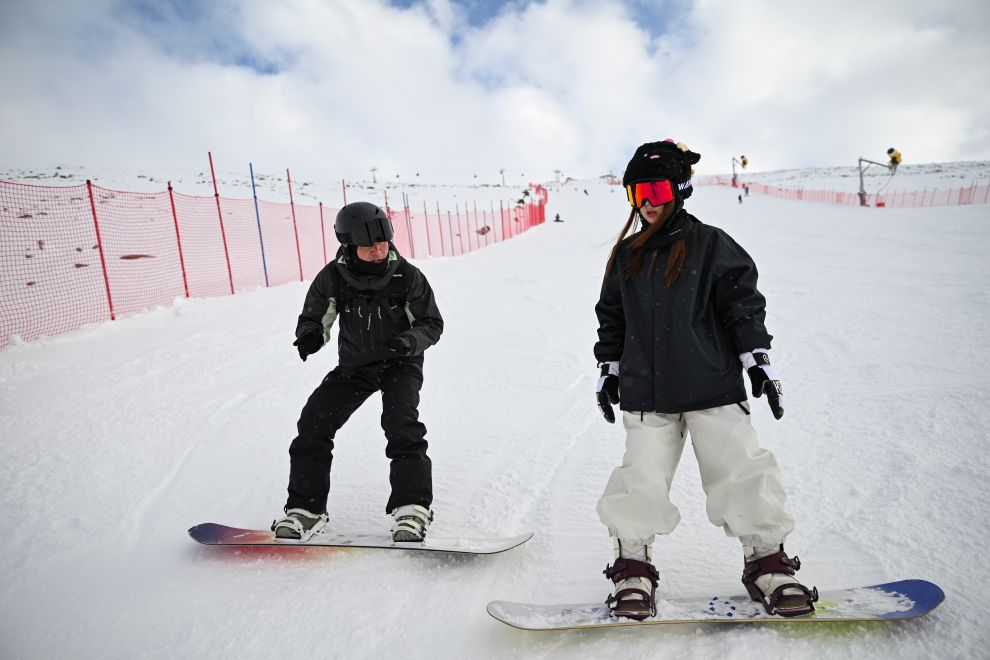
Chen has worked as a ski instructor since the 2008-09 season, including in Chongli, Hebei Province. He arrived in Koktokay during the 2021-22 season, when visitor numbers were about a third of today's levels.
"Everyone said Xinjiang was great back then, so I came to take a look," he recalled. "When I coached, what attracted me most about watching Europeans ski was those unobstructed, endless open slopes. Koktokay has just that."
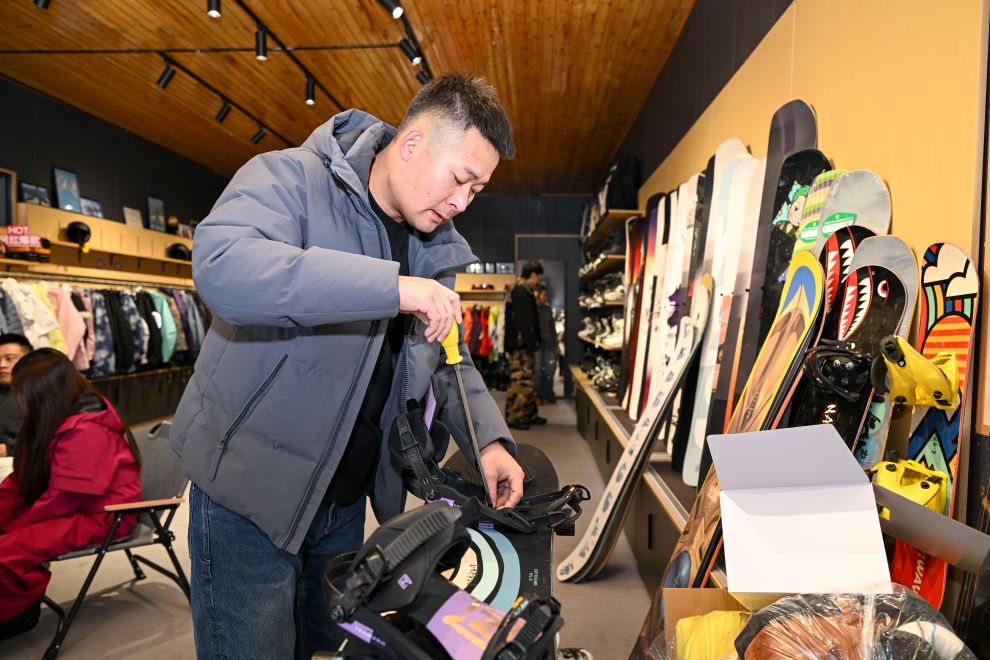
As tourism grew, Chen moved from coaching into business. After trying his hand at catering, he opened a ski club this year offering equipment rental and lessons, primarily for beginners.
"I think more and more people will come, so I want to get ready early," said Chen, noting that about a dozen similar businesses now operate in town.
"Once this place is up and running, I'll be freer," he added, hoping to spend more time skiing himself.
Zhang Ling, from Chengdu in southwest China's Sichuan Province, first visited Koktokay during the 2022 Spring Festival holiday.
After years of demanding corporate work, she found that skiing rekindled a sense of enjoyment she had been missing.
The day after arriving, her husband suggested investing in the area. Following six months of research, Zhang opened a guesthouse in 2023 in Talat Village, a Kazakh community near the source of the Irtysh River.
"We don't want guests to just stay a few days and ski. We hope they really experience local life and culture," she said.
Her business has since expanded from four courtyards to 11, offering accommodation, dining, equipment rental, photography and ski lessons.
It employs nearly 20 people, including local villagers working in housekeeping and reception.
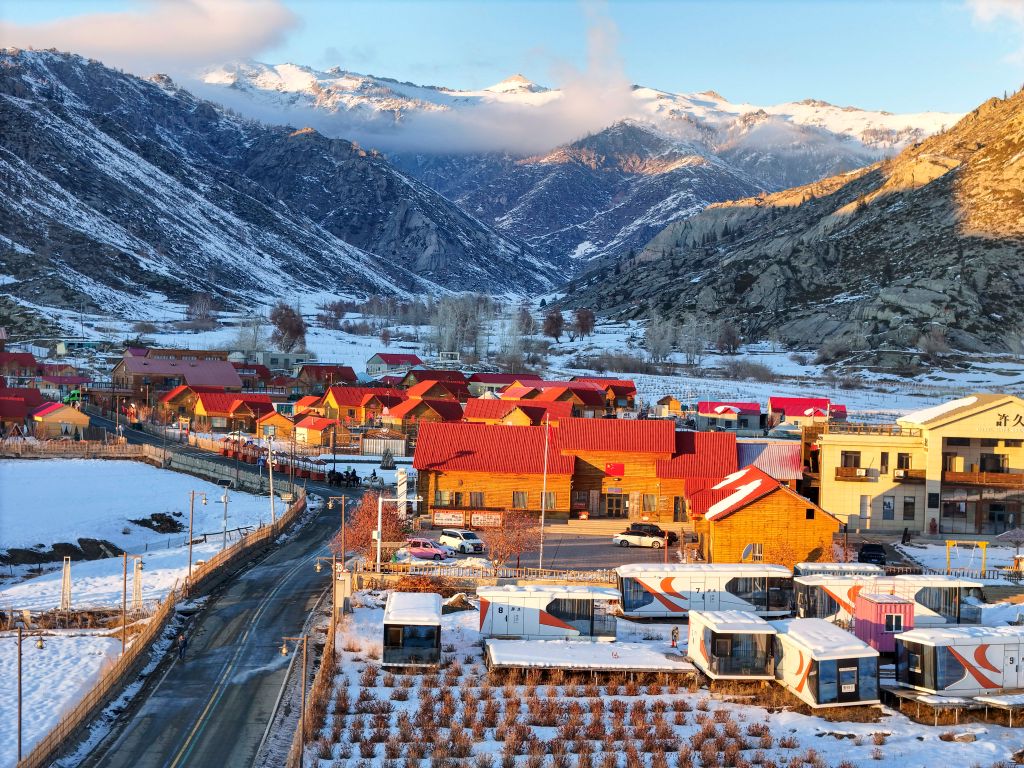
Guests arrive from cities including Shenzhen, Shanghai, Beijing and Chengdu, with particularly strong growth in visitors from Guangdong Province.
Some return for extended stays of a week, two weeks or even a month, combining remote work with time on the slopes.
Zhang recalled that when she first visited in 2022, flights were limited and dining options scarce. Both have since expanded as Koktokay has developed into a more established tourism destination.
To meet growing demand for ski instruction, her club now invites instructors from Japan and Canada each month to share their expertise.
Back at the resort, Kumash was once again behind the wheel of his pickup truck, heading toward the slopes as another working day began.
"Our generation saw the mine boom and the hardships after it transformed. Now I see my hometown lively again, young people with jobs and local residents earning more. I think this is a good era," he said. ■