
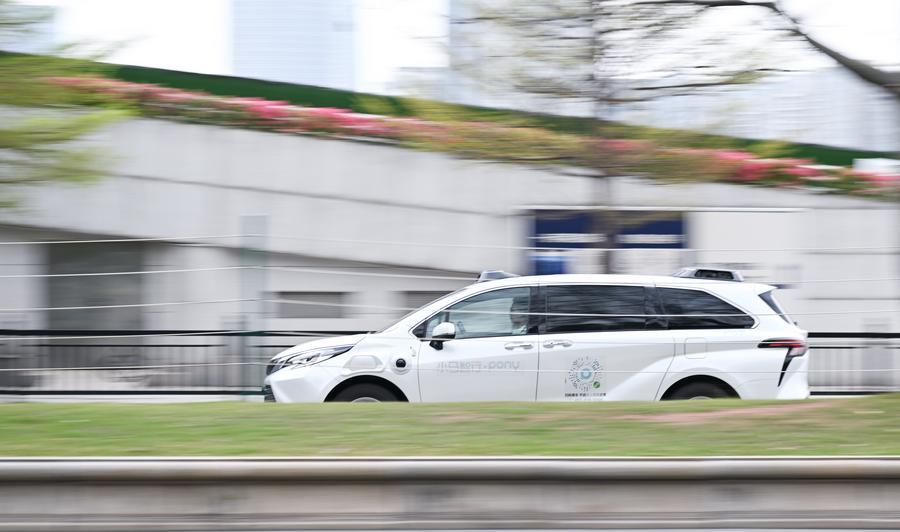
SINGAPORE, Nov. 17 (Xinhua) -- China's regulatory environment, maturing autonomous vehicle (AV) industry and growing public acceptance create favorable conditions for foreign transport operators to test AV services and develop the expertise needed to deploy the technology in other markets, ComfortDelGro Group Chief Executive Officer Cheng Siak Kian told Xinhua in a recent interview.
With operations in 13 countries, Singapore-based ComfortDelGro provides public transport, point-to-point transport and business-to-business mobility services. The group is establishing a regional autonomous mobility headquarters in Shenzhen, China.
China's regulatory framework for AVs was a key factor behind the decision to establish the headquarters in Shenzhen, Cheng said.
"In many ways, the regulatory environment in China for AV is well advanced of that in many countries," he said, adding that it "allows development to push ahead."
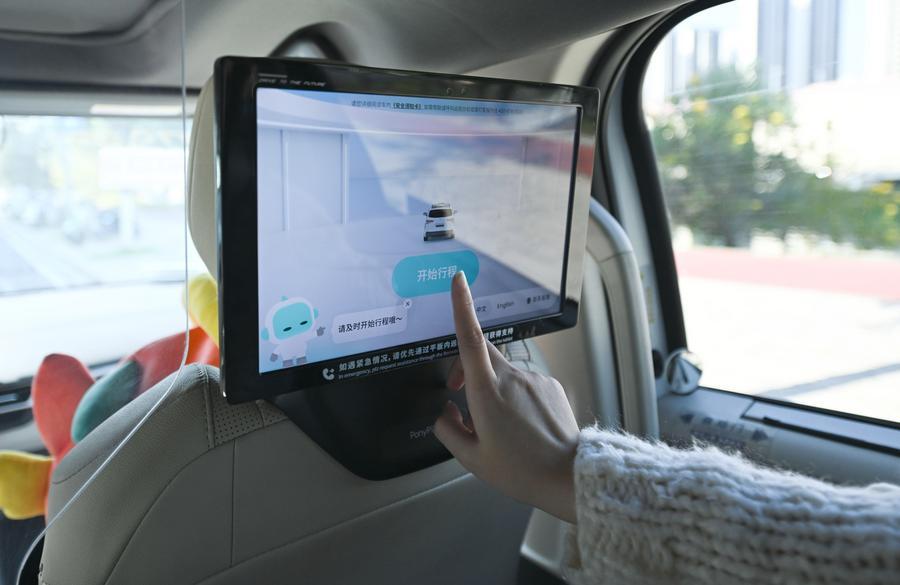
He also cited China's advanced technology base and increasingly mature AV ecosystem. The country has a broad range of companies involved in autonomous driving, from manufacturers and technology developers to systems and communications suppliers, he said.
For ComfortDelGro, which is relatively new to the AV business, working in China provides a way to understand how the industry is structured and what it takes to develop an ecosystem around the technology, Cheng said.
Shenzhen's rapid technological development is another draw, he said. ComfortDelGro hopes to adopt some of the technologies developed there and deploy them in other markets where it operates, including Singapore and eventually London or Australia.
"We can leverage the experience that we have gained in China," he said.
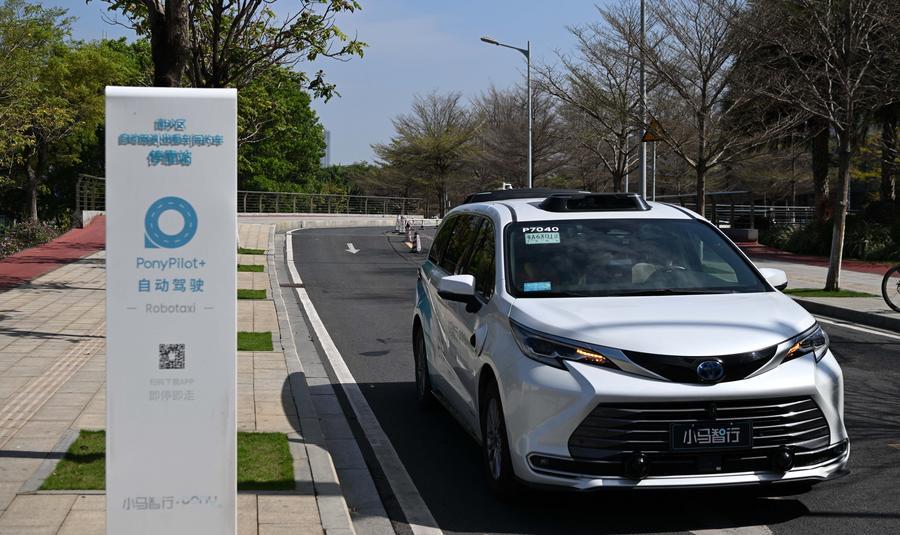
Public acceptance of AVs has also impressed Cheng. During visits to Shanghai, Guangzhou and Beijing, he said he saw people using AVs in designated test zones, where large numbers of robotaxis were operating.
"The interaction shows us that it has matured to the level where people are able to use it as a good product to be part of your life," he said.
For transport operators, he said, such markets provide a chance to assess whether AV services meet passengers' needs, beyond testing the underlying technology.
"We're able to test ultimately: how do you develop a product that's going to be useful to passengers? Not just from a technology perspective, but also from a way-of-life and future-mobility perspective," he said.■