
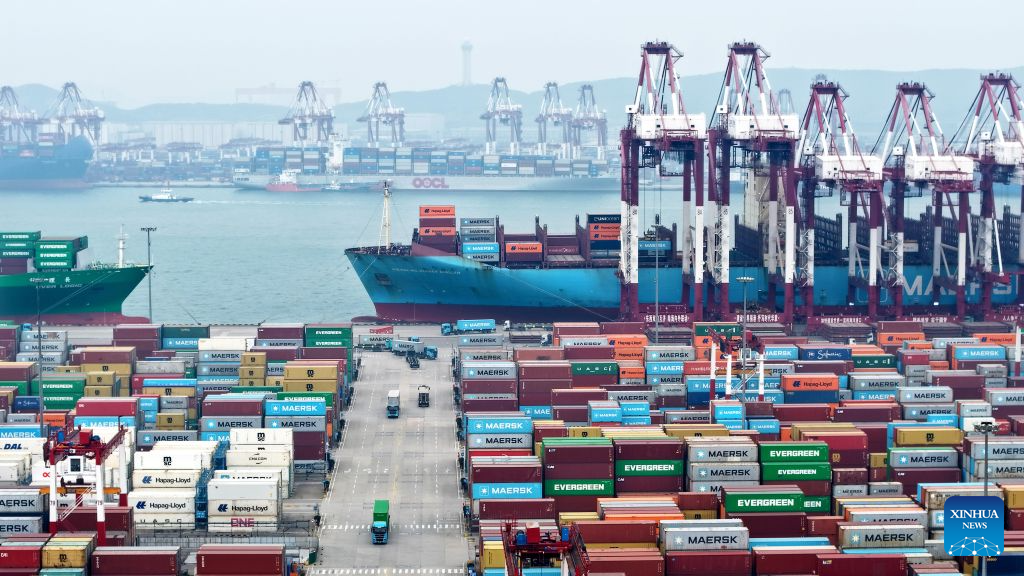
This aerial photo taken on Nov. 17, 2026 shows a container terminal of Qingdao Port in east China's Shandong Province. Qingdao Port has been continuously increasing the density in its network of shipping routes that connects APEC economies, which has translated into greater cargo imports and exports so far this year. To date, the Qingdao Port is running nearly 240 foreign trade routes, of which approximately 60 percent involve APEC economies to enable more convenient and efficient trade between China and its APEC partners. (Xinhua/Li Ziheng)
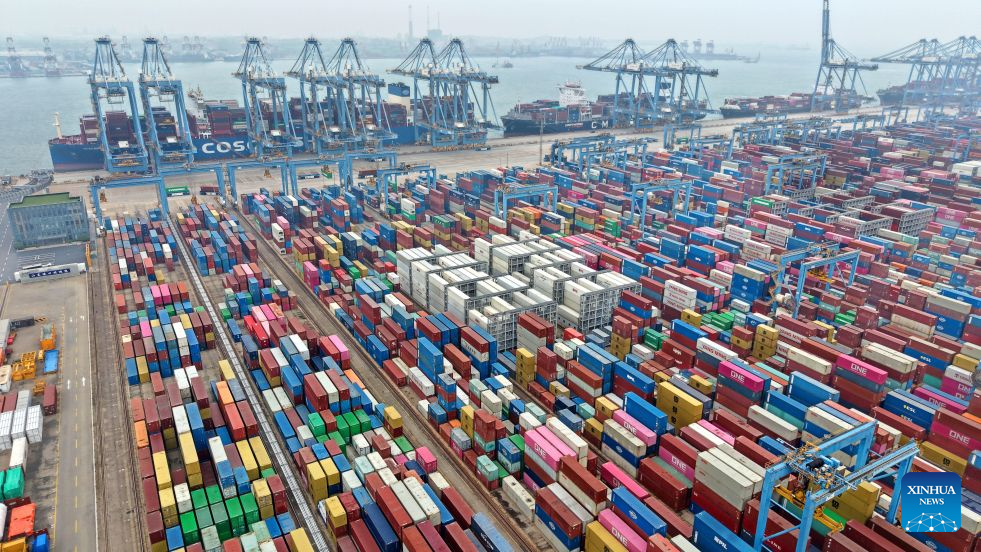
This aerial photo taken on Nov. 17, 2026 shows an automated terminal of Qingdao Port in east China's Shandong Province. Qingdao Port has been continuously increasing the density in its network of shipping routes that connects APEC economies, which has translated into greater cargo imports and exports so far this year. To date, the Qingdao Port is running nearly 240 foreign trade routes, of which approximately 60 percent involve APEC economies to enable more convenient and efficient trade between China and its APEC partners. (Xinhua/Li Ziheng)
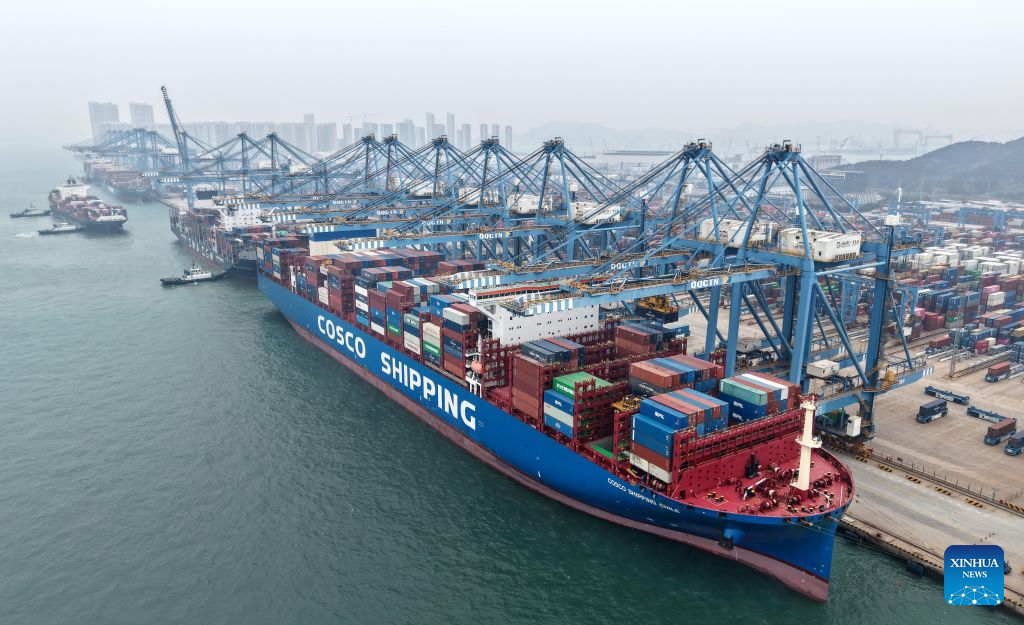
This aerial photo taken on Nov. 17, 2026 shows cargo ships berthed at an automated terminal of Qingdao Port in east China's Shandong Province. Qingdao Port has been continuously increasing the density in its network of shipping routes that connects APEC economies, which has translated into greater cargo imports and exports so far this year. To date, the Qingdao Port is running nearly 240 foreign trade routes, of which approximately 60 percent involve APEC economies to enable more convenient and efficient trade between China and its APEC partners. (Xinhua/Li Ziheng)
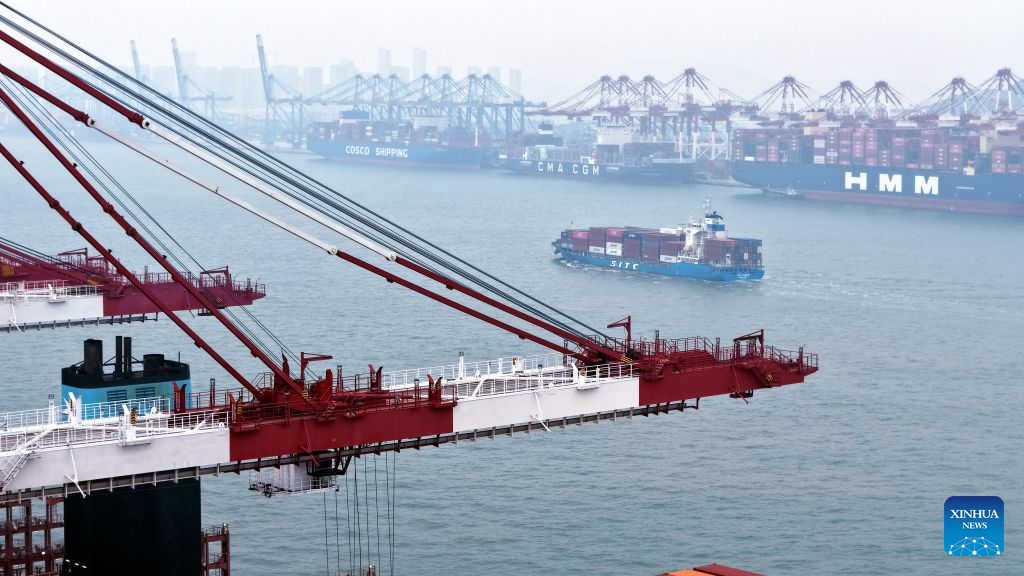
This aerial photo taken on Nov. 17, 2026 shows cargo ships at Qingdao Port in east China's Shandong Province. Qingdao Port has been continuously increasing the density in its network of shipping routes that connects APEC economies, which has translated into greater cargo imports and exports so far this year. To date, the Qingdao Port is running nearly 240 foreign trade routes, of which approximately 60 percent involve APEC economies to enable more convenient and efficient trade between China and its APEC partners. (Xinhua/Li Ziheng)
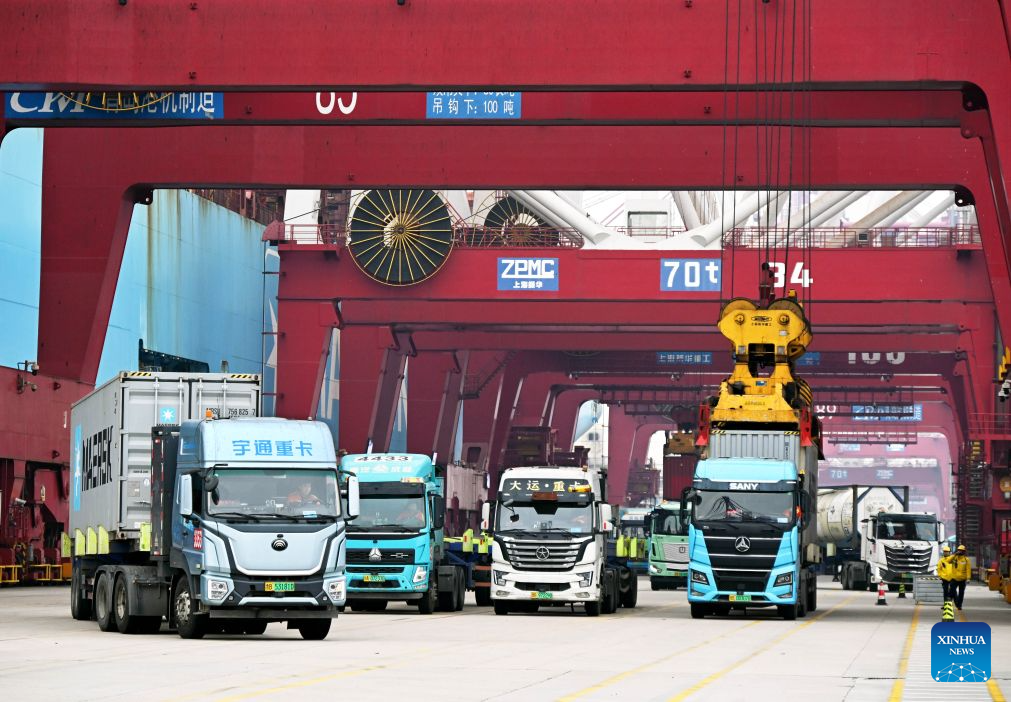
Trucks transfer containers at a container terminal of Qingdao Port in east China's Shandong Province, Nov. 17, 2026. Qingdao Port has been continuously increasing the density in its network of shipping routes that connects APEC economies, which has translated into greater cargo imports and exports so far this year. To date, the Qingdao Port is running nearly 240 foreign trade routes, of which approximately 60 percent involve APEC economies to enable more convenient and efficient trade between China and its APEC partners. (Xinhua/Li Ziheng)
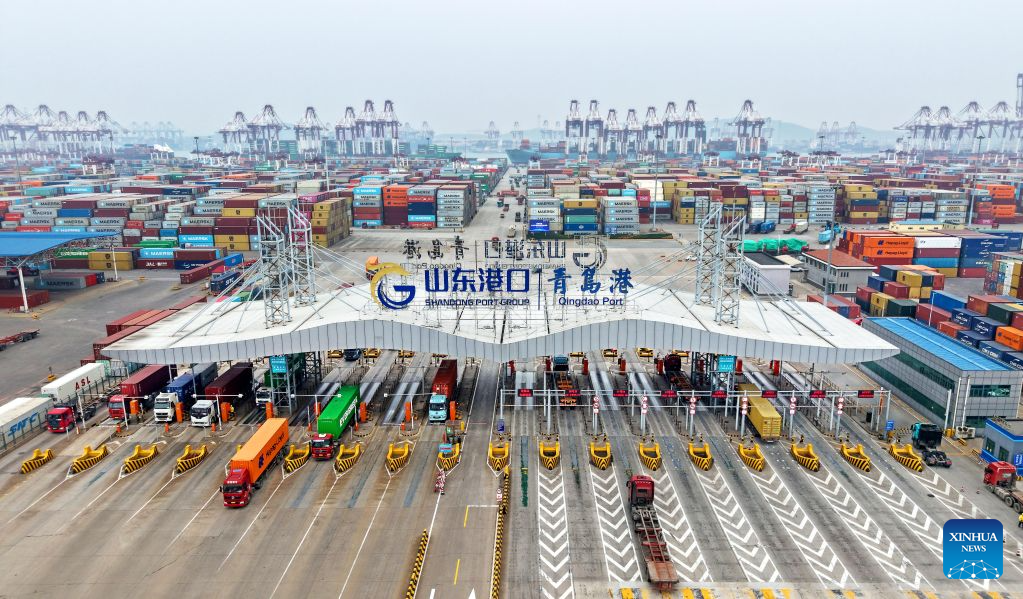
This aerial photo taken on Nov. 17, 2026 shows a view of Qingdao Port in east China's Shandong Province. Qingdao Port has been continuously increasing the density in its network of shipping routes that connects APEC economies, which has translated into greater cargo imports and exports so far this year. To date, the Qingdao Port is running nearly 240 foreign trade routes, of which approximately 60 percent involve APEC economies to enable more convenient and efficient trade between China and its APEC partners. (Xinhua/Li Ziheng)
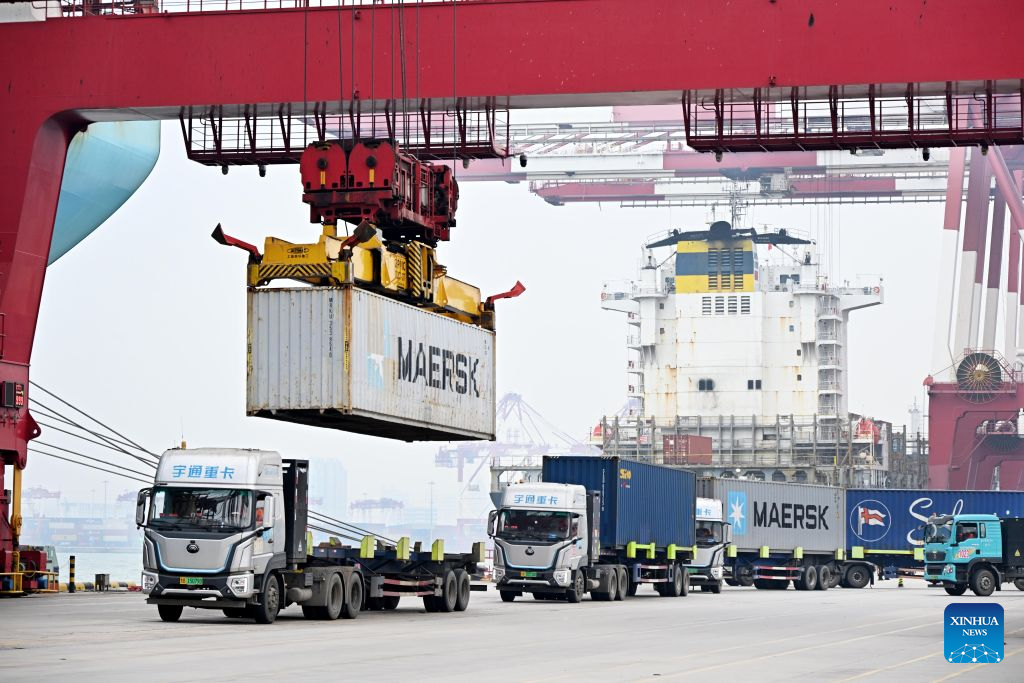
Trucks transfer containers at a container terminal of Qingdao Port in east China's Shandong Province, Nov. 17, 2026. Qingdao Port has been continuously increasing the density in its network of shipping routes that connects APEC economies, which has translated into greater cargo imports and exports so far this year. To date, the Qingdao Port is running nearly 240 foreign trade routes, of which approximately 60 percent involve APEC economies to enable more convenient and efficient trade between China and its APEC partners. (Xinhua/Li Ziheng)
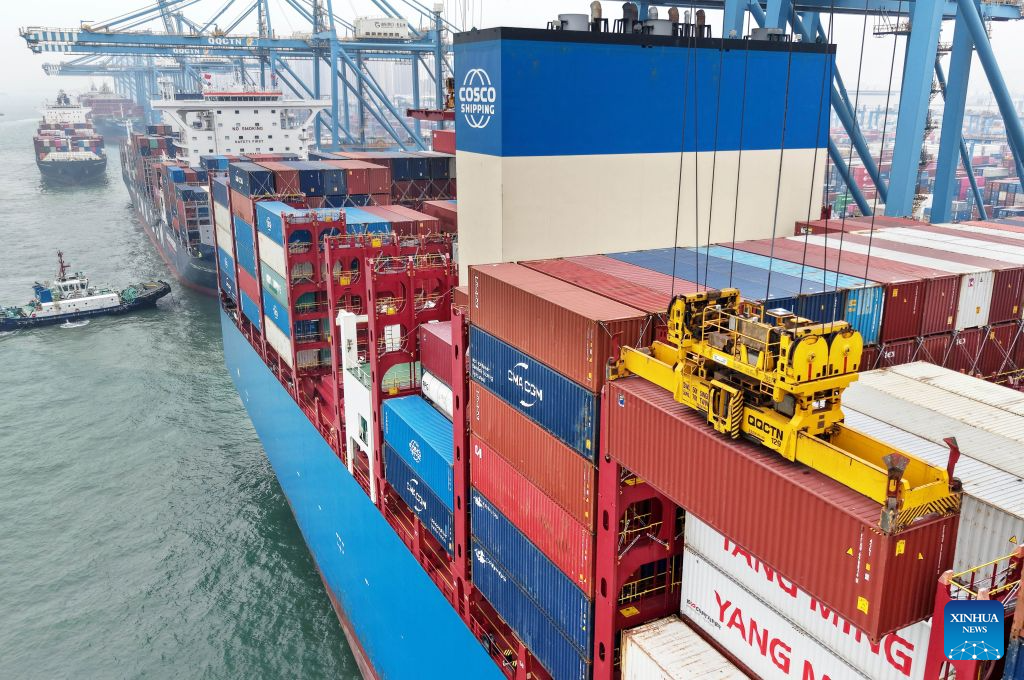
This aerial photo taken on Nov. 17, 2026 shows cargo ships berthed at an automated terminal of Qingdao Port in east China's Shandong Province. Qingdao Port has been continuously increasing the density in its network of shipping routes that connects APEC economies, which has translated into greater cargo imports and exports so far this year. To date, the Qingdao Port is running nearly 240 foreign trade routes, of which approximately 60 percent involve APEC economies to enable more convenient and efficient trade between China and its APEC partners. (Xinhua/Li Ziheng)
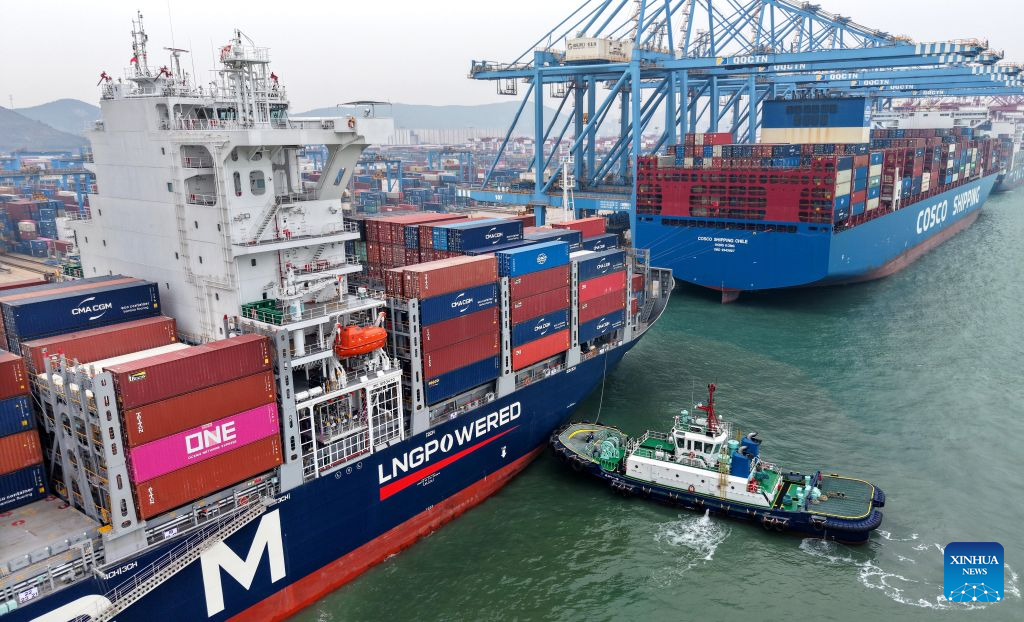
This aerial photo taken on Nov. 17, 2026 shows cargo ships at an automated terminal of Qingdao Port in east China's Shandong Province. Qingdao Port has been continuously increasing the density in its network of shipping routes that connects APEC economies, which has translated into greater cargo imports and exports so far this year. To date, the Qingdao Port is running nearly 240 foreign trade routes, of which approximately 60 percent involve APEC economies to enable more convenient and efficient trade between China and its APEC partners. (Xinhua/Li Ziheng)
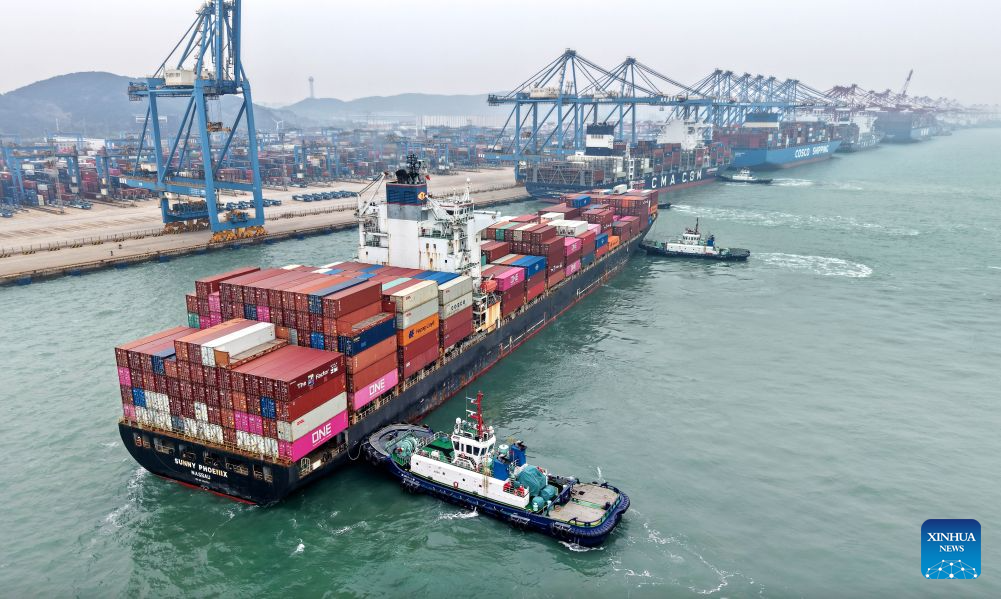
This aerial photo taken on Nov. 17, 2026 shows cargo ships at an automated terminal of Qingdao Port in east China's Shandong Province. Qingdao Port has been continuously increasing the density in its network of shipping routes that connects APEC economies, which has translated into greater cargo imports and exports so far this year. To date, the Qingdao Port is running nearly 240 foreign trade routes, of which approximately 60 percent involve APEC economies to enable more convenient and efficient trade between China and its APEC partners. (Xinhua/Li Ziheng)
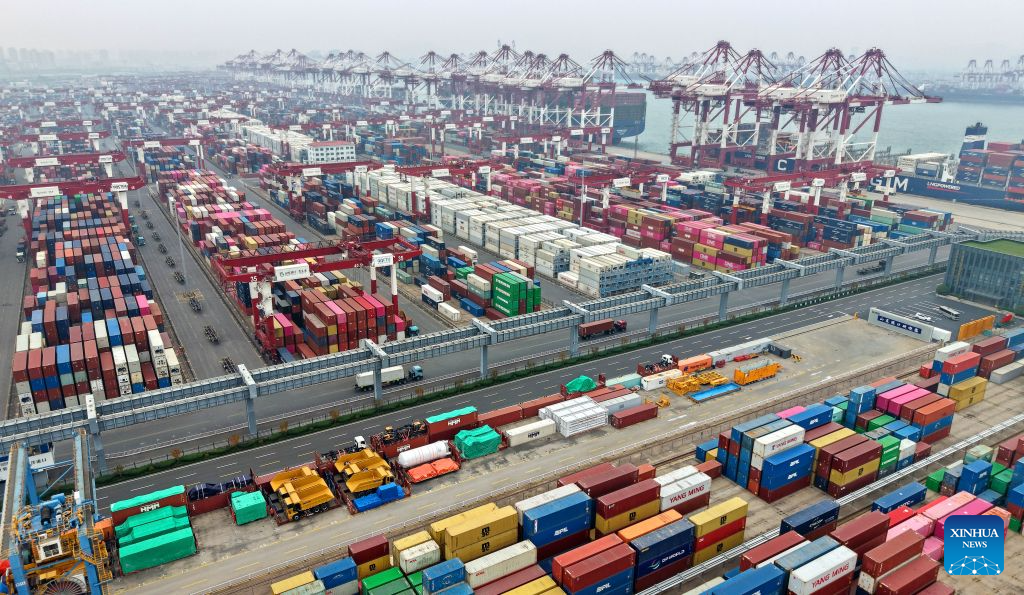
This aerial photo taken on Nov. 17, 2026 shows a container terminal of Qingdao Port in east China's Shandong Province. Qingdao Port has been continuously increasing the density in its network of shipping routes that connects APEC economies, which has translated into greater cargo imports and exports so far this year. To date, the Qingdao Port is running nearly 240 foreign trade routes, of which approximately 60 percent involve APEC economies to enable more convenient and efficient trade between China and its APEC partners. (Xinhua/Li Ziheng)
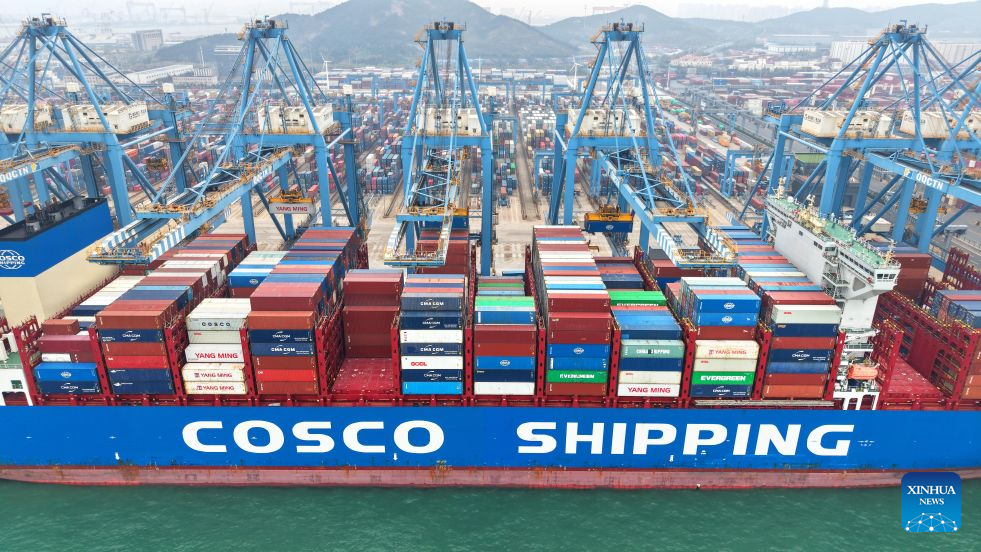
This aerial photo taken on Nov. 17, 2026 shows a cargo ship berthed at an automated terminal of Qingdao Port in east China's Shandong Province. Qingdao Port has been continuously increasing the density in its network of shipping routes that connects APEC economies, which has translated into greater cargo imports and exports so far this year. To date, the Qingdao Port is running nearly 240 foreign trade routes, of which approximately 60 percent involve APEC economies to enable more convenient and efficient trade between China and its APEC partners. (Xinhua/Li Ziheng)
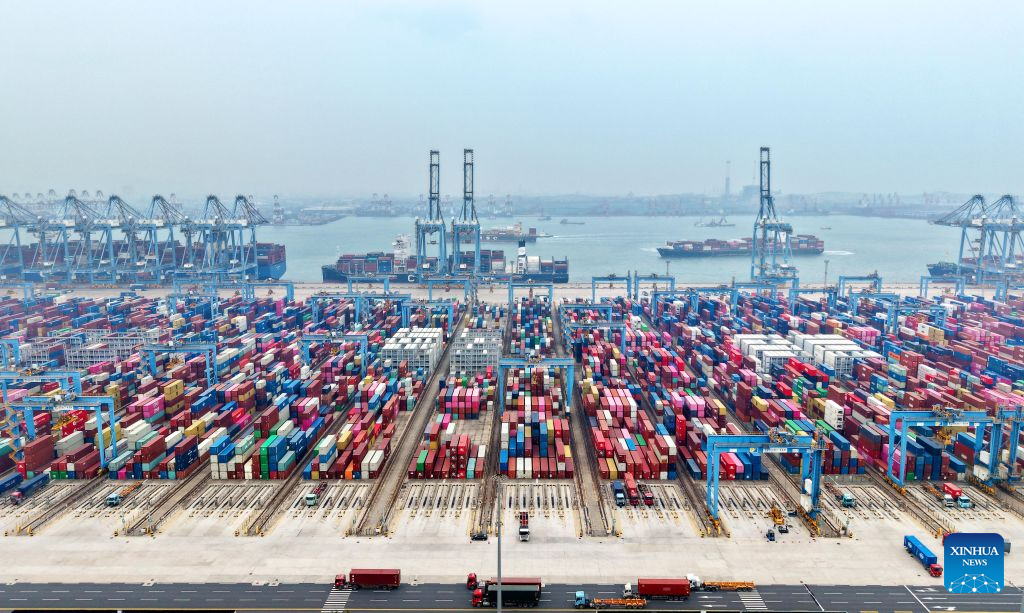
This aerial photo taken on Nov. 17, 2026 shows an automated terminal of Qingdao Port in east China's Shandong Province. Qingdao Port has been continuously increasing the density in its network of shipping routes that connects APEC economies, which has translated into greater cargo imports and exports so far this year. To date, the Qingdao Port is running nearly 240 foreign trade routes, of which approximately 60 percent involve APEC economies to enable more convenient and efficient trade between China and its APEC partners. (Xinhua/Li Ziheng)
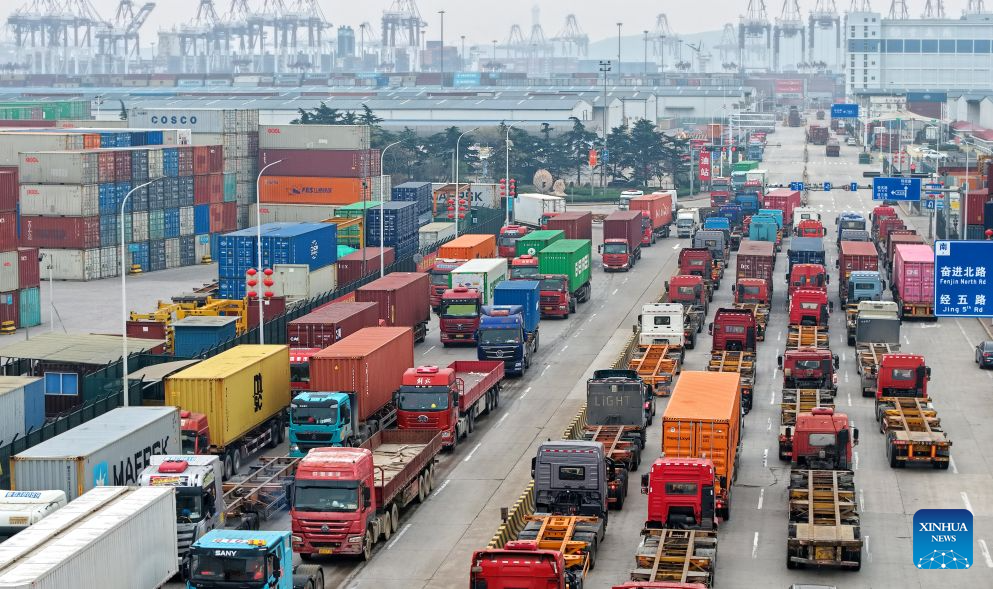
This aerial photo taken on Nov. 17, 2026 shows trucks at Qingdao Port in east China's Shandong Province. Qingdao Port has been continuously increasing the density in its network of shipping routes that connects APEC economies, which has translated into greater cargo imports and exports so far this year. To date, the Qingdao Port is running nearly 240 foreign trade routes, of which approximately 60 percent involve APEC economies to enable more convenient and efficient trade between China and its APEC partners. (Xinhua/Li Ziheng)


