
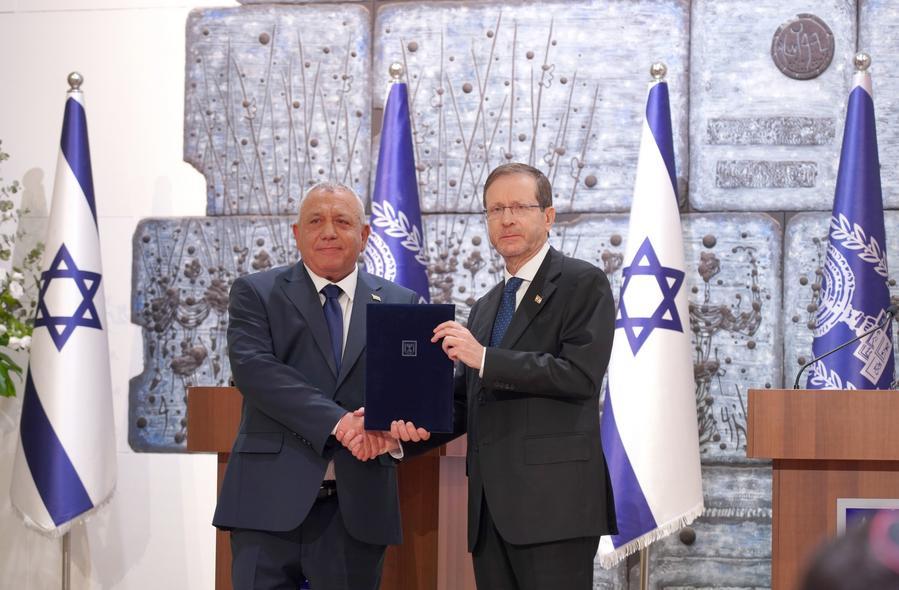
JERUSALEM, Nov. 13 (Xinhua) -- Israel's opposition launched a legislative offensive as the 26th Knesset convened earlier this week, seeking to reverse many of Prime Minister Benjamin Netanyahu's policies, limit prime ministerial terms and establish a state commission of inquiry into the Hamas-led attack of Oct. 7, 2023.
Analysts say the move is intended to deliver on campaign promises, take the parliamentary initiative and increase pressure on Netanyahu, as opposition leader Gadi Eisenkot works to form a new government. However, deep divisions over security, religion and cooperation with Arab parties are likely to complicate both the legislative push and efforts to build a governing coalition.
A CHALLENGE TO NETANYAHU'S LEGACY
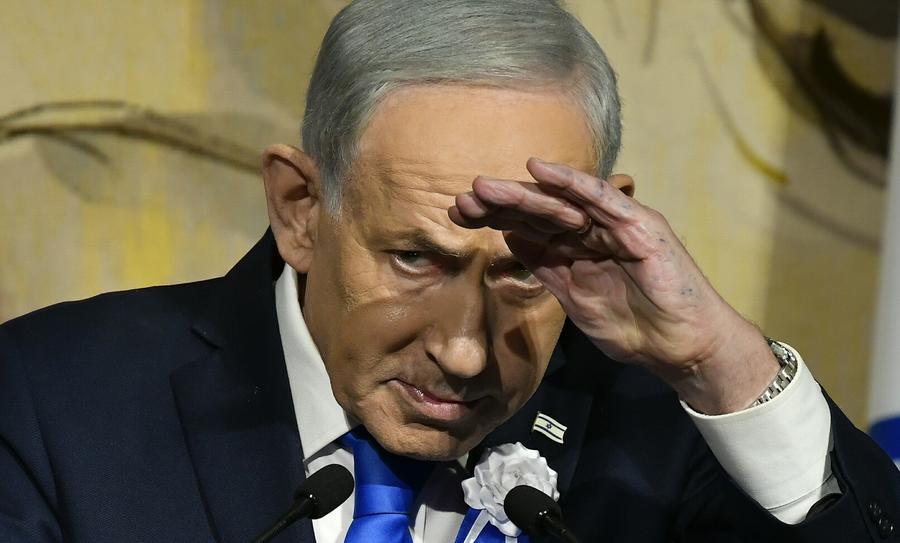
Eisenkot's centrist Yashar party and the left-wing Democrats have submitted proposals seeking to repeal legislation that weakens the attorney general's authority, reform the judicial selection committee and overhaul media regulation.
The bills are widely seen as targeting Netanyahu's judicial overhaul, launched in 2023, which sparked months of mass protests as opponents warned that the reforms would undermine judicial independence and weaken democratic checks and balances.
The opposition also seeks an independent state inquiry into the Oct. 7 attack, a demand Netanyahu's government has resisted, citing concerns over potential political bias.
Analysts say such an inquiry could examine failures across Israel's political, intelligence and military establishments, potentially intensifying scrutiny of Netanyahu's role and responsibility.
Other proposals include limiting prime ministers to eight years in office and revising rules governing a premier's incapacitation.
The Democrats also introduced bills allowing public transportation on the Jewish Sabbath, civil marriage and expanded equality protections.
While these measures appeal to secular and liberal voters, they could complicate negotiations with religious parties whose support Eisenkot may need.
A BID TO TAKE PARLIAMENTARY INITIATIVE
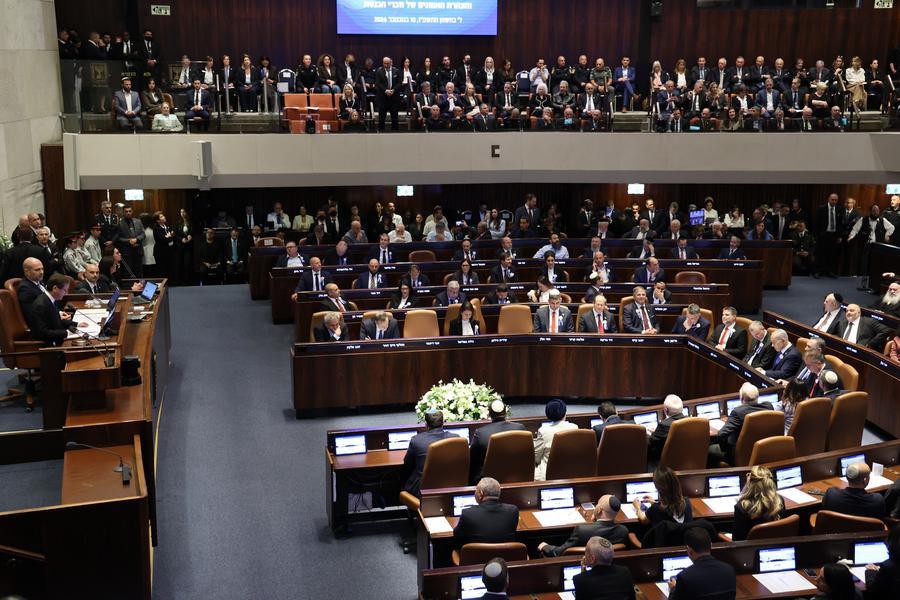
The opposition's push signals a shift in the political winds following Israel's Oct. 27 election.
Netanyahu's right-wing bloc secured 53 seats in the 120-member parliament, compared with 48 for Eisenkot's four-party alliance and 19 for two Arab-led parties. Together, Netanyahu's opponents command 67 seats but remain divided over whether and how to form a government.
President Isaac Herzog tasked Eisenkot with forming a government on Nov. 8, but the former military chief has yet to put together a viable governing coalition.
Unlike the formation of a government, individual bills can advance through shifting parliamentary alliances, allowing opposition parties to join forces on specific issues without having to agree on a shared governing platform.
The Washington Post pointed out that the opposition's proposals seek to dismantle key elements of Netanyahu's political legacy and increase scrutiny of his administration.
On Wednesday, lawmakers voted 63-50 to establish a parliamentary arrangements committee chaired by a Yashar lawmaker, an early indication that Netanyahu's opponents can translate their numerical advantage into institutional influence.
The legislative offensive could thus serve a dual purpose: chipping away at Netanyahu's political standing while strengthening Eisenkot's claim that his alliance can govern.
A BUMPY ROAD AHEAD
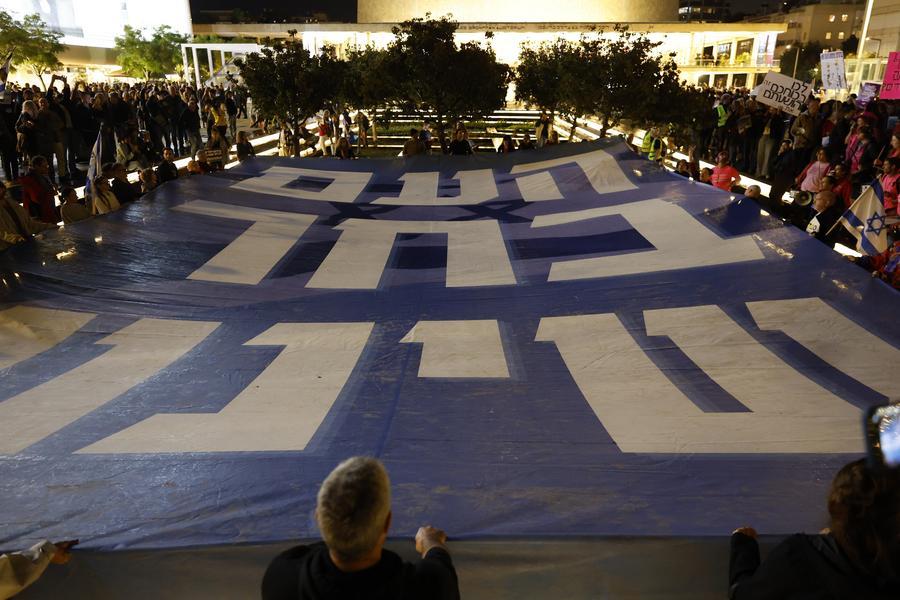
Despite the legislative push and some progress, the opposition's parliamentary majority remains fragile, with deep internal divisions posing a major obstacle.
Arab parties have expressed willingness to help unseat Netanyahu, but several Jewish opposition leaders remain opposed to relying on their support. Deep divisions over issues such as Palestinian statehood, national security and Israel's Jewish character further complicate the opposition's path ahead.
To form a viable governing coalition, Eisenkot faces a narrow and difficult set of options: seeking backing from Arab parties, negotiating with ultra-Orthodox factions, or reaching an accommodation with elements of Netanyahu's own camp. Each option comes with its own political costs.
The Guardian noted that while opposition parties are united against Netanyahu, divisions over Arab cooperation and military conscription complicate coalition talks. Legislative gains could bolster Eisenkot, but continued divisions may prolong the deadlock and give Netanyahu a chance to regain ground.
Under Israeli law, Eisenkot has 28 days to form a government, with a possible 14-day extension. If he fails, the country could face further coalition negotiations or another election.
The coming weeks will test whether the opposition can translate its parliamentary advantage into lasting political power. Its legislative offensive could put Netanyahu under pressure, but the road to building a stable government remains bumpy.■