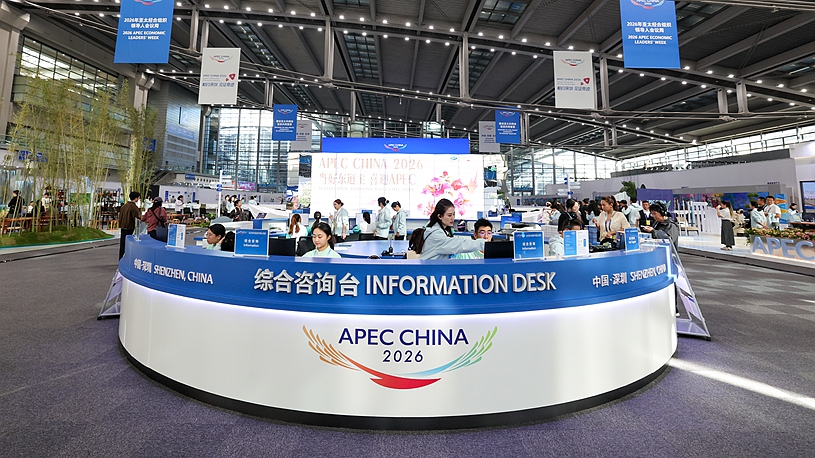
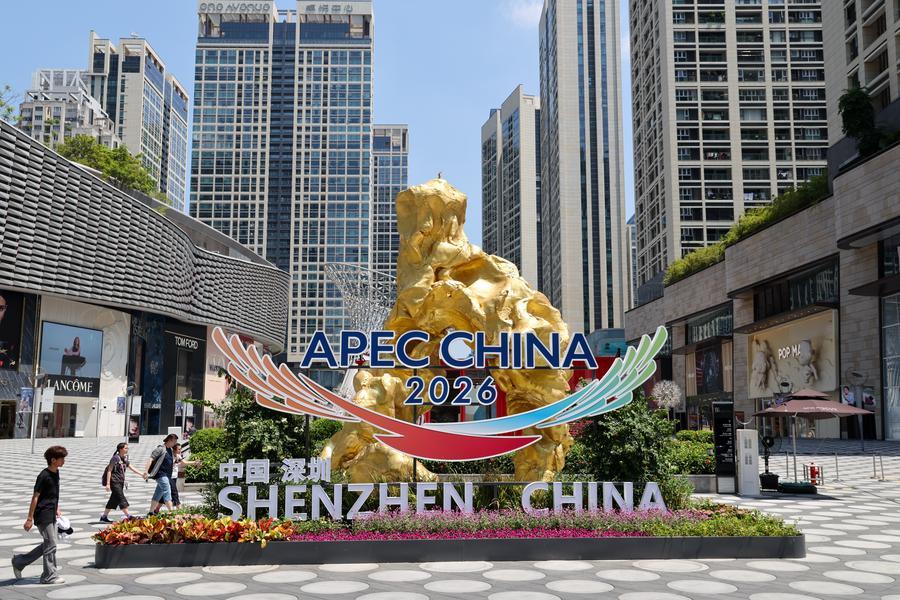
CANBERRA, Nov. 13 (Xinhua) -- "The Asia-Pacific community should stand in the world and be a beacon to other parts of the world," said Peter Drysdale, a renowned Australian economist, in a recent interview with Xinhua in Canberra.
As the head of the East Asian Bureau of Economic Research and East Asia Forum at the Crawford School of Public Policy at the Australian National University, Drysdale said that projecting common interests through APEC and building on the founding principles of APEC are important not only for the region, but also for the rest of the world.
"No common collective initiative, like the APEC initiative, can be built without a sense of community, a sense of common or shared interests, a sense of common belonging," said Drysdale, adding that APEC is a stabilizing force in the international political economy.
"It provides a set of principles that are going to be absolutely fundamental to managing the difficulties we have in the world today," he said, noting that it "reduces the uncertainties in the world, creates more certainty."
"Reducing uncertainty is a matter of building confidence in cooperation through cooperation on the economic and political problems that we face today," he said.
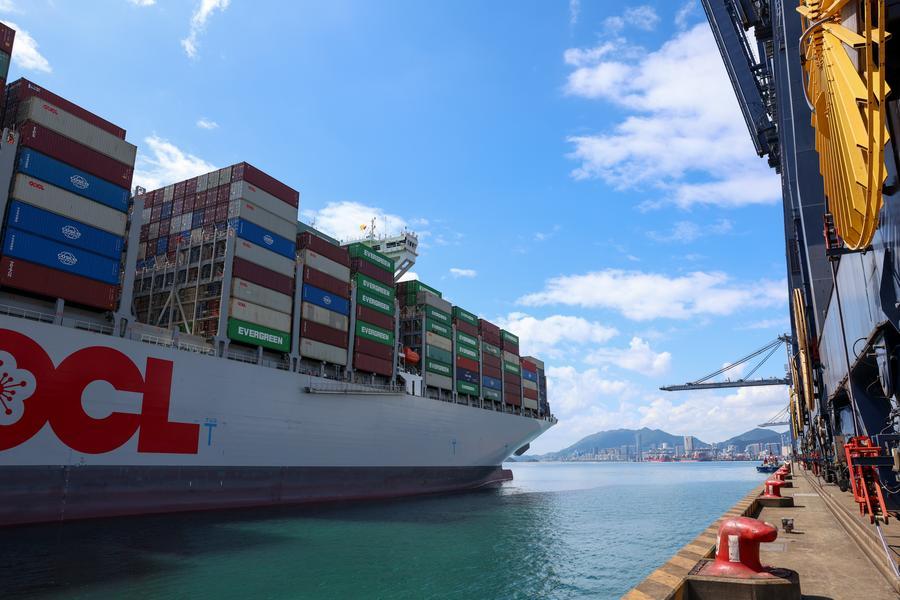
Drysdale spoke highly of China's role in facilitating cooperation in Asia and the Pacific. Noting that the Asia-Pacific community is even more important now, he attributed the increasingly important role of the region in the world to the success of China's modernization and industrialization.
Having been to China so many times, Drysdale said that change in China has been remarkable. "But what hasn't changed" is collaboration, he said.
Noting China's important role in global affairs, Drysdale said that the 33rd APEC Economic Leaders' Meeting is "an occasion the whole world is looking to," and "Asia and the Pacific has become such an important bastion for openness."■