BELO HORIZONTE, Brazil, Nov. 11 (Xinhua) -- The Brazilian coffee industry is looking to China as more than a destination of exports, but also a partner offering innovative solutions and smart technologies that could boost the industry.
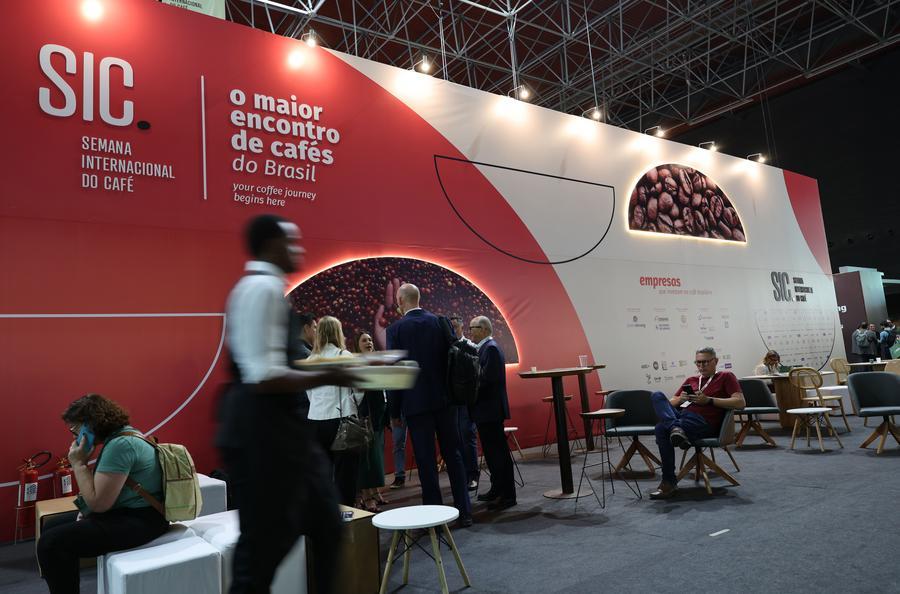
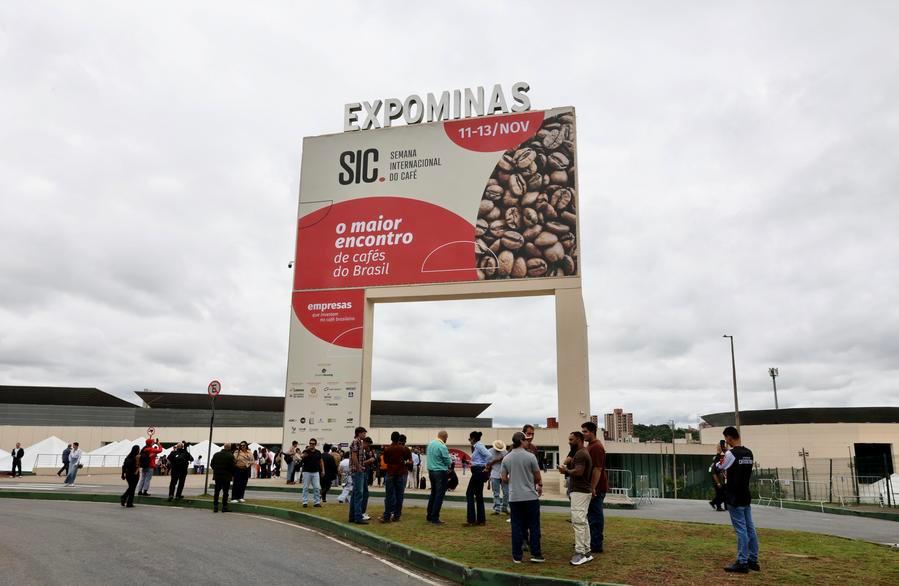
This year's International Coffee Week, SIC 2026, kicked off Wednesday in Belo Horizonte, the capital of Brazil's Minas Gerais state, a major global producer of arabica beans. The event saw a sizable delegation of Chinese businesses and importers at the largest coffee trade show of its kind in Brazil.
China represents a strategic opportunity to expand Brazil's coffee exports and technological cooperation in agriculture, Antonio Pitangui de Salvo, president of the Agriculture and Livestock Federation of Minas Gerais State, told Xinhua.
De Salvo stressed the strong potential for deepening ties with China in agriculture and coffee production.
"China is a major trading partner, but it is not merely a buyer. There is much we can exchange, particularly in the area of technology, across various areas," said De Salvo.
Cooperation opportunities generated by the expo are simply the beginning. De Salvo said the Brazilian Confederation of Agriculture and Livestock, of which he is vice president, is organizing a mission to China for 2027, focused specifically on the coffee sector. The trip is planned to identify collaborative opportunities in agribusiness beyond exports.
"We are going to put together an agenda to determine what we can offer from Minas Gerais state and from the Brazilian agribusiness sector as a whole, and also to learn what China can contribute in terms of innovation and technology, so that we can engage with one another," said De Salvo, himself an agricultural engineer.
CHINESE TECHNOLOGY
A potential area for cooperation would be introducing small-scale Chinese agricultural machinery specifically adapted to the needs of Brazil's family-run coffee farms, he noted. In particular, those in Minas Gerais.
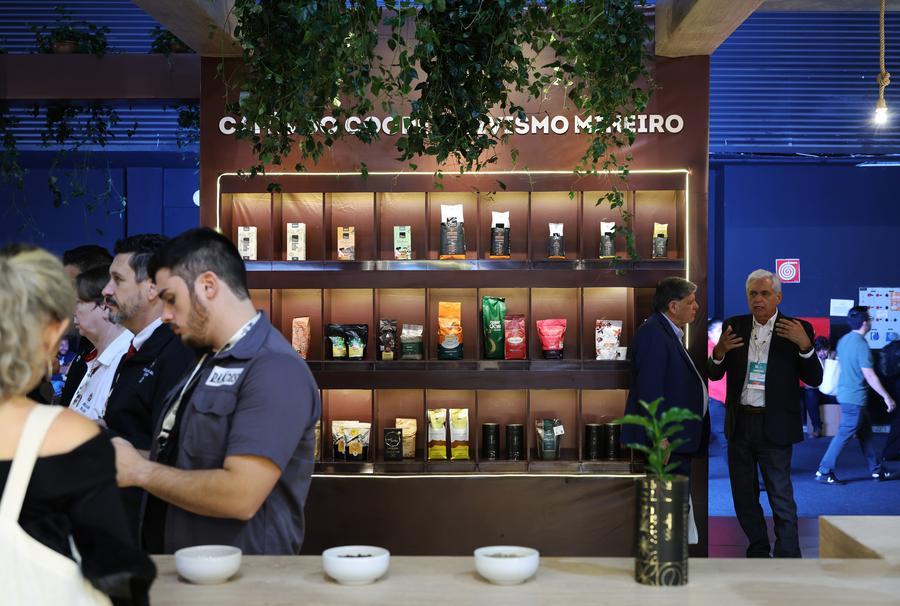
The southeastern state is home to over 1,000 farms producing specialty coffee. Many coffee farms there are small, ranging from 3 to 5 hectares, and require compact, affordable equipment, such as mini-tractors, small harvesters, and other machinery for coffee picking.
De Salvo highlighted the agricultural application of Chinese-made drones to modernize tasks such as spraying fertilizer or Chinese products to protect plants.
CHINA EXPANSION
There is significant room to expand sales of Brazilian coffee products, he noted.
A classic example of an emerging lifestyle in China reshaping global trade is the import of coffee beans. Long known for its tea-drinking traditions, China has long emerged as one of the world's fastest-growing coffee markets.
For example, in September 2025, Chinese coffee chain Luckin Coffee launched its fourth Brazilian coffee-themed store, in the southern Chinese city of Guangzhou, with more than 30 of its kind planned across China.
According to Luckin, it expects to purchase 240,000 tonnes of coffee beans from Brazil from 2025 to 2029, worth about 1.4 billion U.S. dollars -- its largest procurement.
Brazil is seeking to develop long-term coffee trade ties with Asian markets, according to De Salvo.
Alongside over 200 exhibitors, an estimated 30,000 visitors from about 40 countries and regions are expected at the three-day event under the theme "On the Eve of 300 Years of Coffee in Brazil: Building the Next Global Agenda." It marks the start of celebrations for the tricentennial in 2027 of Brazilian coffee growing.
The trade show brings together producers, cooperatives, international buyers, and specialists from across the coffee supply chain, with a program focused on business, innovation, sustainability and international competitiveness.
Industry experts estimate the event could generate on-the-spot deals worth over 200 million reals (about 36 million U.S. dollars).
Brazil is the world's largest coffee producer and exporter, supplying at least one-third of coffee beans worldwide. Still, there are ambitions to further expand the country's international presence and strengthen long-term trade ties, said De Salvo.■