by Kat W. Wong
When China announced in 2017 that it would host an expo devoted entirely to imports, the idea struck many observers as unusual. Trade fairs have traditionally been instruments of export promotion, that is, a way for a country to sell its products and services to the world.
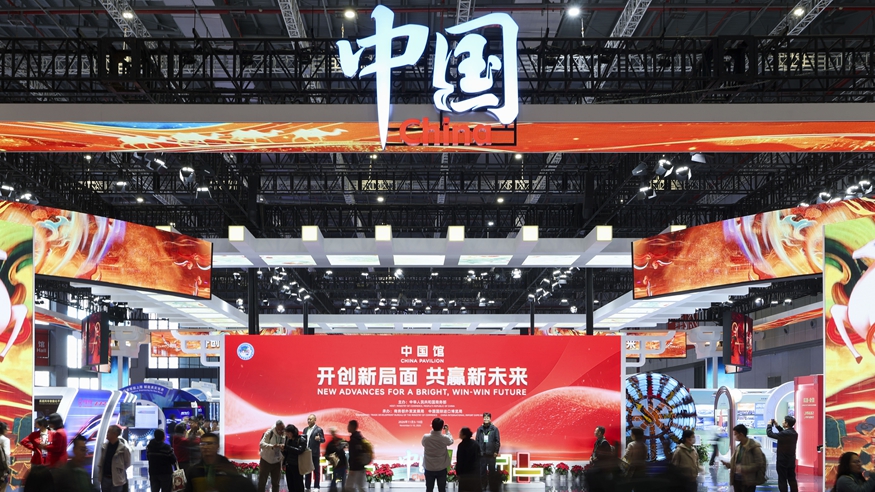
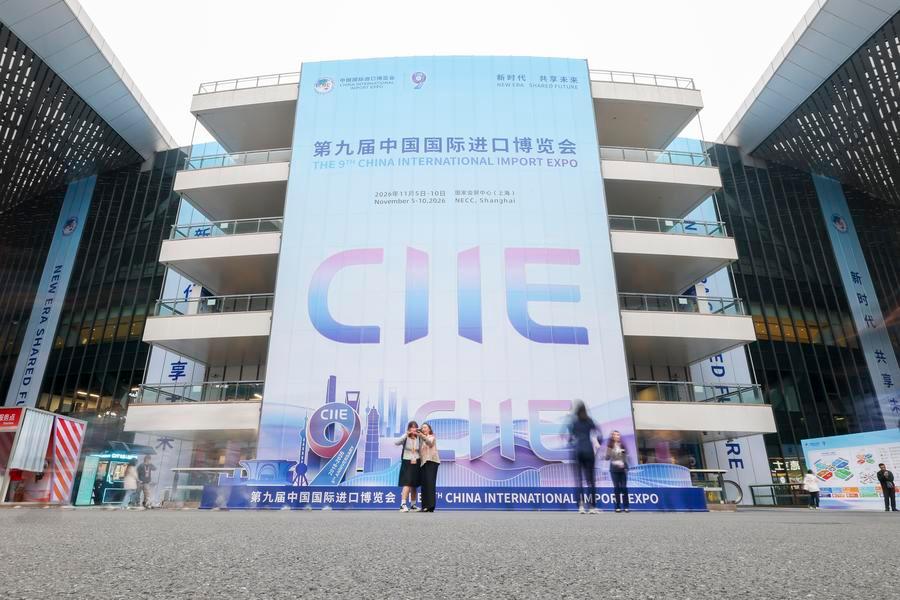
The China International Import Expo (CIIE) reversed that logic by inviting the world to sell to China. As the ninth edition concluded in Shanghai this week, it is worth asking what that reversal has meant in practice, particularly for the smaller enterprises and developing economies that are usually the last to benefit from globalization.
The value of a public good lies less in its scale than in who can use it. Large multinationals have never needed an expo to reach Chinese consumers. They have distribution networks, legal teams and marketing budgets that allow them to navigate a complex market on their own terms. The firms that struggle are the small producers of coffee, spices, handicrafts, processed foods and specialized components, whose products may be competitive but whose reach is constrained by costs, information gaps and limited access to buyers. For these enterprises, the problem is rarely the quality of what they make. It is the distance between a good product and a willing buyer.
This is where the CIIE has made its most meaningful contributions. By bringing buyers, distributors, regulators and logistics providers together in one venue for six days, the expo lowers the cost of finding business partners for both sides. A small firm that would otherwise spend years building contacts can meet, during the expo, the importers, e-commerce platforms and procurement officers it needs to reach the market.
Equally important is the participation of multilateral organizations, including the World Trade Organization, the UN Food and Agriculture Organization and the United Nations Development Programme. Exhibitors from least developed countries have also benefited from preferential policies in past editions. These arrangements signal that participation is not reserved for those who can already afford it.
For Southeast Asia, the relevance is particularly clear. China has been ASEAN's largest trading partner for well over a decade, and the region's agricultural and food producers have been among the more visible beneficiaries of the CIIE. Malaysian exhibitors, from durian producers to manufacturers of palm-based products and halal food companies, have used the expo not merely to secure orders but to understand Chinese consumer preferences, packaging requirements and certification standards. Such knowledge may prove to be the more lasting gain. A contract may last a season, but understanding how a market works allows a firm to return year after year and expand its business independently.
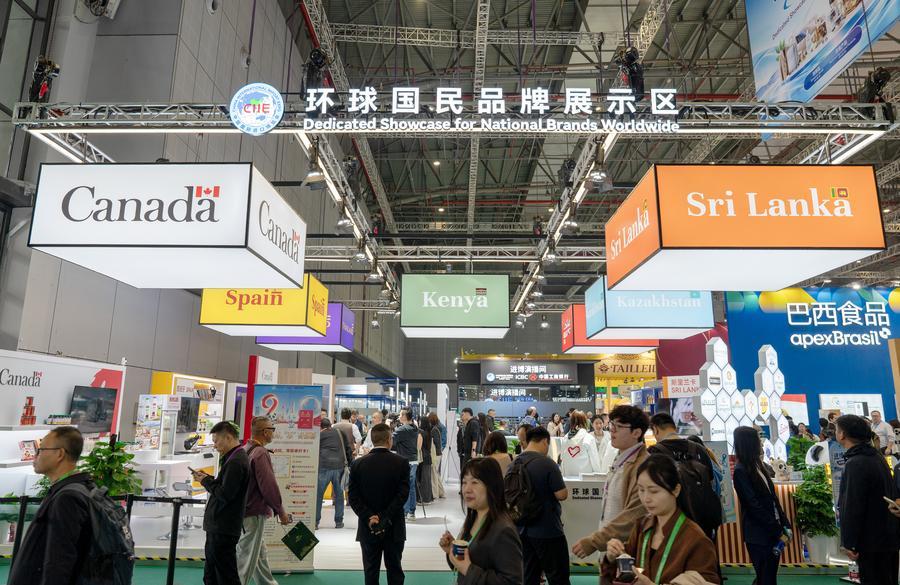
It is also worth noting that the expo has gradually evolved from a platform for showcasing products into one for building capacity. This year's Hongqiao International Economic Forum, held as part of the CIIE, is releasing an Export-to-China Capacity Development Report alongside its annual World Openness Report, reflecting growing recognition that market access on paper does not automatically translate into market access in practice. Smaller economies need support in navigating customs procedures, meeting sanitary and phytosanitary requirements, handling cross-border payments and developing digital marketing capabilities. In my view, the CIIE's long-term contribution will be judged by whether it helps exporters from developing economies meet the standards of a demanding market rather than simply providing them with access to it.
A measured assessment should acknowledge the limits as well. A trade fair cannot by itself correct structural imbalances in trade between China and its partners. Nor can an annual event substitute for predictable tariff regimes, transparent regulation and the steady implementation of trade agreements, including the upgraded ASEAN-China Free Trade Area. The CIIE works best when it complements these frameworks, giving firms a practical entry point while governments do the slower work of reducing barriers at the border and behind it.
That complementarity matters at a time when the global trading environment has become increasingly fragmented. Tariff escalation, supply chain realignment and the use of trade as an instrument of strategic competition have made market access less predictable for many developing economies. In this context, an open and recurring platform that brings together exhibitors from across the Global South, as well as those from Europe, North America and other regions, has value beyond its commercial outcomes. It keeps channels of exchange open and reinforces the idea that trade can still be based on mutual benefit rather than exclusion.
For ASEAN, the sensible approach is to view the CIIE neither as a panacea nor as a symbolic gesture, but as one of several tools for diversifying export markets and strengthening the competitiveness of smaller enterprises. This is especially meaningful for smaller enterprises in countries like Malaysia. Governments and trade agencies can do more to prepare SMEs before they arrive in Shanghai and provide follow-up support afterwards, since the real test of any expo lies in the business relationships that endure after the exhibition halls close.
If globalization is to retain public legitimacy, its benefits must reach village cooperatives and family-run factories, not just multinational boardrooms. The CIIE, at its best, offers a practical way to narrow that gap. Its success will ultimately be measured by how many small firms from developing economies return not as first-time exhibitors seeking a foothold, but as established partners in the Chinese market.
Editor's note: Kat W. Wong is the executive director of the Center for Advanced Studies and Research (CASR), a micro-strategy think tank based in Kuala Lumpur, Malaysia. She is a strategic advisor and analyst specializing in politics, geoeconomics and international engagement, with more than two decades of experience in Malaysian and regional affairs.
The views expressed in this article are those of the author and do not necessarily reflect the positions of Xinhua News Agency.■