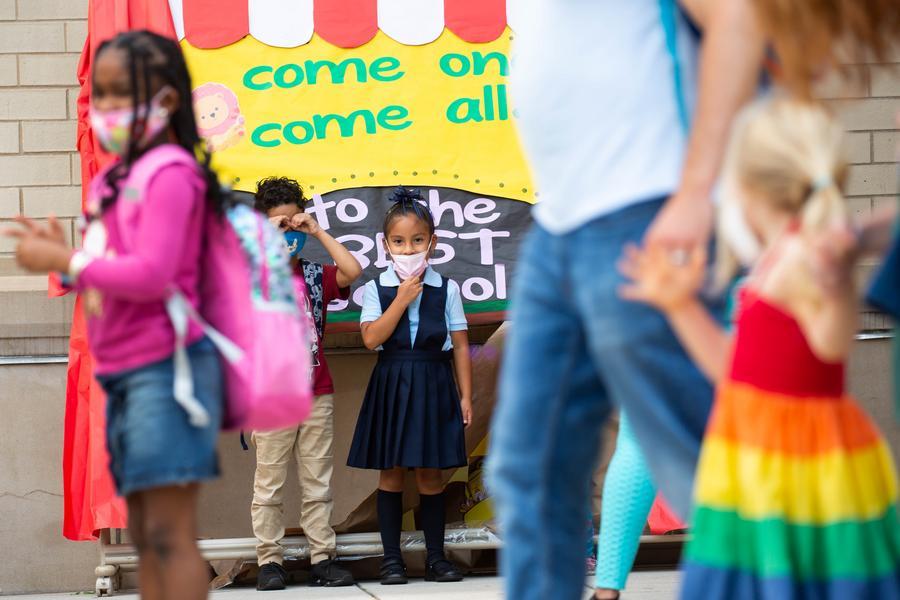
WASHINGTON, Nov. 10 (Xinhua) -- A total of 1,156 public schools closed across the United States in the 2025-2026 academic year, marking a post-pandemic high and the fourth consecutive annual increase, showed an analysis of federal data published by Big Local News at Stanford University.
The closures, covering about 1.15 percent of all U.S. schools, came as declining student enrollment and mounting budget pressures forced school districts to consolidate campuses and cut costs.
LESS ENROLLMENT AND BUDGET
U.S. public school enrollment nationwide fell by more than 1.4 million students, about 3 percent, between fall 2019 and fall 2024. About one in four schools saw enrollment drop by at least 15 percent over the period, according to a separate analysis report by Stanford education researchers.
In the northern Californian city of Vallejo alone, local school district reported student enrollment has fallen from nearly 18,000 in fall 2006 to about 9,300.
Falling birth rates are the primary reason for the decline, while tighter immigration policies, the expansion of private school voucher programs, and homeschool options have also contributed, U.S. media reported.
The decline has put pressure on school district budgets, as public education funding in many states is tied to student enrollment. However, the less funding still has to cover relatively fixed costs, such as building maintenance, utilities and transportation.
Worsening situation is pressing school districts to make further cuts to staffing and academic programs, as well as close more schools.
Similar closures are taking place in districts across the United States, involving major urban systems in Cleveland, Houston and Philadelphia, showed the analysis report by Stanford researchers.
MORE PROBLEMS
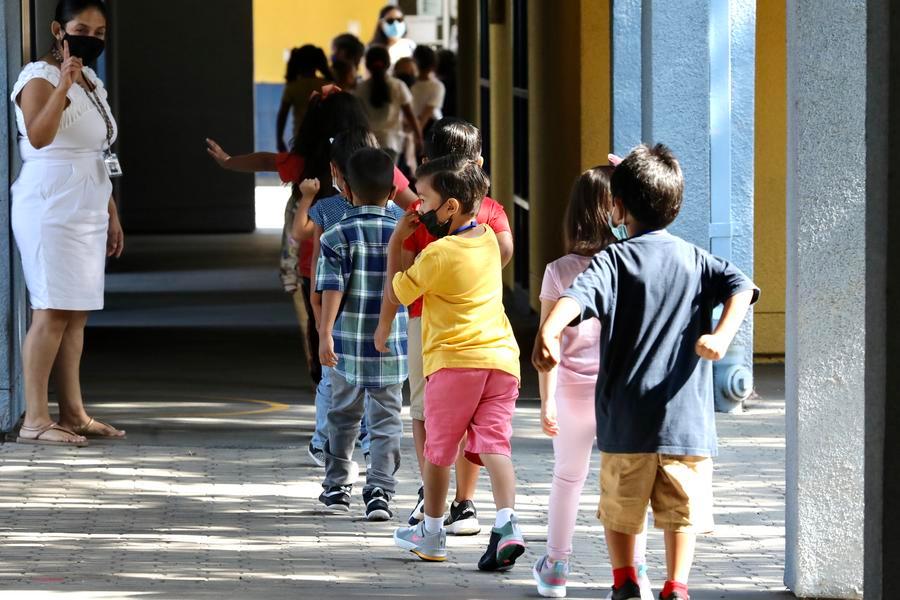
Meanwhile, closing schools does not deliver the financial relief as expected. Costs of transporting students to other campuses, severance payments for laid-off staff, and security at vacant facilities can eat up any savings, U.S. media reported.
Also, school closures make it harder to attract and retain teachers.
For students, closures mean disrupted education, crowded classrooms, and the loss of familiar teachers and classmates. Research by the University of Chicago found that displaced students often suffer long-term decline in reading and math performances, particularly when they transfer to lower-performing schools.
Beyond the classroom, more frustrated families have reportedly turned to charter or private schools, or opted for homeschooling, or moved to neighboring school districts.
VICIOUS CYCLE
The current situation traps U.S. school districts in a vicious cycle: declining enrollment triggers funding cuts, budget shortfalls force school closures, and the resulting disruption drives more families away, further eroding the student base and state revenues for public schools.
A joint estimate by research groups Bellwether and WestEd suggests that due to declining enrollment, state revenues allocated to fund public schools could reduce by 11.5 billion U.S. dollars annually by the 2030-2031 school year. ■