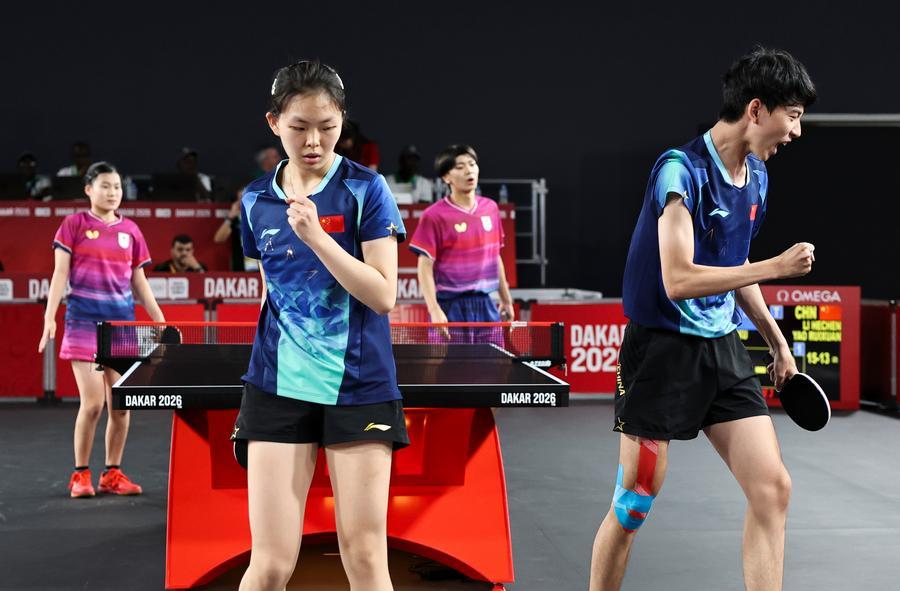
DAKAR, Nov. 8 (Xinhua) -- China's table tennis team struggled to cope with pressure at the Dakar 2026 Youth Olympic Games, failing to win a medal in any of the three events and prompting coaches to call for pressure simulation exercises to become an integral part of daily training.
The table tennis competition concluded on Thursday, with China failing to reach the semifinals in any of the three events.
Japan claimed gold in men's singles and mixed doubles, while Chen Minhsin of Chinese Taipei won the women's singles title.
Under the competition rules, each team was allowed to field one male and one female player in the singles events and mixed doubles. China selected 17-year-olds Yao Ruixuan and Li Hechen, but neither managed to reach the podium.
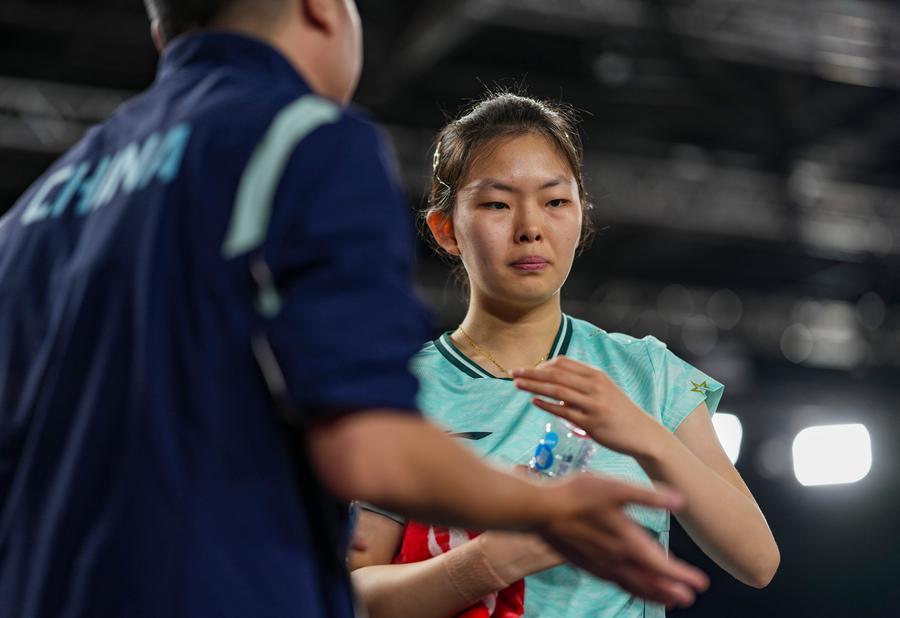
In the women's singles round of 16, Yao lost 4-3 to Chen. In the men's singles quarterfinals, Li was beaten by Colombia's Emanuel Otalvaro, who went on to finish runner-up. In mixed doubles, Yao and Li lost 3-1 to Japan's Miku Matsushima and Ryuusei Kawakami in the quarterfinals.
According to the coaching staff, Yao and Li were selected for the Youth Olympic Games after several rounds of trials. The pair had previously won multiple mixed doubles titles at international events, including the ITTF World Youth Championships and Asian Youth Championships.
Yao had won the women's singles title at the 2025 Asian Youth Games and the youth women's singles crown at China's 15th National Games. She had also beaten Chen in all three of their previous meetings, although those matches took place two years earlier.
Against Chen, Yao fell 3-1 behind before fighting back to level the match at 3-3. However, she was unable to complete the comeback in the deciding game.
Yao's coach Zheng Changgong said Chen had been quicker to seize the initiative in the seventh game.
"By the seventh game, Chen was getting into the rallies faster and going for more attacking shots. Her strokes were noticeably more aggressive and decisive," Zheng said.
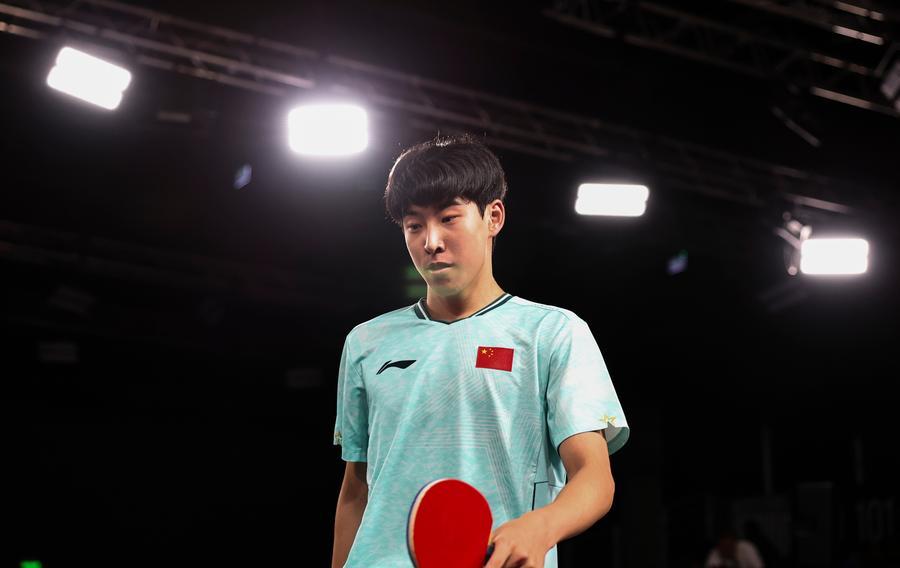
Li had won the under-15 men's singles title at the 2024 World Youth Championships. Later that year, he defeated Kawakami in the under-15 men's singles final at the Asian Youth Championships. He went on to claim silver in the under-19 men's singles at both the 2025 Asian Youth Games and the 2026 Asian Youth Championships.
Li's coach Wu Hao said the technical gap among the world's leading male youth players had narrowed considerably, adding that Li's performances in both singles and mixed doubles fell short of expectations.
"Both of those matches were lost on crucial points. In mixed doubles, the score was tied at 10-10 before he lost the key points. The same happened in singles after the score reached 10-10. He was not decisive enough in those moments," Wu said.
China's results in Dakar highlighted how its traditional advantage at the youth level has diminished as international competition has grown stronger.
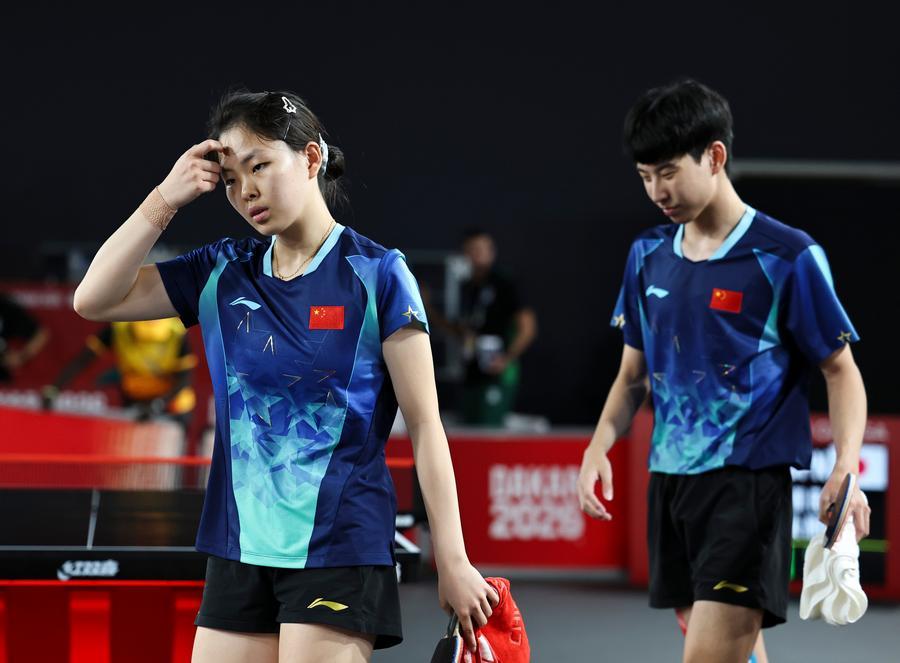
Looking ahead, the coaching staff believes that simply emphasizing psychological adjustment will not be enough to address the problems. Technical development and mental preparation must go hand in hand.
Wu said the first priority was to further strengthen the players' technical foundations, develop their individual strengths and establish more reliable and effective ways of winning points in crucial situations, giving them clearer tactical options when matches become tight.
Both coaches said the setbacks at the Youth Olympic Games had served as a wake-up call for the team. As the international youth table tennis landscape continues to evolve, China must address its shortcomings in technical execution, performance on crucial points and mental preparation.
"The team is facing many difficulties at the moment, but I believe we can overcome them through hard work and by improving both our mentality and technical skills. We can turn things around and win next time," Wu said. ■