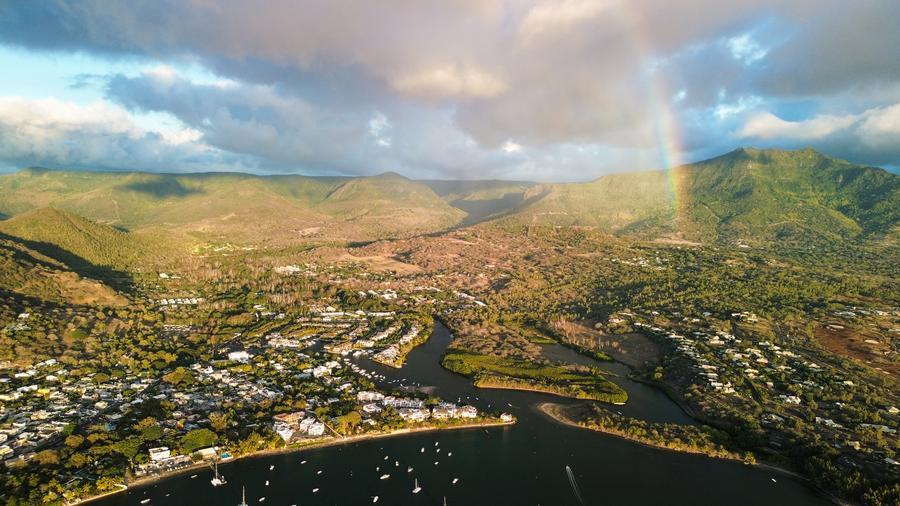
PORT LOUIS, Oct. 31 (Xinhua) -- Known for its striking multicolored volcanic dunes, southwestern Mauritius is also home to a less familiar attraction: the African island country's only coffee plantation.
Located in the Chamarel 7 Colored Earth Geopark in the Black River District, the plantation produces distinctive beans that remain little known outside Mauritius.
This signature coffee, grown amid the volcanic landscapes of Mauritius, is set to make its debut at this year's China International Import Expo (CIIE) in Shanghai.
"We would love the Chinese market to discover a rare coffee specialty from Mauritius," said Thomas Lehoux, development manager of coffee operations at Chamarel Coffee, the sole brand in Mauritius that grows coffee locally and makes products from its own beans.
At the plantation, humid conditions, gentle sunlight and mineral-rich soil provide a favorable environment for coffee trees, helping produce beans with a rich and balanced flavor.
Like wine, coffee derives much of its character from its origin, flavor and quality, Lehoux told Xinhua, adding that Chamarel Coffee uses beans grown on its own plantation and processed entirely by hand, producing flavors that distinguish from comparable products of other origins.
The plantation mainly grows two varieties of coffee, Arabica and Liberica. Lehoux will bring both to this year's CIIE, marking the brand's debut at the event.
Lehoux said coffee consumption in China has grown in recent years, along with increasing interest in bean varieties, flavor profiles and places of origin, creating opportunities for Mauritian coffee.
"I believe there can be a strong link between us as a small producer on a small island and a big market like China," he said.
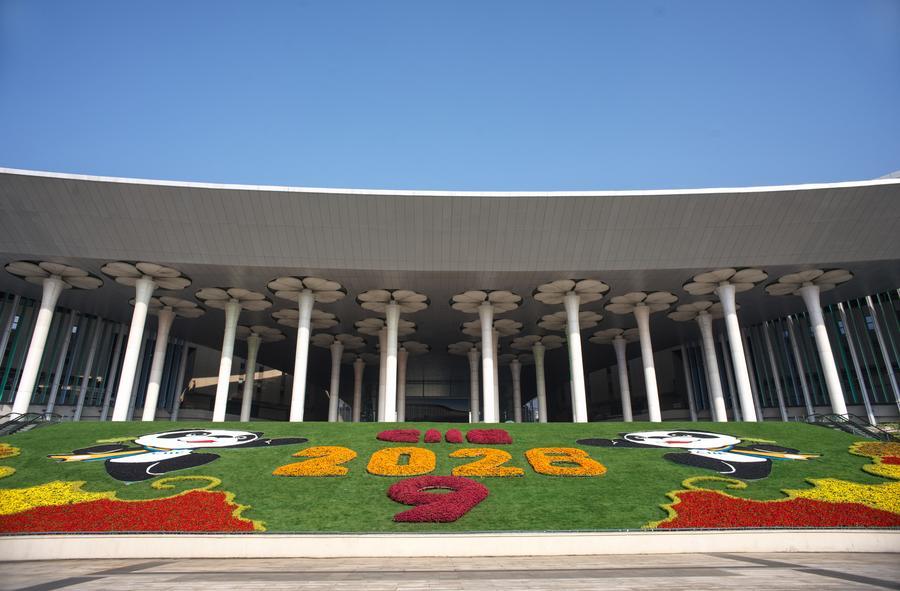
At this year's CIIE, the brand hopes to connect with Chinese coffee importers, upscale restaurants, specialty coffee shops and roasters. For Lehoux, who has about 20 years of experience in coffee production, the expo will also offer a best chance to better understand Chinese consumers' preferences and explore ways to tailor products to the market.
To prepare for potential business opportunities following the CIIE, the company is expanding its plantation, which currently covers about 16 hectares and produces around one tonne of finished coffee beans for export annually. An additional 4 hectares were planted this year, with output expected to increase in two to three years.
The company has also been developing coffee-scented fragrances, perfumes and coffee cups as part of its efforts to diversify its business beyond coffee.
Walking through the plantation, Lehoux said he hoped the CIIE would help Chamarel Coffee build long-term relationships in China and find partners to support its growth.
Though separated by vast stretches of ocean, Mauritius and China have achieved fruitful results in practical economic and trade cooperation. Mauritius is the first African country to sign a free trade agreement with China. China, for consecutive years, has been Mauritius' largest trading partner and largest source of imports.
Mauritian sugar products, which have appeared at the CIIE for several editions, are a prominent example of the Indian Ocean island's efforts to reach Chinese buyers. With coffee and other new products to be presented at the expo this year, the two countries are poised to deepen trade cooperation and expand Mauritian exports to China. ■