by Sizo Nkala
Trade has long been an important pillar of Africa-China cooperation. As China continues to open its vast domestic market, African countries and businesses are gaining more opportunities to bring their products to Chinese consumers.
A series of measures is helping turn these opportunities into greater market access, including the zero-tariff treatment for products from 53 African countries that have diplomatic relations with China from May 1, the establishment of green channels for African agricultural products, and wider use of China's Cross-Border Interbank Payment System, or CIPS, by African financial institutions to lower trade transaction costs.
Such measures are designed to strengthen Africa's export capacity and competitiveness while demonstrating China's commitment to a more open, inclusive and development-oriented trade relationship with the continent.
Meanwhile, market access is meaningful only when businesses can find buyers. This makes the China International Import Expo (CIIE) an increasingly important platform for African exporters.
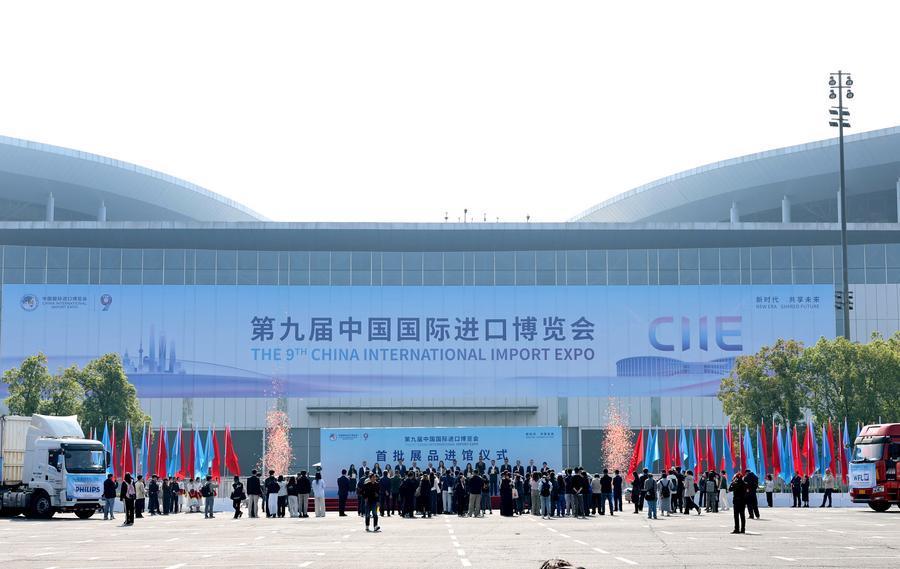
Launched in 2018 as the world's first national-level expo dedicated to imports, the CIIE was designed to expand China's opening-up and turn its vast market into a shared opportunity for the world.
The ninth CIIE will be held in Shanghai from Nov. 5 to 10. Preparations are basically complete. A total of 162 countries, regions and international organizations will take part, with 4,142 overseas companies exhibiting.
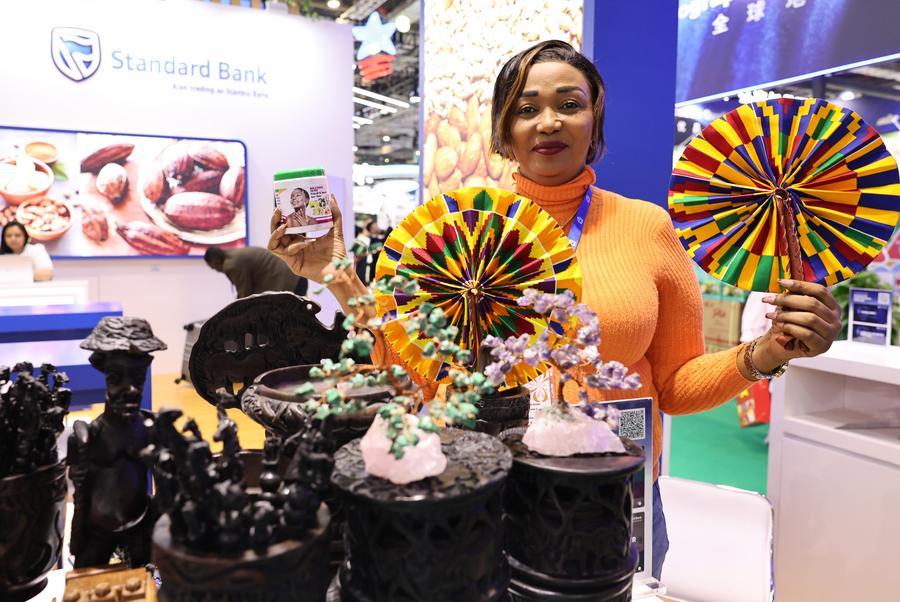
For African exporters, however, the significance of the CIIE lies not simply in its size, but in its ability to connect relatively small businesses with a market that may otherwise be difficult to reach.
Zambian honey, Nigerian cashew nuts, Beninese pineapples and Kenyan flowers have all made breakthroughs and secured markets in China through the CIIE. South African exporters of rooibos tea, wine, avocados, and jewelry have also secured contracts at previous editions of the expo.
South Africa's Standard Bank hosted 21 export clients at the 2025 CIIE. According to the bank, clients from four African markets secured export contracts with Chinese importers worth approximately 140 million U.S. dollars that year through its Africa-China Trade Solutions initiative.
These contracts are not just numbers. They have tangible benefits for ordinary people in Africa by creating job opportunities and thereby contributing to poverty eradication.
Another welcome development is the further upgrade of the Asia-Africa Products Zone, first introduced at last year's CIIE, with more exhibition space for African businesses this year.
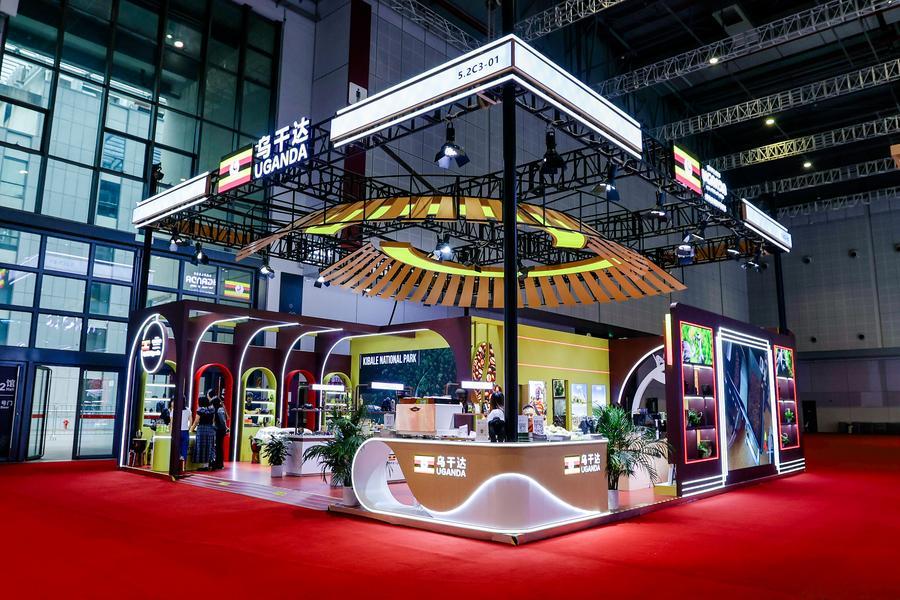
To encourage greater African participation, particularly by micro, small and medium-sized enterprises (MSMEs), organizers will also hold a dedicated business matchmaking event for Asian and African food and agricultural products, helping connect exporters with potential Chinese buyers.
Moreover, small businesses from least developed countries, most of which are in Africa, can participate in the expo at reduced cost through free exhibition booths and other logistical and operational support. Such measures make the CIIE more inclusive and accessible, particularly for Africa's MSMEs, which account for nearly 90 percent of businesses across the continent.
By lowering the barriers to participation, the CIIE ensures that small businesses, the engines of economic growth and development in most African countries, have access to China's large import market.
For African governments and businesses, therefore, the CIIE is more than a trade fair. It is a platform through which market-opening measures can be translated into commercial opportunities.
As the ninth CIIE approaches, African exporters have another opportunity to show their presence to Chinese buyers.
Editor's note: Sizo Nkala is a senior research fellow at the University of Johannesburg's Center for Africa-China Studies.
The views expressed in this article are those of the author and do not necessarily reflect the positions of Xinhua News Agency. ■