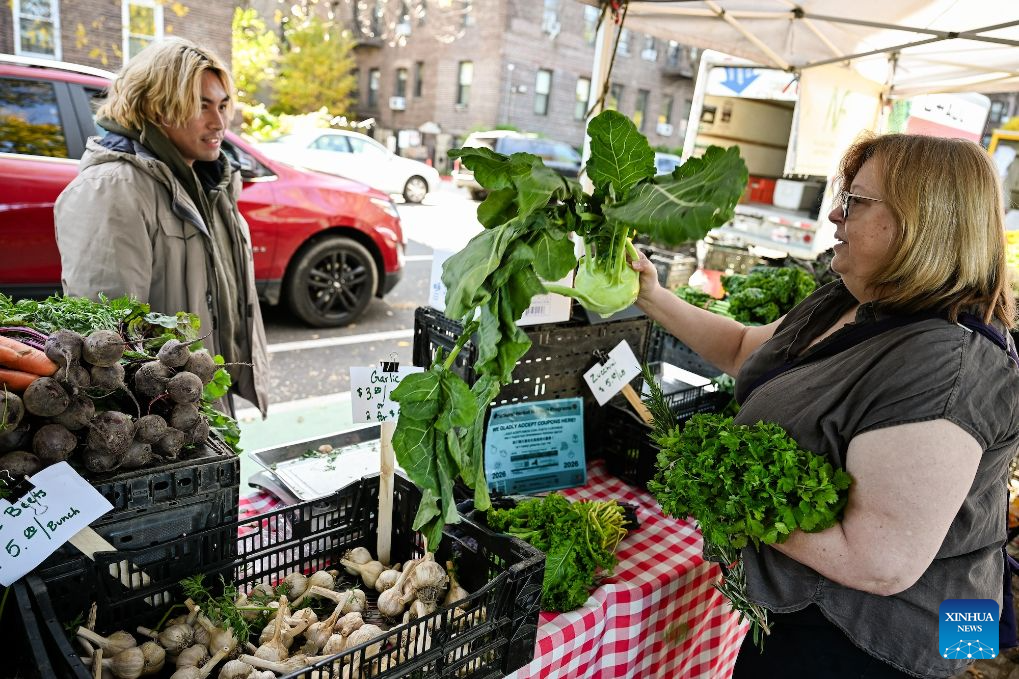
A customer shops for produce at a farmers' market in Queens, New York City, the United States, on Oct. 24, 2026. (Photo by Ziyu Julian Zhu/Xinhua)
by Ziyu Julian Zhu
NEW YORK, Oct. 28 (Xinhua) -- As the U.S. midterm elections approach, rising living costs are weighing on New Yorkers, shaping their daily spending decisions and influencing what they hope to see from elected officials.
From grocery bills and housing costs to travel expenses and costs of running a small business, financial pressures are being felt across different walks of life. For many voters, the midterm elections offer an opportunity to voice their concerns and seek change.
"The food prices just keep going up," said Sandra W., who declined to provide her full name.
"You need to be more selective in buying meat. The price of steak nowadays or the price of hamburger even is much higher. So if you feel that's something not necessary, you may want to pass on it."
Now in her 70s, Sandra has lived in New York City for decades. Beyond the rising cost of groceries, she said, the election is also about ensuring that voters' choices are respected, and she hopes the newly elected could stem the wave of rising prices.
The U.S. consumer price index rose 3.7 percent year on year in September, with food, shelter and gasoline prices increasing by 2.5 percent, 3.2 percent and 34.2 percent, respectively, according to the U.S. Bureau of Labor Statistics.
Travel has also become more expensive, adding to the burden on Americans hoping to visit family or take time off. Airline fares rose 22.4 percent year on year in September 2026, according to the bureau.
"Flying anywhere is very expensive. However, it's currently cheaper to fly to Europe than it is to fly anywhere in the United States," said Caleb Schaaf, who was leaving a polling station near Court Square subway station in the borough of Queens.
Missouri-native Schaaf, who is pursuing an acting career in New York City, is concerned that rising airfares could make it more expensive to travel and visit family members.
He recently spent 1,500 U.S. dollars on flight tickets to Southern California, about 500 dollars more than he would normally expect to pay for such a trip, he said. With his wedding scheduled for April 2027, his concern about travel expenses extends to relatives coming from Missouri.
For small businesses, rising costs pose a related challenge, as higher operating expenses can force business owners to raise prices, adding to the burden on consumers.
Richard Nolasco helps run his family's farm business, located about a two-hour drive from New York City. Starting work as early as 3 a.m., he travels each week to between eight and 10 farmers' markets, selling fresh produce directly to urban customers.
Farmers' market sales account for about 75 percent of the family's business revenue, with the rest coming from deliveries and other distribution channels, Nolasco said.
Despite steady demand, rising transportation, labor and other operating costs have made it increasingly difficult to keep the business running. Fuel alone accounts for at least 25 percent of the farm's total budget, he said, forcing the family to raise prices for some products.
"The most expensive thing we raised was the eucalyptuses, which were like 15 (dollars) last year, but now they're 20," Nolasco said, explaining that the crop takes months to grow before it can be sold.
"These squashes were originally two dollars a pound. Now they're three dollars a pound," he added. With costs rising across the board, Nolasco said it had become harder to run the business.
Labor costs have also increased, he said. The family farm relies on seasonal workers, some of whom have sought higher pay this year to keep pace with their own rising living expenses, adding to the family's operating costs.
While economic concerns are top of mind for voters, some New Yorkers are also calling for action on affordable housing, civil rights, immigration and U.S. foreign policy.
Mario Wilson said racial tensions were a particular concern for him, arguing that mutual respect and a safer, more inclusive society should be priorities alongside economic issues.
Wilson also expressed hope that future elected officials would show greater concern for people from different racial backgrounds.
New York state's early voting period runs from Oct. 24 through Nov. 1, allowing residents to cast their ballots ahead of Election Day on Nov. 3.
Across the United States, 47 states and Washington, D.C., allow in-person early voting, although the timing and procedures vary by jurisdiction, according to the National Conference of State Legislatures.
As the midterm elections draw closer, whether they will bring meaningful improvements to people's lives is anyone's guess. ■
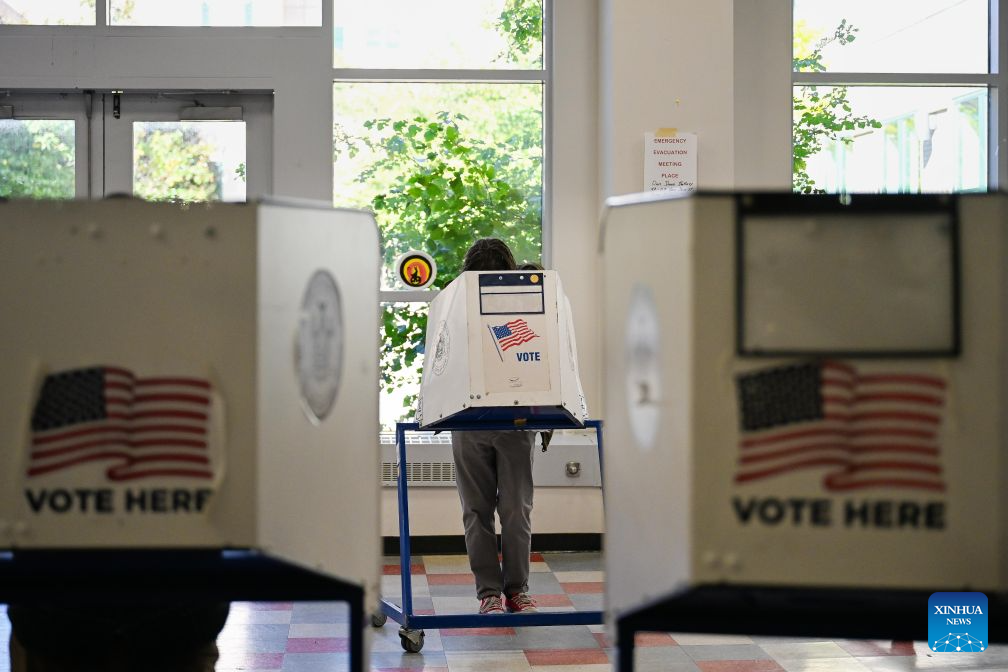
A voter casts his ballot at a polling station in Queens, New York City, the United States, on Oct. 24, 2026. (Photo by Ziyu Julian Zhu/Xinhua)
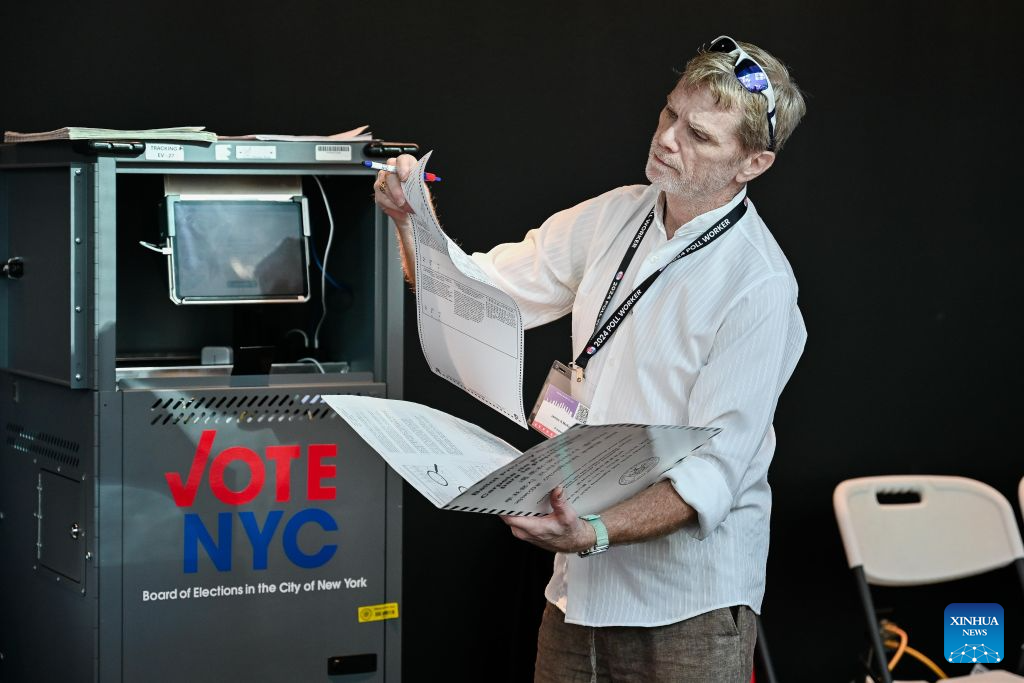
A volunteer checks a ballot at a polling station in Queens, New York City, the United States, on Oct. 24, 2026. (Photo by Ziyu Julian Zhu/Xinhua)
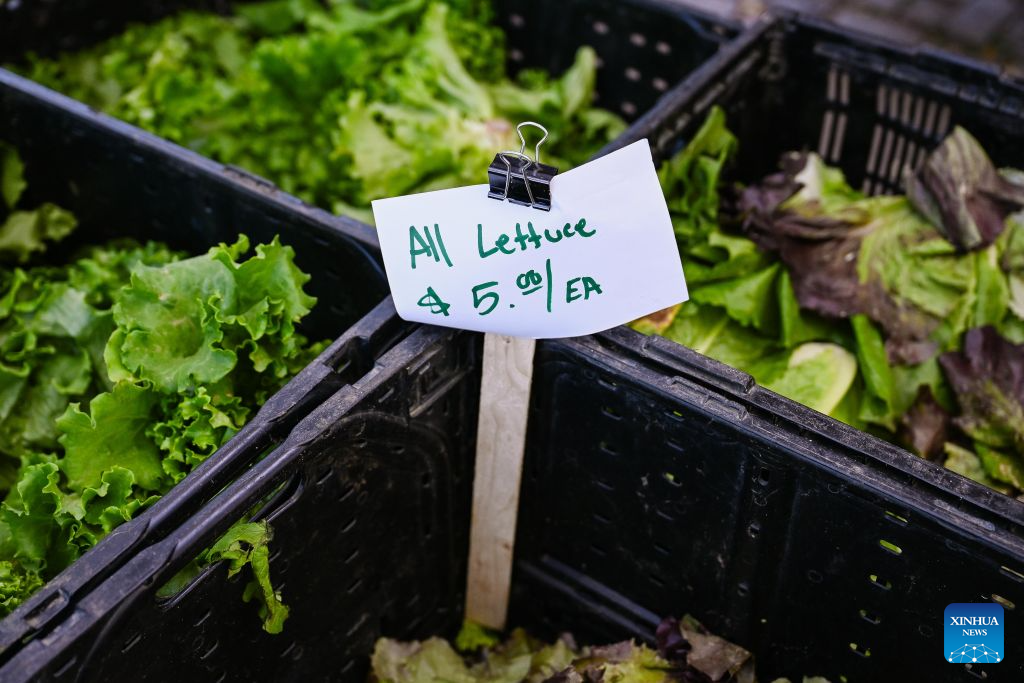
A price tag is seen at a farmers' market in Queens, New York City, the United States, on Oct. 24, 2026. (Photo by Ziyu Julian Zhu/Xinhua)
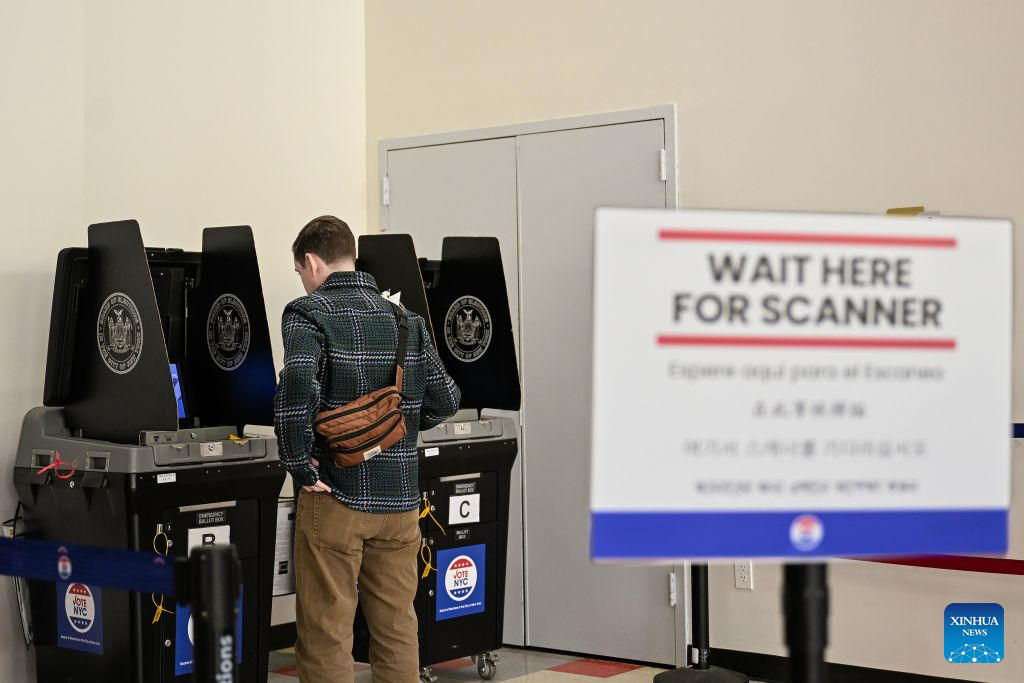
A voter casts his ballot at a polling station in Queens, New York City, the United States, on Oct. 24, 2026. (Photo by Ziyu Julian Zhu/Xinhua)


