
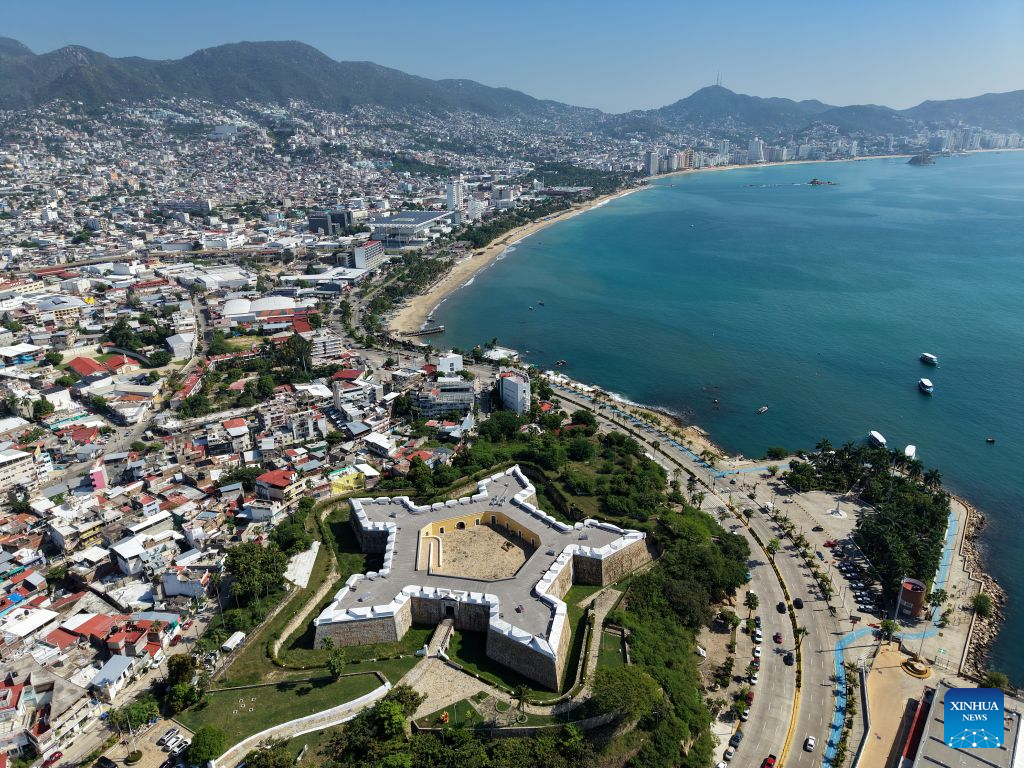
This aerial drone photo taken on Oct. 27, 2026 shows the Fort of San Diego and Acapulco Bay in Acapulco, Guerrero state, Mexico. First built in the 17th century, the fort once served to defend the port against pirate attacks and protect trading vessels arriving from Manila, the Philippines. It now houses the Historical Museum of Acapulco Fort of San Diego. The port city of Acapulco on Mexico's Pacific coast was once a major hub for trade between Asia and the Americas. In 1565, a Spanish galleon sailing from the Philippines reached Acapulco, helping establish a trans-Pacific maritime route. For approximately 250 years, the Manila Galleon trade connected Manila in the Philippines with Acapulco in Mexico, carrying Chinese silk, porcelain, and other Asian goods to the Americas and transporting silver from the Americas to Asia. Traces of this historic maritime trade can still be found in Acapulco today, from the centuries-old Fort of San Diego and Chinese porcelain displayed in its museum to models of sailing ships and a monument commemorating the Manila Galleon. (Xinhua/Li Muzi)
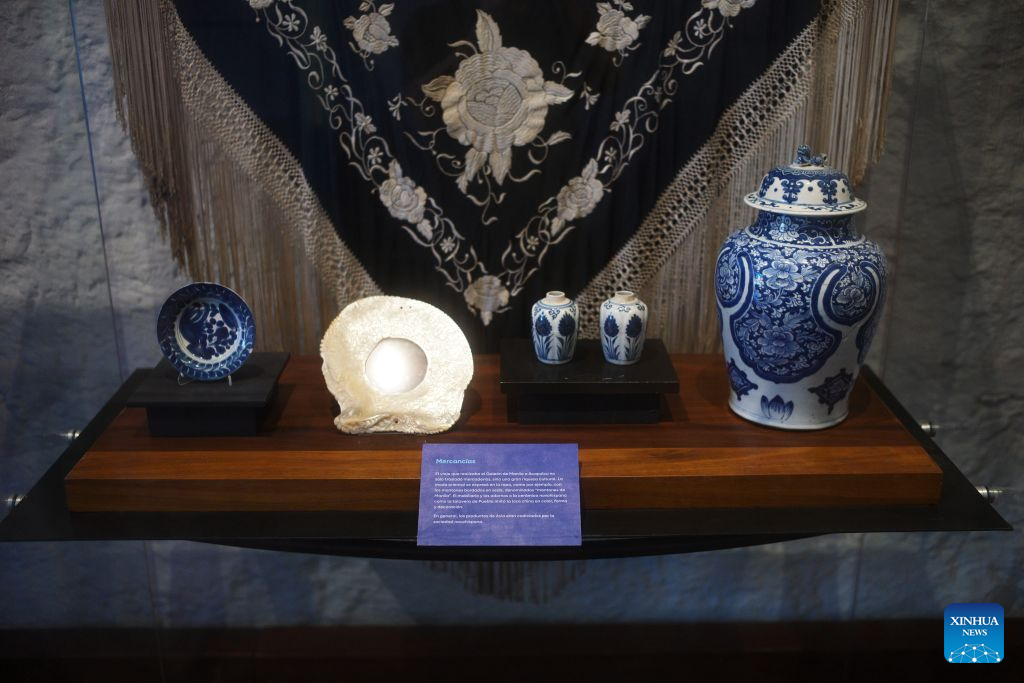
This photo taken on Oct. 27, 2026 shows exhibits illustrating goods traded along the Manila Galleon route at the Historical Museum of Acapulco Fort of San Diego in Acapulco, Guerrero state, Mexico. The port city of Acapulco on Mexico's Pacific coast was once a major hub for trade between Asia and the Americas. In 1565, a Spanish galleon sailing from the Philippines reached Acapulco, helping establish a trans-Pacific maritime route. For approximately 250 years, the Manila Galleon trade connected Manila in the Philippines with Acapulco in Mexico, carrying Chinese silk, porcelain, and other Asian goods to the Americas and transporting silver from the Americas to Asia. Traces of this historic maritime trade can still be found in Acapulco today, from the centuries-old Fort of San Diego and Chinese porcelain displayed in its museum to models of sailing ships and a monument commemorating the Manila Galleon. (Xinhua/Li Muzi)
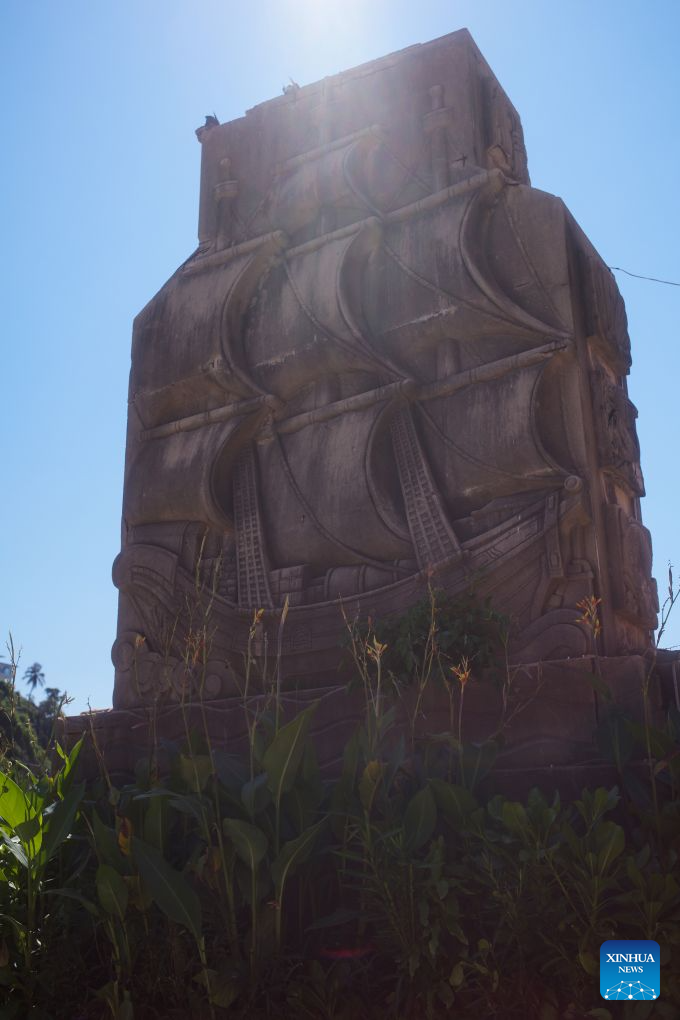
This photo taken on Oct. 27, 2026 shows the Manila Galleon Monument in Acapulco, Guerrero state, Mexico. Built in 1936, the monument commemorates the historic maritime trade between Manila in the Philippines and Acapulco in Mexico. The port city of Acapulco on Mexico's Pacific coast was once a major hub for trade between Asia and the Americas. In 1565, a Spanish galleon sailing from the Philippines reached Acapulco, helping establish a trans-Pacific maritime route. For approximately 250 years, the Manila Galleon trade connected Manila in the Philippines with Acapulco in Mexico, carrying Chinese silk, porcelain, and other Asian goods to the Americas and transporting silver from the Americas to Asia. Traces of this historic maritime trade can still be found in Acapulco today, from the centuries-old Fort of San Diego and Chinese porcelain displayed in its museum to models of sailing ships and a monument commemorating the Manila Galleon. (Xinhua/Li Muzi)
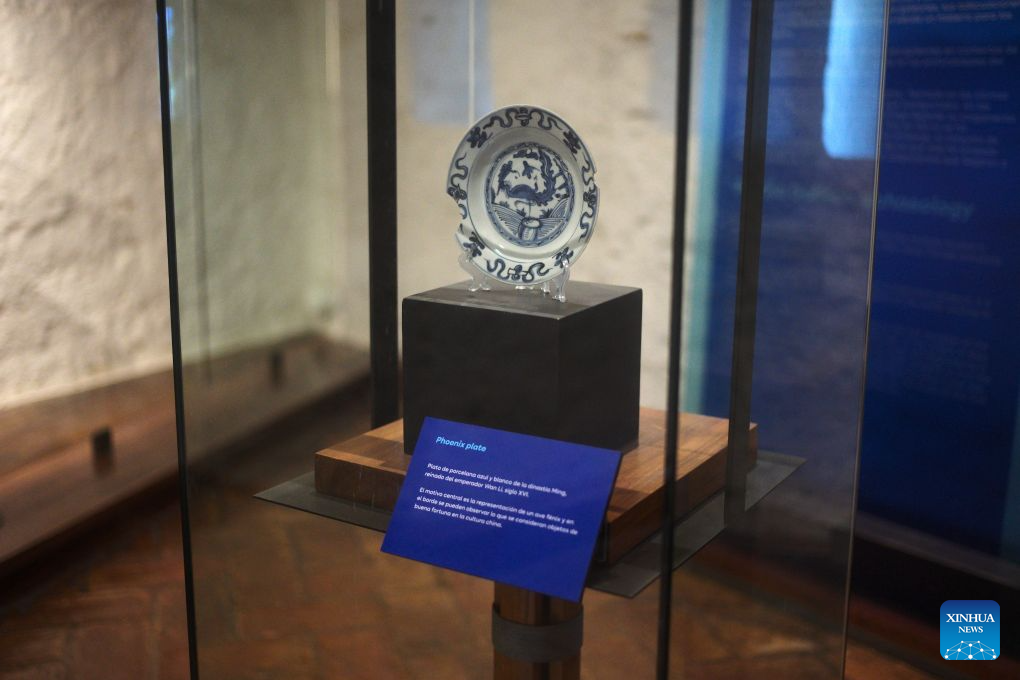
This photo taken on Oct. 27, 2026 shows a Chinese blue-and-white porcelain plate dating back to the Ming Dynasty on display at the Historical Museum of Acapulco Fort of San Diego in Acapulco, Guerrero state, Mexico. The port city of Acapulco on Mexico's Pacific coast was once a major hub for trade between Asia and the Americas. In 1565, a Spanish galleon sailing from the Philippines reached Acapulco, helping establish a trans-Pacific maritime route. For approximately 250 years, the Manila Galleon trade connected Manila in the Philippines with Acapulco in Mexico, carrying Chinese silk, porcelain, and other Asian goods to the Americas and transporting silver from the Americas to Asia. Traces of this historic maritime trade can still be found in Acapulco today, from the centuries-old Fort of San Diego and Chinese porcelain displayed in its museum to models of sailing ships and a monument commemorating the Manila Galleon. (Xinhua/Li Muzi)
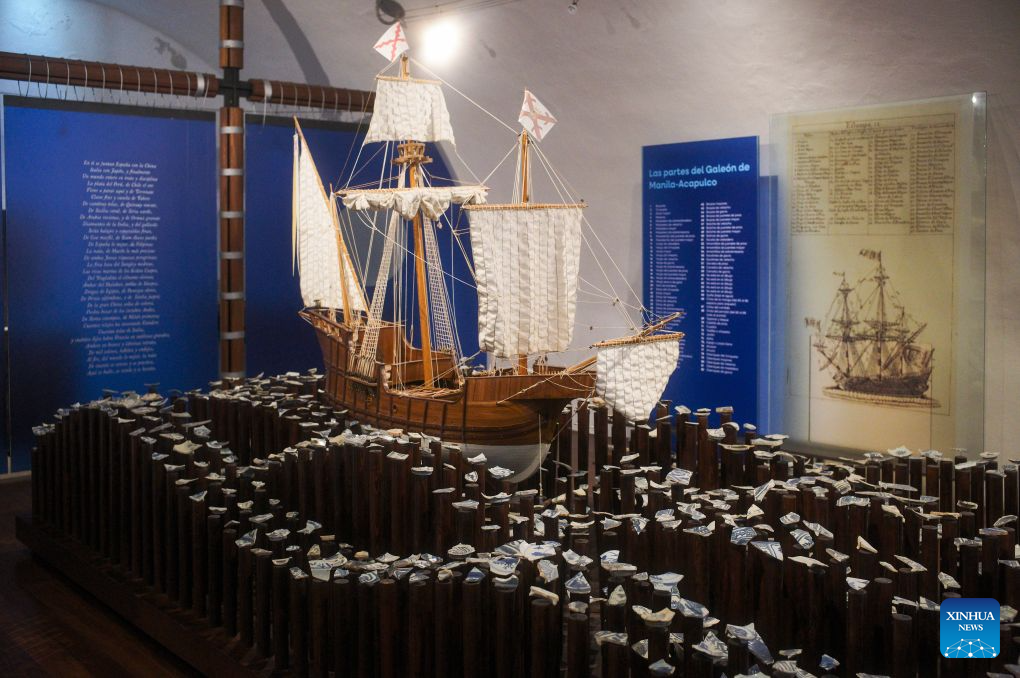
This photo taken on Oct. 27, 2026 shows a model of a Manila galleon and blue-and-white porcelain exhibits at the Historical Museum of Acapulco Fort of San Diego in Acapulco, Guerrero state, Mexico. The port city of Acapulco on Mexico's Pacific coast was once a major hub for trade between Asia and the Americas. In 1565, a Spanish galleon sailing from the Philippines reached Acapulco, helping establish a trans-Pacific maritime route. For approximately 250 years, the Manila Galleon trade connected Manila in the Philippines with Acapulco in Mexico, carrying Chinese silk, porcelain, and other Asian goods to the Americas and transporting silver from the Americas to Asia. Traces of this historic maritime trade can still be found in Acapulco today, from the centuries-old Fort of San Diego and Chinese porcelain displayed in its museum to models of sailing ships and a monument commemorating the Manila Galleon. (Xinhua/Li Muzi)
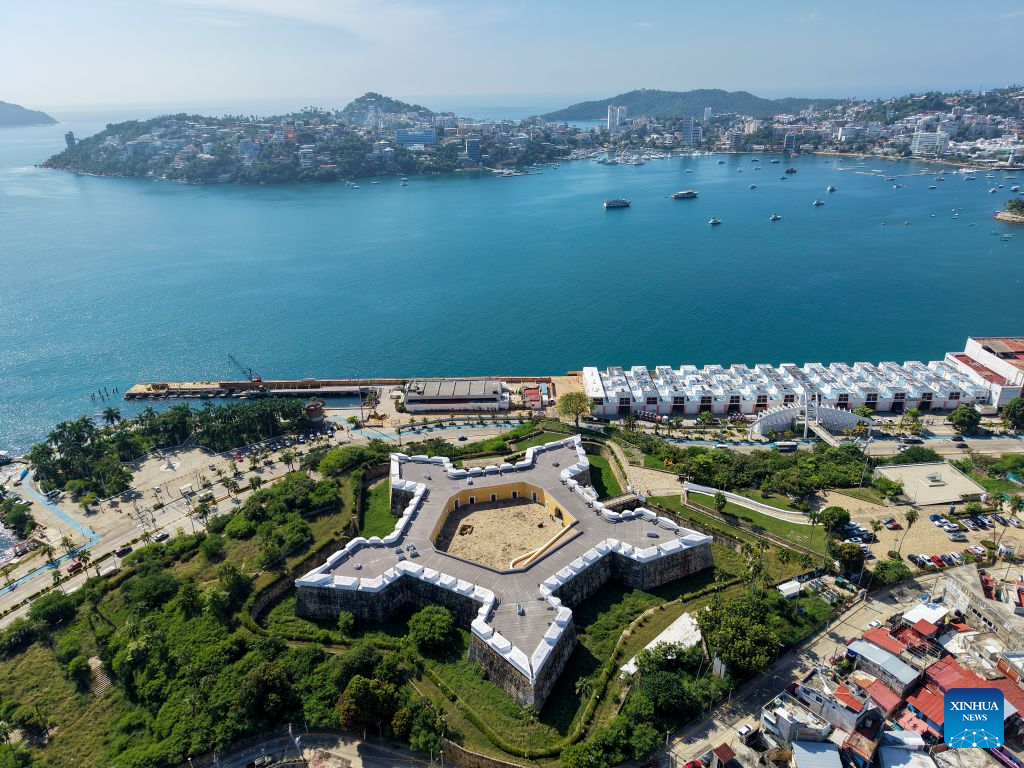
This aerial drone photo taken on Oct. 27, 2026 shows the Fort of San Diego and Acapulco Bay in Acapulco, Guerrero state, Mexico. First built in the 17th century, the fort once served to defend the port against pirate attacks and protect trading vessels arriving from Manila, the Philippines. It now houses the Historical Museum of Acapulco Fort of San Diego. The port city of Acapulco on Mexico's Pacific coast was once a major hub for trade between Asia and the Americas. In 1565, a Spanish galleon sailing from the Philippines reached Acapulco, helping establish a trans-Pacific maritime route. For approximately 250 years, the Manila Galleon trade connected Manila in the Philippines with Acapulco in Mexico, carrying Chinese silk, porcelain, and other Asian goods to the Americas and transporting silver from the Americas to Asia. Traces of this historic maritime trade can still be found in Acapulco today, from the centuries-old Fort of San Diego and Chinese porcelain displayed in its museum to models of sailing ships and a monument commemorating the Manila Galleon. (Xinhua/Li Muzi)
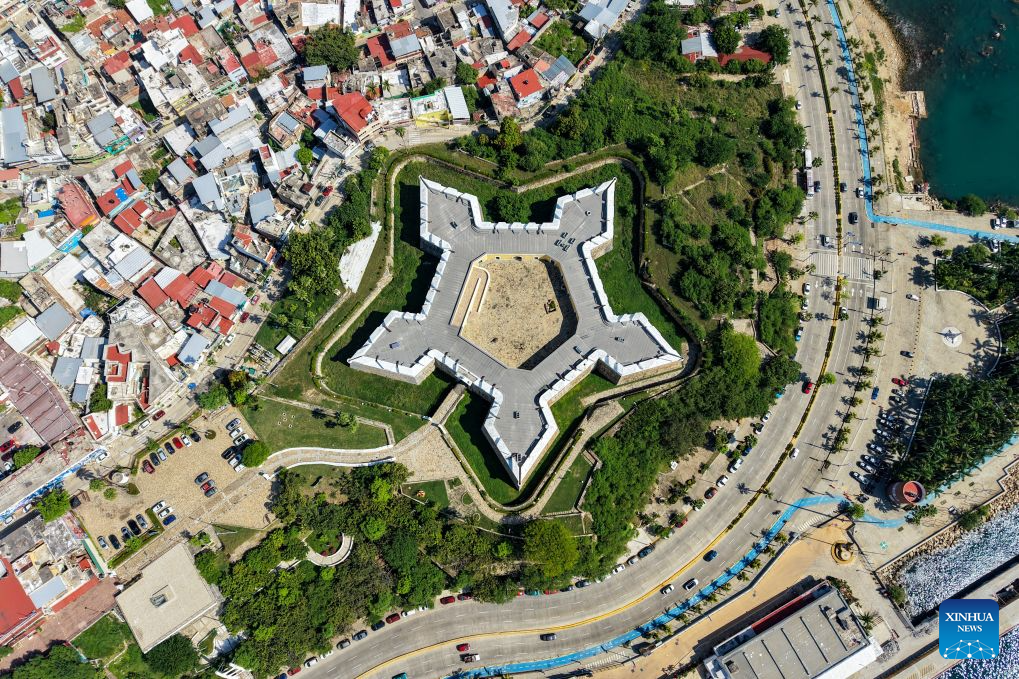
This aerial drone photo taken on Oct. 27, 2026 shows the Fort of San Diego in Acapulco, Guerrero state, Mexico. First built in the 17th century, the fort once served to defend the port against pirate attacks and protect trading vessels arriving from Manila, the Philippines. It now houses the Historical Museum of Acapulco Fort of San Diego. The port city of Acapulco on Mexico's Pacific coast was once a major hub for trade between Asia and the Americas. In 1565, a Spanish galleon sailing from the Philippines reached Acapulco, helping establish a trans-Pacific maritime route. For approximately 250 years, the Manila Galleon trade connected Manila in the Philippines with Acapulco in Mexico, carrying Chinese silk, porcelain, and other Asian goods to the Americas and transporting silver from the Americas to Asia. Traces of this historic maritime trade can still be found in Acapulco today, from the centuries-old Fort of San Diego and Chinese porcelain displayed in its museum to models of sailing ships and a monument commemorating the Manila Galleon. (Xinhua/Li Muzi)


