* With China's zero-tariff treatment for 53 African countries with which it has diplomatic relations having taken effect on May 1, African businesses are looking to the expo to tap the Chinese market and move up the value chain through product processing, brand development and other higher-value activities.
NAIROBI, Oct. 28 (Xinhua) -- In Kigali, Rwanda's capital, Grace Mbabazi, founder and CEO of M&M Sozo Ltd., is busy selecting the company's signature honey products ahead of her upcoming trip to China for the ninth China International Import Expo (CIIE), where she hopes to showcase the Rwandan specialty to a wider Chinese audience.
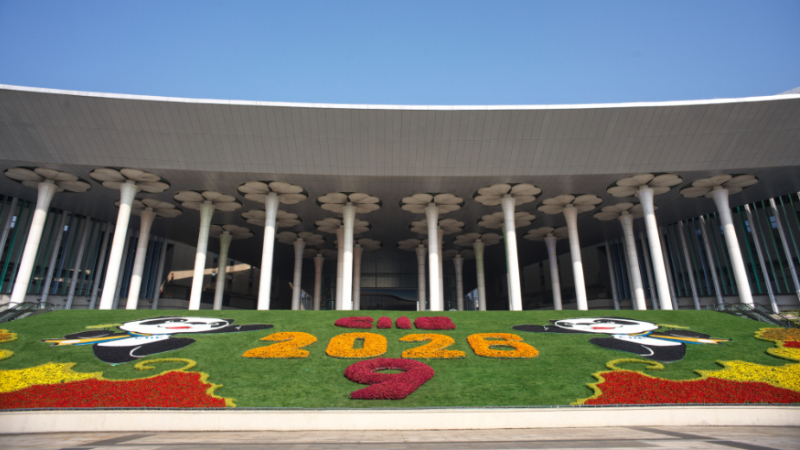
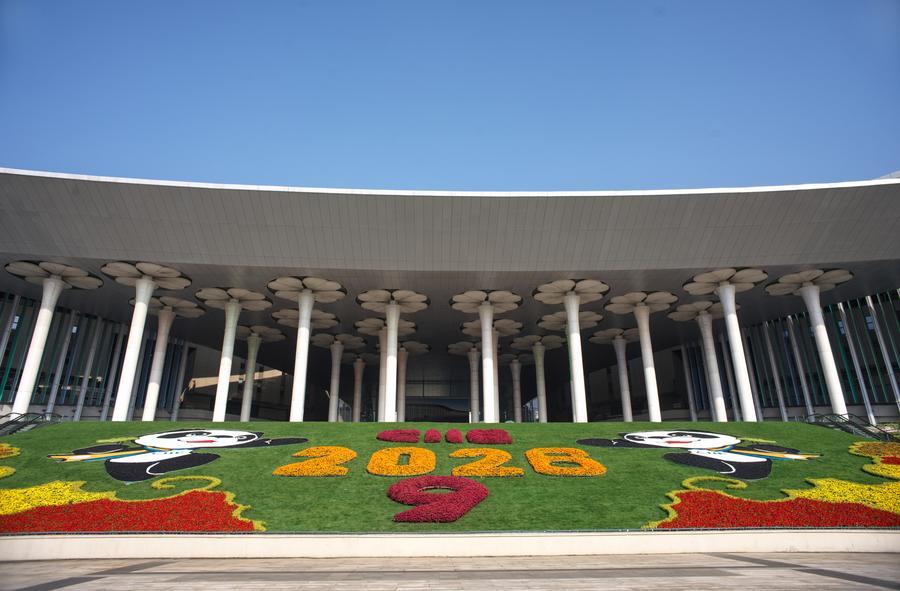
Scheduled to take place in Shanghai from Nov. 5 to 10, this year's expo will bring together returning African exhibitors and newcomers alike.
With China's zero-tariff treatment for 53 African countries with which it has diplomatic relations having taken effect on May 1, African businesses are looking to the expo to tap the Chinese market and move up the value chain through product processing, brand development and other higher-value activities.
NEW FACES, NEW PRODUCTS
This year's CIIE will welcome a number of new African friends, with Gabon making its debut at the national pavilion and Cote d'Ivoire participating collectively for the first time, injecting fresh momentum into China-Africa trade and economic cooperation.
Cote d'Ivoire is seeking to further expand its presence in the Chinese market through the CIIE. Kaladji Fadiga, director of the Cote d'Ivoire Export Agency, told Xinhua that the country would focus on five key sectors at this year's expo: cocoa, coffee, cashew, kola nuts and textiles.
"Our ambition is to make this edition a remarkable showcase that reflects the true potential of our trade with China," he added.
Asnath Adje, head of Cote d'Ivoire's Lya Bissap brand, was delighted to learn that her company had been selected to exhibit at the CIIE. She hopes to introduce hibiscus, a plant familiar to many Ivorians since childhood, to a wider international audience in new forms.
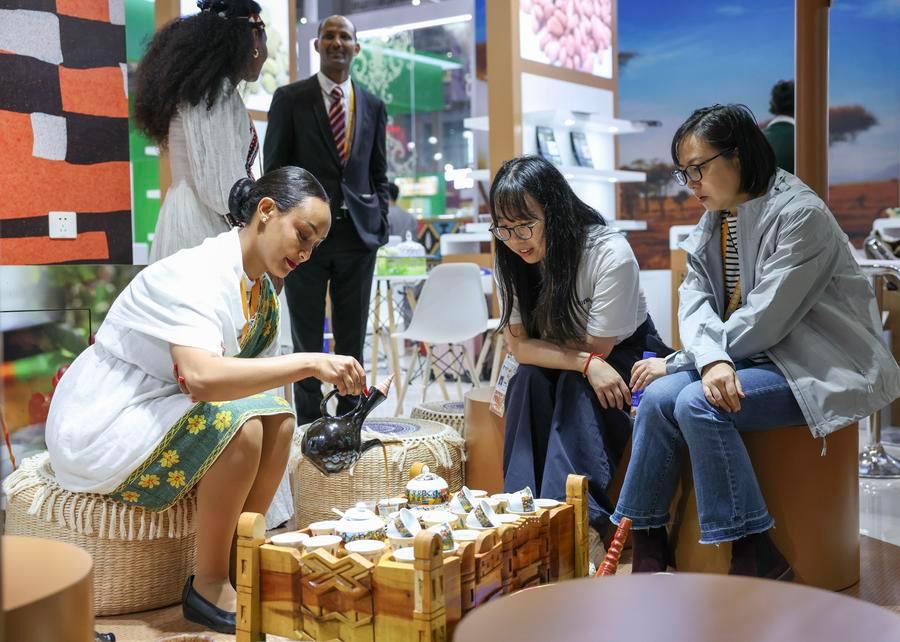
At this year's expo, she plans to showcase hibiscus powder, ultrafine powder and concentrate. The ultrafine powder can be used in food processing and cosmetics, opening up new possibilities for downstream product development, Adje said.
African companies will also bring a diverse range of distinctive products to the expo.
Bansa, a brand from Cameroon, plans to showcase a variety of agricultural and processed products, including roasted sesame seeds, spicy dried meat, sesame brittle made with pure honey, processed cocoa products, shea butter and plantain chips.
"This is my first time participating in the CIIE as an official exhibitor. Last year, I attended as an observer," said Ngoyonga Chaswe Clotilde, a Bansa representative.
Clotilde said she hopes the expo will help promote the brand to a global audience and forge partnerships that could attract investment and support further processing in Cameroon.
NEW GROWTH
China's market has brought tangible benefits for African businesses, with rising export volumes among the most notable.
Kenya's tea exports to China rose from about 2 million kg annually in the past to 12.4 million kg in 2025, and are expected to reach around 20 million kg in 2026, said Willy Mutai, chief executive officer of the Tea Board of Kenya.
Ethiopian coffee company AWO Coffee has also recorded strong growth in China. Its marketing manager, Kaleab Fekad, said the company began exporting to China in 2014, initially shipping only dozens of tonnes annually. In 2025, its exports reached 200 tonnes.
AWO Coffee has expanded its offerings from raw beans to roasted beans and packaged coffee powder. After its first CIIE presence last year, the company recognized the expo's potential for brand promotion and sales, particularly for processed products. It is returning this year to reach more Chinese consumers and further expand its sales, Fekad said.
The CIIE has also helped African businesses forge commercial partnerships.
Wendy Mpendulo, founder of South African nut producer Miante Manufacturing, said that at last year's expo, she met a packaging company manager who expressed interest in appointing her as its representative in South Africa and using the country as a starting point to expand into other African markets.
For Cameroon-based company Africa SARL, the expo has helped establish lasting trade relationships. Its chief executive officer, Pitndap Nchandini Ismaila, said he met Chinese partners at his first CIIE last year, and some of whom have since begun working with the company.
"Thanks to the expo, I was able to meet Chinese partners with whom we now work closely," he said. "Our cooperation has enabled me to expand our plantations and increase exports to China."
China's favorable trade policy toward Africa has provided an additional boost by lowering the cost of accessing the Chinese market.
Mutai said Kenyan tea exporters could save 15 percent in tariffs by obtaining certificates of origin issued by the Kenya Revenue Authority, allowing them to benefit from China's zero-tariff arrangements.
He said inquiries about Kenyan tea have increased noticeably, with Chinese buyers recently traveling to Kenya specifically to seek tea supplies. "It is a big opportunity for Kenya, and we can leverage it to sell more tea," he added.
NEW MOMENTUM
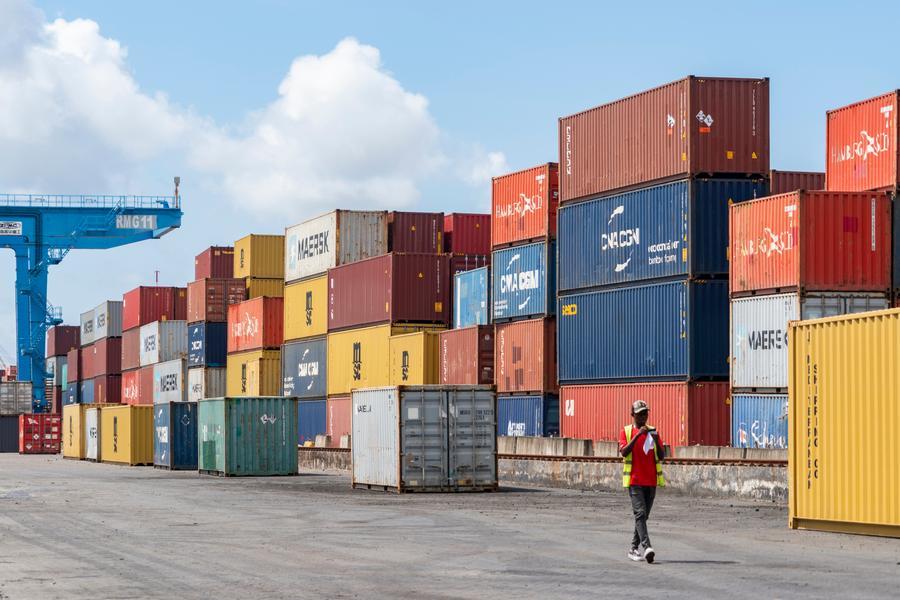
The zero-tariff treatment and China's vast market are also creating incentives for industrial upgrading in African countries. From understanding Chinese demand to raising local production capacity, African businesses are seeking to turn market access into long-term development opportunities.
Repeated participation in the CIIE has helped Zimbabwean leather goods exporter Samuneti Leathers gain a clearer understanding of Chinese consumer preferences.
"We have managed to analyze and understand our customers and what they need, and we are able to give them what they want and need," said Dionne Chibaya, an administrator at Samuneti Leathers.
Building on these insights, the company plans to showcase its finest handcrafted products at this year's expo while gaining a deeper understanding of the market to guide its expansion.
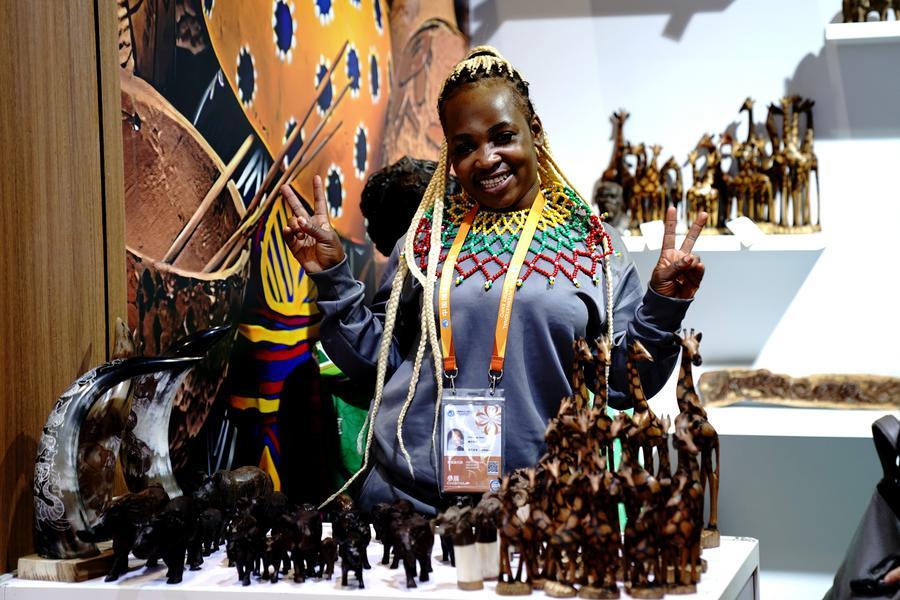
With a long tradition of leather craftsmanship, supported by its livestock sector and diverse wildlife resources, Zimbabwe is seeking to increase exports of value-added leather products. The CIIE offers Zimbabwean producers an opportunity to reach Chinese buyers and explore new business prospects.
Madagascar's mutton made its debut at the seventh CIIE in 2024. The entry into the Chinese market has not only benefited local herders but has also energized the whole "farm-to-table" chain, creating large numbers of direct and indirect jobs, particularly for young people in rural areas.
"From livestock farming and transportation to meat cutting, slaughtering and exports to China, every stage creates jobs for the Malagasy people," Madagascar's Minister of Livestock Riana Nantenaina Randrianomenjanahary said in a recent interview with Xinhua. He said at least 3,000 households benefit from this export-related activity.
Madagascar is stepping up efforts to "improve local production and the value chain, while encouraging a growing number of livestock farmers to join this sector oriented toward the Chinese market," the minister said.
(Video reporters: Deng Bingxue, Chen Shaohua, Fan Haoyu; Video editors: Liang Wanshan, Roger Lott, Wei Yin, Zhang Yuhong, Liu Yutian)■