
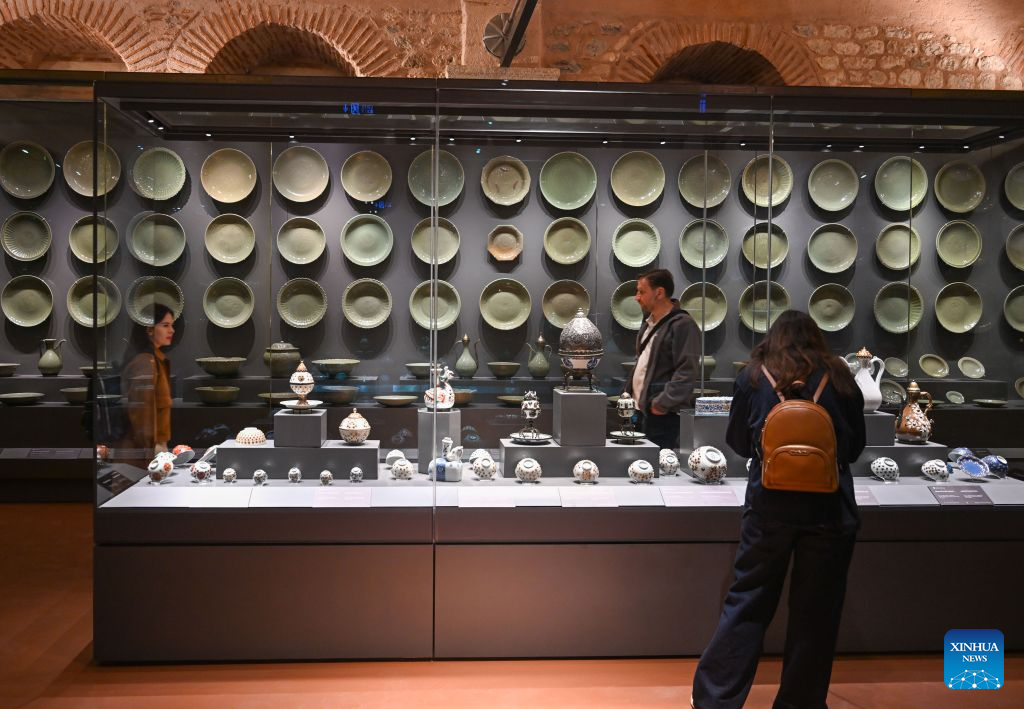
Visitors view Chinese porcelain exhibits at the newly opened Porcelain Museum within the Topkapi Palace in Istanbul, Türkiye, Oct. 25, 2026. Türkiye on Saturday inaugurated a new museum district within Istanbul's historic Topkapi Palace, where thousands of Chinese porcelain pieces are on display, reflecting centuries of cultural exchanges between China and Türkiye. Restored into a historical neighborhood complete with its own streets and squares, the palace's former mint now houses the Porcelain Museum, which displays 5,300 pieces -- including 3,500 Chinese porcelains -- across 19 halls. Dating back to the 13th century, Chinese porcelains -- particularly those from Jingdezhen -- traveled along the ancient Silk Road to the Ottoman court. (Xinhua/Liu Lei)
ISTANBUL, Oct. 24 (Xinhua) -- Türkiye on Saturday inaugurated a new museum district within Istanbul's historic Topkapi Palace, where thousands of Chinese porcelain pieces are on display, reflecting centuries of cultural exchanges between China and Türkiye.
Speaking at the opening ceremony, Turkish President Recep Tayyip Erdogan emphasized the nation's exceptional heritage in history, culture, architecture, and art, noting that these artifacts reflect an understanding of civilization shaped over centuries.
Ahead of the opening, Yasin Yildiz, president of the National Palaces, highlighted the significance of Topkapi Palace's Chinese porcelain at a press briefing.
Restored into a historical neighborhood complete with its own streets and squares, the palace's former mint now houses the Porcelain Museum, which displays 5,300 pieces -- including 3,500 Chinese porcelains -- across 19 halls.
Yildiz emphasized that Topkapi Palace holds one of the world's most prominent collections of Chinese ceramics, noting that their prolonged absence from display had created a long-standing public expectation. "We are finally meeting this expectation," he said.
The opening has drawn considerable interest from academic and archaeological circles.
"There is no doubt that this is one of the most important porcelain collections in the world, where we will perhaps have the chance to see the rarest examples of Chinese porcelain," Turan Takaoglu, a researcher at the Archaeology Department of Canakkale Onsekiz Mart University, told Xinhua.
Dating back to the 13th century, Chinese porcelains -- particularly those from Jingdezhen -- traveled along the ancient Silk Road to the Ottoman court. The sultans' deep admiration for these exquisite pieces not only made them a symbol of prestige but also inspired the flourishing of traditional Ottoman ceramic arts, creating a unique cultural synthesis.
For Ke Guoxing, general manager of the Jingdezhen porcelain official flagship store in Istanbul, the exhibition marks a milestone in cultural exchange.
"For a long time, these collections were mostly kept in storerooms, with very limited access," Ke said. "Now, the centralized display of 3,500 Chinese porcelains gives more people their first chance to appreciate this history closely."
He emphasized the collection's immense academic value, particularly regarding the blue-and-white porcelains from the Yuan and Ming dynasties.
Many Yuan-era pieces from Jingdezhen were custom-made for the Islamic world, featuring large forms and dense patterns that are rarely seen within China itself, Ke noted.
"These collections provide irreplaceable physical evidence for studying the export of Chinese porcelain and the fusion of aesthetics," he added, expressing hope that the public display would facilitate joint research between Chinese and international scholars.
Beyond porcelain, the sprawling mint complex features four other distinct museums dedicated to Calligraphy, Weapons, Maps, and Minting History. ■
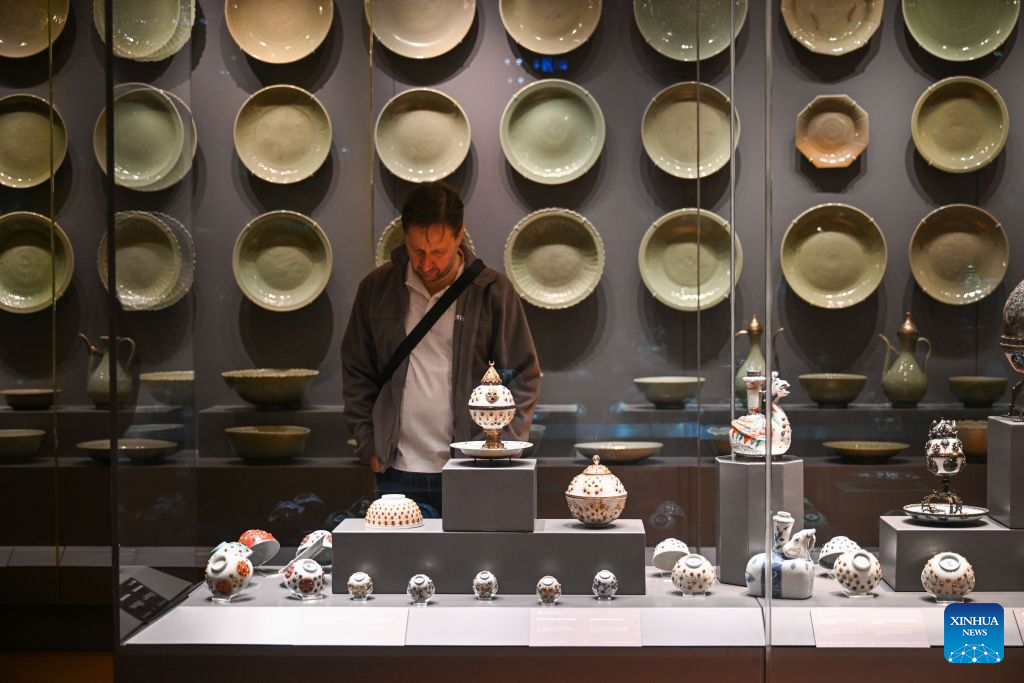
A visitor views Chinese porcelain exhibits at the newly opened Porcelain Museum within the Topkapi Palace in Istanbul, Türkiye, Oct. 25, 2026.
Türkiye on Saturday inaugurated a new museum district within Istanbul's historic Topkapi Palace, where thousands of Chinese porcelain pieces are on display, reflecting centuries of cultural exchanges between China and Türkiye.
Restored into a historical neighborhood complete with its own streets and squares, the palace's former mint now houses the Porcelain Museum, which displays 5,300 pieces -- including 3,500 Chinese porcelains -- across 19 halls.
Dating back to the 13th century, Chinese porcelains -- particularly those from Jingdezhen -- traveled along the ancient Silk Road to the Ottoman court. (Xinhua/Liu Lei)
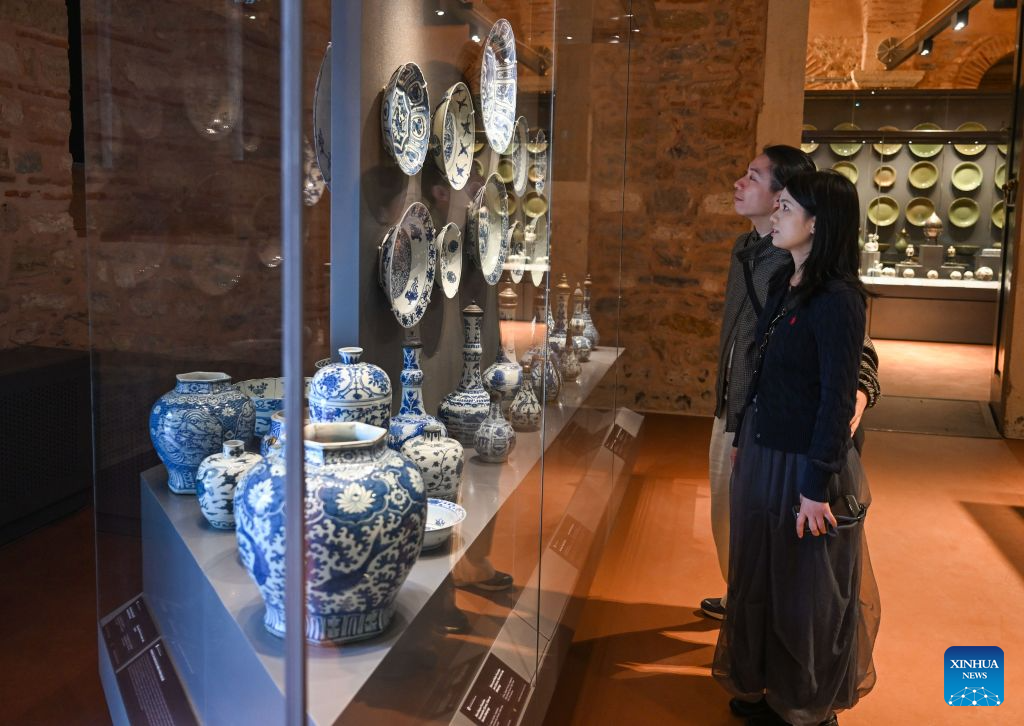
Visitors view Chinese porcelain exhibits at the newly opened Porcelain Museum within the Topkapi Palace in Istanbul, Türkiye, Oct. 25, 2026.
Türkiye on Saturday inaugurated a new museum district within Istanbul's historic Topkapi Palace, where thousands of Chinese porcelain pieces are on display, reflecting centuries of cultural exchanges between China and Türkiye.
Restored into a historical neighborhood complete with its own streets and squares, the palace's former mint now houses the Porcelain Museum, which displays 5,300 pieces -- including 3,500 Chinese porcelains -- across 19 halls.
Dating back to the 13th century, Chinese porcelains -- particularly those from Jingdezhen -- traveled along the ancient Silk Road to the Ottoman court. (Xinhua/Liu Lei)
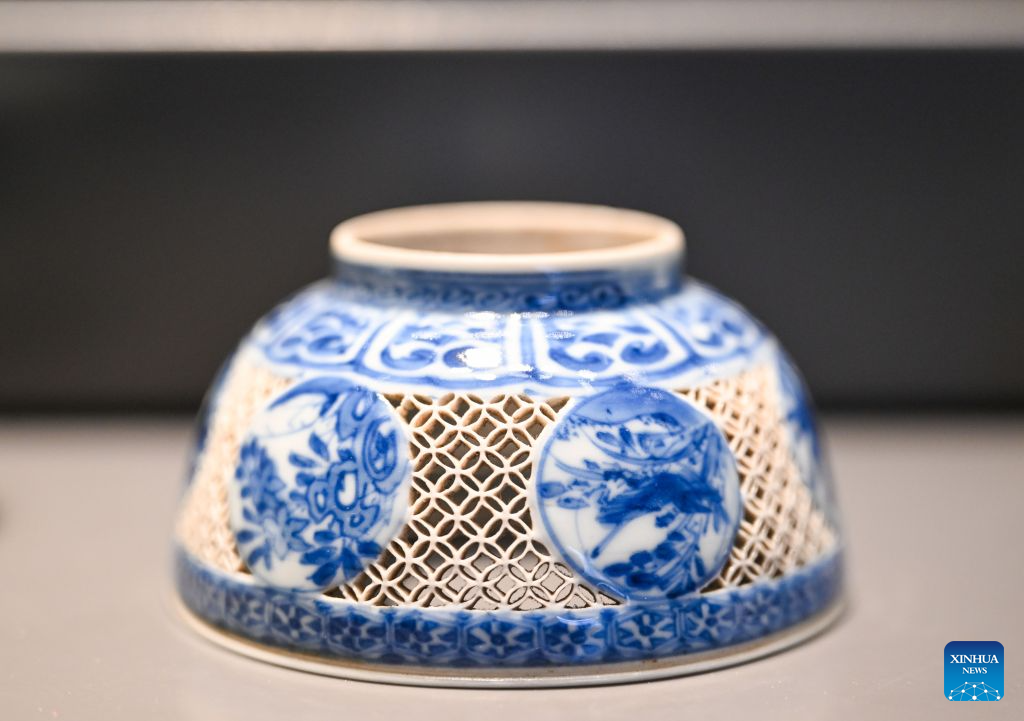
A piece of Chinese porcelain is on display at the newly opened Porcelain Museum within the Topkapi Palace in Istanbul, Türkiye, Oct. 25, 2026.
Türkiye on Saturday inaugurated a new museum district within Istanbul's historic Topkapi Palace, where thousands of Chinese porcelain pieces are on display, reflecting centuries of cultural exchanges between China and Türkiye.
Restored into a historical neighborhood complete with its own streets and squares, the palace's former mint now houses the Porcelain Museum, which displays 5,300 pieces -- including 3,500 Chinese porcelains -- across 19 halls.
Dating back to the 13th century, Chinese porcelains -- particularly those from Jingdezhen -- traveled along the ancient Silk Road to the Ottoman court. (Xinhua/Liu Lei)
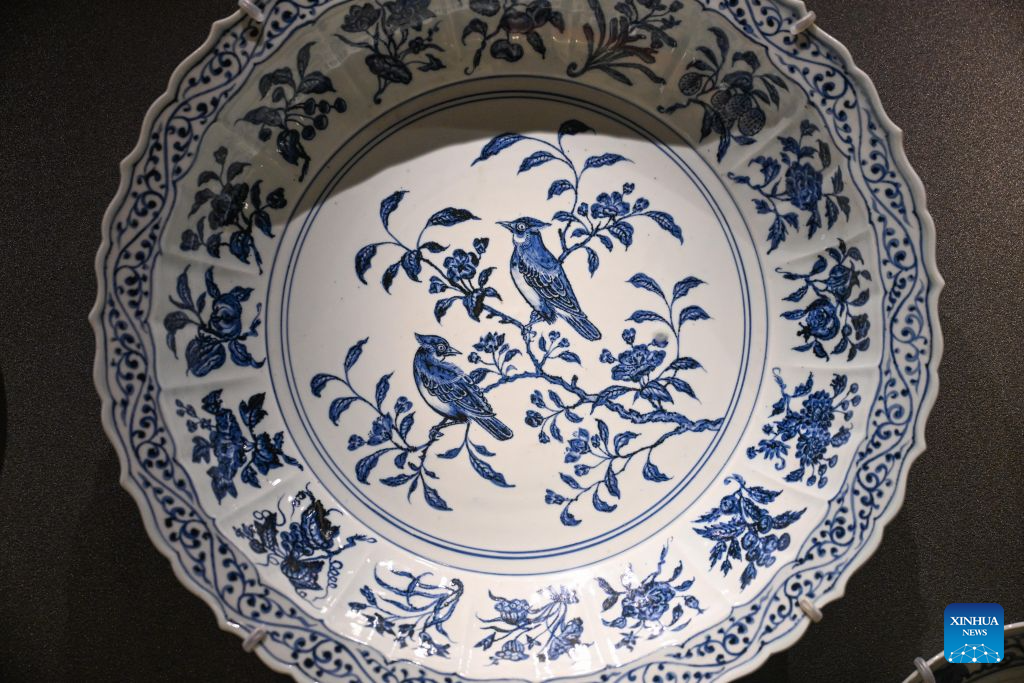
A piece of Chinese porcelain is on display at the newly opened Porcelain Museum within the Topkapi Palace in Istanbul, Türkiye, Oct. 25, 2026.
Türkiye on Saturday inaugurated a new museum district within Istanbul's historic Topkapi Palace, where thousands of Chinese porcelain pieces are on display, reflecting centuries of cultural exchanges between China and Türkiye.
Restored into a historical neighborhood complete with its own streets and squares, the palace's former mint now houses the Porcelain Museum, which displays 5,300 pieces -- including 3,500 Chinese porcelains -- across 19 halls.
Dating back to the 13th century, Chinese porcelains -- particularly those from Jingdezhen -- traveled along the ancient Silk Road to the Ottoman court. (Xinhua/Liu Lei)
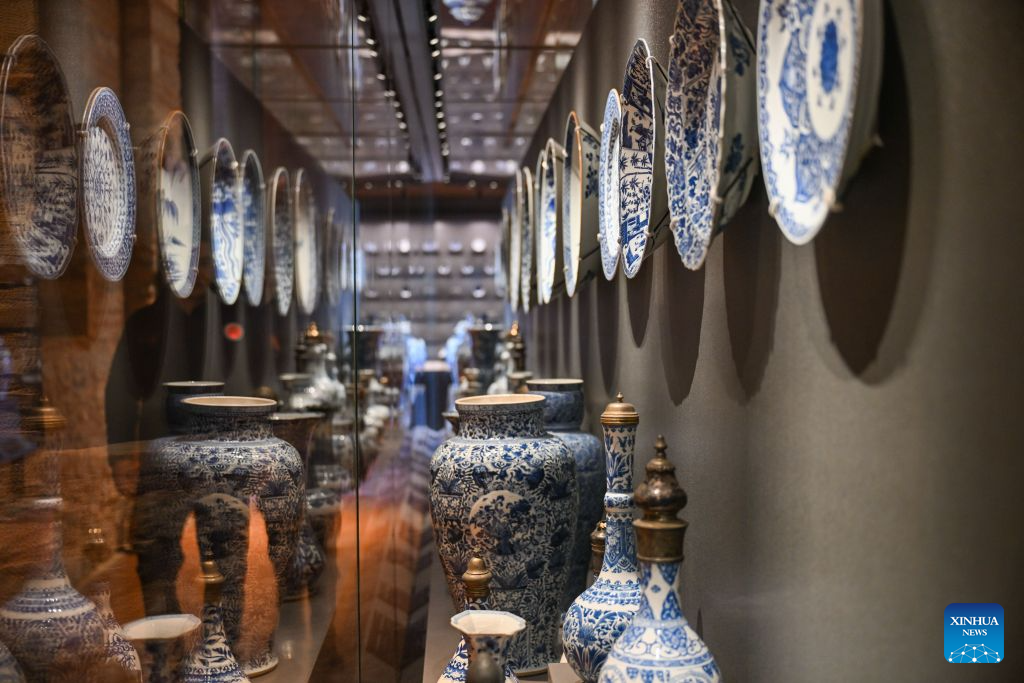
Chinese porcelain pieces are on display at the newly opened Porcelain Museum within the Topkapi Palace in Istanbul, Türkiye, Oct. 25, 2026.
Türkiye on Saturday inaugurated a new museum district within Istanbul's historic Topkapi Palace, where thousands of Chinese porcelain pieces are on display, reflecting centuries of cultural exchanges between China and Türkiye.
Restored into a historical neighborhood complete with its own streets and squares, the palace's former mint now houses the Porcelain Museum, which displays 5,300 pieces -- including 3,500 Chinese porcelains -- across 19 halls.
Dating back to the 13th century, Chinese porcelains -- particularly those from Jingdezhen -- traveled along the ancient Silk Road to the Ottoman court. (Xinhua/Liu Lei)
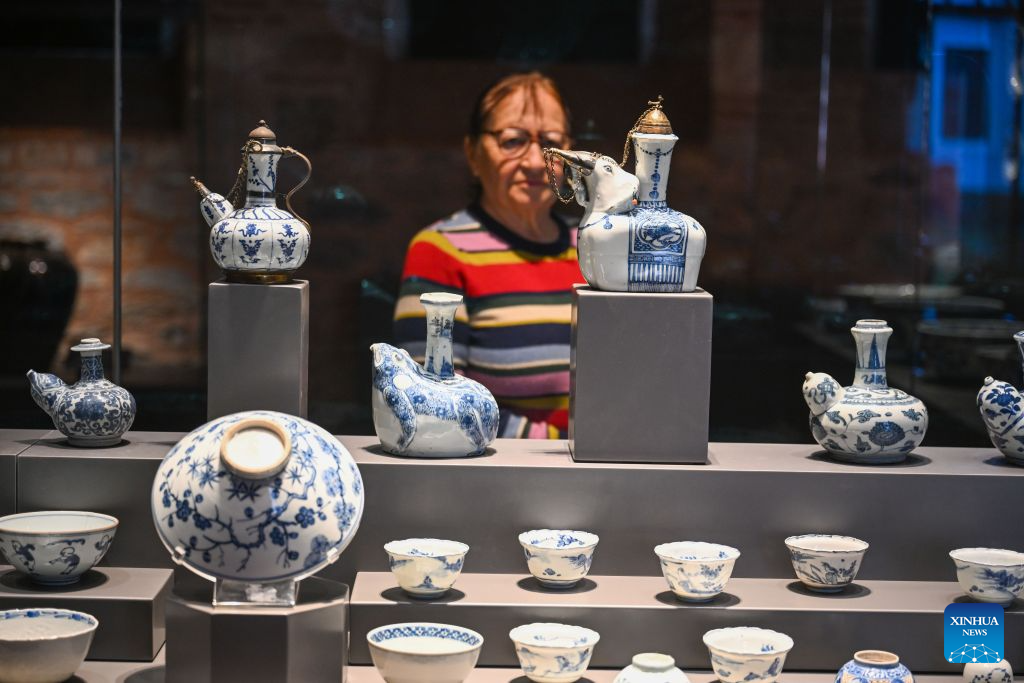
A visitor views Chinese porcelain exhibits at the newly opened Porcelain Museum within the Topkapi Palace in Istanbul, Türkiye, Oct. 25, 2026.
Türkiye on Saturday inaugurated a new museum district within Istanbul's historic Topkapi Palace, where thousands of Chinese porcelain pieces are on display, reflecting centuries of cultural exchanges between China and Türkiye.
Restored into a historical neighborhood complete with its own streets and squares, the palace's former mint now houses the Porcelain Museum, which displays 5,300 pieces -- including 3,500 Chinese porcelains -- across 19 halls.
Dating back to the 13th century, Chinese porcelains -- particularly those from Jingdezhen -- traveled along the ancient Silk Road to the Ottoman court. (Xinhua/Liu Lei)
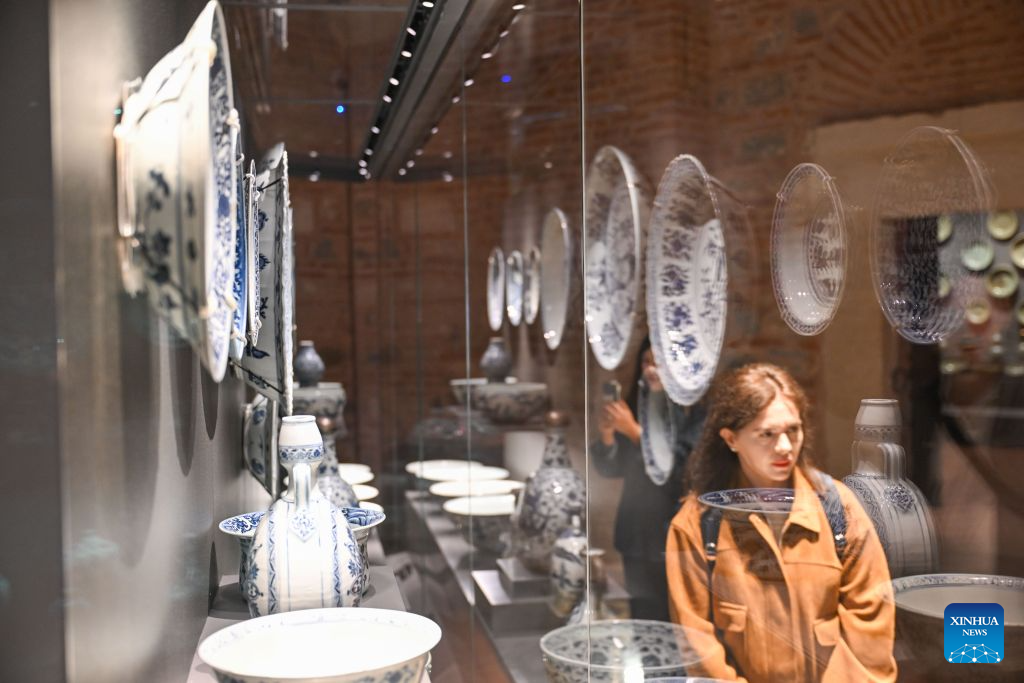
A visitor views Chinese porcelain exhibits at the newly opened Porcelain Museum within the Topkapi Palace in Istanbul, Türkiye, Oct. 25, 2026.
Türkiye on Saturday inaugurated a new museum district within Istanbul's historic Topkapi Palace, where thousands of Chinese porcelain pieces are on display, reflecting centuries of cultural exchanges between China and Türkiye.
Restored into a historical neighborhood complete with its own streets and squares, the palace's former mint now houses the Porcelain Museum, which displays 5,300 pieces -- including 3,500 Chinese porcelains -- across 19 halls.
Dating back to the 13th century, Chinese porcelains -- particularly those from Jingdezhen -- traveled along the ancient Silk Road to the Ottoman court. (Xinhua/Liu Lei)
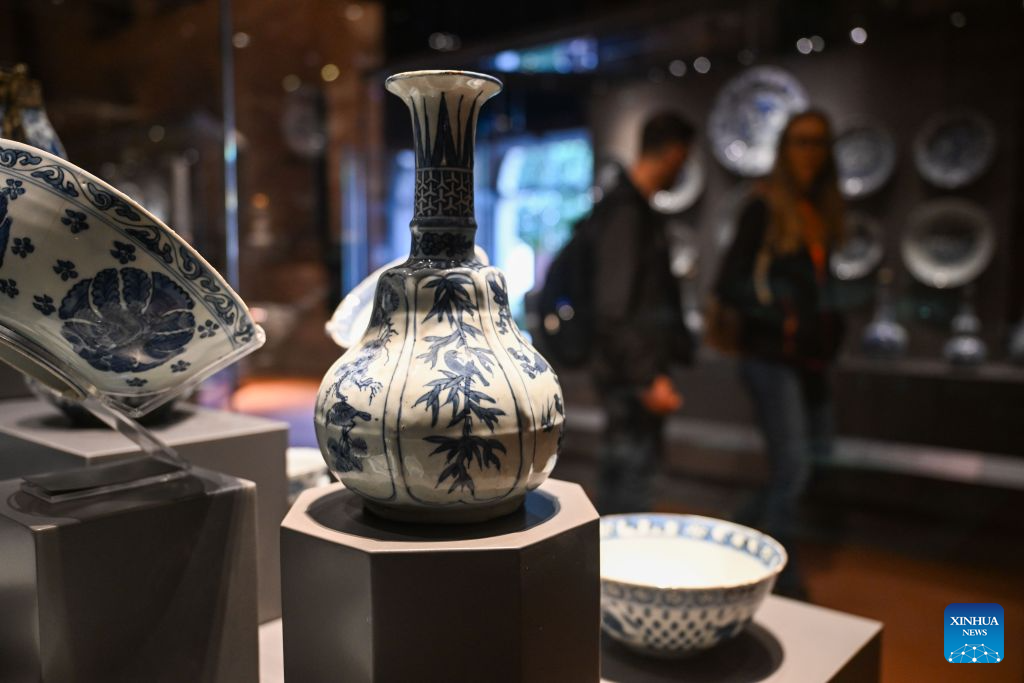
Chinese porcelain pieces are on display at the newly opened Porcelain Museum within the Topkapi Palace in Istanbul, Türkiye, Oct. 25, 2026.
Türkiye on Saturday inaugurated a new museum district within Istanbul's historic Topkapi Palace, where thousands of Chinese porcelain pieces are on display, reflecting centuries of cultural exchanges between China and Türkiye.
Restored into a historical neighborhood complete with its own streets and squares, the palace's former mint now houses the Porcelain Museum, which displays 5,300 pieces -- including 3,500 Chinese porcelains -- across 19 halls.
Dating back to the 13th century, Chinese porcelains -- particularly those from Jingdezhen -- traveled along the ancient Silk Road to the Ottoman court. (Xinhua/Liu Lei)
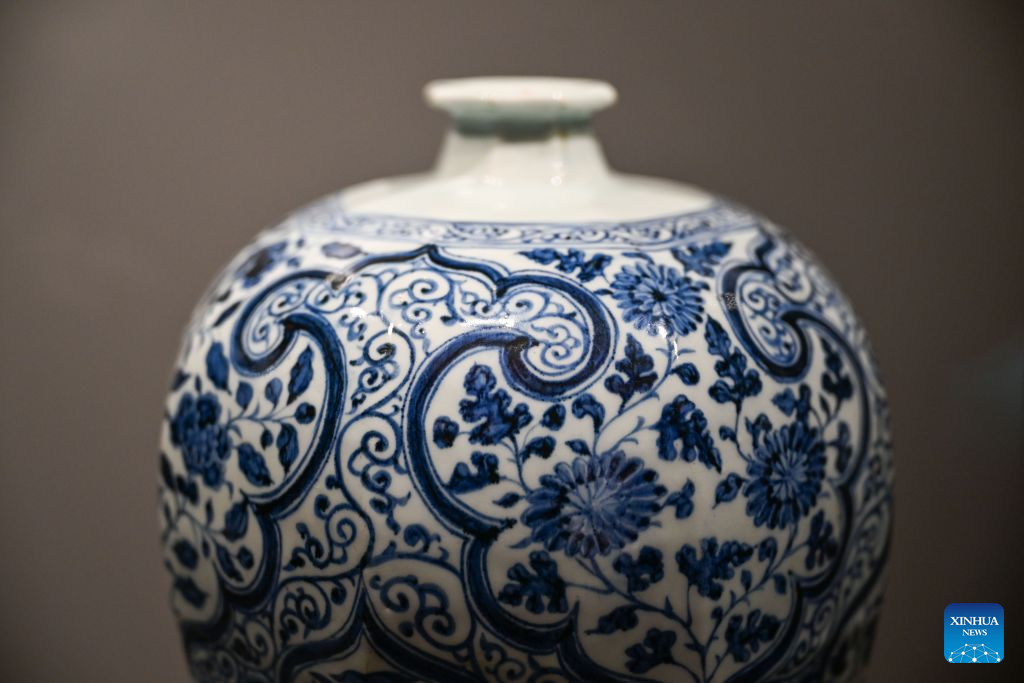
A piece of Chinese porcelain is on display at the newly opened Porcelain Museum within the Topkapi Palace in Istanbul, Türkiye, Oct. 25, 2026.
Türkiye on Saturday inaugurated a new museum district within Istanbul's historic Topkapi Palace, where thousands of Chinese porcelain pieces are on display, reflecting centuries of cultural exchanges between China and Türkiye.
Restored into a historical neighborhood complete with its own streets and squares, the palace's former mint now houses the Porcelain Museum, which displays 5,300 pieces -- including 3,500 Chinese porcelains -- across 19 halls.
Dating back to the 13th century, Chinese porcelains -- particularly those from Jingdezhen -- traveled along the ancient Silk Road to the Ottoman court. (Xinhua/Liu Lei)
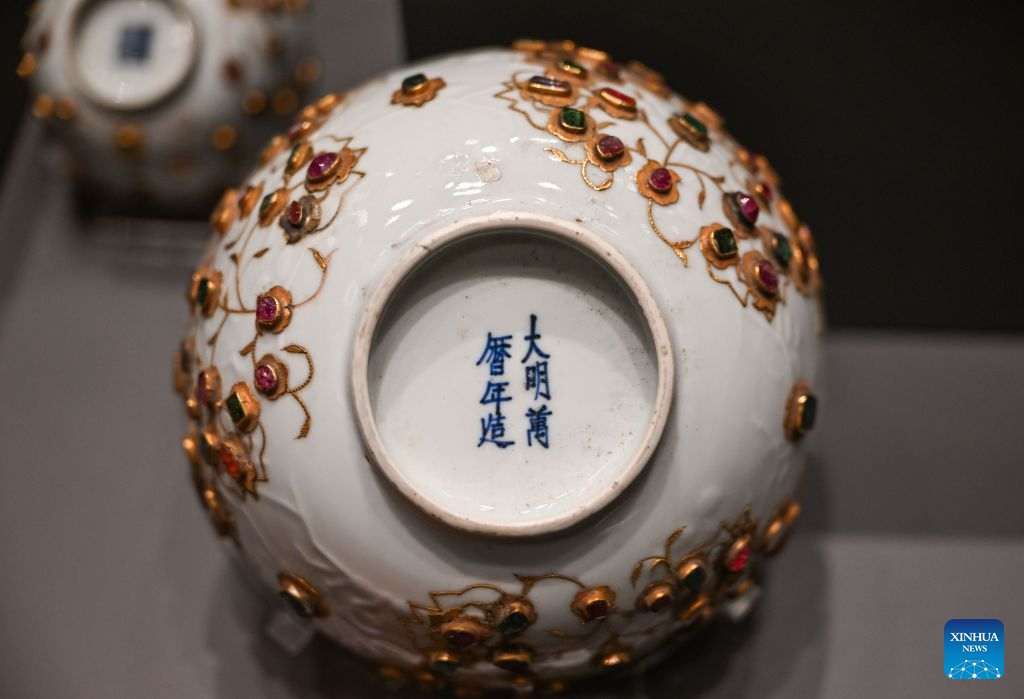
A piece of Chinese porcelain is on display at the newly opened Porcelain Museum within the Topkapi Palace in Istanbul, Türkiye, Oct. 25, 2026.
Türkiye on Saturday inaugurated a new museum district within Istanbul's historic Topkapi Palace, where thousands of Chinese porcelain pieces are on display, reflecting centuries of cultural exchanges between China and Türkiye.
Restored into a historical neighborhood complete with its own streets and squares, the palace's former mint now houses the Porcelain Museum, which displays 5,300 pieces -- including 3,500 Chinese porcelains -- across 19 halls.
Dating back to the 13th century, Chinese porcelains -- particularly those from Jingdezhen -- traveled along the ancient Silk Road to the Ottoman court. (Xinhua/Liu Lei)
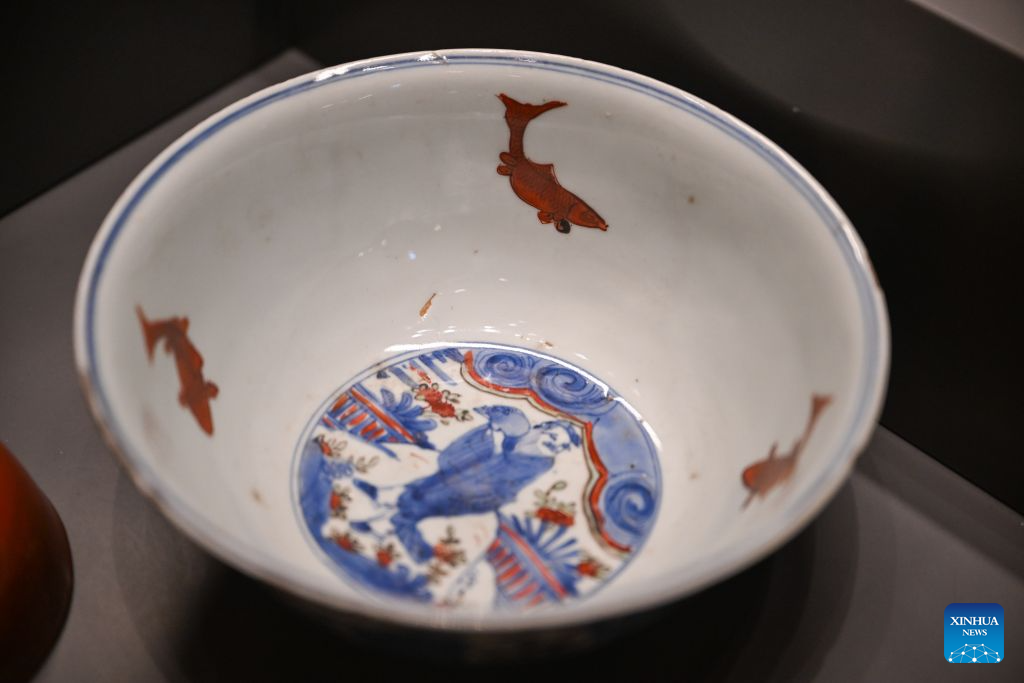
A piece of Chinese porcelain is on display at the newly opened Porcelain Museum within the Topkapi Palace in Istanbul, Türkiye, Oct. 25, 2026.
Türkiye on Saturday inaugurated a new museum district within Istanbul's historic Topkapi Palace, where thousands of Chinese porcelain pieces are on display, reflecting centuries of cultural exchanges between China and Türkiye.
Restored into a historical neighborhood complete with its own streets and squares, the palace's former mint now houses the Porcelain Museum, which displays 5,300 pieces -- including 3,500 Chinese porcelains -- across 19 halls.
Dating back to the 13th century, Chinese porcelains -- particularly those from Jingdezhen -- traveled along the ancient Silk Road to the Ottoman court. (Xinhua/Liu Lei)
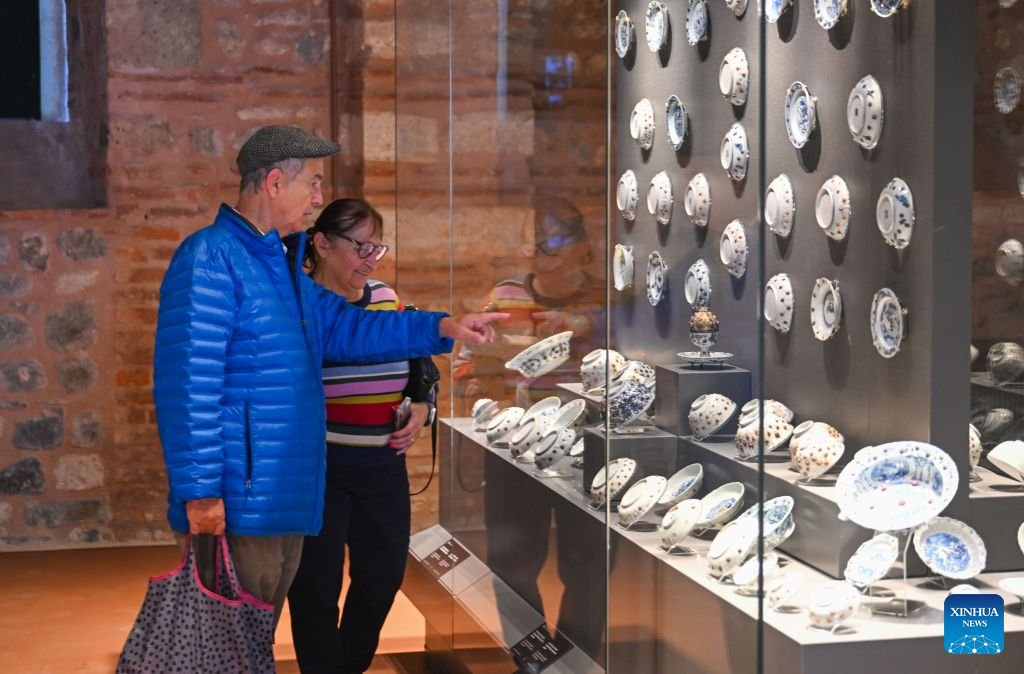
Visitors view Chinese porcelain exhibits at the newly opened Porcelain Museum within the Topkapi Palace in Istanbul, Türkiye, Oct. 25, 2026.
Türkiye on Saturday inaugurated a new museum district within Istanbul's historic Topkapi Palace, where thousands of Chinese porcelain pieces are on display, reflecting centuries of cultural exchanges between China and Türkiye.
Restored into a historical neighborhood complete with its own streets and squares, the palace's former mint now houses the Porcelain Museum, which displays 5,300 pieces -- including 3,500 Chinese porcelains -- across 19 halls.
Dating back to the 13th century, Chinese porcelains -- particularly those from Jingdezhen -- traveled along the ancient Silk Road to the Ottoman court. (Xinhua/Liu Lei)
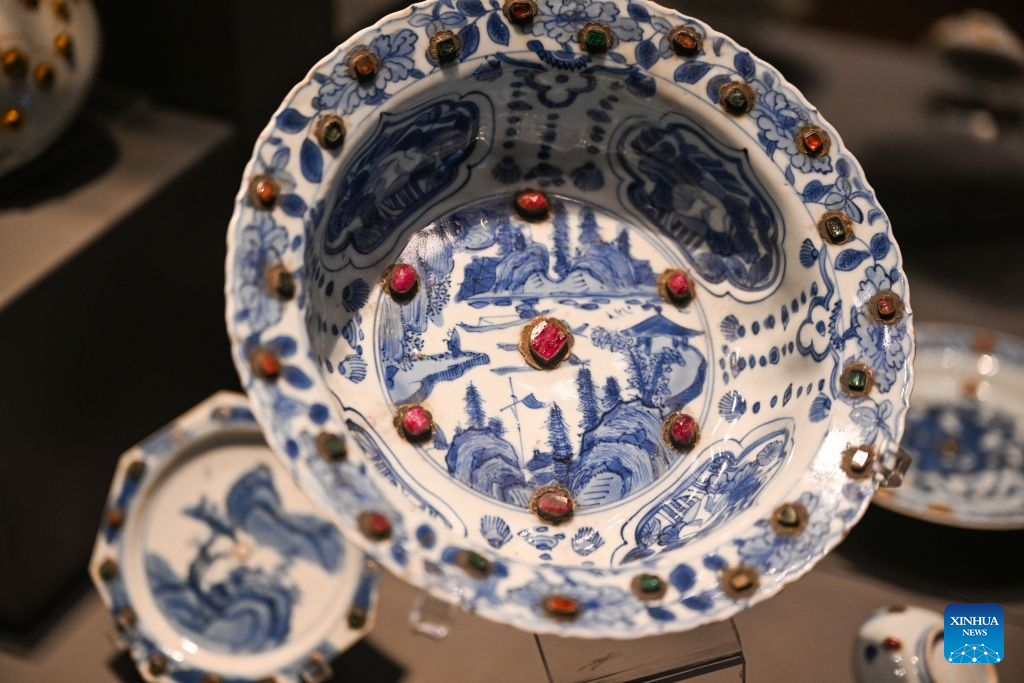
A piece of Chinese porcelain is on display at the newly opened Porcelain Museum within the Topkapi Palace in Istanbul, Türkiye, Oct. 25, 2026.
Türkiye on Saturday inaugurated a new museum district within Istanbul's historic Topkapi Palace, where thousands of Chinese porcelain pieces are on display, reflecting centuries of cultural exchanges between China and Türkiye.
Restored into a historical neighborhood complete with its own streets and squares, the palace's former mint now houses the Porcelain Museum, which displays 5,300 pieces -- including 3,500 Chinese porcelains -- across 19 halls.
Dating back to the 13th century, Chinese porcelains -- particularly those from Jingdezhen -- traveled along the ancient Silk Road to the Ottoman court. (Xinhua/Liu Lei)
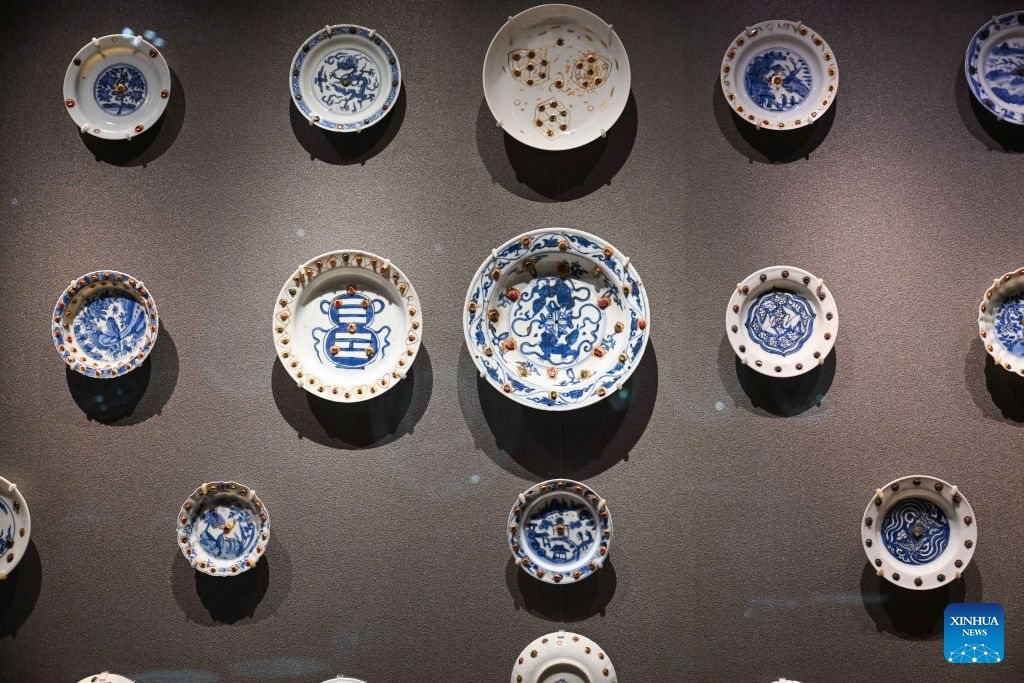
Chinese porcelain pieces are on display at the newly opened Porcelain Museum within the Topkapi Palace in Istanbul, Türkiye, Oct. 25, 2026.
Türkiye on Saturday inaugurated a new museum district within Istanbul's historic Topkapi Palace, where thousands of Chinese porcelain pieces are on display, reflecting centuries of cultural exchanges between China and Türkiye.
Restored into a historical neighborhood complete with its own streets and squares, the palace's former mint now houses the Porcelain Museum, which displays 5,300 pieces -- including 3,500 Chinese porcelains -- across 19 halls.
Dating back to the 13th century, Chinese porcelains -- particularly those from Jingdezhen -- traveled along the ancient Silk Road to the Ottoman court. (Xinhua/Liu Lei)
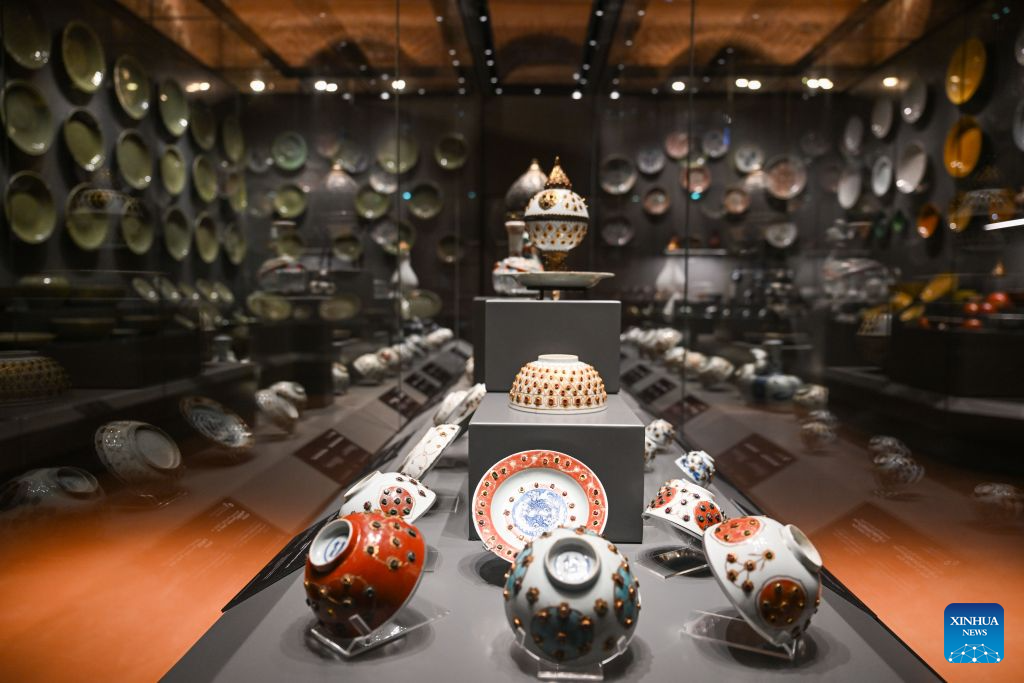
Chinese porcelain pieces are on display at the newly opened Porcelain Museum within the Topkapi Palace in Istanbul, Türkiye, Oct. 25, 2026.
Türkiye on Saturday inaugurated a new museum district within Istanbul's historic Topkapi Palace, where thousands of Chinese porcelain pieces are on display, reflecting centuries of cultural exchanges between China and Türkiye.
Restored into a historical neighborhood complete with its own streets and squares, the palace's former mint now houses the Porcelain Museum, which displays 5,300 pieces -- including 3,500 Chinese porcelains -- across 19 halls.
Dating back to the 13th century, Chinese porcelains -- particularly those from Jingdezhen -- traveled along the ancient Silk Road to the Ottoman court. (Xinhua/Liu Lei)


