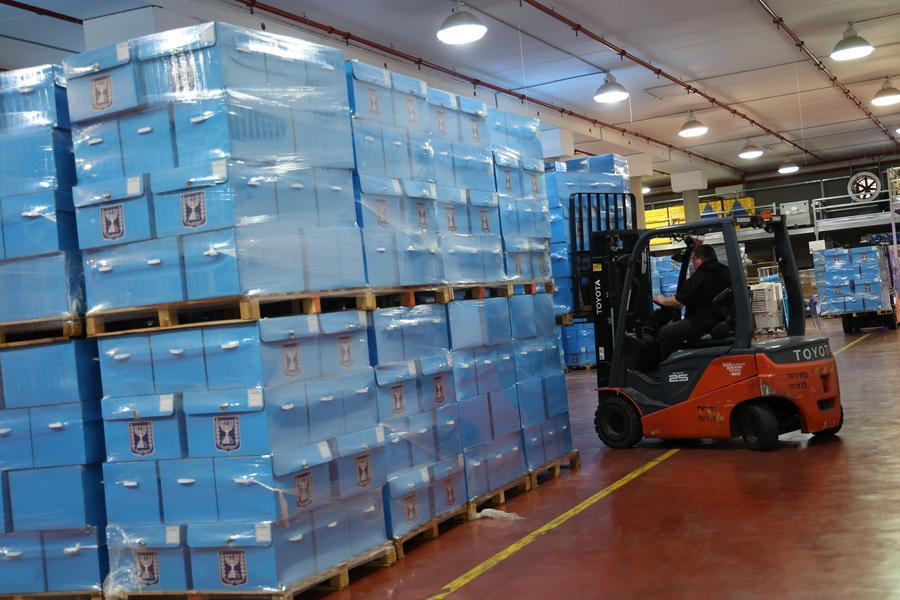
JERUSALEM, Oct. 22 (Xinhua) -- Israelis will vote on Oct. 27 to elect the 26th Knesset, the country's parliament, with about 7.3 million eligible voters.
It will be Israel's first election since the Hamas-led attack on Oct. 7, 2023, which killed about 1,200 people in Israel and triggered a devastating Israeli offensive in Gaza, followed by a wider regional escalation involving Lebanon and Iran.
HOW DO ISRAEL'S ELECTIONS WORK?
In Israel, winning the most seats does not necessarily mean winning the premiership. The next prime minister will be the lawmaker who can assemble a governing coalition with the support of at least 61 members of the 120-seat Knesset.
Israel's system of nationwide proportional representation means voters choose party lists rather than individual candidates. Seats are allocated according to each party's share of the vote, provided it crosses the electoral threshold of 3.25 percent.
No single party has ever won an outright majority in the Knesset, making coalition-building essential.
WHICH PARTIES ARE CONTESTING THE ELECTION?
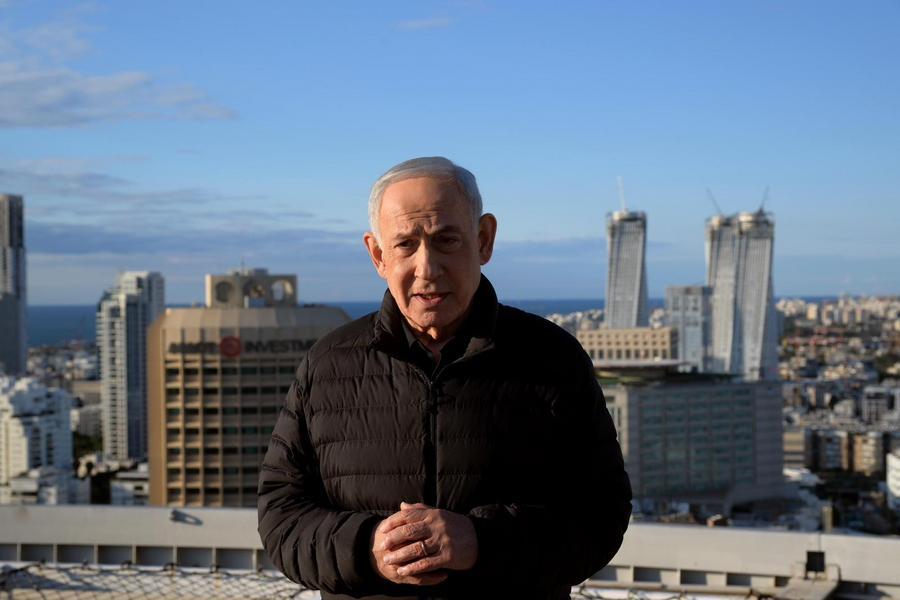
Israeli Prime Minister Benjamin Netanyahu's right-wing Likud party has dominated Israeli politics for much of the past two decades and draws support largely from conservative and nationalist voters.
Likud heads a bloc of far-right and religious parties, including Otzma Yehudit (Hebrew for "Jewish Power"), led by National Security Minister Itamar Ben-Gvir; Religious Zionism, led by Finance Minister Bezalel Smotrich, and the two ultra-Orthodox parties, Shas and United Torah Judaism.
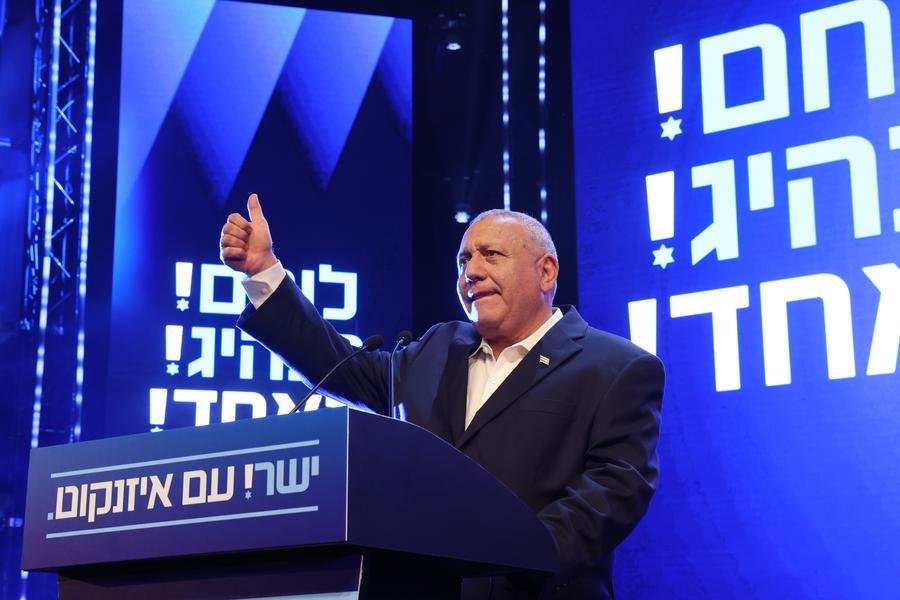
The main opposition parties include Yashar (Hebrew for "straight" or "honest"), headed by former military chief Gadi Eisenkot, and Together, an alliance of former prime ministers Naftali Bennett and Yair Lapid that brings together right-wing and centrist voters opposed to Netanyahu.
The Democrats, led by Yair Golan, advocates civil liberties and a two-state solution, while Avigdor Lieberman's right-wing Yisrael Beiteinu (Hebrew for "Israel Our Home") party traditionally draws support from Russian-speaking Israelis, who account for approximately 15 percent of Israel's population.
Two predominantly Arab lists are also running: the Joint List, comprising Hadash, Ta'al and Balad, which advocates Palestinian citizens' rights and an end to Israel's occupation; and Ra'am, an Arab-majority party that focuses on improving conditions in Arab communities and has previously joined a governing coalition.
Smaller parties near the electoral threshold could also prove decisive, as votes for lists that fail to cross it are excluded from seat allocation.
WHAT DO OPINION POLLS SHOW?
In most recent polls, Netanyahu's Likud party has trailed Eisenkot's Yashar party.
An early October survey by Israel's Channel 12 News projected Netanyahu's bloc to win 49 seats, compared with 54 for the main non-Arab opposition bloc, leaving Arab parties and smaller lists holding the balance of power.
A poll published by Israeli public broadcaster Kan earlier this week projected 51 seats for Netanyahu's bloc and 52 for the main non-Arab opposition bloc.
Neither Netanyahu's bloc nor the main opposition bloc appears poised to secure the 61 seats needed for a parliamentary majority, according to the polls.
WHO IS NETANYAHU'S MAIN CHALLENGER?
Eisenkot, 66, has emerged as Netanyahu's leading rival, with Yashar ranking the largest party in most polls.
A former minister in Netanyahu's wartime government, Eisenkot has campaigned on restoring public trust and investigating the failures surrounding the Oct. 7 attack.
On Wednesday, he ruled out serving in a government led by Netanyahu, even in a power-sharing agreement involving a rotation of the premiership.
Despite their rivalry, both politicians take a hard line on national security and oppose the establishment of an independent Palestinian state. They differ on some other issues, including settlement policy.
WHAT ARE THE MAIN ISSUES?
National security and accountability for the Oct. 7 attack are central campaign issues, alongside Israel's military operations in Gaza and Lebanon and its conflict with Iran.
Netanyahu has highlighted what he describes as Israel's military achievements. His opponents blame him for failing to prevent the attack and demand an independent inquiry.
Other major issues include mandatory military service exemptions for ultra-Orthodox men, the high cost of living and government efforts to increase political influence over the judiciary.
Netanyahu's corruption trial also overshadows the campaign. He denies all charges. ■