TOKYO, Oct. 19 (Xinhua) -- More than 80 years after World War II, Japan faces a fundamental question: Will it learn from the catastrophe of militarism and remain committed to peace, or allow historical revisionism and an accelerating military buildup to erode the foundations of its postwar path?
The latest moves by Japanese Prime Minister Sanae Takaichi and other senior political figures concerning the Yasukuni Shrine, a symbol of Japan's militarist past, have brought the question back into focus. On Saturday, Takaichi sent a ritual offering to the shrine in her capacity as prime minister, while several cabinet members and lawmakers visited the shrine or made similar offerings during its autumn rite.
The notorious shrine honors convicted Class-A war criminals alongside Japan's war dead, making it a longstanding source of concern for countries and regions that suffered from Japanese aggression.
Such actions are not merely private expressions of mourning. When a sitting prime minister makes an offering in an official capacity, the gesture inevitably carries political weight, raising questions about how Japan's leaders view the country's wartime conduct and whether they fully appreciate the historical sensitivities of their neighbors.
This year marks the 80th anniversary of the opening of the Tokyo Trials, which held Japanese wartime leaders criminally responsible for their actions. Fourteen convicted Class-A war criminals are enshrined at Yasukuni. For countries and regions that suffered under Japanese aggression, visits and ritual offerings by senior Japanese officials raise fundamental questions about whether Japan has genuinely confronted its wartime past and acknowledged its historical responsibilities.
The latest controversy has unfolded as Japan, under Takaichi, pursues a sweeping review of its national security policies. The government plans to revise the country's three key security documents by the end of this year, potentially reshaping its future military capabilities and security posture.
Amid rapidly rising military spending, Japan has already taken further steps away from its postwar policy restraints. In April, the government revised its Three Principles on Transfer of Defense Equipment and Technology, lifting a ban on exports of lethal weapons.
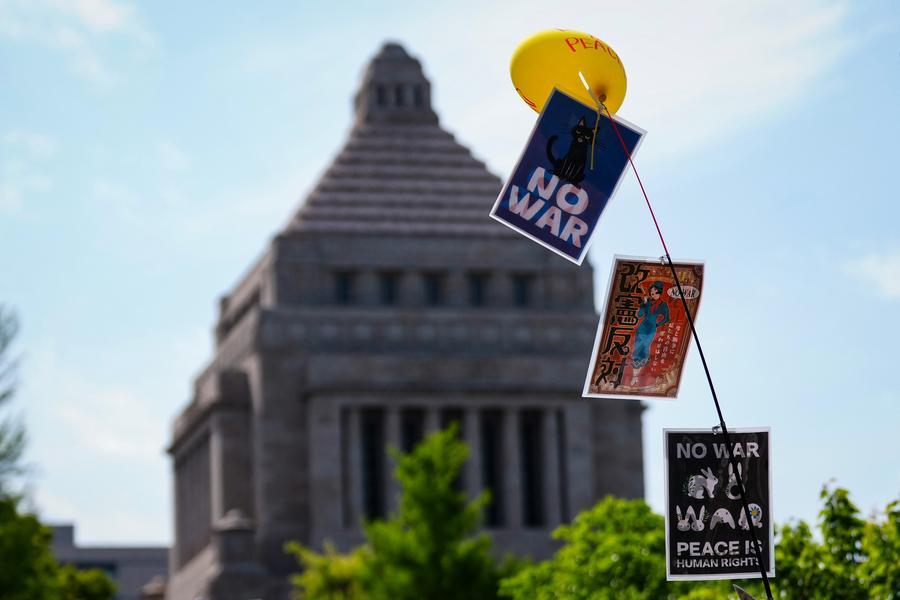
Japanese media have also reported that the government may alter the wording of the country's Three Non-Nuclear Principles during the security policy review and consider discussions on introducing nuclear-powered submarines.
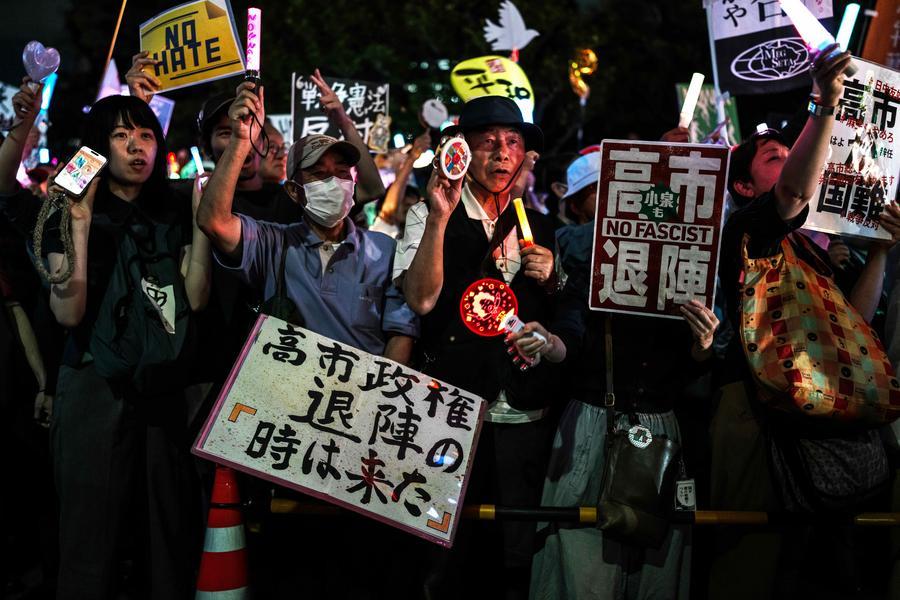
When an accelerating military buildup coincides with gestures perceived as downplaying wartime responsibility, Japan's broader political and security direction warrants scrutiny. Its postwar pacifist orientation, enshrined in the Constitution, has shaped regional perceptions of the country's role for decades. Any fundamental departure from this course must be subject to transparent public debate and rigorous scrutiny.
What the region needs is not historical revisionism coupled with unchecked military expansion, but practical confidence-building measures, sustained dialogue and respect for international law.
The Japanese people, who were themselves dragged into the abyss by militarism, have a profound stake in ensuring that their country never again takes the path of militarism. The lessons of history are not obstacles to Japan's future but essential safeguards against repeating past mistakes.
Eighty-one years after the end of the war, Japanese leaders must understand that no pretext can justify attempts to whitewash convicted war criminals, obscure wartime atrocities or distort historical facts. Such actions risk undermining postwar reconciliation and accelerating Japan's remilitarization.
Japan must deeply reflect on its history of aggression, face up to its wartime responsibilities, and exercise prudence on issues surrounding Yasukuni Shrine and other historical matters. A clear-eyed reckoning with the past and an unwavering commitment to peace are essential to preventing the recurrence of historical tragedies and safeguarding lasting peace and stability in Asia.■