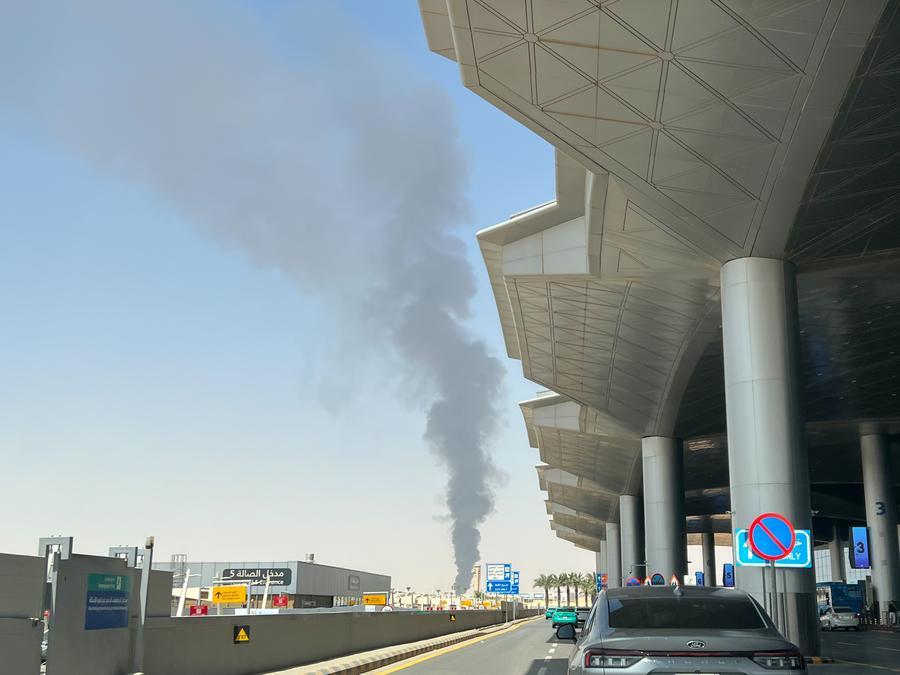
SANAA, Oct. 14 (Xinhua) -- As escalating Houthi missile and drone attacks put growing pressure on Saudi Arabia, regional actors and the United States are charting different courses, seeking to shape the crisis while avoiding deeper entanglement.
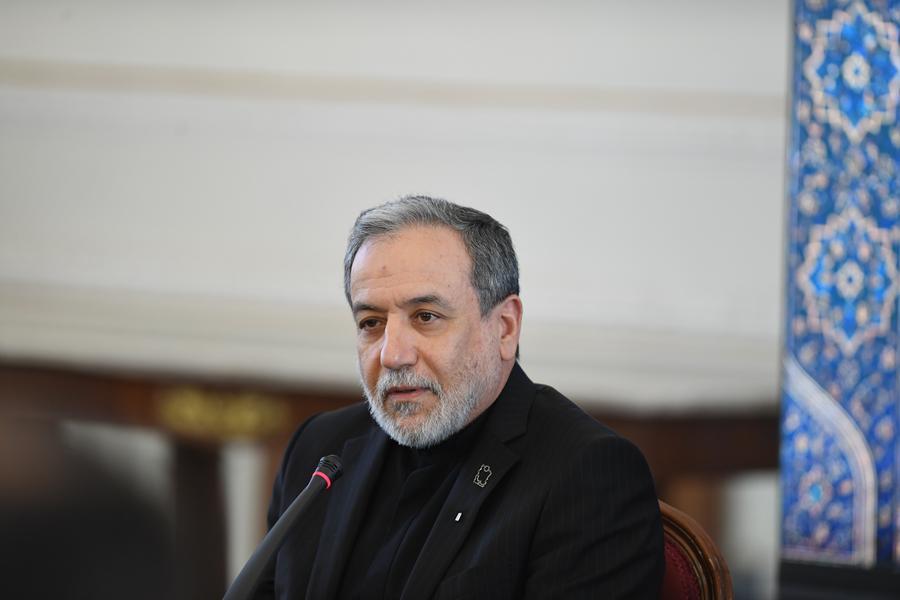
-- Iran has offered to mediate. Foreign Minister Seyed Abbas Araghchi told his Saudi counterpart Sunday that Tehran was ready to assist in launching Saudi-Houthis talks toward a political solution.
Iran's stance reflects both influence and limits. Though Tehran has long-standing ties with the Houthis, analysts say the group pursues its own agenda rather than taking orders. Abdul-Ghani Al-Iryani, a senior researcher at the Sana'a Center for Strategic Studies, told Xinhua the Houthis were signaling to Riyadh that they act in their own interests.
"Iran does not need to control every Houthi decision to benefit from its influence," Yemeni political analyst Muqbil Naji noted. "By offering mediation, Tehran can turn that influence into diplomatic leverage while keeping itself at a distance from direct involvement."
Al Jazeera, citing political analyst Negar Mortazavi, said Iran was seeking to link the Houthi-Saudi conflict to a broader deal with the United States, with Tehran's political objective being "an informal non-aggression arrangement between Iran and its allies on one side and the United States and its regional partners on the other."
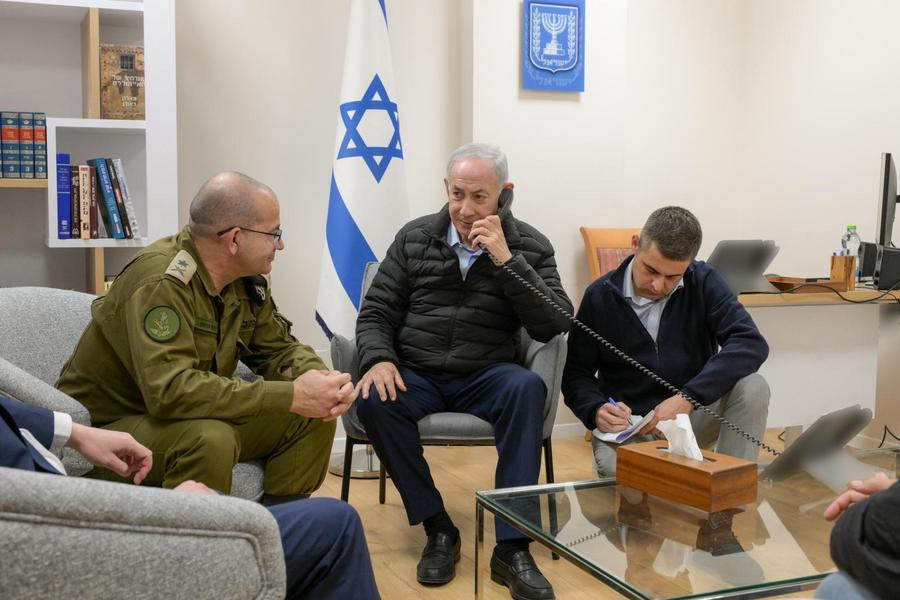
-- Israel, meanwhile, has reportedly sought a military opening. Israeli newspaper Haaretz reported Monday that Prime Minister Benjamin Netanyahu sought Saudi approval, through U.S. mediation, for Israel to join operations against the Houthis, a proposal Saudi Crown Prince Mohammed bin Salman rejected.
Citing sources, the report said Israel believed such cooperation could strengthen ties with Riyadh and advance normalization. Saudi authorities have not commented publicly.
Riyadh insists that normalization with Israel remains tied to resolving the Palestinian issue. The reported overture highlights the gap between shared security concerns and political alignment, analysts say.
"A shared threat can create common interests, but it cannot erase political barriers," Naji said. "Israel may see the crisis as an opening toward Riyadh, while Saudi Arabia has to weigh the wider political cost."
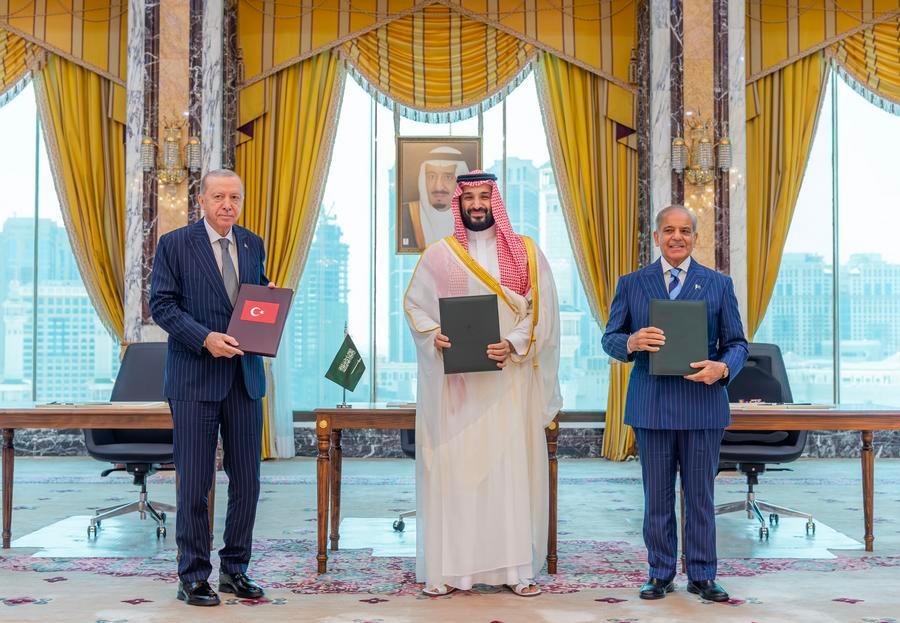
-- Türkiye and Pakistan have taken a third path via the Mecca Alliance for Defense. On Oct. 5, the three members agreed to deploy agreed forces and capabilities to Saudi Arabia in response to Houthi strikes.
Turkish President Recep Tayyip Erdogan reaffirmed Ankara's support for Riyadh Tuesday, while Pakistani Prime Minister Shehbaz Sharif reiterated Islamabad's support for Saudi Arabia's right to self-defense Wednesday.
How far those commitments will go remains unclear. Reports have alleged Pakistani participation in strikes against Houthi targets, but Islamabad has denied its jets conducted cross-border operations. Türkiye, meanwhile, is expected to focus largely on defense technology and technical support, while any overseas troop deployment requires parliamentary authorization.
Analysts say Turkish and Pakistani capabilities could strengthen Saudi air and missile defenses and counter-drone systems without drawing either country deep into the conflict. The alliance thus lets Ankara and Islamabad demonstrate solidarity with Riyadh while limiting their exposure to another open-ended Yemen campaign.
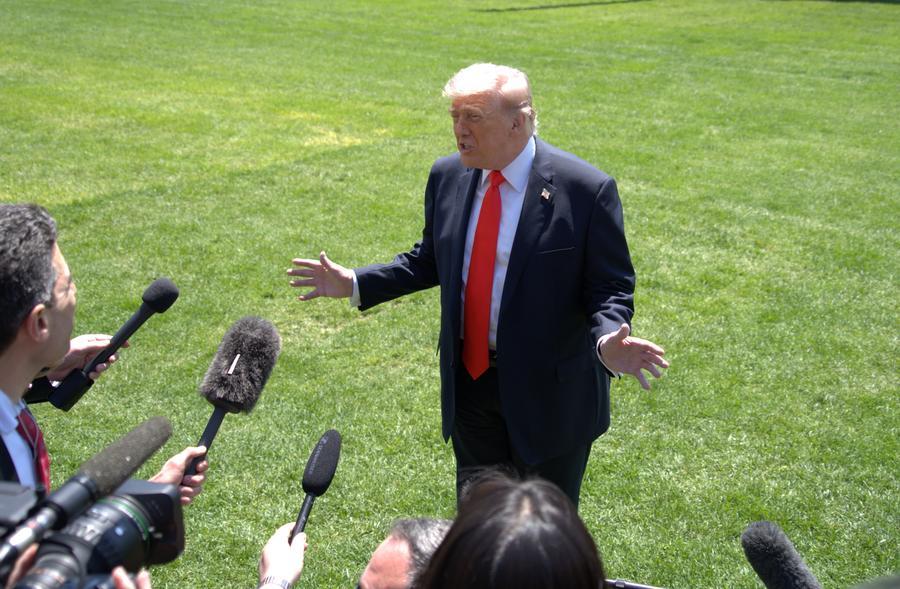
-- Washington perhaps harbors the most difficult calculation. U.S. President Donald Trump said Tuesday that the Houthis were "behaving very badly" and accused them of seeking to drive up oil prices ahead of U.S. midterm elections, highlighting Washington's concern that the confrontation could ripple into global energy markets.
The Trump administration faces pressure to back a key regional partner, but another direct campaign carries uncertain costs after past U.S. military action failed to eliminate Houthi long-range strike capabilities.
Analysts see little U.S. appetite for a prolonged confrontation, yet warn that continued attacks on critical Saudi infrastructure could narrow Washington's room for restraint.
"Washington would prefer to contain the crisis rather than inherit it," Naji said. "But that calculation becomes harder to sustain if the conflict begins imposing greater costs on Saudi security, oil markets or U.S. interests." ■