by Taher Abu Hamdan
BEIRUT, Oct. 13 (Xinhua) -- The tripod lay on its side, the camera and other equipment scattered across the hilltop. A media car burned nearby. Moments earlier, a group of journalists had been filming. The word "PRESS" was still visible on the vests amid the wreckage.
It was Oct. 13, 2023, days after fighting began along the Lebanon-Israel border. Cameraman Issam Abdallah was killed and six other journalists wounded, all wearing press vests. Independent investigations traced the shells to the Israeli side, while the intent remained disputed.
Until then, we had carried an assumption none of us said aloud: as journalists, we stood outside the fighting. After that afternoon, the vest no longer felt like armor. It felt like a word we had trusted too much.
Since Oct. 8, 2023, one day after the latest Gaza conflict erupted, we had gathered almost daily in a square in the border city of Marjeyoun overlooking Israeli positions.
We filmed Israeli airstrikes on towns around Marjeyoun and Bint Jbeil, then watched the strikes spread to the western Bekaa and Baalbek. In the opposite direction, we recorded Hezbollah rockets arcing toward Israel, sometimes intercepted above us.
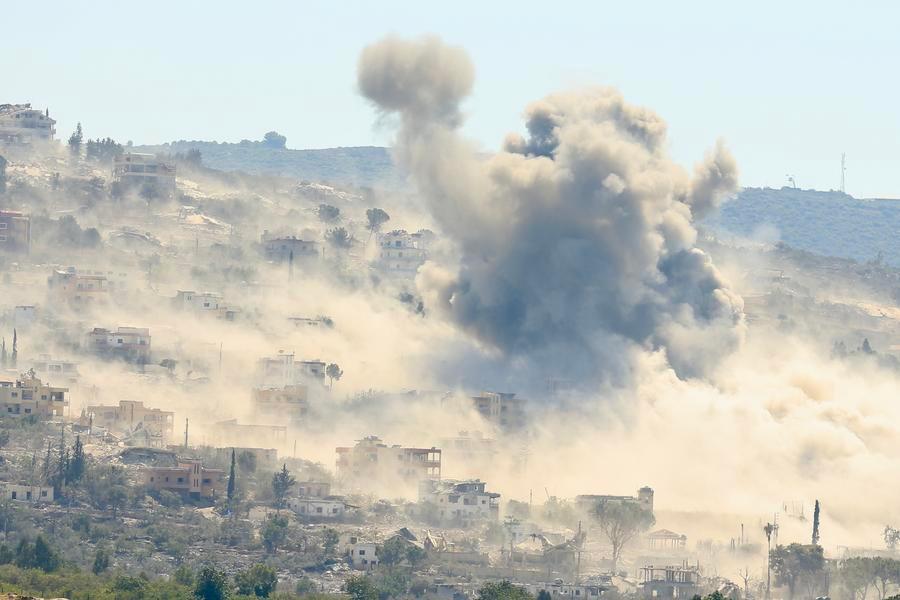
At first, the confrontation looked contained. Then the distance between us and the war narrowed, day by day.
We began studying where we stood, which vehicles we used, how long we lingered, and how far we were from military positions. But the war advanced faster than our habits.
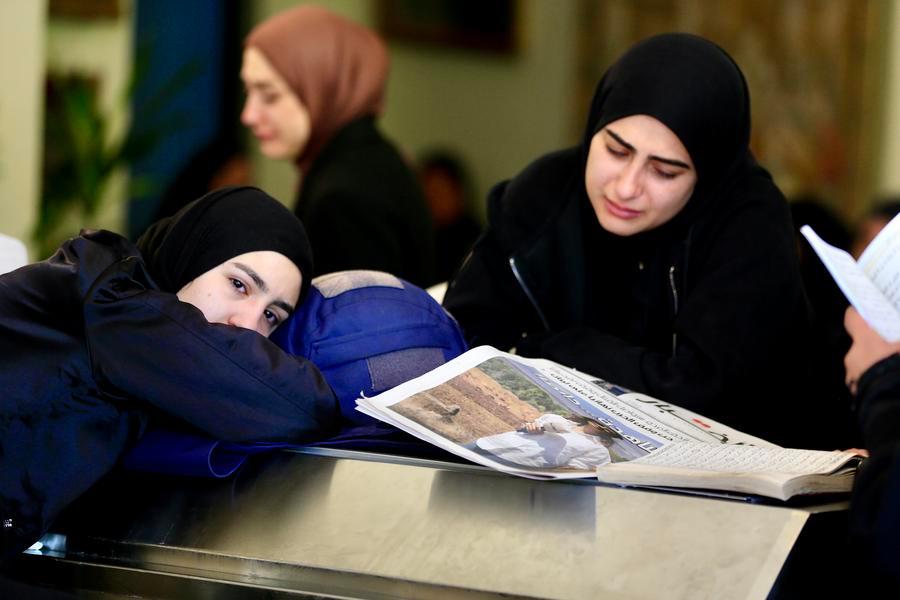
On Nov. 21, 2023, journalist Farah Omar and cameraman Rabih Maamari, both with Lebanese broadcaster Al Mayadeen, were killed while covering the fighting.
Nearly a year later, an Israeli strike hit a building in Hasbaya where about 18 journalists were staying, killing three.
Before each reporting trip, we no longer asked only what was happening there. We also asked: Is the place where we are standing safe? Is the word "PRESS" on our vests and vehicles enough to protect us?
As Israeli forces entered border villages, we no longer watched only the shelling. Tanks moved in, bulldozers reshaped the landscape. Houses were reduced to rubble. Villages once minutes away became dangerous to reach.
A ceasefire in November 2024 offered a fragile pause, but fighting surged again in March 2026. By May, Israeli forces had crossed the Litani River. Evacuation orders spread, and strikes continued even after further ceasefire announcements.
Each time we thought the war had reached its limit, it pushed that limit farther.
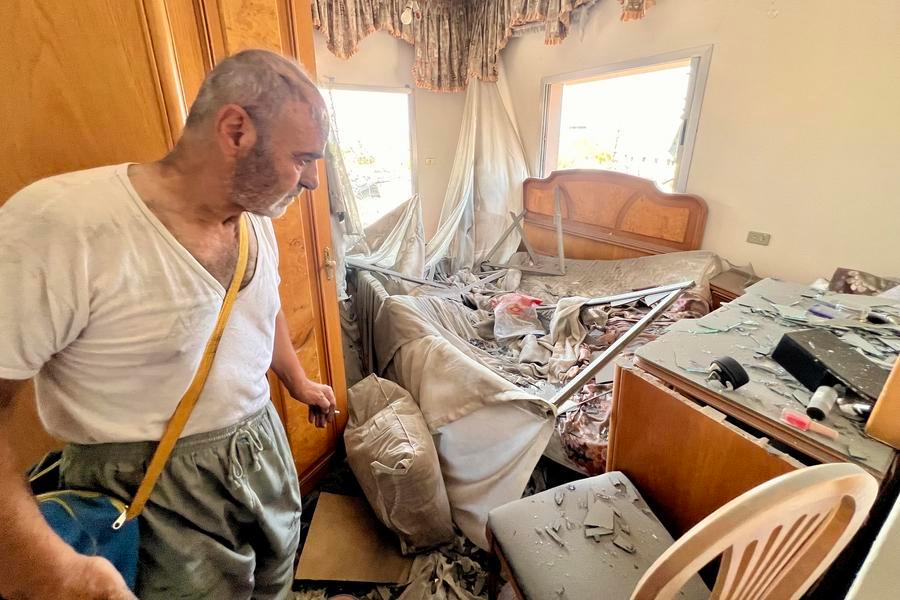
The endless fighting has reshaped the south. According to Lebanese authorities, at the peak of the 2026 flare-up, some 1.2 million residents were displaced across the country, most of them from the south.
For residents, a shifting front line is more than a change on a map: it decides whether they can return home, tend their farms, or reach the services they need.
As journalists, we leave after filming, but the place does not leave us. Some sounds remain: explosions, the buzz of drones, cries for an ambulance, and the long silence after an airstrike -- sometimes more painful than the blast itself.
Three years on, our footage records how far the war has spread. It cannot tell us where it will stop, or when those still displaced will be able to go home. ■