
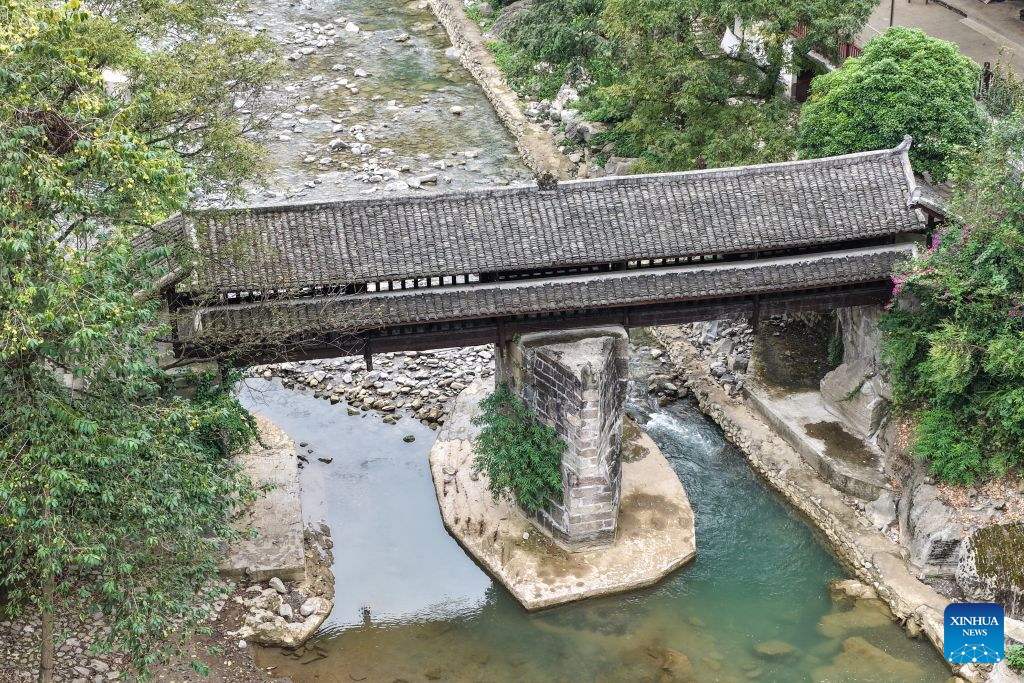
A drone photo taken on Sept. 16, 2026 shows the Red Army Bridge in Shihao Town of Qijiang District, southwest China's Chongqing.
After the Zunyi Meeting in 1935, more than 8,000 Red Army soldiers were stationed overnight in Qijiang, creating a valuable opportunity for the first crossing of the Chishui River during the Long March.
Leveraging its rich red history, Qijiang is committed to developing red tourism, while steadily advancing rural revitalization by building vegetable, breeding, and clothing industries. (Xinhua/Huang Wei)
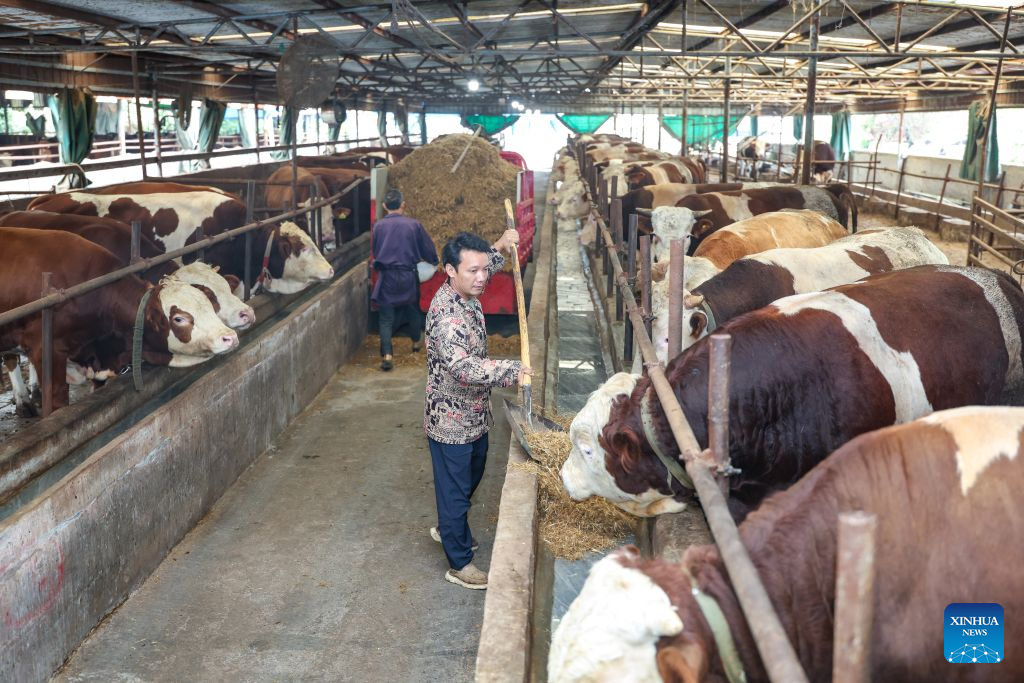
Farmers feed beef cattle in Shiquan Village of Shihao Town in Qijiang District, southwest China's Chongqing, Sept. 15, 2026.
After the Zunyi Meeting in 1935, more than 8,000 Red Army soldiers were stationed overnight in Qijiang, creating a valuable opportunity for the first crossing of the Chishui River during the Long March.
Leveraging its rich red history, Qijiang is committed to developing red tourism, while steadily advancing rural revitalization by building vegetable, breeding, and clothing industries. (Xinhua/Huang Wei)
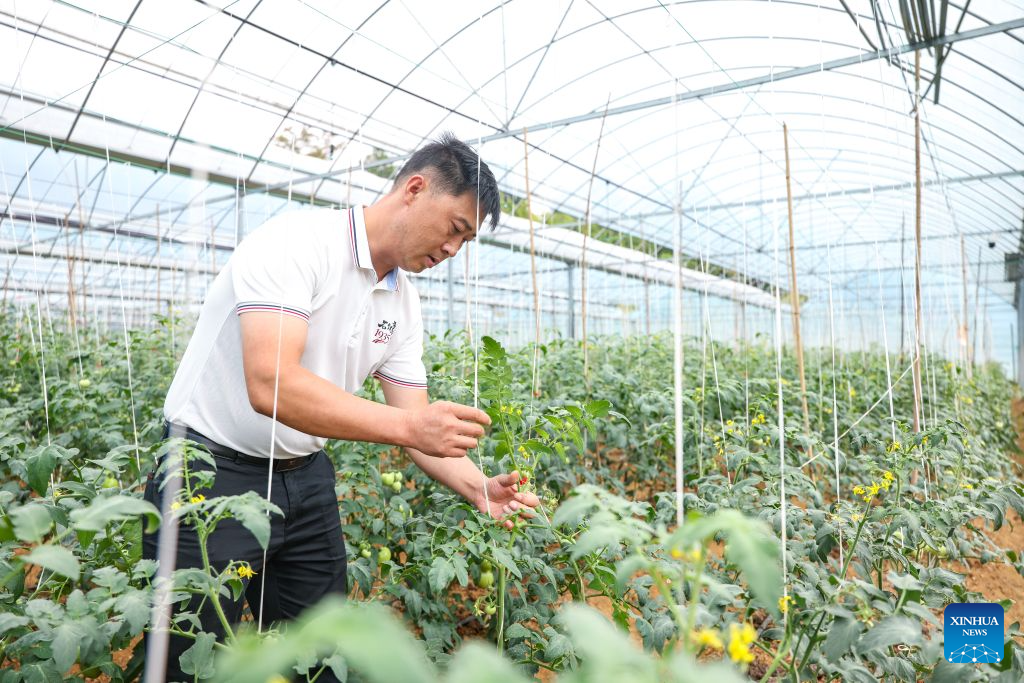
A farmer tends tomato seedlings at a greenhouse in Shiquan Village of Shihao Town in Qijiang District, southwest China's Chongqing, Sept. 15, 2026.
After the Zunyi Meeting in 1935, more than 8,000 Red Army soldiers were stationed overnight in Qijiang, creating a valuable opportunity for the first crossing of the Chishui River during the Long March.
Leveraging its rich red history, Qijiang is committed to developing red tourism, while steadily advancing rural revitalization by building vegetable, breeding, and clothing industries. (Xinhua/Huang Wei)
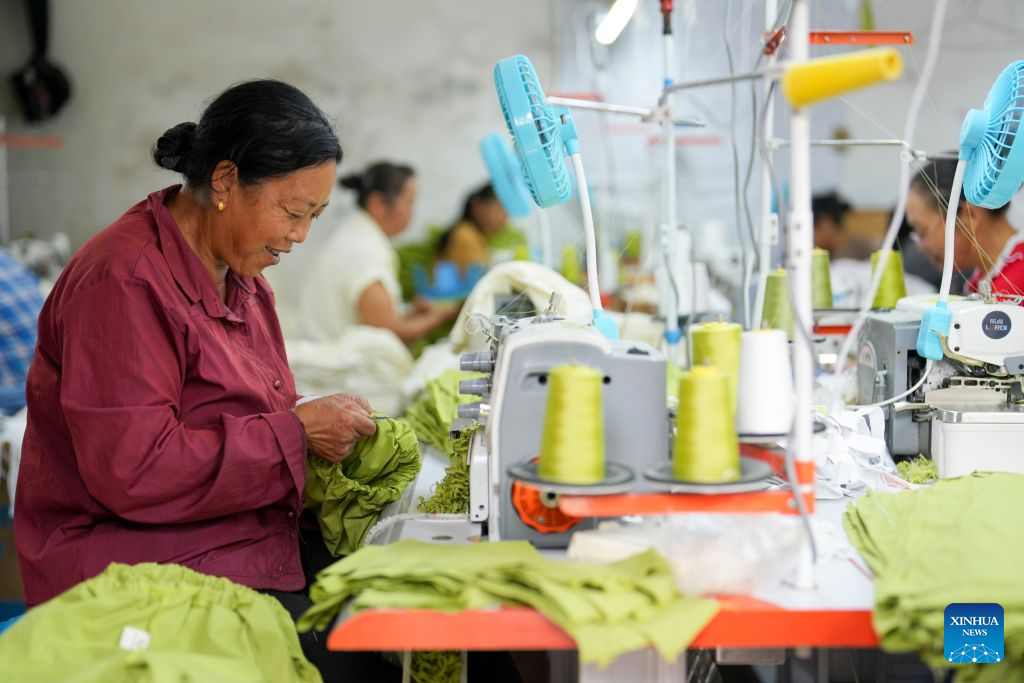
Farmers work at a clothing factory in Chonghe Village of Anwen Town in Qijiang District, southwest China's Chongqing, Sept. 15, 2026.
After the Zunyi Meeting in 1935, more than 8,000 Red Army soldiers were stationed overnight in Qijiang, creating a valuable opportunity for the first crossing of the Chishui River during the Long March.
Leveraging its rich red history, Qijiang is committed to developing red tourism, while steadily advancing rural revitalization by building vegetable, breeding, and clothing industries. (Xinhua/Liu Chan)
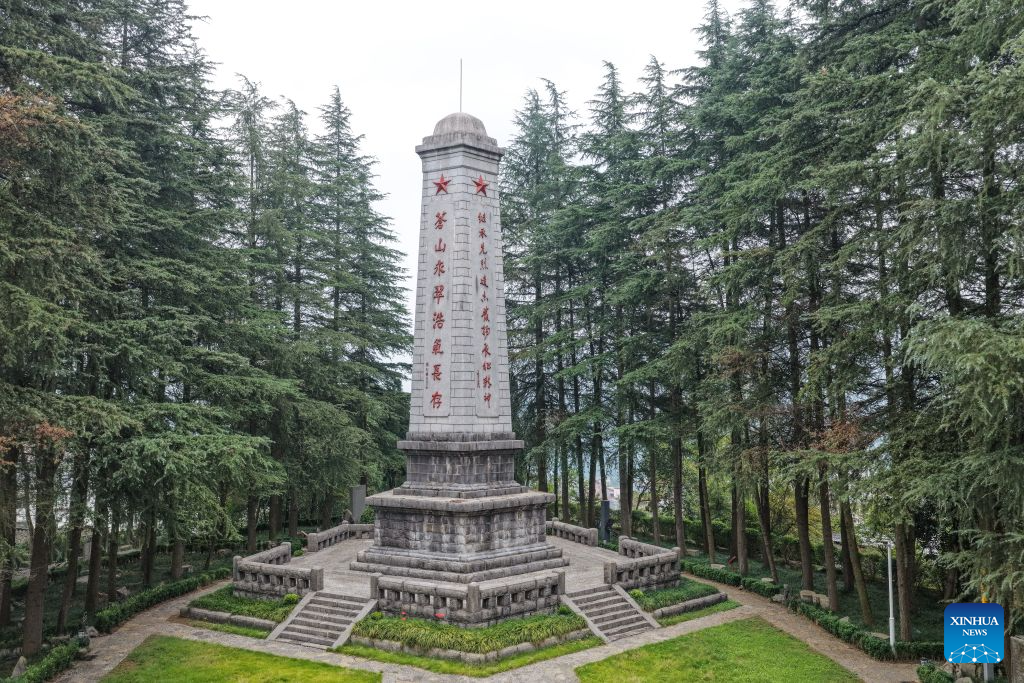
A drone photo taken on Sept. 15, 2026 shows a monument to Red Army martyrs in Shihao Town of Qijiang District, southwest China's Chongqing.
After the Zunyi Meeting in 1935, more than 8,000 Red Army soldiers were stationed overnight in Qijiang, creating a valuable opportunity for the first crossing of the Chishui River during the Long March.
Leveraging its rich red history, Qijiang is committed to developing red tourism, while steadily advancing rural revitalization by building vegetable, breeding, and clothing industries. (Xinhua/Huang Wei)
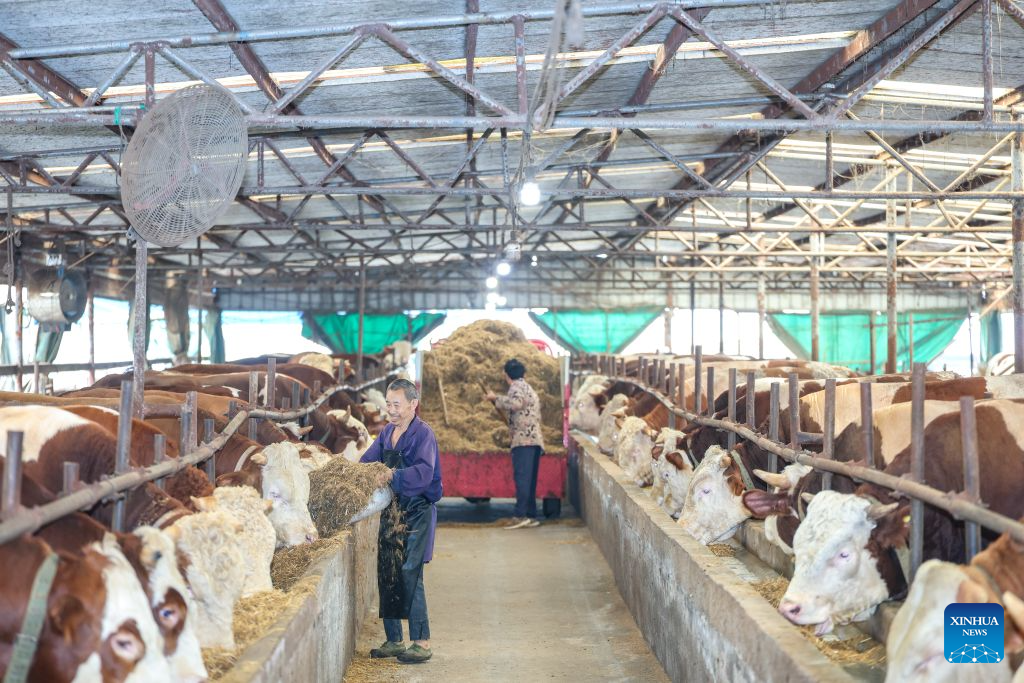
Farmers feed beef cattle in Shiquan Village of Shihao Town in Qijiang District, southwest China's Chongqing, Sept. 15, 2026.
After the Zunyi Meeting in 1935, more than 8,000 Red Army soldiers were stationed overnight in Qijiang, creating a valuable opportunity for the first crossing of the Chishui River during the Long March.
Leveraging its rich red history, Qijiang is committed to developing red tourism, while steadily advancing rural revitalization by building vegetable, breeding, and clothing industries. (Xinhua/Huang Wei)
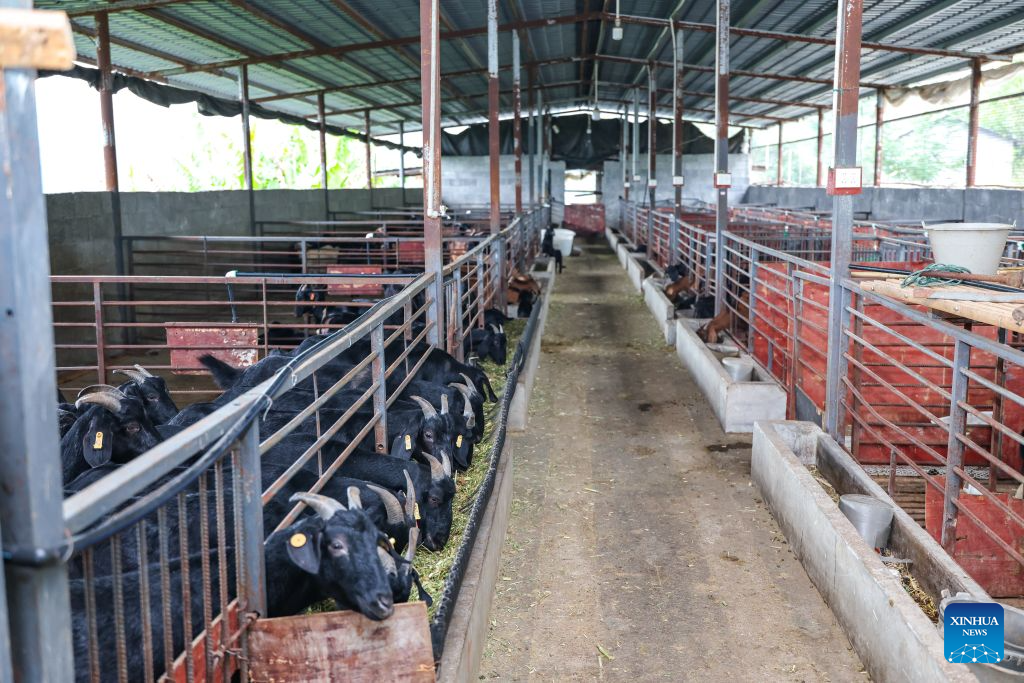
This photo taken on Sept. 16, 2026 shows a sheepfold in Dayan Village of Anwen Town in Qijiang District, southwest China's Chongqing.
After the Zunyi Meeting in 1935, more than 8,000 Red Army soldiers were stationed overnight in Qijiang, creating a valuable opportunity for the first crossing of the Chishui River during the Long March.
Leveraging its rich red history, Qijiang is committed to developing red tourism, while steadily advancing rural revitalization by building vegetable, breeding, and clothing industries. (Xinhua/Huang Wei)
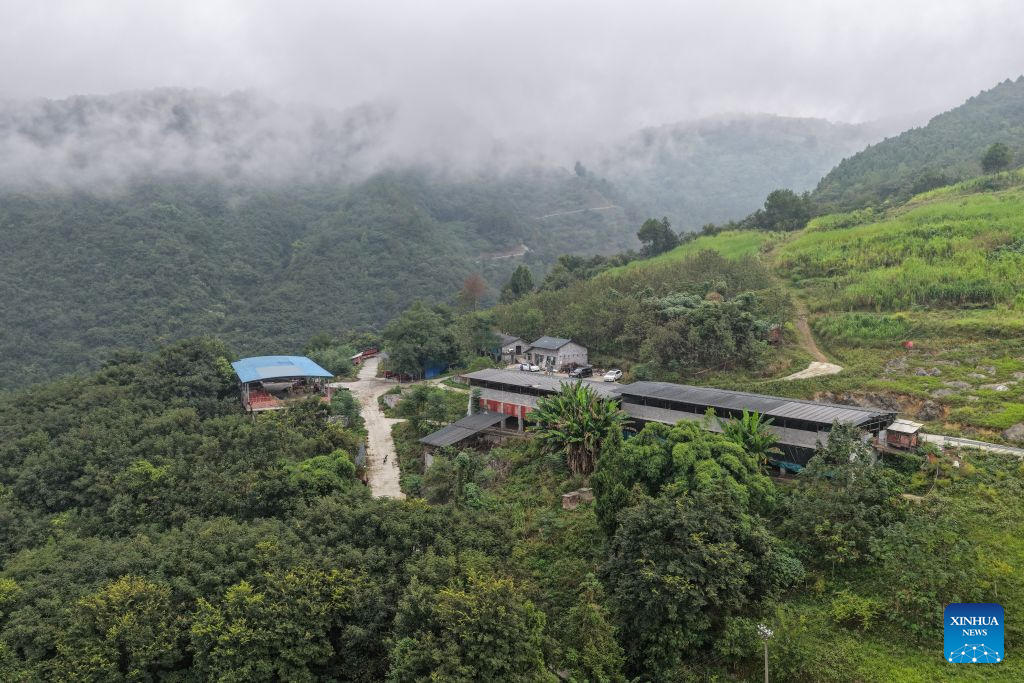
A drone photo shows goat-raising households in Dayan Village of Anwen Town in Qijiang District, southwest China's Chongqing, Sept. 16, 2026.
After the Zunyi Meeting in 1935, more than 8,000 Red Army soldiers were stationed overnight in Qijiang, creating a valuable opportunity for the first crossing of the Chishui River during the Long March.
Leveraging its rich red history, Qijiang is committed to developing red tourism, while steadily advancing rural revitalization by building vegetable, breeding, and clothing industries. (Xinhua/Huang Wei)
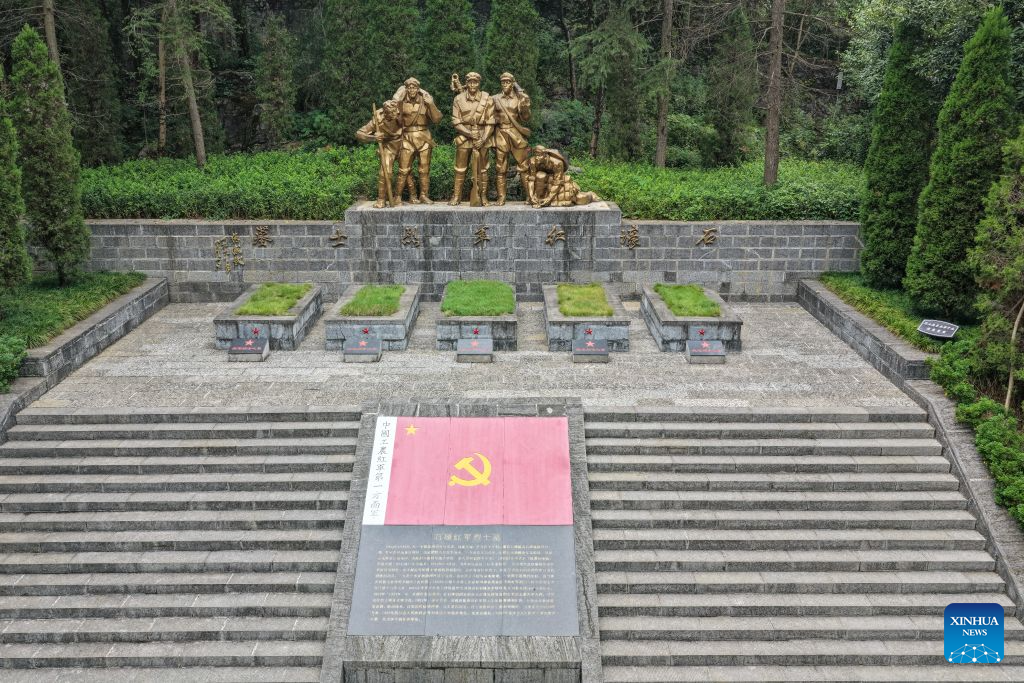
A drone photo taken on Sept. 15, 2026 shows the tombs of Red Army martyrs in Shihao Town of Qijiang District, southwest China's Chongqing.
After the Zunyi Meeting in 1935, more than 8,000 Red Army soldiers were stationed overnight in Qijiang, creating a valuable opportunity for the first crossing of the Chishui River during the Long March.
Leveraging its rich red history, Qijiang is committed to developing red tourism, while steadily advancing rural revitalization by building vegetable, breeding, and clothing industries. (Xinhua/Huang Wei)
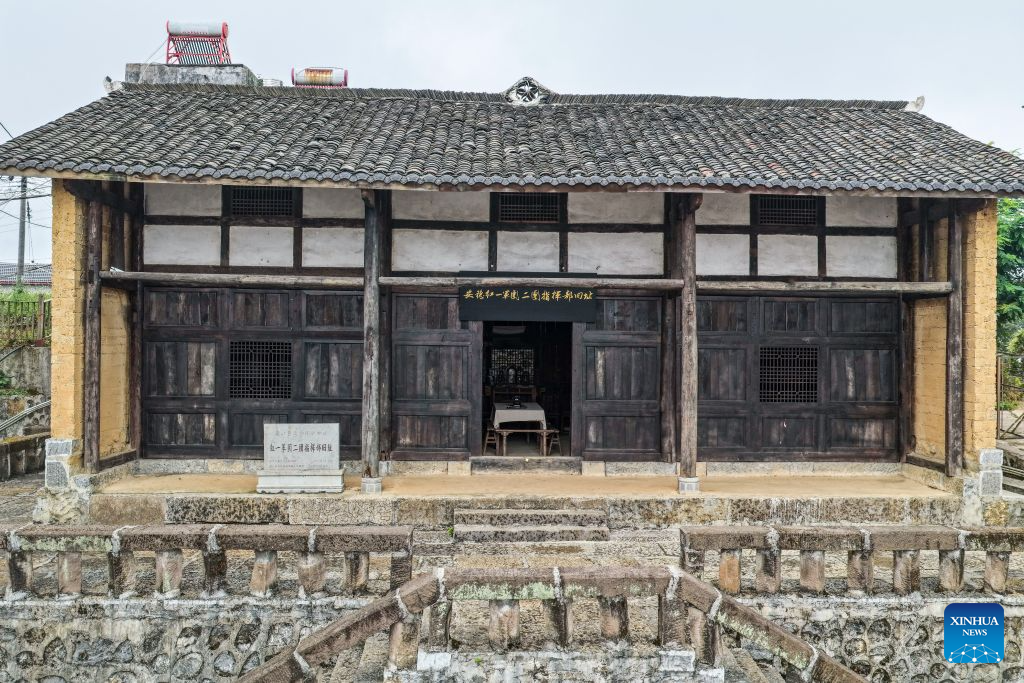
A drone photo taken on Sept. 15, 2026 shows the former site of a headquarters of the Red Army Corps in Anwen Town of Qijiang District, southwest China's Chongqing.
After the Zunyi Meeting in 1935, more than 8,000 Red Army soldiers were stationed overnight in Qijiang, creating a valuable opportunity for the first crossing of the Chishui River during the Long March.
Leveraging its rich red history, Qijiang is committed to developing red tourism, while steadily advancing rural revitalization by building vegetable, breeding, and clothing industries. (Xinhua/Huang Wei)
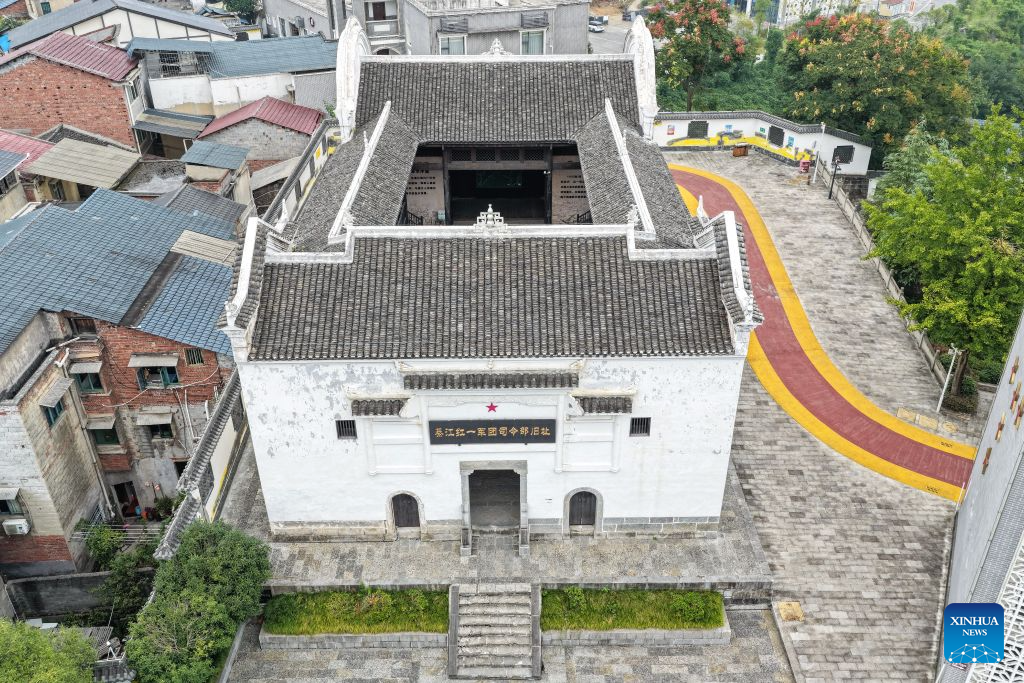
A drone photo taken on Sept. 15, 2026 shows the former site of a headquarters of the Red Army Corps in Shihao Town of Qijiang District, southwest China's Chongqing.
After the Zunyi Meeting in 1935, more than 8,000 Red Army soldiers were stationed overnight in Qijiang, creating a valuable opportunity for the first crossing of the Chishui River during the Long March.
Leveraging its rich red history, Qijiang is committed to developing red tourism, while steadily advancing rural revitalization by building vegetable, breeding, and clothing industries. (Xinhua/Huang Wei)
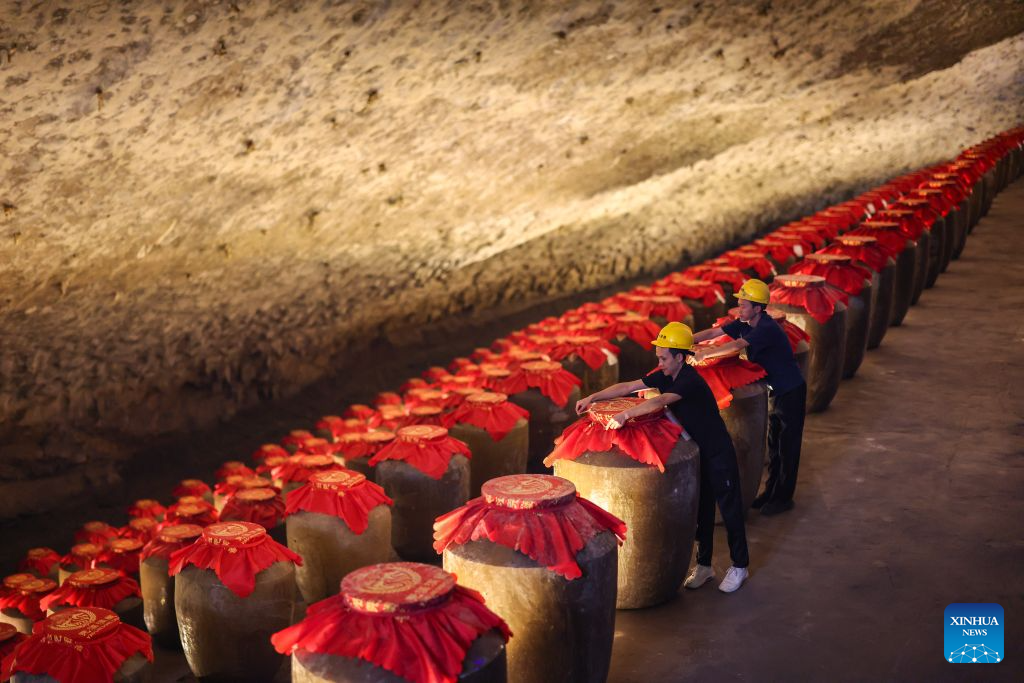
This photo taken on Aug. 21, 2026 shows cave-aged white spirit in Zaoni Village of Shihao Town in Qijiang District, southwest China's Chongqing.
After the Zunyi Meeting in 1935, more than 8,000 Red Army soldiers were stationed overnight in Qijiang, creating a valuable opportunity for the first crossing of the Chishui River during the Long March.
Leveraging its rich red history, Qijiang is committed to developing red tourism, while steadily advancing rural revitalization by building vegetable, breeding, and clothing industries. (Xinhua/Huang Wei)
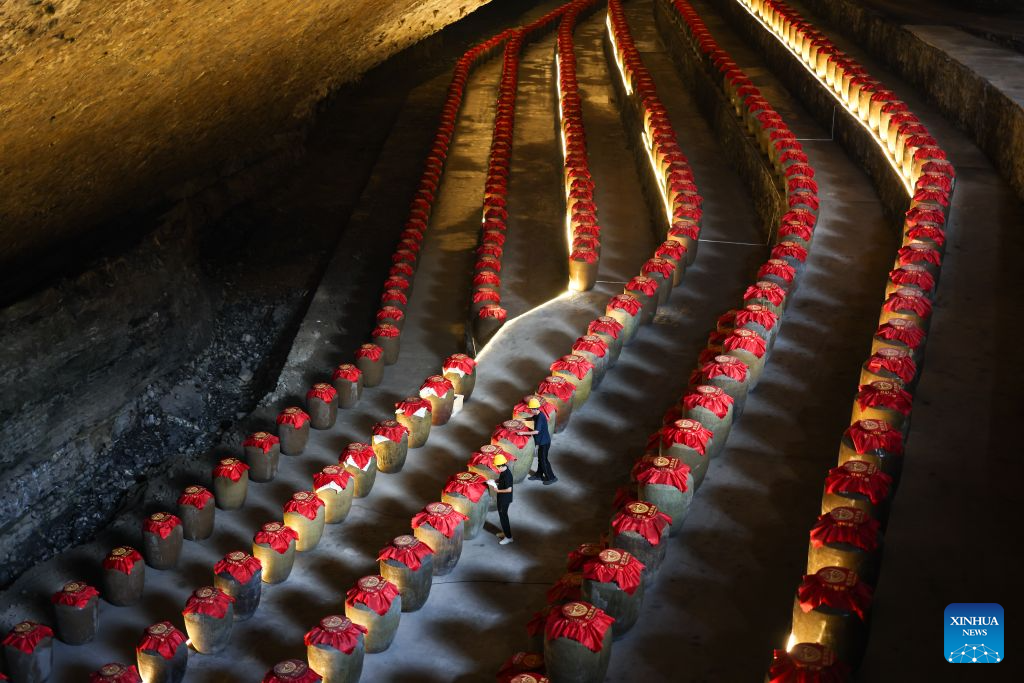
This photo taken on Aug. 21, 2026 shows cave-aged white spirit in Zaoni Village of Shihao Town in Qijiang District, southwest China's Chongqing.
After the Zunyi Meeting in 1935, more than 8,000 Red Army soldiers were stationed overnight in Qijiang, creating a valuable opportunity for the first crossing of the Chishui River during the Long March.
Leveraging its rich red history, Qijiang is committed to developing red tourism, while steadily advancing rural revitalization by building vegetable, breeding, and clothing industries. (Xinhua/Huang Wei)


