
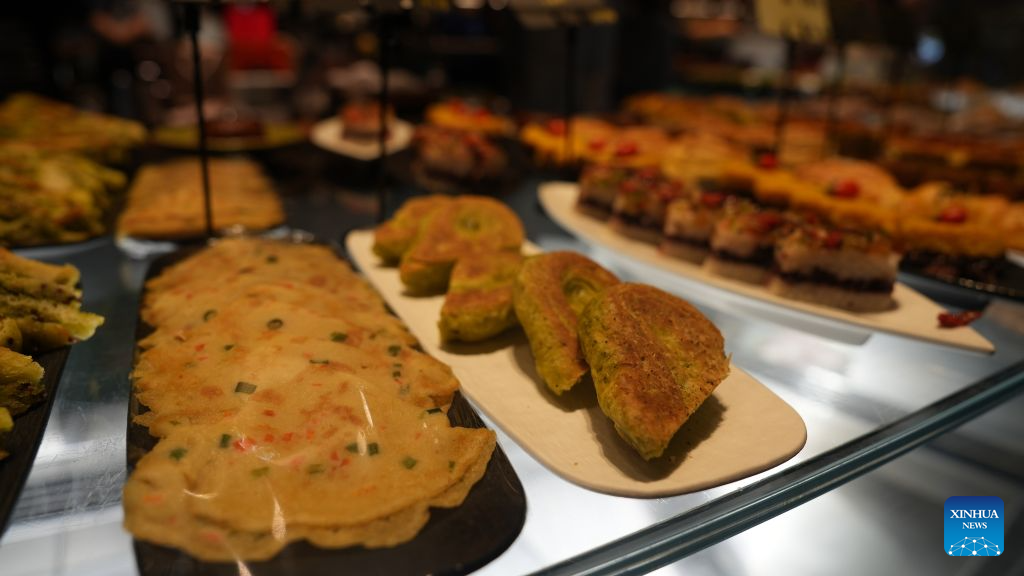
Dishes are pictured at a morning tea restaurant in Wuzhong, northwest China's Ningxia Hui Autonomous Region, Sept. 21, 2026. Nestled along the banks of the Yellow River, Wuzhong has cultivated a unique culinary culture through centuries of trade and cultural exchange.
Similar to Western brunch, morning tea is known in China as a casual dining-out, where people can eat through the whole morning, often while chatting with family and friends. Typical morning tea offerings in Wuzhong include Lamian noodles, steamed stuffed buns, and babao cha, a kind of tea combining eight ingredients.
The city of Wuzhong was granted "landmark city of morning tea culture" status by the China Cuisine Association in 2021, as a result of its booming morning tea industry. There are over 800 morning tea restaurants across the city, with an annual revenue of over 1.8 billion yuan (about 268.72 million U.S. dollars).
The city has held the annual Morning Tea Culture Festival since 2021 to further promote the morning tea industry. The events have drawn a total of 13.37 million visitors and boosted consumption of 3.542 billion yuan (about 528.7 million U.S. dollars), emerging as a new economic growth driver of the city. (Xinhua/Liu Hai)
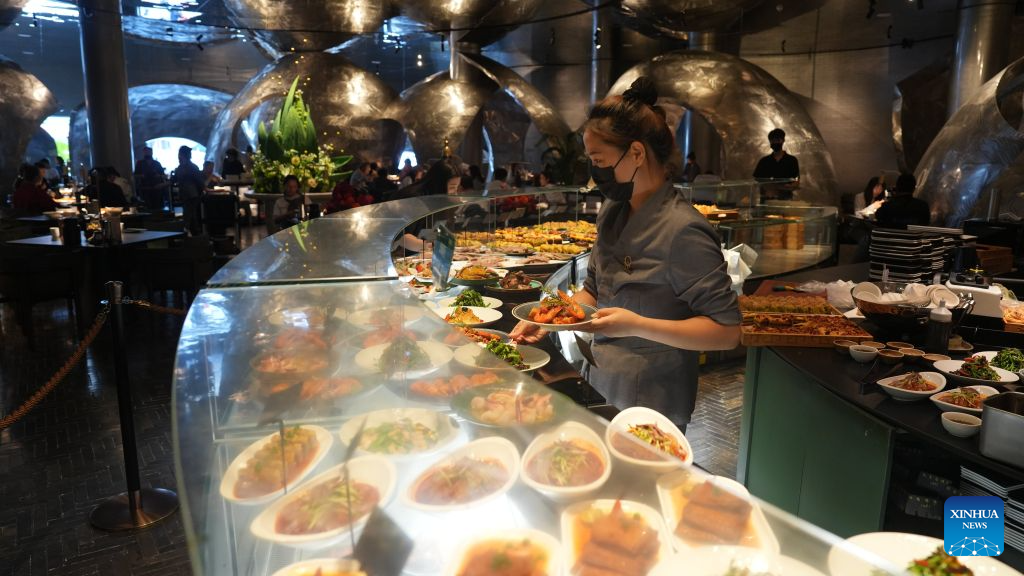
A staff member arranges dishes at a morning tea restaurant in Wuzhong, northwest China's Ningxia Hui Autonomous Region, Sept. 21, 2026. Nestled along the banks of the Yellow River, Wuzhong has cultivated a unique culinary culture through centuries of trade and cultural exchange.
Similar to Western brunch, morning tea is known in China as a casual dining-out, where people can eat through the whole morning, often while chatting with family and friends. Typical morning tea offerings in Wuzhong include Lamian noodles, steamed stuffed buns, and babao cha, a kind of tea combining eight ingredients.
The city of Wuzhong was granted "landmark city of morning tea culture" status by the China Cuisine Association in 2021, as a result of its booming morning tea industry. There are over 800 morning tea restaurants across the city, with an annual revenue of over 1.8 billion yuan (about 268.72 million U.S. dollars).
The city has held the annual Morning Tea Culture Festival since 2021 to further promote the morning tea industry. The events have drawn a total of 13.37 million visitors and boosted consumption of 3.542 billion yuan (about 528.7 million U.S. dollars), emerging as a new economic growth driver of the city. (Xinhua/Liu Hai)
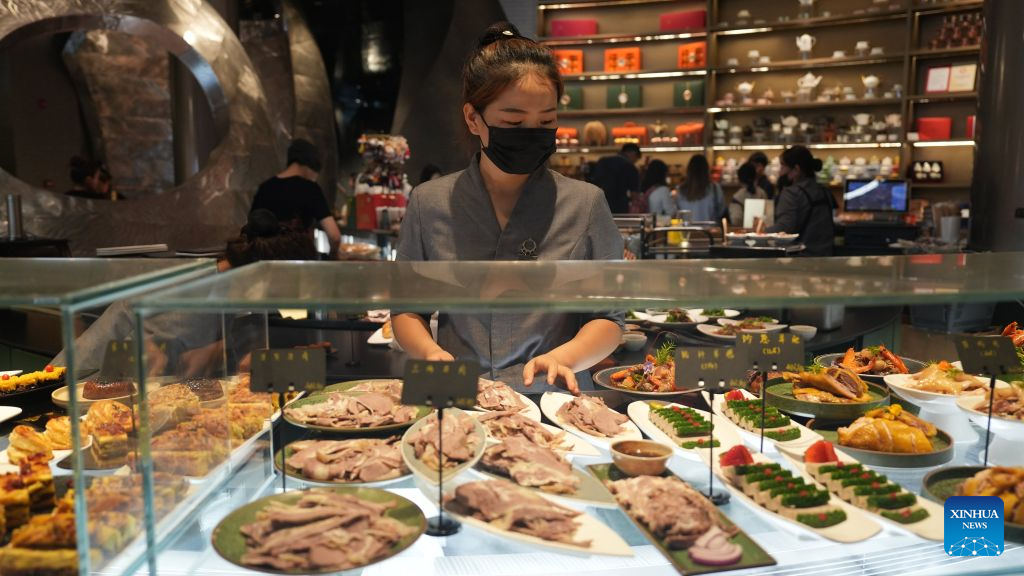
A staff member arranges dishes at a morning tea restaurant in Wuzhong, northwest China's Ningxia Hui Autonomous Region, Sept. 21, 2026. Nestled along the banks of the Yellow River, Wuzhong has cultivated a unique culinary culture through centuries of trade and cultural exchange.
Similar to Western brunch, morning tea is known in China as a casual dining-out, where people can eat through the whole morning, often while chatting with family and friends. Typical morning tea offerings in Wuzhong include Lamian noodles, steamed stuffed buns, and babao cha, a kind of tea combining eight ingredients.
The city of Wuzhong was granted "landmark city of morning tea culture" status by the China Cuisine Association in 2021, as a result of its booming morning tea industry. There are over 800 morning tea restaurants across the city, with an annual revenue of over 1.8 billion yuan (about 268.72 million U.S. dollars).
The city has held the annual Morning Tea Culture Festival since 2021 to further promote the morning tea industry. The events have drawn a total of 13.37 million visitors and boosted consumption of 3.542 billion yuan (about 528.7 million U.S. dollars), emerging as a new economic growth driver of the city. (Xinhua/Liu Hai)
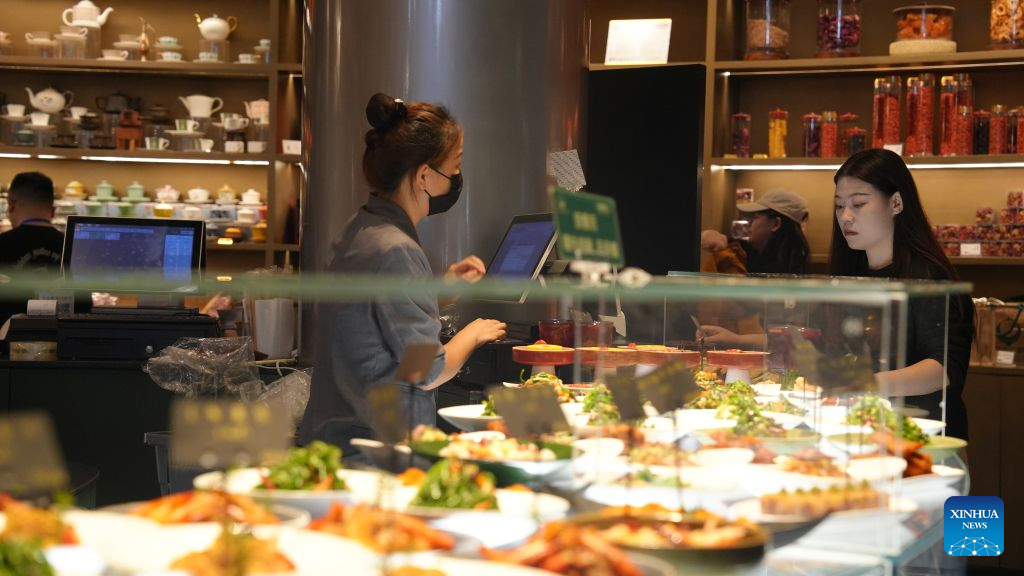
A customer selects and buys dishes at a morning tea restaurant in Wuzhong, northwest China's Ningxia Hui Autonomous Region, Sept. 21, 2026. Nestled along the banks of the Yellow River, Wuzhong has cultivated a unique culinary culture through centuries of trade and cultural exchange.
Similar to Western brunch, morning tea is known in China as a casual dining-out, where people can eat through the whole morning, often while chatting with family and friends. Typical morning tea offerings in Wuzhong include Lamian noodles, steamed stuffed buns, and babao cha, a kind of tea combining eight ingredients.
The city of Wuzhong was granted "landmark city of morning tea culture" status by the China Cuisine Association in 2021, as a result of its booming morning tea industry. There are over 800 morning tea restaurants across the city, with an annual revenue of over 1.8 billion yuan (about 268.72 million U.S. dollars).
The city has held the annual Morning Tea Culture Festival since 2021 to further promote the morning tea industry. The events have drawn a total of 13.37 million visitors and boosted consumption of 3.542 billion yuan (about 528.7 million U.S. dollars), emerging as a new economic growth driver of the city. (Xinhua/Liu Hai)
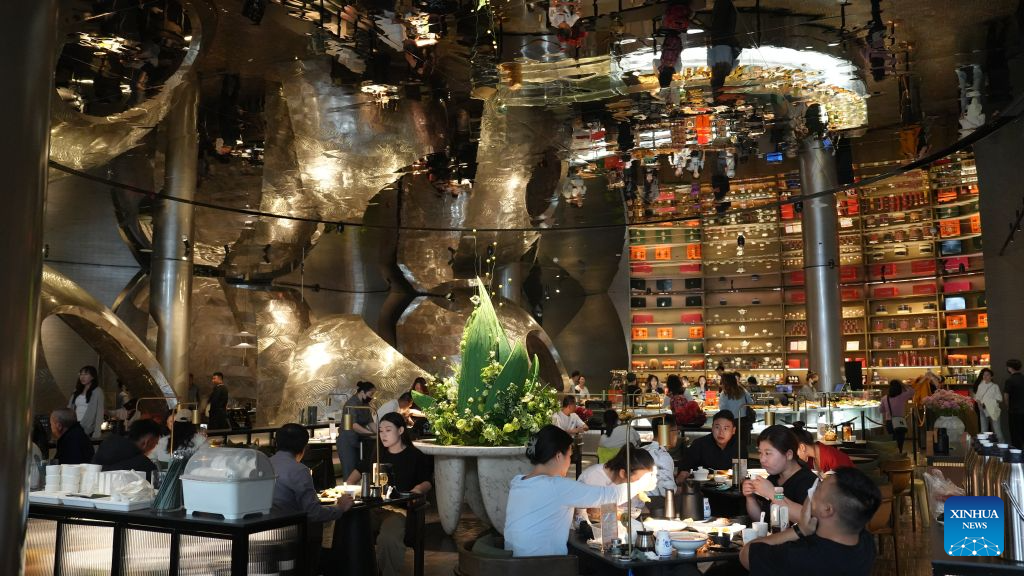
People enjoy food at a morning tea restaurant in Wuzhong, northwest China's Ningxia Hui Autonomous Region, Sept. 21, 2026. Nestled along the banks of the Yellow River, Wuzhong has cultivated a unique culinary culture through centuries of trade and cultural exchange.
Similar to Western brunch, morning tea is known in China as a casual dining-out, where people can eat through the whole morning, often while chatting with family and friends. Typical morning tea offerings in Wuzhong include Lamian noodles, steamed stuffed buns, and babao cha, a kind of tea combining eight ingredients.
The city of Wuzhong was granted "landmark city of morning tea culture" status by the China Cuisine Association in 2021, as a result of its booming morning tea industry. There are over 800 morning tea restaurants across the city, with an annual revenue of over 1.8 billion yuan (about 268.72 million U.S. dollars).
The city has held the annual Morning Tea Culture Festival since 2021 to further promote the morning tea industry. The events have drawn a total of 13.37 million visitors and boosted consumption of 3.542 billion yuan (about 528.7 million U.S. dollars), emerging as a new economic growth driver of the city. (Xinhua/Liu Hai)
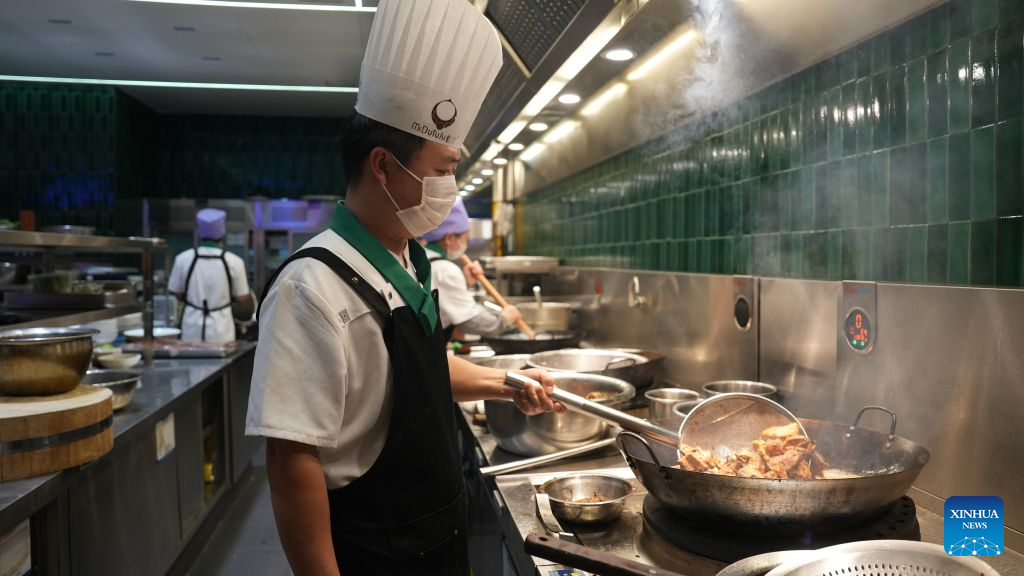
A chef cooks beef at a morning tea restaurant in Wuzhong, northwest China's Ningxia Hui Autonomous Region, Sept. 21, 2026. Nestled along the banks of the Yellow River, Wuzhong has cultivated a unique culinary culture through centuries of trade and cultural exchange.
Similar to Western brunch, morning tea is known in China as a casual dining-out, where people can eat through the whole morning, often while chatting with family and friends. Typical morning tea offerings in Wuzhong include Lamian noodles, steamed stuffed buns, and babao cha, a kind of tea combining eight ingredients.
The city of Wuzhong was granted "landmark city of morning tea culture" status by the China Cuisine Association in 2021, as a result of its booming morning tea industry. There are over 800 morning tea restaurants across the city, with an annual revenue of over 1.8 billion yuan (about 268.72 million U.S. dollars).
The city has held the annual Morning Tea Culture Festival since 2021 to further promote the morning tea industry. The events have drawn a total of 13.37 million visitors and boosted consumption of 3.542 billion yuan (about 528.7 million U.S. dollars), emerging as a new economic growth driver of the city. (Xinhua/Liu Hai)
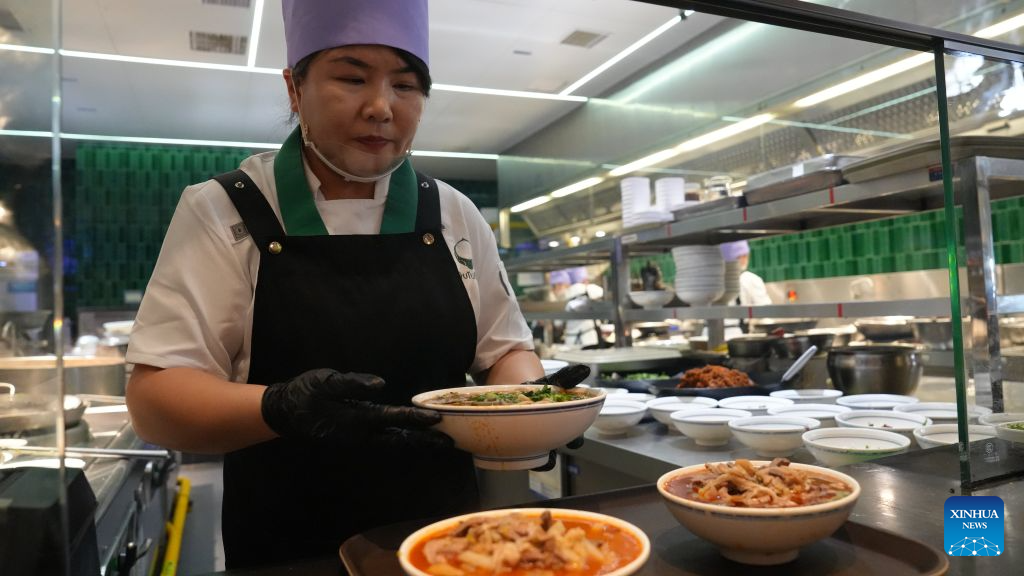
A staff member serves dishes at a morning tea restaurant in Wuzhong, northwest China's Ningxia Hui Autonomous Region, Sept. 21, 2026. Nestled along the banks of the Yellow River, Wuzhong has cultivated a unique culinary culture through centuries of trade and cultural exchange.
Similar to Western brunch, morning tea is known in China as a casual dining-out, where people can eat through the whole morning, often while chatting with family and friends. Typical morning tea offerings in Wuzhong include Lamian noodles, steamed stuffed buns, and babao cha, a kind of tea combining eight ingredients.
The city of Wuzhong was granted "landmark city of morning tea culture" status by the China Cuisine Association in 2021, as a result of its booming morning tea industry. There are over 800 morning tea restaurants across the city, with an annual revenue of over 1.8 billion yuan (about 268.72 million U.S. dollars).
The city has held the annual Morning Tea Culture Festival since 2021 to further promote the morning tea industry. The events have drawn a total of 13.37 million visitors and boosted consumption of 3.542 billion yuan (about 528.7 million U.S. dollars), emerging as a new economic growth driver of the city. (Xinhua/Liu Hai)


