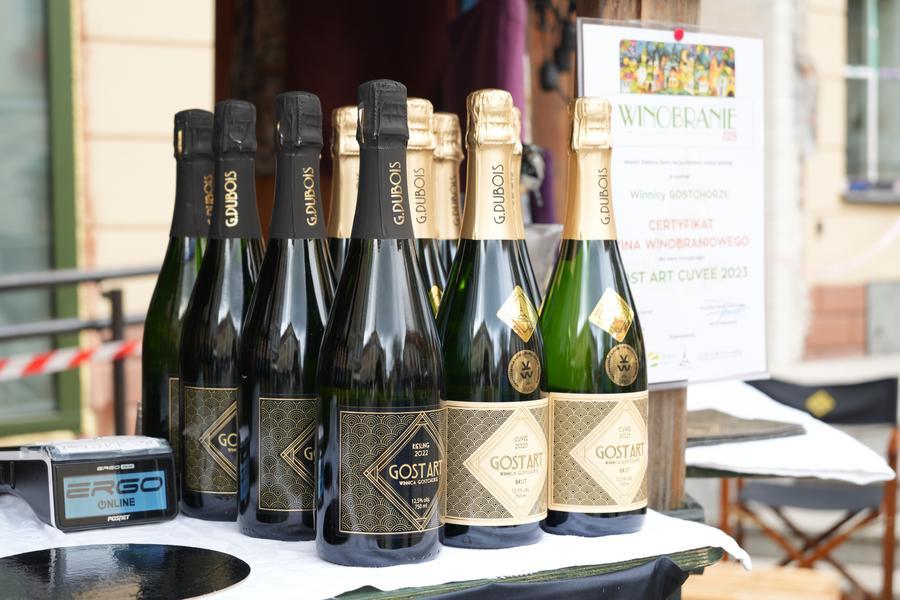
For visitors, Winobranie is a celebration of wine and local culture. For producers, it is also a chance to showcase their wines, meet customers and carry forward a tradition deeply rooted in the region.
ZIELONA GORA, Poland, Sept. 19 (Xinhua) -- Wine glasses clinked as visitors moved from stall to stall in the heart of Zielona Gora, sampling sparkling wines and dry whites while hearing the stories behind each bottle.
The scene unfolded during Winobranie, the annual wine harvest festival in Zielona Gora, a western Polish city with a centuries-old winemaking tradition.
Held each September, the festival brings together dozens of vineyards from across western Poland and features concerts, a market, vineyard tours and a colorful parade.
For visitors, Winobranie is a celebration of wine and local culture. For producers, it is also a chance to showcase their wines, meet customers and carry forward a tradition deeply rooted in the region.
Zielona Gora's winegrowing heritage stretches back more than 700 years. The earliest documented record of grape cultivation in the area dates to 1314, while organized harvest celebrations emerged in the 19th century.
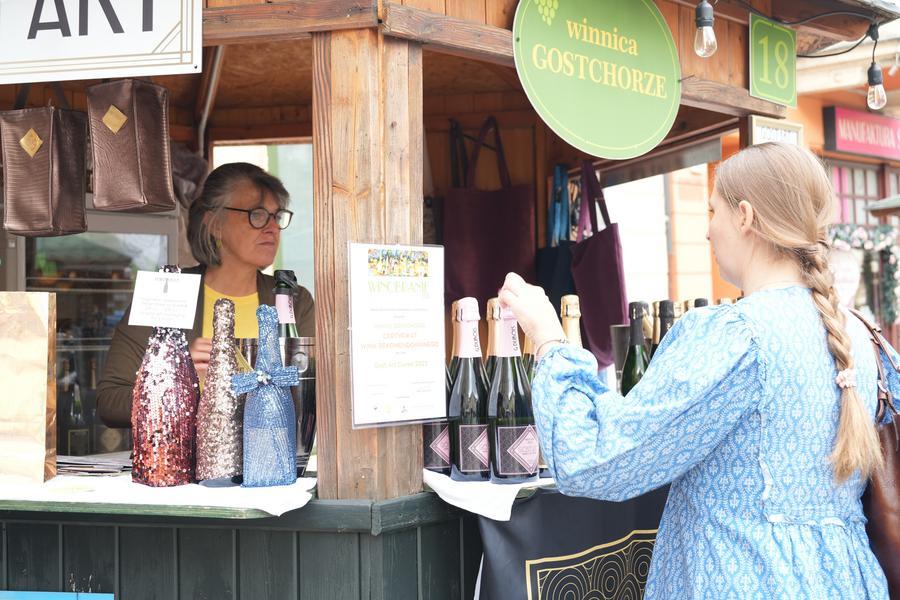
In recent decades, family vineyards combine inherited traditions with new techniques, helping drive a revival of winemaking in the region.
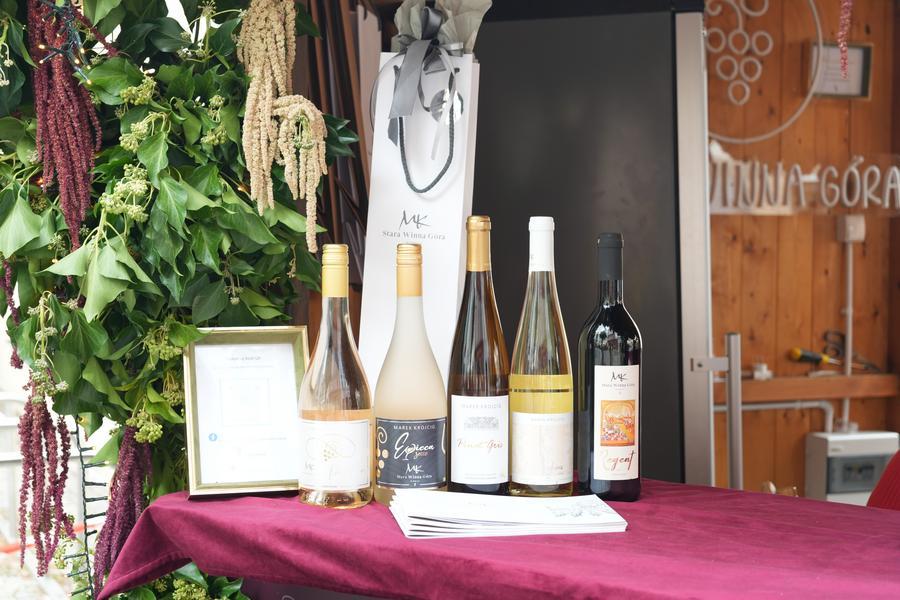
Among the pioneers is Stara Winna Gora, a family vineyard founded in 1997 near Zielona Gora and described as the first officially registered vineyard in Poland.
For Zofia Choluj, a wine seller at the vineyard, the key to sustaining the business over decades is passion. She called it "the most important thing."
That passion, she added, extends beyond winemaking itself. The vineyard works with local artists and craftspeople, incorporating their work into the visitor experience and helping promote local culture.
Choluj has also witnessed a broader revival of winemaking in the region. Training and expertise have expanded for small producers, she said, adding that as wine quality and sales have improved, a new generation has shown growing interest in the trade.
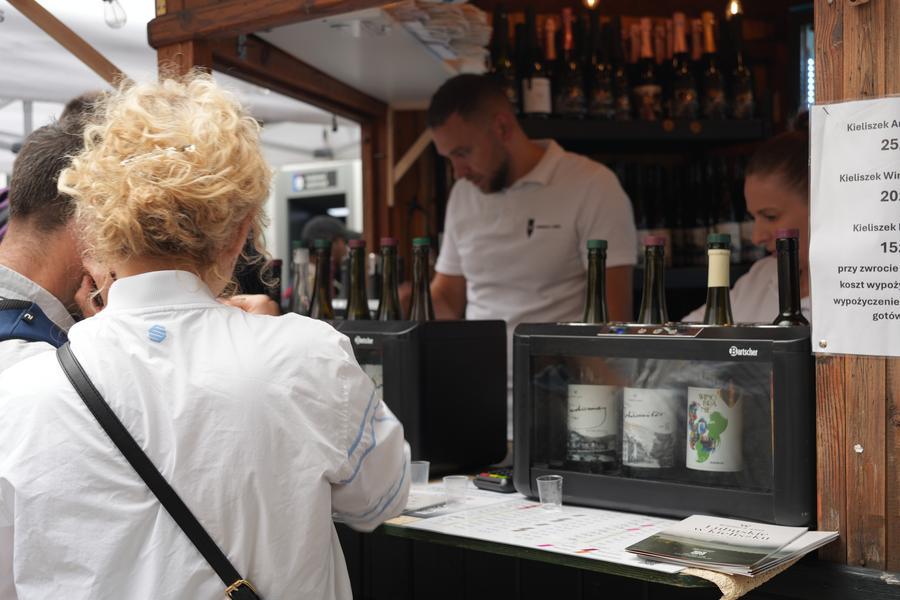
At Na Lesnej Polanie Vineyard, Michal Lewandowski is part of that younger generation. His parents planted their first vines in 1999, gradually turning a small family project into an established vineyard.
Lewandowski said the region's climate and long winegrowing history provide a strong foundation for local producers, while growing competition is pushing vineyards to improve their products and develop new styles.
While some vineyards here draw on decades of family history, newer producers are also bringing fresh ideas to Zielona Gora's wine scene.
At Pod Wieza Vineyard, which was envisioned as a relatively small project when Krystian Kurpiel's parents started it about a decade ago, the family has experimented with different winemaking methods, including Georgian-style clay vessels buried underground and the production of sparkling wines.
Since Kurpiel became a full-time winemaker, the vineyard has expanded to about 3.5 hectares. "We always try to make something distinctive from the others," he said.
A larger harvest gives the winery more room to try different winemaking methods, he added. He noted that the Winobranie festival serves as an important platform for local winemakers to engage directly with customers while showcasing Zielona Gora's distinctive wine culture.
"For many families here, winemaking is passed down from one generation to the next. People have come to realize that wine is part of our local culture, and we have to keep it alive," Kurpiel said.