Digital tools and AI bring innovation in kitchen technologies in Poland, opening up new possibilities.
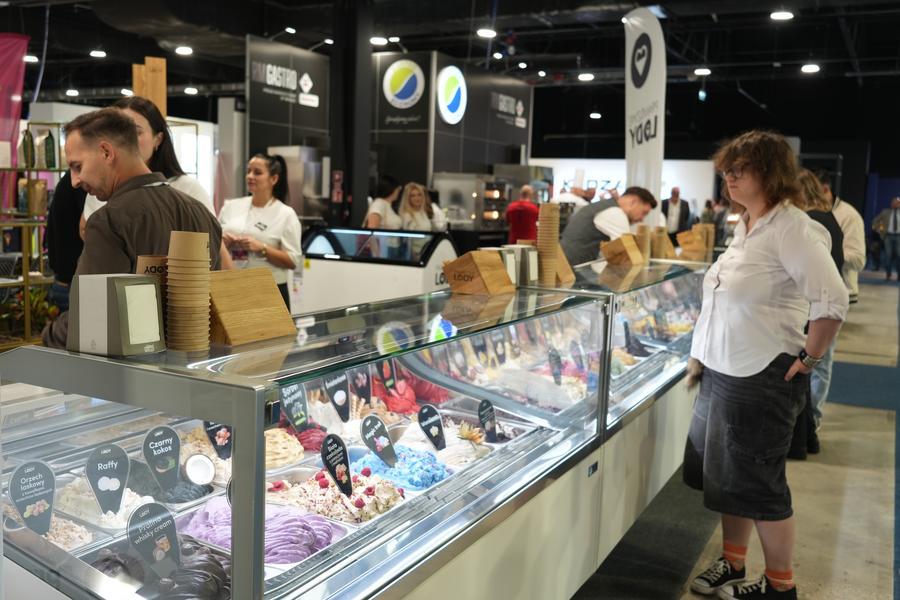
WARSAW, Sept. 18 (Xinhua) -- Following instructions on a screen, chefs from across Poland worked through the steps of making gelato, using a digital tool to balance their recipes as they turned natural ingredients into the frozen dessert.
The demonstration at Warsaw Sweet Tech, a trade fair held from Tuesday to Thursday, brought digital precision into the craft of gelato making.
On the screen, users could fine-tune the recipe's sweetness, fat content and the gelato's firmness, while an automatic balancing function helped calculate the proportions of ingredients.
In the mind of Aleksander Pitura, co-creator of the website myGelato.eu, the goal is to give makers greater freedom to develop their own recipes using natural ingredients, without artificial coloring or flavoring.
For Pitura, the idea grew out of a practical difficulty: making gelato from scratch required knowledge that ready-made mixes did little to teach.
Following instructions on a packet could produce a dessert, he explained, but it did not necessarily help makers understand how to balance ingredients or develop a recipe of their own.
He teamed up with a friend to develop a website that would help gelato makers with those calculations, creating what he described as the first platform of its kind in Poland.
Alongside recipe balancing, the website provides step-by-step production guidance, helping users put their formulations into practice.
That flexibility also matters when recipes cross borders. Pitura said some of his Asian customers preferred less sweetness, requiring formulations to be adjusted for different tastes. His clients include users in Shanghai and Hong Kong.
Innovation in kitchen technology is also changing how food is decorated and presented.
Elsewhere at the fair, Lithuanian family business JetLt showed how a customer's photograph or design could become part of the dessert itself.
The company manufactures flatbed printers that apply edible ink directly to cakes, chocolate and other confectionery, transferring images from a computer onto the treats to give them a personal finishing touch.
The founder's son, representing the company at the fair, said the family began manufacturing the printers in 2016 and had been selling them in Poland for seven years.
At the time production began, he said, theirs was one of only three companies in Europe known to him to be making such printers.
A simple name or logo can take about 30 seconds to print, while a complicated image on a large cake may take up to two minutes, he said. The machines can also decorate several items, such as macarons, in one batch.
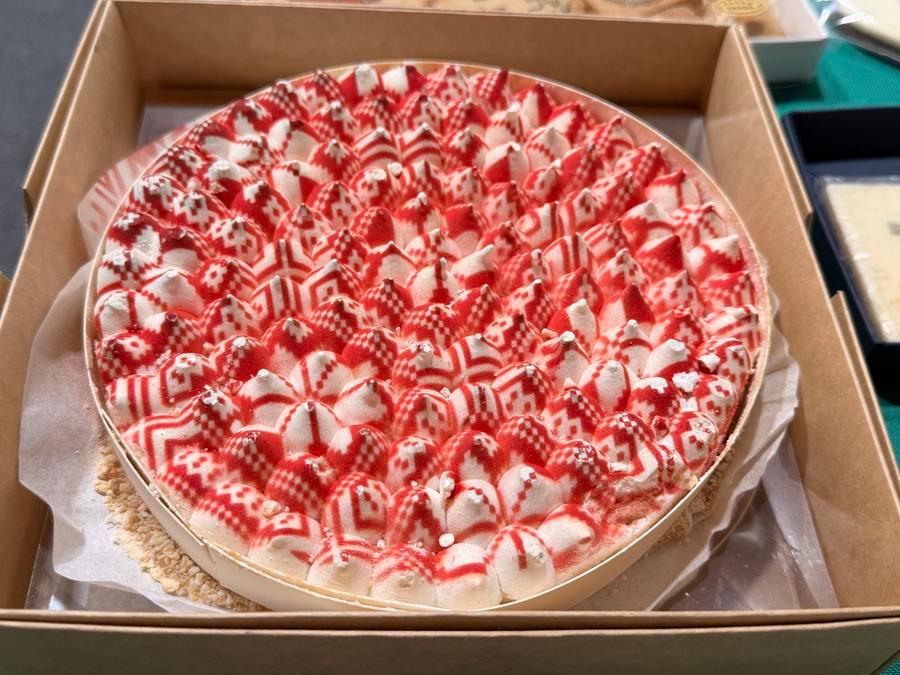
For confectioners, the technology offers a way to combine personalized orders with repeatable production. The cake or chocolate still has to be made; printing adds another option for how it is presented.
The family's move into food decoration itself grew out of an earlier craft. The representative recalled his father's work printing on CDs and DVDs before adapting that experience to a very different surface.
"We're always trying something new," he said.
While technology is opening up new possibilities for how food is made and presented, a restaurant's appeal also depends on what happens around the plate.
That part of the experience was the focus of Zuzana AI, a Polish venture exhibiting at the concurrent ProKitchen Expo.
Co-founder Miron Blacerzak said many restaurant QR codes in Poland simply direct diners to static PDF menus, offering little opportunity for interaction.
His team developed a platform designed to turn that familiar code into an interactive assistant. Customers would scan it to open a chat interface, ask for recommendations based on the menu, and then order and pay without installing an app.
For restaurant operators, the system is also designed to answer questions about stock levels and compare the performance of different dishes, connecting the customer-facing service with work behind the scenes.
The project had been under development for three years and was due to launch in about two weeks, Blacerzak said.
The intention, he said, is to help waiters focus on delivering food and making guests feel comfortable, including the small exchanges that can turn a visit into a relationship.
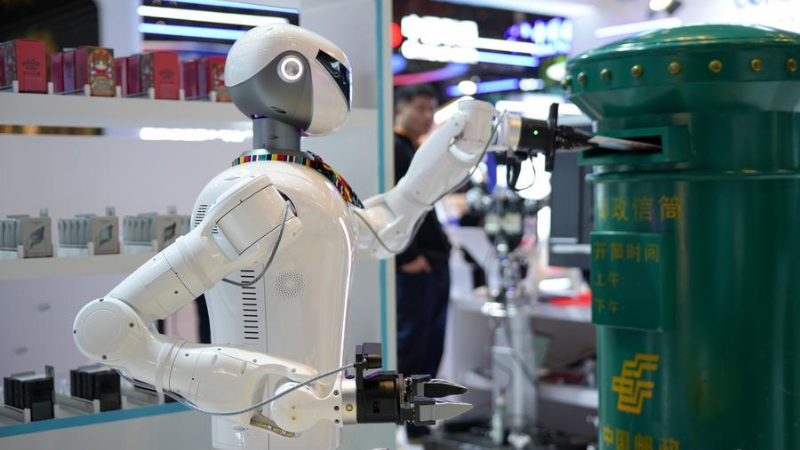
For culinary historian Bogdan Galazka, who holds a doctorate in history from Nicolaus Copernicus University in Torun, Poland, preserving tradition goes hand in hand with embracing the possibilities offered by new technology.
"Modern technology is entering the kitchen, and that is wonderful. A robot waiter can be a pleasant attraction for our guests," he said. "But we must not forget tradition, which safeguards historical and national memory."■