
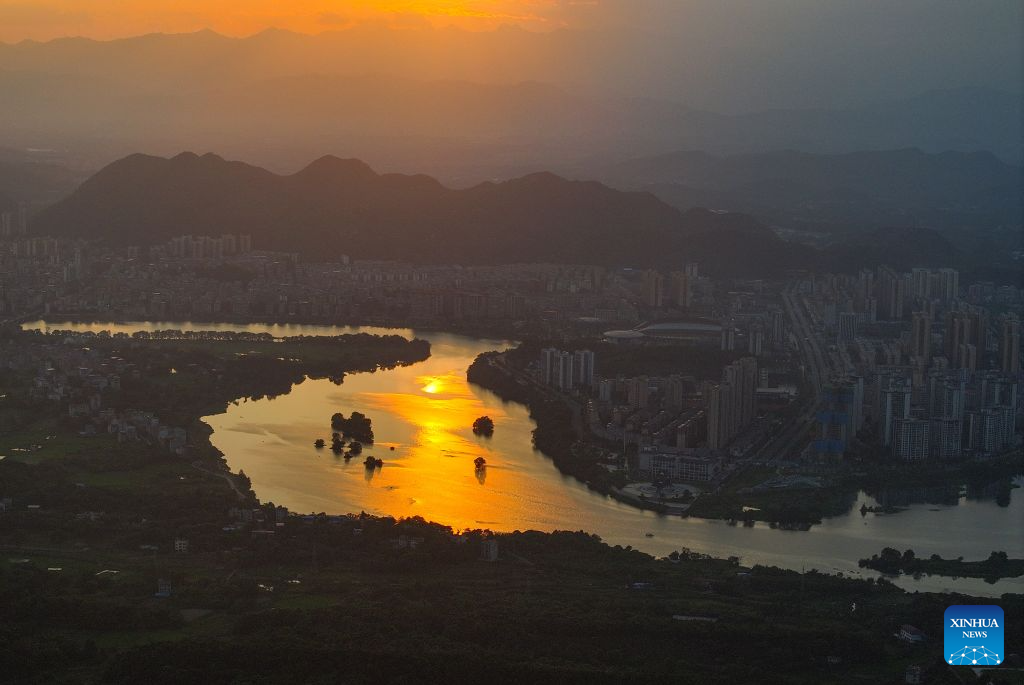
An aerial drone photo taken on Aug. 11, 2026 shows a view of the Xiangjiang River in Quanzhou County of Guilin City, south China's Guangxi Zhuang Autonomous Region. In the winter of 1934 during the Long March, the Red Army fought its way across the Xiangjiang River in Guangxi and broke through the Kuomintang troops' blockade, but suffered tens of thousands of casualties in the battle.
In Quanzhou, Guanyang and Xing'an counties, where the Battle of the Xiangjiang River was fought, the spirit of the Long March has been passed down through generations. Today, roads wind through mountains that Red Army soldiers once crossed on foot, connecting once-isolated villages with the outside world. Local people keep striving on the path of rural revitalization. (Xinhua/Huang Xiaobang)
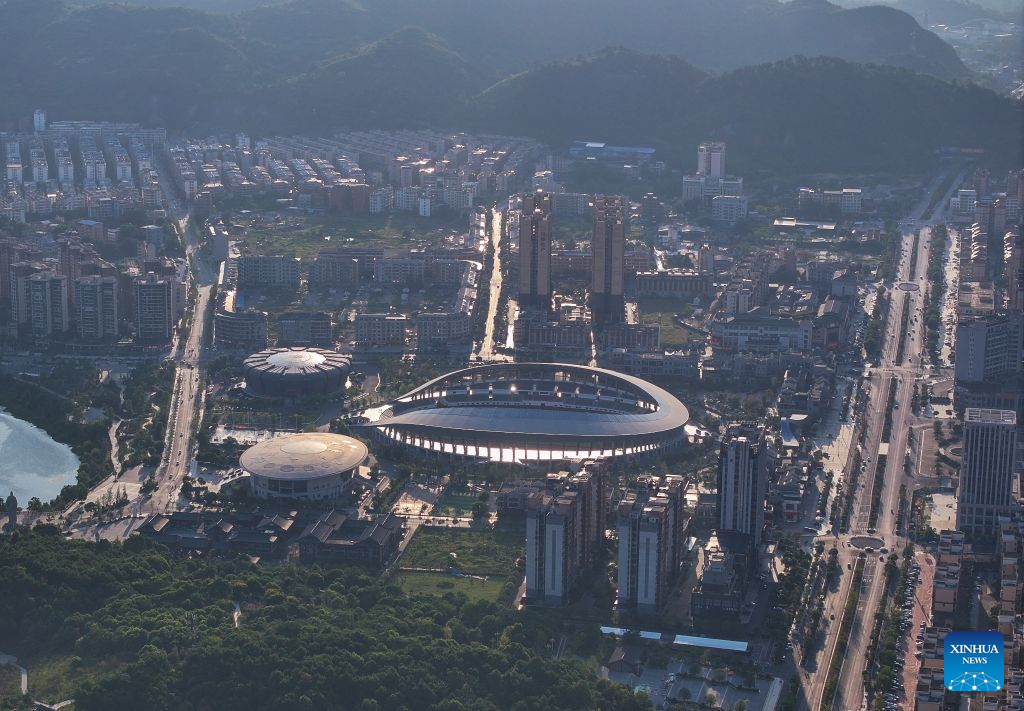
An aerial drone photo taken on Aug. 11, 2026 shows a view of Quanzhou County of Guilin City, south China's Guangxi Zhuang Autonomous Region. In the winter of 1934 during the Long March, the Red Army fought its way across the Xiangjiang River in Guangxi and broke through the Kuomintang troops' blockade, but suffered tens of thousands of casualties in the battle.
In Quanzhou, Guanyang and Xing'an counties, where the Battle of the Xiangjiang River was fought, the spirit of the Long March has been passed down through generations. Today, roads wind through mountains that Red Army soldiers once crossed on foot, connecting once-isolated villages with the outside world. Local people keep striving on the path of rural revitalization. (Xinhua/Huang Xiaobang)

An aerial drone photo taken on Aug. 11, 2026 shows a view of Quanzhou County of Guilin City, south China's Guangxi Zhuang Autonomous Region. In the winter of 1934 during the Long March, the Red Army fought its way across the Xiangjiang River in Guangxi and broke through the Kuomintang troops' blockade, but suffered tens of thousands of casualties in the battle.
In Quanzhou, Guanyang and Xing'an counties, where the Battle of the Xiangjiang River was fought, the spirit of the Long March has been passed down through generations. Today, roads wind through mountains that Red Army soldiers once crossed on foot, connecting once-isolated villages with the outside world. Local people keep striving on the path of rural revitalization. (Xinhua/Huang Xiaobang)
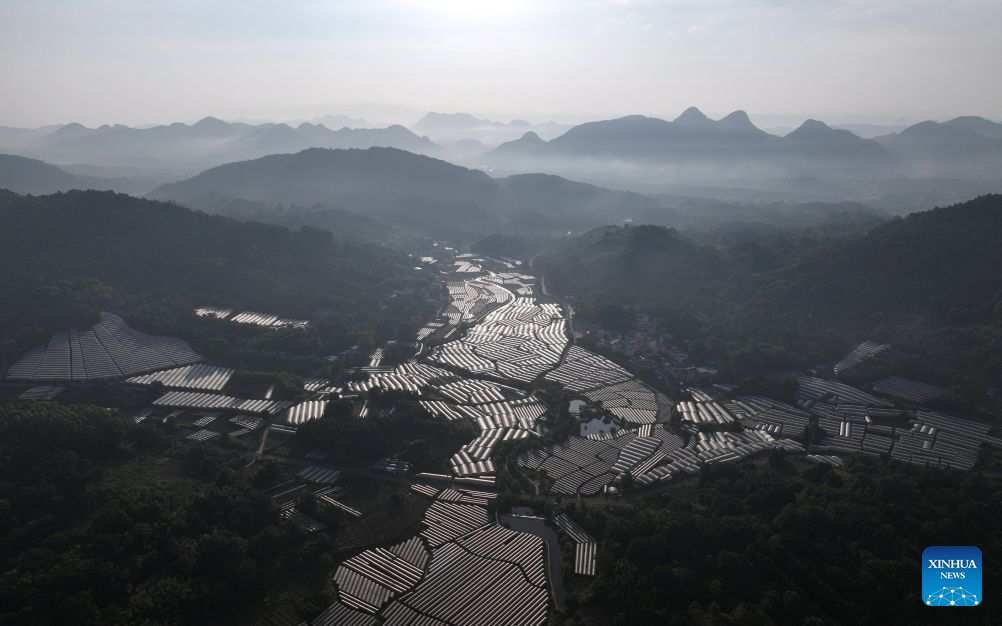
An aerial drone photo taken on Aug. 11, 2026 shows a view of grape gardens in Maozhushan Village of Quanzhou County of Guilin City, south China's Guangxi Zhuang Autonomous Region. In the winter of 1934 during the Long March, the Red Army fought its way across the Xiangjiang River in Guangxi and broke through the Kuomintang troops' blockade, but suffered tens of thousands of casualties in the battle.
In Quanzhou, Guanyang and Xing'an counties, where the Battle of the Xiangjiang River was fought, the spirit of the Long March has been passed down through generations. Today, roads wind through mountains that Red Army soldiers once crossed on foot, connecting once-isolated villages with the outside world. Local people keep striving on the path of rural revitalization. (Xinhua/Huang Xiaobang)
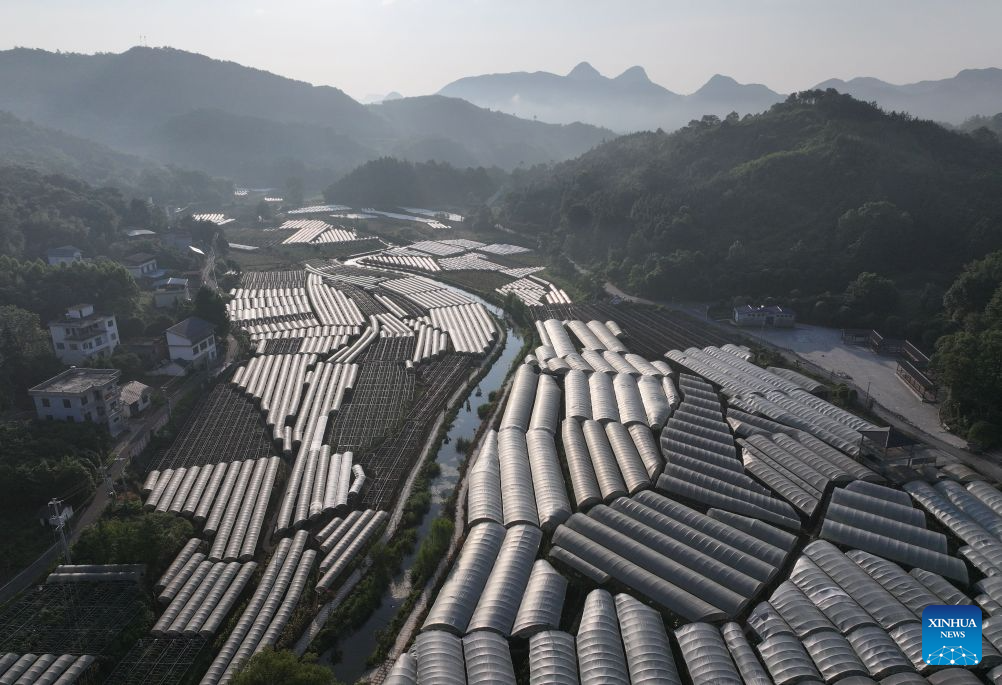
An aerial drone photo taken on Aug. 11, 2026 shows a view of grape gardens in Maozhushan Village of Quanzhou County of Guilin City, south China's Guangxi Zhuang Autonomous Region. In the winter of 1934 during the Long March, the Red Army fought its way across the Xiangjiang River in Guangxi and broke through the Kuomintang troops' blockade, but suffered tens of thousands of casualties in the battle.
In Quanzhou, Guanyang and Xing'an counties, where the Battle of the Xiangjiang River was fought, the spirit of the Long March has been passed down through generations. Today, roads wind through mountains that Red Army soldiers once crossed on foot, connecting once-isolated villages with the outside world. Local people keep striving on the path of rural revitalization. (Xinhua/Huang Xiaobang)
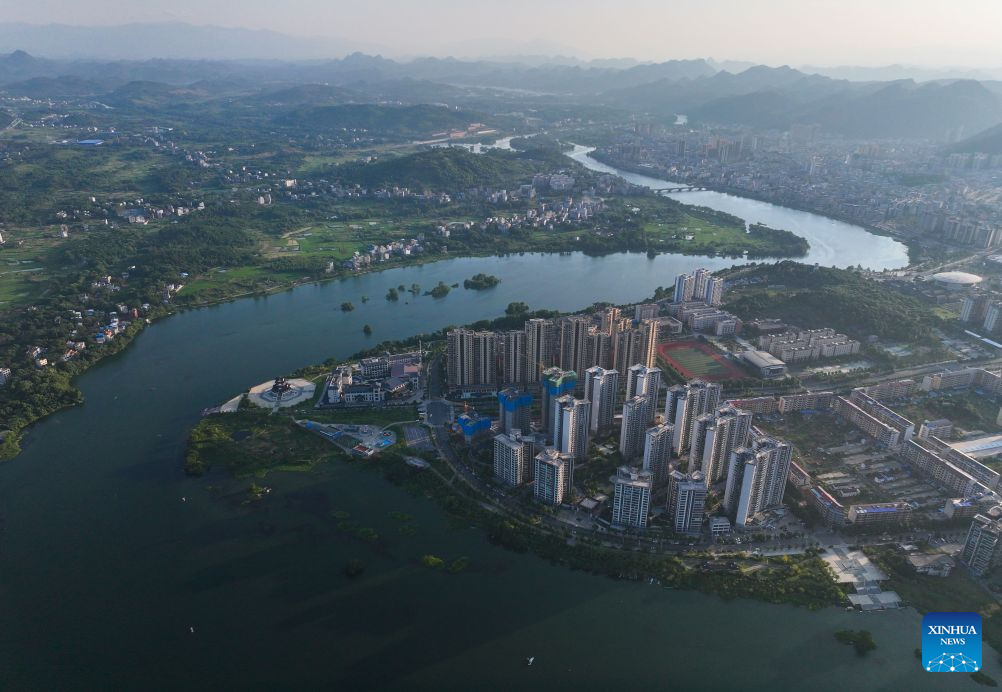
An aerial drone photo taken on Aug. 11, 2026 shows a view of the Xiangjiang River in Quanzhou County of Guilin City, south China's Guangxi Zhuang Autonomous Region. In the winter of 1934 during the Long March, the Red Army fought its way across the Xiangjiang River in Guangxi and broke through the Kuomintang troops' blockade, but suffered tens of thousands of casualties in the battle.
In Quanzhou, Guanyang and Xing'an counties, where the Battle of the Xiangjiang River was fought, the spirit of the Long March has been passed down through generations. Today, roads wind through mountains that Red Army soldiers once crossed on foot, connecting once-isolated villages with the outside world. Local people keep striving on the path of rural revitalization. (Xinhua/Huang Xiaobang)
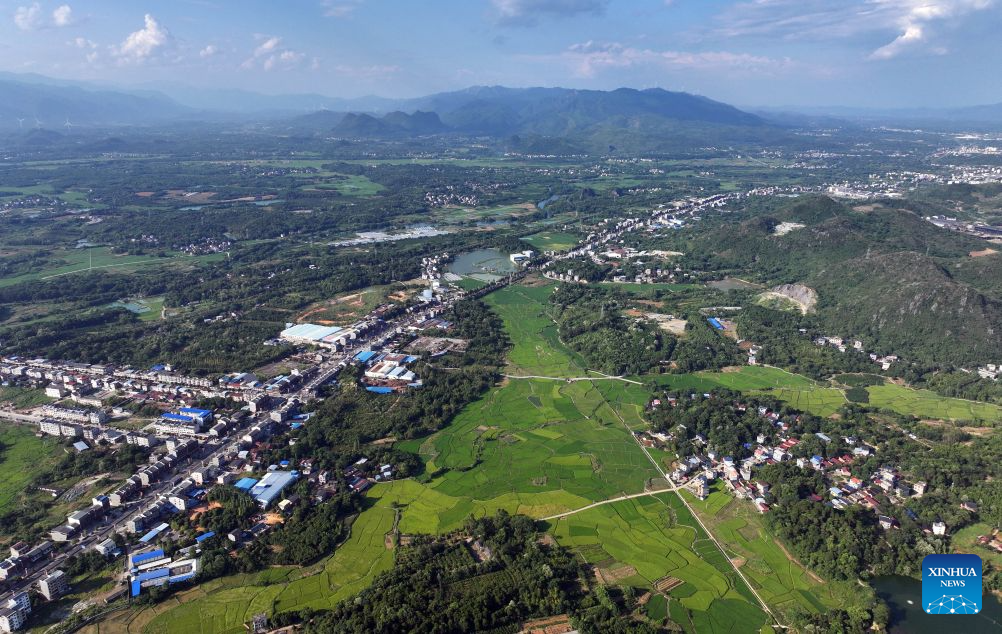
An aerial drone photo taken on Aug. 11, 2026 shows a view of the Caiwan Town of Quanzhou County of Guilin City, south China's Guangxi Zhuang Autonomous Region. In the winter of 1934 during the Long March, the Red Army fought its way across the Xiangjiang River in Guangxi and broke through the Kuomintang troops' blockade, but suffered tens of thousands of casualties in the battle.
In Quanzhou, Guanyang and Xing'an counties, where the Battle of the Xiangjiang River was fought, the spirit of the Long March has been passed down through generations. Today, roads wind through mountains that Red Army soldiers once crossed on foot, connecting once-isolated villages with the outside world. Local people keep striving on the path of rural revitalization. (Xinhua/Huang Xiaobang)
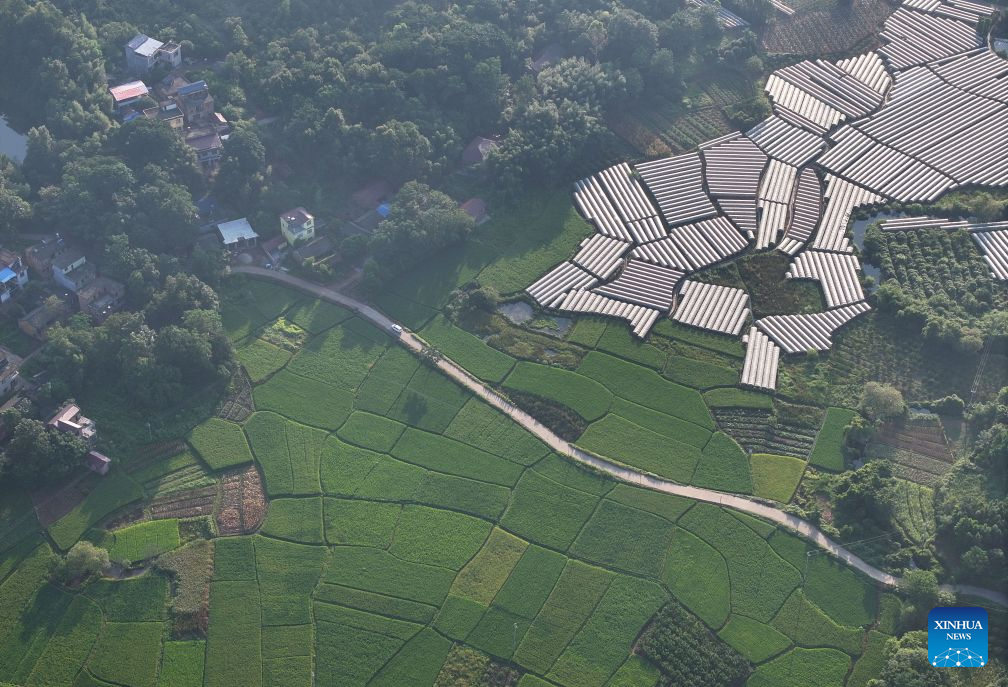
An aerial drone photo taken on Aug. 11, 2026 shows a view of grape gardens and paddy fields in Maozhushan Village of Quanzhou County of Guilin City, south China's Guangxi Zhuang Autonomous Region. In the winter of 1934 during the Long March, the Red Army fought its way across the Xiangjiang River in Guangxi and broke through the Kuomintang troops' blockade, but suffered tens of thousands of casualties in the battle.
In Quanzhou, Guanyang and Xing'an counties, where the Battle of the Xiangjiang River was fought, the spirit of the Long March has been passed down through generations. Today, roads wind through mountains that Red Army soldiers once crossed on foot, connecting once-isolated villages with the outside world. Local people keep striving on the path of rural revitalization. (Xinhua/Huang Xiaobang)
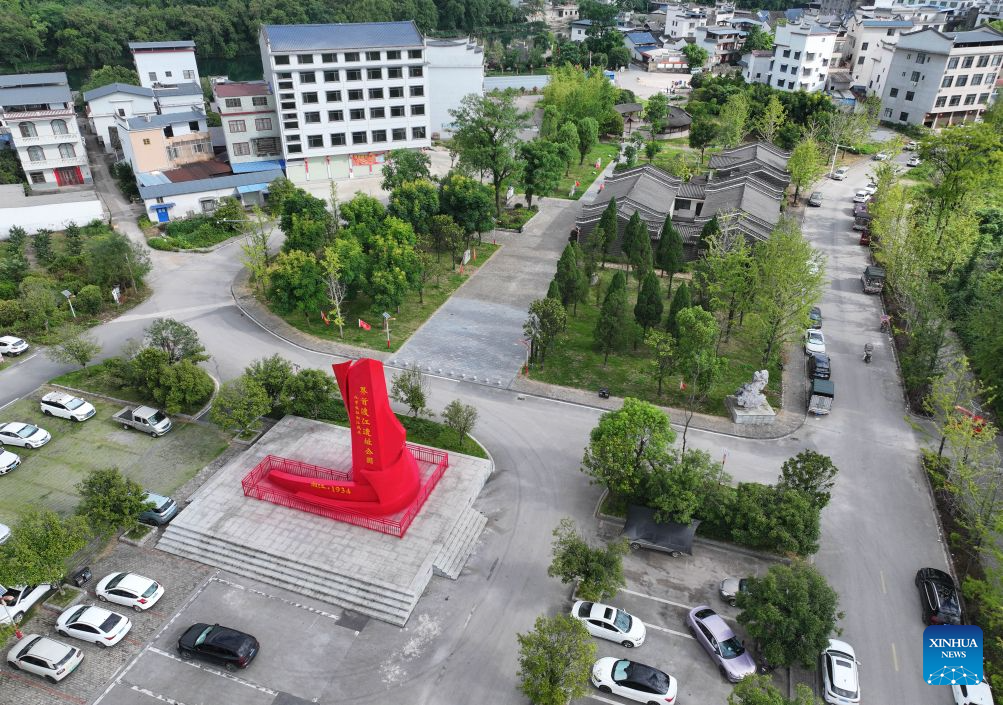
An aerial drone photo taken on Aug. 10, 2026 shows a memorial park for the Battle of the Xiangjiang River in Jieshou Town of Xing'an County of Guilin City, south China's Guangxi Zhuang Autonomous Region. In the winter of 1934 during the Long March, the Red Army fought its way across the Xiangjiang River in Guangxi and broke through the Kuomintang troops' blockade, but suffered tens of thousands of casualties in the battle.
In Quanzhou, Guanyang and Xing'an counties, where the Battle of the Xiangjiang River was fought, the spirit of the Long March has been passed down through generations. Today, roads wind through mountains that Red Army soldiers once crossed on foot, connecting once-isolated villages with the outside world. Local people keep striving on the path of rural revitalization. (Xinhua/Zhang Ailin)
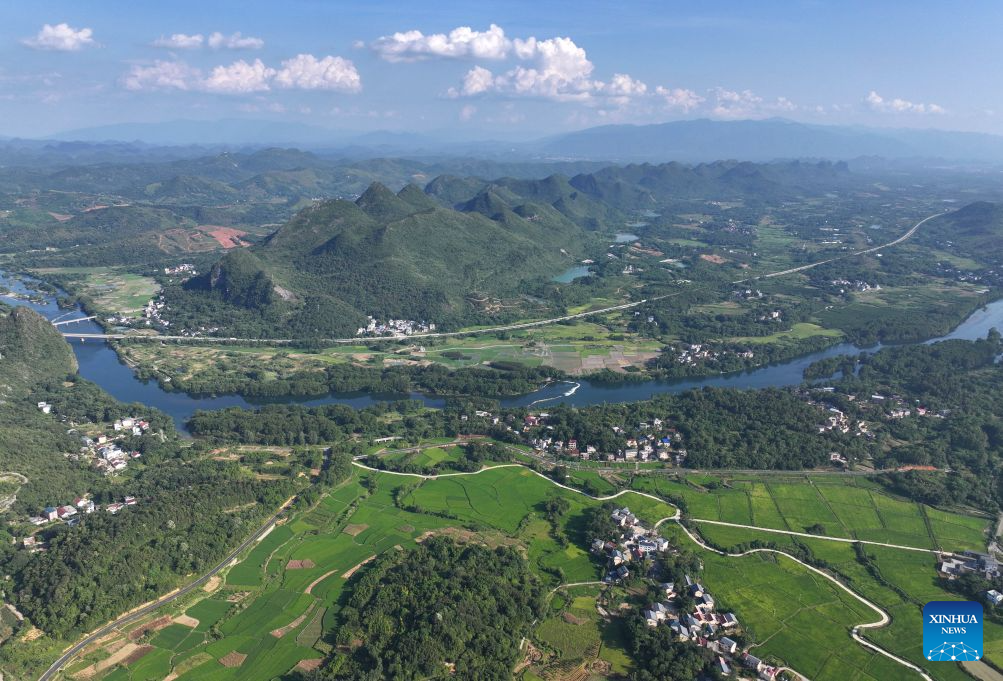
An aerial drone photo taken on Aug. 11, 2026 shows a view of the Xiangjiang River in Caiwan Town of Quanzhou County of Guilin City, south China's Guangxi Zhuang Autonomous Region. In the winter of 1934 during the Long March, the Red Army fought its way across the Xiangjiang River in Guangxi and broke through the Kuomintang troops' blockade, but suffered tens of thousands of casualties in the battle.
In Quanzhou, Guanyang and Xing'an counties, where the Battle of the Xiangjiang River was fought, the spirit of the Long March has been passed down through generations. Today, roads wind through mountains that Red Army soldiers once crossed on foot, connecting once-isolated villages with the outside world. Local people keep striving on the path of rural revitalization. (Xinhua/Huang Xiaobang)
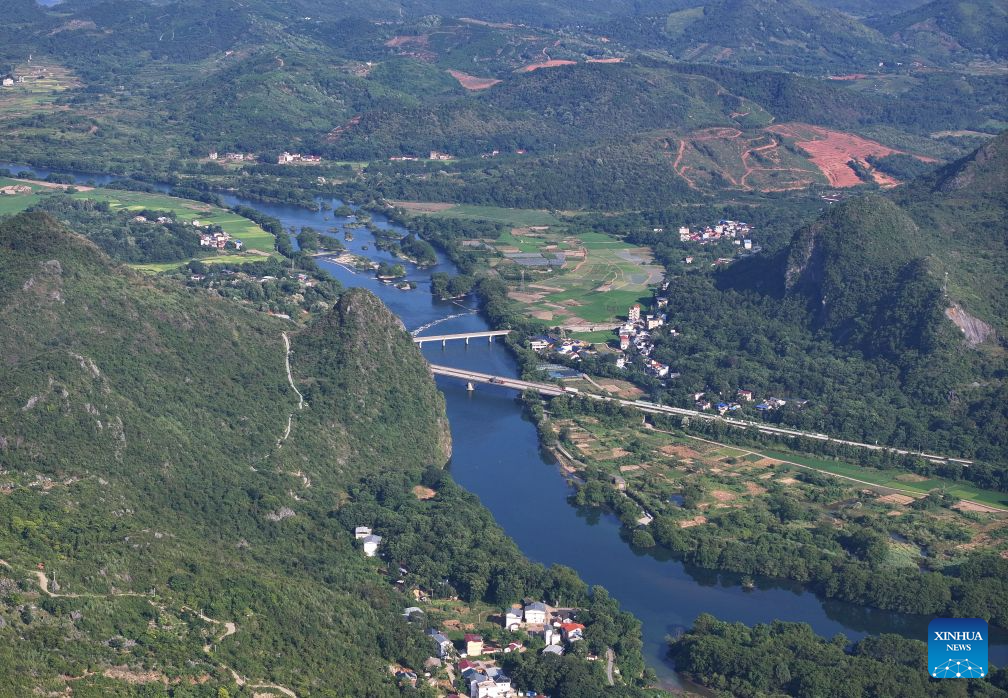
An aerial drone photo taken on Aug. 11, 2026 shows a view of the Xiangjiang River in Caiwan Town of Quanzhou County of Guilin City, south China's Guangxi Zhuang Autonomous Region. In the winter of 1934 during the Long March, the Red Army fought its way across the Xiangjiang River in Guangxi and broke through the Kuomintang troops' blockade, but suffered tens of thousands of casualties in the battle.
In Quanzhou, Guanyang and Xing'an counties, where the Battle of the Xiangjiang River was fought, the spirit of the Long March has been passed down through generations. Today, roads wind through mountains that Red Army soldiers once crossed on foot, connecting once-isolated villages with the outside world. Local people keep striving on the path of rural revitalization. (Xinhua/Huang Xiaobang)
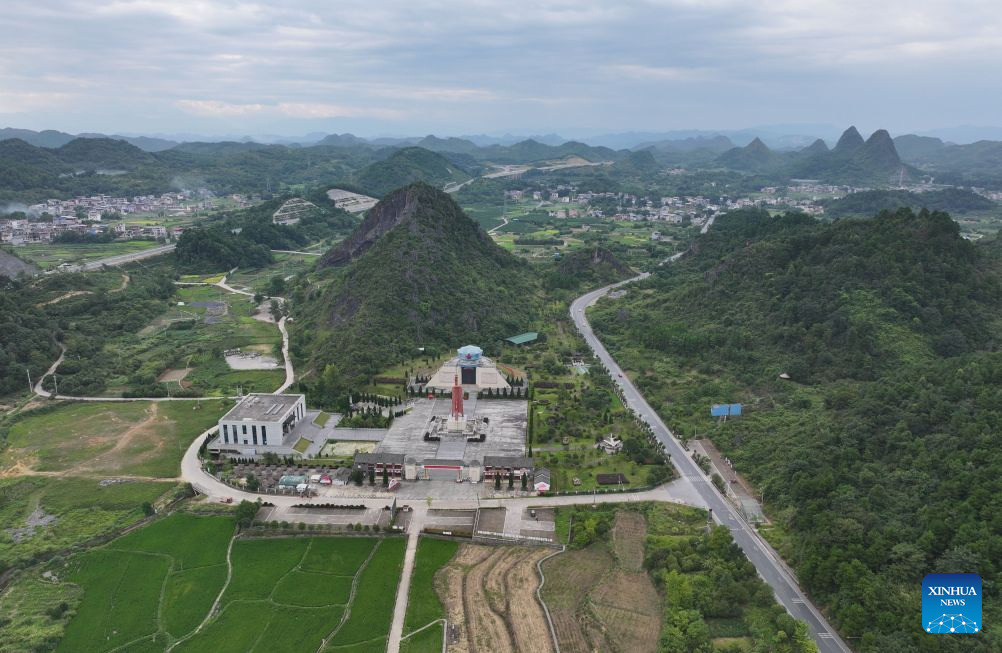
An aerial drone photo taken on Aug. 10, 2026 shows a memorial park for a blocking battle during the Battle of the Xiangjiang River in Guanyang County of Guilin City, south China's Guangxi Zhuang Autonomous Region. In the winter of 1934 during the Long March, the Red Army fought its way across the Xiangjiang River in Guangxi and broke through the Kuomintang troops' blockade, but suffered tens of thousands of casualties in the battle.
In Quanzhou, Guanyang and Xing'an counties, where the Battle of the Xiangjiang River was fought, the spirit of the Long March has been passed down through generations. Today, roads wind through mountains that Red Army soldiers once crossed on foot, connecting once-isolated villages with the outside world. Local people keep striving on the path of rural revitalization. (Xinhua/Zhang Ailin)
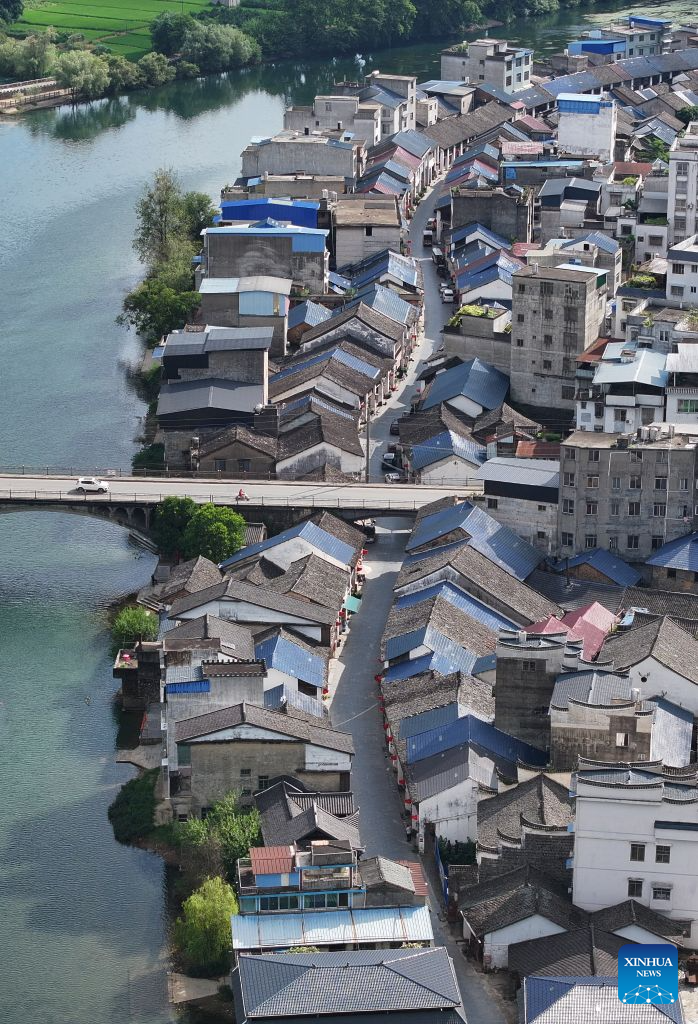
An aerial drone photo taken on Aug. 10, 2026 shows a street named after the Red Army in Jieshou Town of Xing'an County of Guilin City, south China's Guangxi Zhuang Autonomous Region. In the winter of 1934 during the Long March, the Red Army fought its way across the Xiangjiang River in Guangxi and broke through the Kuomintang troops' blockade, but suffered tens of thousands of casualties in the battle.
In Quanzhou, Guanyang and Xing'an counties, where the Battle of the Xiangjiang River was fought, the spirit of the Long March has been passed down through generations. Today, roads wind through mountains that Red Army soldiers once crossed on foot, connecting once-isolated villages with the outside world. Local people keep striving on the path of rural revitalization. (Xinhua/Huang Xiaobang)
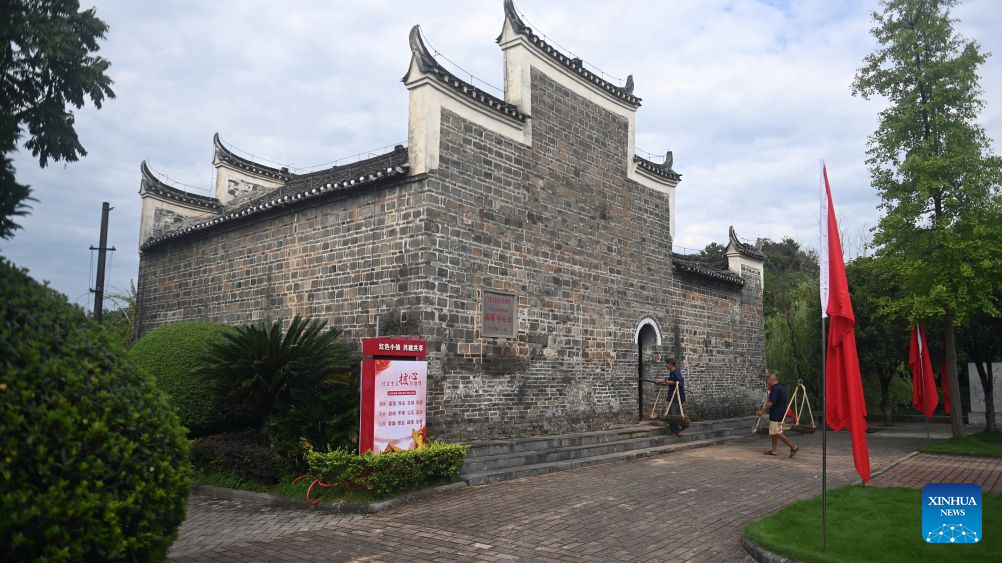
This photo taken on Aug. 10, 2026 shows a former site of the command headquarters of the Red Army in Xing'an County of Guilin City, south China's Guangxi Zhuang Autonomous Region. In the winter of 1934 during the Long March, the Red Army fought its way across the Xiangjiang River in Guangxi and broke through the Kuomintang troops' blockade, but suffered tens of thousands of casualties in the battle.
In Quanzhou, Guanyang and Xing'an counties, where the Battle of the Xiangjiang River was fought, the spirit of the Long March has been passed down through generations. Today, roads wind through mountains that Red Army soldiers once crossed on foot, connecting once-isolated villages with the outside world. Local people keep striving on the path of rural revitalization. (Xinhua/Zhang Ailin)
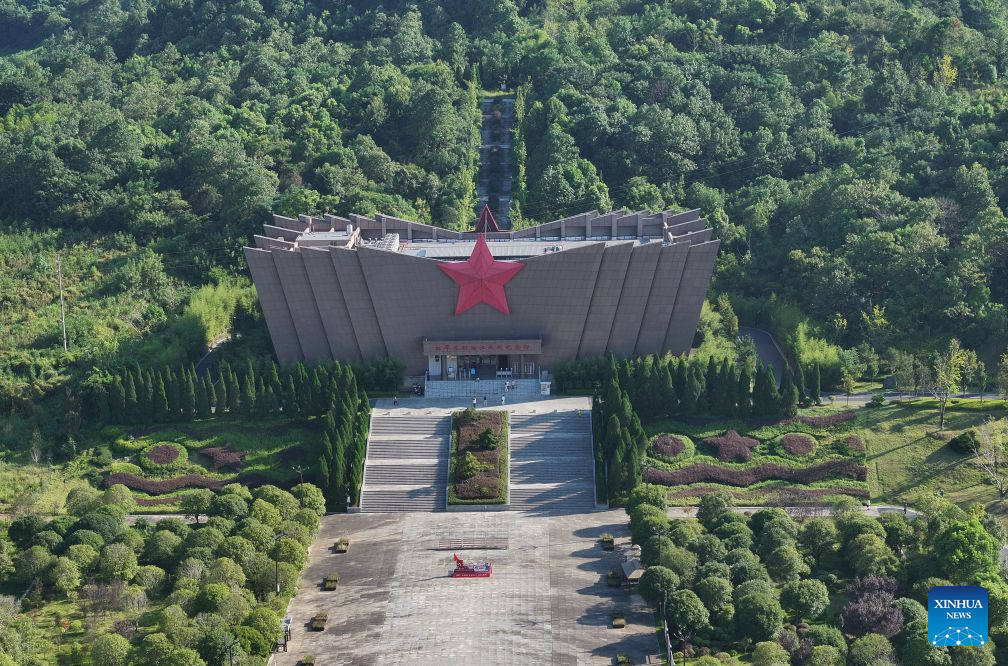
An aerial drone photo taken on Aug. 11, 2026 shows a memorial hall for the Battle of the Xiangjiang River in Quanzhou County of Guilin City, south China's Guangxi Zhuang Autonomous Region. In the winter of 1934 during the Long March, the Red Army fought its way across the Xiangjiang River in Guangxi and broke through the Kuomintang troops' blockade, but suffered tens of thousands of casualties in the battle.
In Quanzhou, Guanyang and Xing'an counties, where the Battle of the Xiangjiang River was fought, the spirit of the Long March has been passed down through generations. Today, roads wind through mountains that Red Army soldiers once crossed on foot, connecting once-isolated villages with the outside world. Local people keep striving on the path of rural revitalization. (Xinhua/Huang Xiaobang)


