by Nie Xinyu, Li Xiaoyu, Qi Zijian
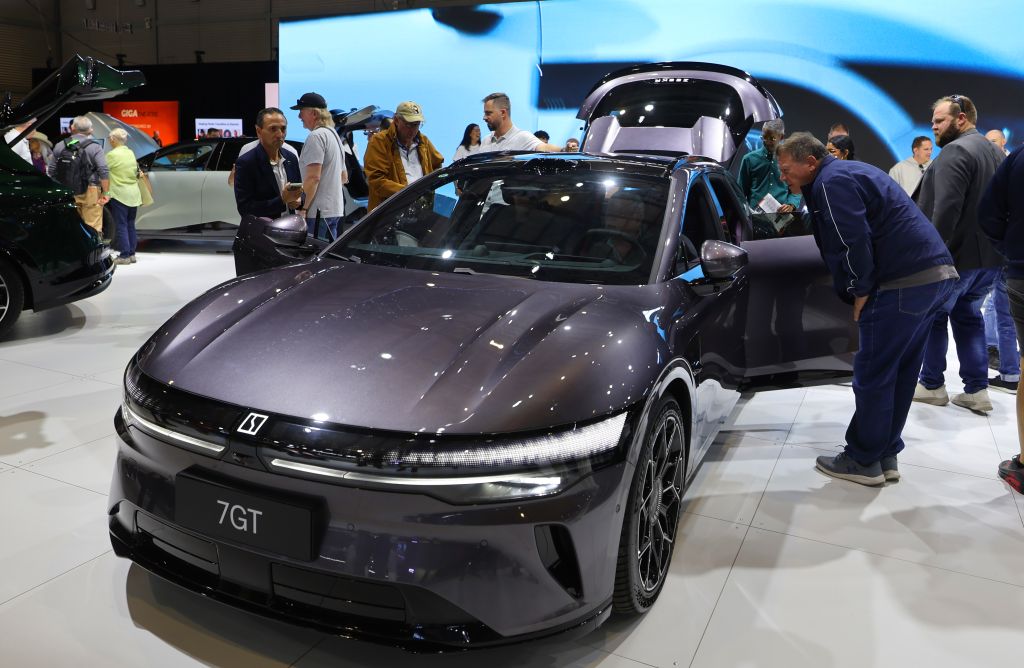
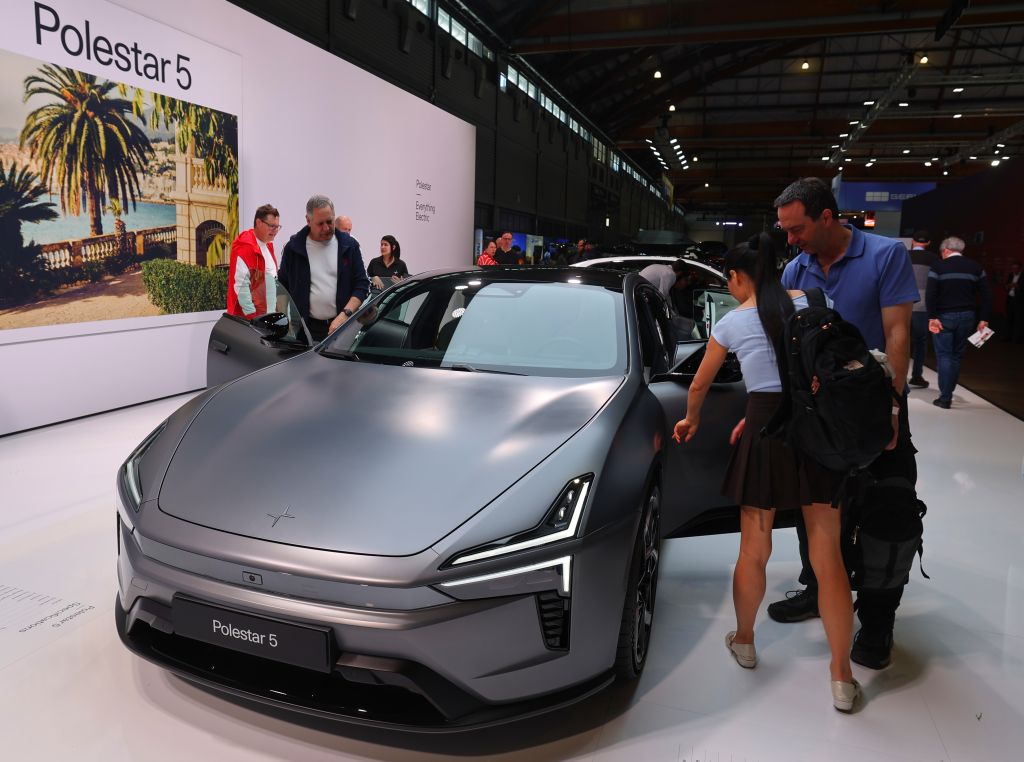
SYDNEY, Sept. 18 (Xinhua) -- The three-day Everything Electric Sydney 2026 opened at Sydney Olympic Park on Friday, bringing together the latest electrified products from automakers around the world.
A number of Chinese new energy vehicle (NEV) makers showcased new models at the event, drawing strong interest from visitors. Their growing competitiveness and ability to adapt to local market needs are adding momentum to their expansion in Australia.
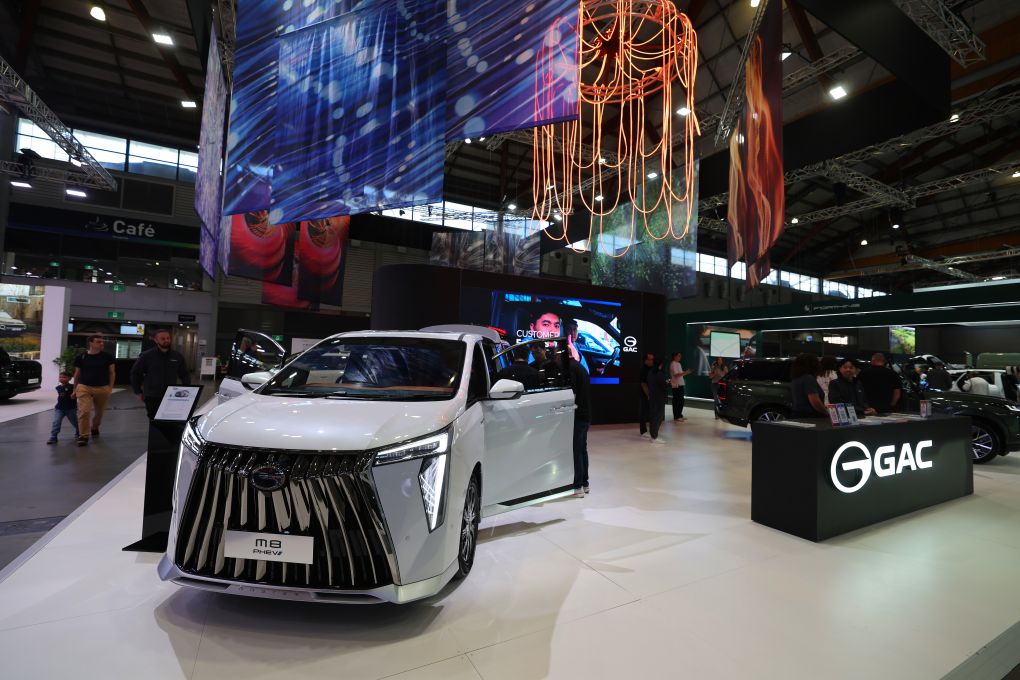
Chinese brands including Chery, GAC, MG, GWM, Zeekr and BYD displayed a range of battery electric vehicles (BEVs) and plug-in hybrid electric vehicles (PHEVs) at the show, drawing local visitors to their stands for enquiries and test-drive bookings.
Executives from several Chinese automakers told Xinhua that as Australia's electric vehicle market continues to grow, they are introducing more products while expanding their presence through technological innovation and greater localization.
Dan Caesar, CEO of Everything Electric, told Xinhua that Australia's EV market has grown markedly this year, as rising attention to vehicle running costs has prompted more consumers to consider the practical benefits of electric cars.
Caesar said Australians had previously been somewhat hesitant about EVs, partly because of the country's vast distances and concerns over driving range. But those perceptions are changing as more models become available and more people gain first-hand experience with electric vehicles.
"People are starting to understand that actually EVs can work as well in Australia as anywhere else," he said.
Market data also point to the shift. According to the Federal Chamber of Automotive Industries (FCAI), 27,089 BEVs were sold in Australia in August, accounting for 24.9 percent of the new-vehicle market. Sales were up 171 percent year on year, setting a new monthly record.
Five Chinese brands -- BYD, GWM, MG, Geely and Chery -- ranked among Australia's top 10 auto brands by sales in August, according to the FCAI's new-vehicle sales figures.
Caesar said the arrival of Chinese auto brands had given Australian consumers more choice. He said Chinese vehicles were highly competitive in areas including technology, features and pricing, while the speed at which Chinese automakers adapt products to different markets had also impressed him.
The shift is also visible in consumer choices. Stan, an EV owner from Kangaroo Island in South Australia, told Xinhua that he had been driving a Chinese-brand electric vehicle for about eight months. After seeing a new model at the show, he said he was considering trading in his current car.
"I love Chinese cars," he said.
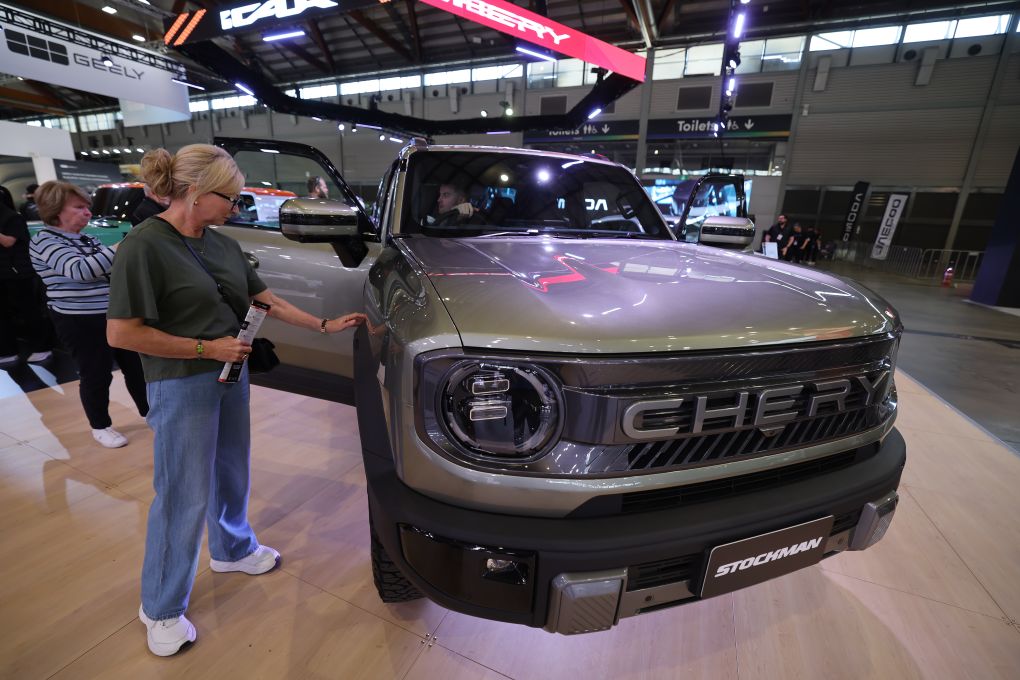
Lu Wen, chief executive officer of Chery Motor Australia and New Zealand, said Australian consumers were becoming increasingly receptive to Chinese EV brands.
"Ultimately, it comes down to the competitiveness of Chinese EVs -- not only in technology, but also in design, quality, value and the wide range of new-energy powertrain options," Lu said. "Competitiveness has never been just about price."
As more Chinese auto brands enter the Australian market, localization has also become an increasingly important part of their expansion.
Dimitri Andreatidis, marketing director of MG Australia and New Zealand, said Australian consumers have their own driving habits and product preferences, and MG adjusts vehicle tuning, specifications and even color choices accordingly.
Citing the MG U9 as an example, Andreatidis said feedback from the Australian market is passed directly to engineering and styling teams and incorporated into vehicle calibration and specifications.
Yuan Xikun, head of marketing at GAC International Australia, said the company has so far signed up 49 local dealers and plans to increase the number to 60 this year. It has also established a local parts warehouse in Australia to improve after-sales service and parts supply.
Yuan said GAC also plans to introduce two to three additional models next year based on the needs of Australian consumers.
Lu said Australia's roads, climate and driving conditions are highly distinctive, making a strong understanding of local consumers essential to product development.
"Only by truly understanding consumers here can we make the products right," he said, adding that feedback from Australian customers is important to the company's product development.
Caesar said Chinese auto brands had demonstrated strong capabilities in technology, product iteration and adapting to local markets, as more Australian consumers become familiar with and experience Chinese NEVs.■