BEIJING, Sept. 9 (Xinhua) -- Open standards, fair licensing and global cooperation have become keywords at the ongoing 15th China Intellectual Property (IP) Annual Conference. Industry leaders from China and abroad pointed out that innovation thrives on sharing, not shutting others out.
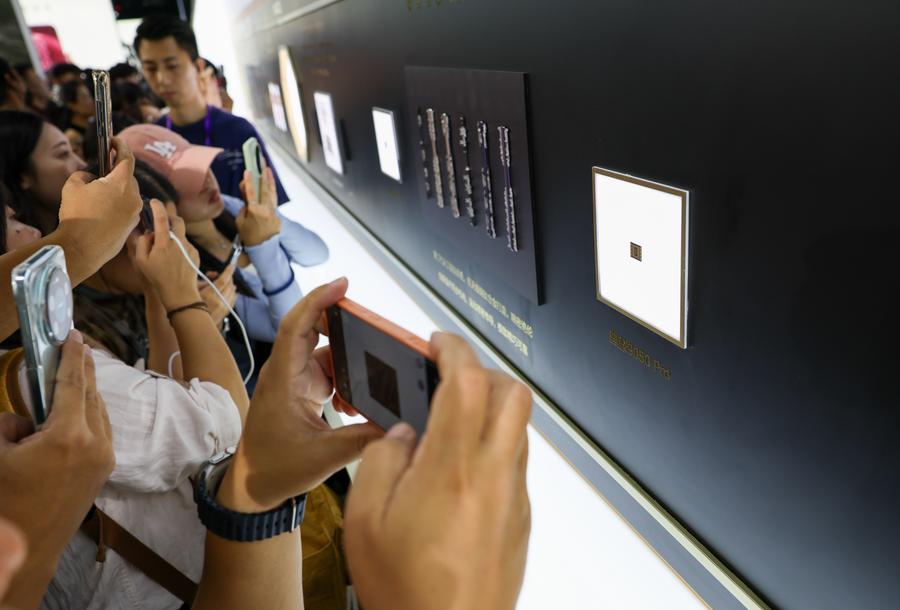
Chinese IP heavyweight Huawei said it has greatly benefited from sharing its innovations. The tech giant has accumulated over 160,000 granted patents, generating billions of yuan in annual licensing revenue.
"Licensing is not just a legal act. It is a catalyst for open innovation," Fan Zhiyong, Huawei's vice president and chief IP officer, said at the conference on Tuesday.
According to Fan, Huawei has contributed many core patented technologies to global industries through fair, reasonable and non-discriminatory licensing. The company recently grabbed global headlines by striking a cross-licensing deal with HP, granting the U.S. firm access to specific Huawei-owned Wi-Fi patents.
"Without a licensing system that rewards innovation, many companies would be reluctant to contribute their core technologies to industry standards. They would choose to work behind closed doors," Fan added. He urged other companies to view patent licensing as a "strategic investment" rather than litigation risk.
That vision was echoed in the remarks from Xiaomi. Liu Zhen, the company's vice president for legal and international political affairs, said that open-source ecosystems, standard setting and patent protection are key to supporting innovation in the age of artificial intelligence (AI).
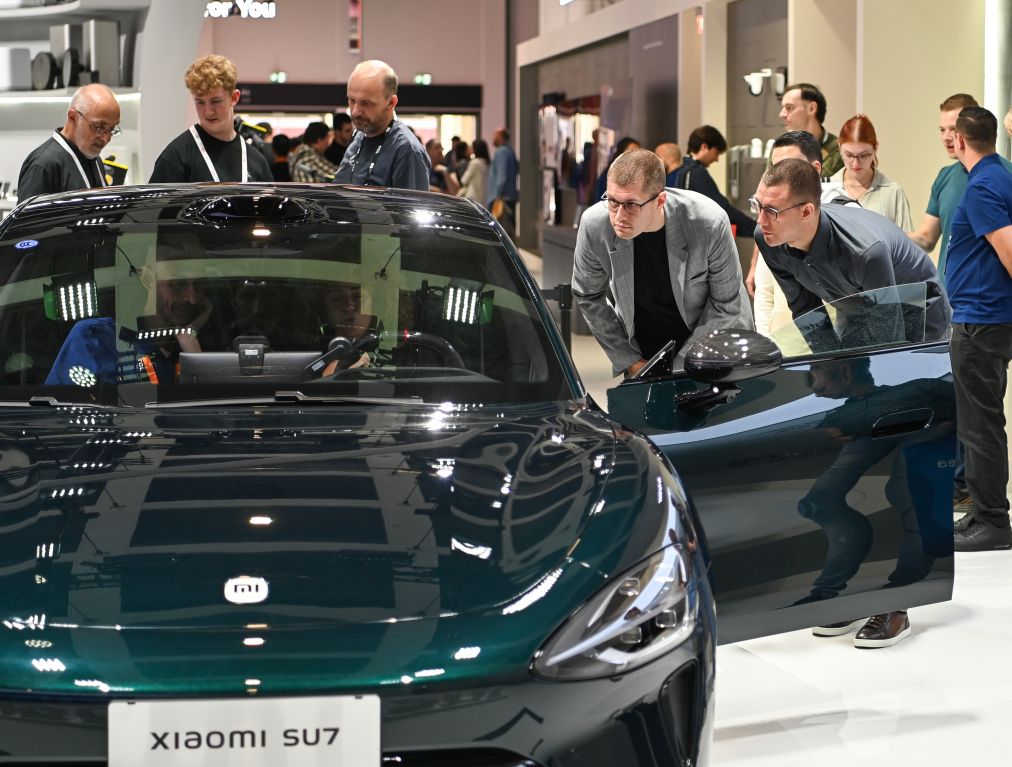
With its global patents exceeding 47,000, Xiaomi called for an IP ecosystem that is "win-win, sustainable, and can protect innovators while making innovation accessible to more people."
Technological isolation leads to repetitive R&D and high costs, and ultimately denies low-income regions access to progress, Liu noted. "Expanding the 'cake' of the industry is far more valuable than holding onto a piece of it."
Patrik Hammarén, President of Nokia Technology Standards, voiced a similar view in his speech, describing open, collaboratively developed standards as "one of the great success stories of modern industry."
He cited cellular connectivity, Wi-Fi and audio-video codecs as examples of technologies that are not the work of any single company or country, but rather the product of thousands of engineers from companies both large and small.
Beyond the world of commerce, many organizations have also adopted this same spirit of cooperation. Carsten Fink, the Chief Economist of the World Intellectual Property Organization, noted that the benefits of innovation extend far beyond the country or region where new technologies are developed.
He said China offers a compelling example: once a major beneficiary of global knowledge, it has now become a vital source of innovation for the rest of the world. Chinese investment, manufacturing scale and technological advances have made solar panels, batteries and electric vehicles more affordable and widely accessible, with gains stretching well beyond China's borders.
Michael Moore, a board member and treasurer of the International Trademark Association (INTA), welcomed the opportunities for professional dialogue and stakeholder input in China's IP legislative process. He highlighted that sustained dialogue, shared experience and cooperation can help build more trusted, predictable, and effective IP environments.
More than 8,000 people attended this two-day conference in Beijing. Many guests from government departments, academia and the business community delivered keynote speeches at over 10 sub-forums. ■