by Xinhua writer Ji Hang
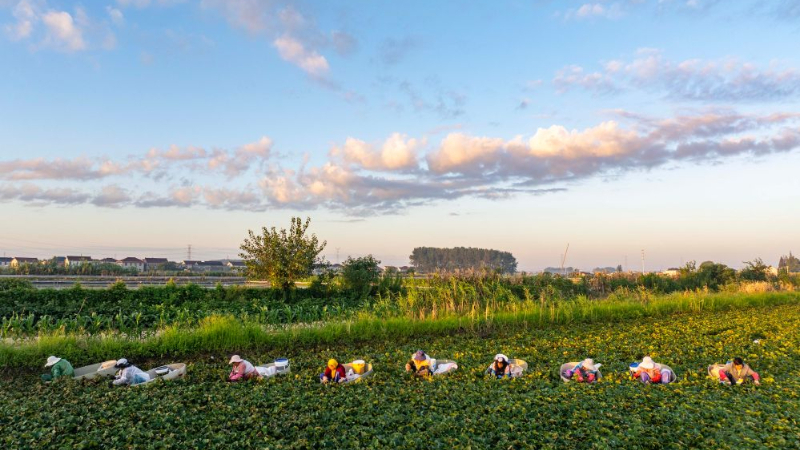
HARBIN, Sept. 9 (Xinhua) -- As our buses rolled across the endless plains of northeast China's Heilongjiang, golden-green rice paddies along the road stretched to every horizon. Harvest was still about three weeks away, yet the fields already hummed with anticipation.
Last week, I joined a reporting trip to explore the province's agriculture, visiting farms and agricultural enterprises.
Before arriving, I was told that one in every nine bowls of grain eaten across China comes from Heilongjiang, China's top grain-producing province for 16 consecutive years. I kept wondering: what is the secret behind its output?
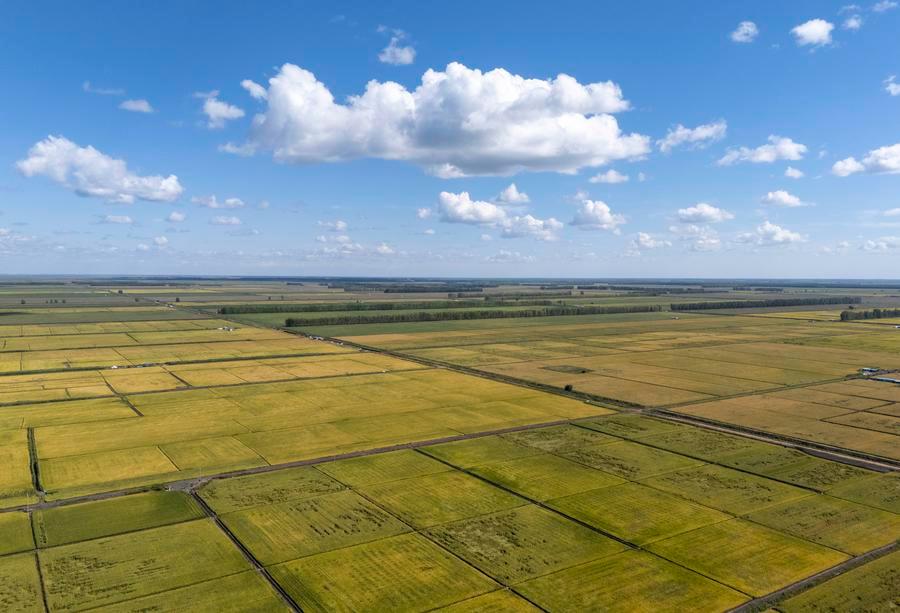
During the trip, what struck me most was not the scale, but something intelligent: smart agriculture; something innovative: customized farming; and something invisible: an attachment to the land.
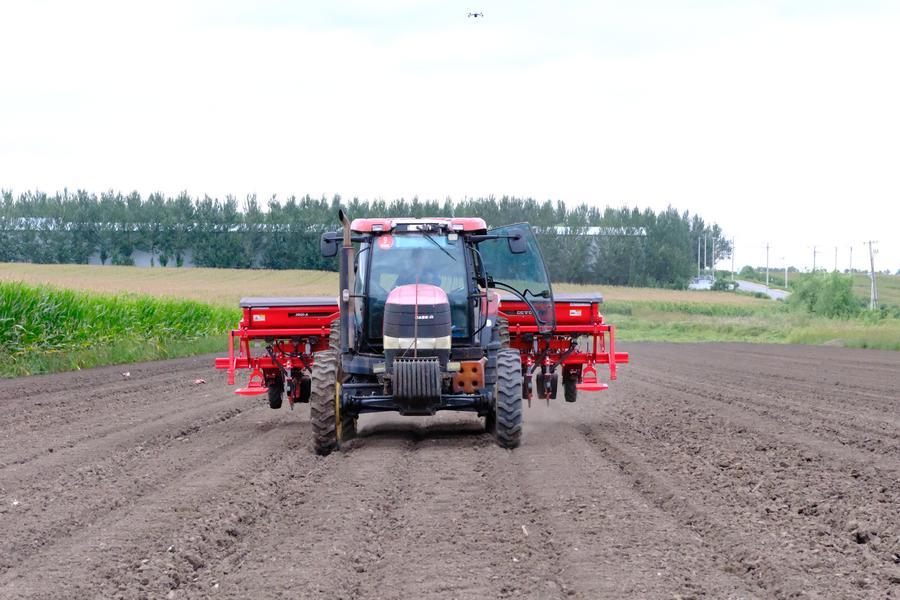
The province's rise to the top did not happen overnight. Behind this record is a highly mechanized farming system, with the comprehensive mechanization rate for plowing, sowing and harvesting reaching 99.28 percent.
Now, the province is taking the next step toward smarter farming. From AI-powered crop monitoring and drones to upgraded agricultural machinery, technology is helping farmers make more precise decisions and boost efficiency.
Traditionally, farming meant being out in the fields, rain or shine. Farmers walked the paddies, pinching soil between their fingers to guess its moisture, squinting at leaves for signs of blight.
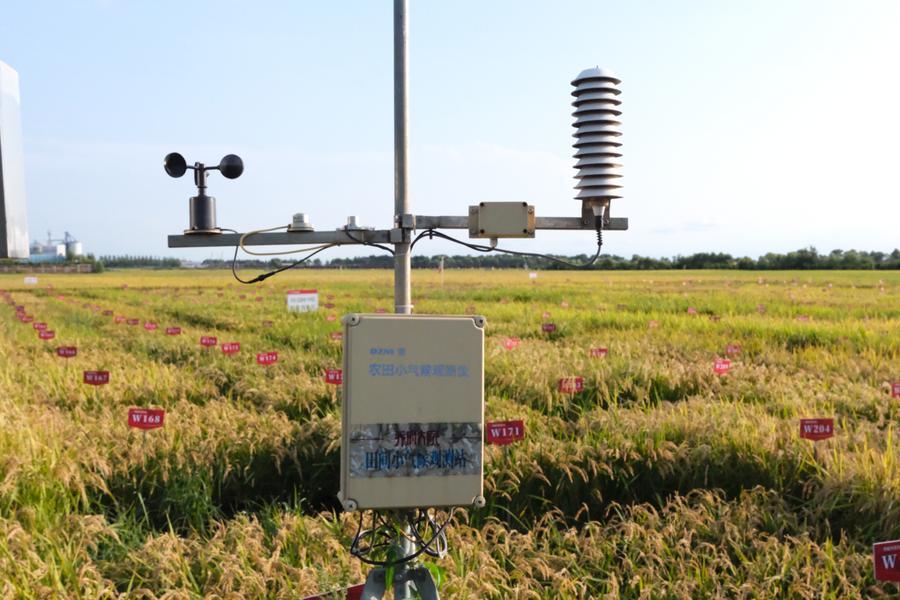
But today, agricultural service apps, serving as digital agronomists and helpers, enable farmers to monitor crop growth, soil moisture and pest risks, and even manage watering from their living rooms.
Farmers can get an AI diagnosis in seconds by uploading a photo of a yellowing leaf. When they need machinery, apps match them with nearby harvesters, which they told me they could summon as easily as hailing a taxi online.
Heilongjiang's rice breeders describe seeds as "the chip of agriculture." For years, they faced what they called an "impossible triangle": varieties tasted wonderful but yielded poorly and lacked resistance; high-yielding and resilient varieties, however, often tasted bland.
To break through this bottleneck, the province has spent years refining its seed selection and breeding, successfully developing a new generation of varieties that are flavorful, resilient and high-yielding.
What I have seen so far shows how deeply Heilongjiang cares about growing rice well. Yet, to truly sell it well, the province is stepping up its game, relying on customized models and upgrading the industrial chain.
"I have a plot in Heilongjiang" and "You name it, we'll grow it" were phrases I heard many times during this trip. Clearly, Heilongjiang is betting on demand-driven, custom-tailored farming.
For decades, the routine was simple: consumers bought whatever was planted. Now, a growing number of enterprises are securing orders even before a single seed is sown.
At Qiaofu Dayuan Agricultural Co., Ltd. in Wuchang, a renowned rice-growing area in the province, I walked past rows of paddies where each plot reserved for customized orders carried a marker with the client's name.
Qiao Wenzhi, head of the company, explained that, from paddy to plate, customers can follow their rice at every major stage of production through video check-ins and a traceability system.
Qiao added that the company redesigned its offerings last year so that consumers can easily customize a plot size that aligns with their actual consumption.
For the province, which recorded its 22nd consecutive bumper harvest with a record-breaking grain output of 82 million tonnes last year, the goal is clear: maximize the value of every single grain across the entire industrial chain.
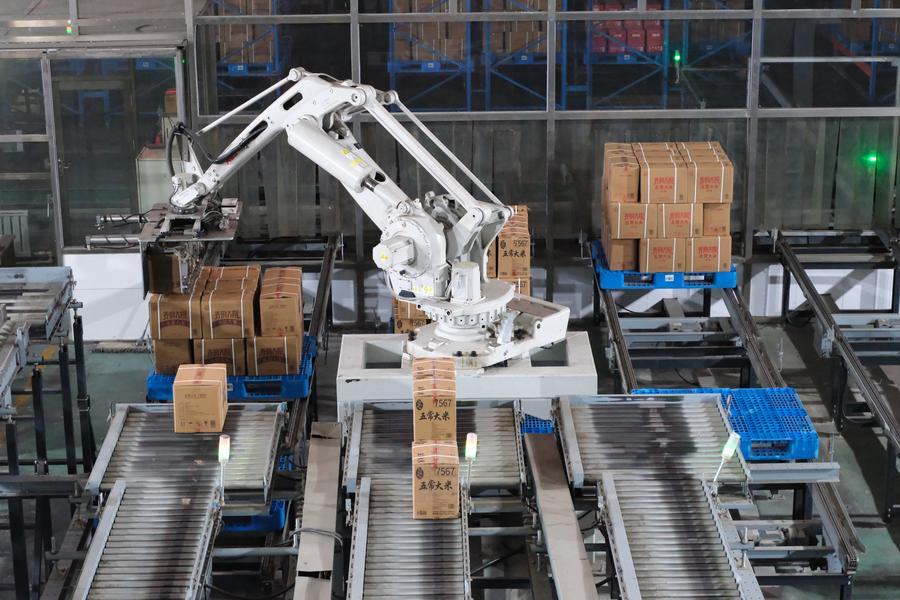
Stepping into the exhibition room of Heilongjiang Heliang Agriculture Co., Ltd., I found the array of coarse grains, packaged in various shapes and sizes, nothing short of astonishing.
To cater to modern lifestyles, the company has developed over 800 products from more than 70 varieties of grains. From ready-to-eat congee to functional multigrain meals tailored for fitness enthusiasts, the offerings are designed for convenience and health.
The company's vice president, Su Meili, told us it produces over 1,000 packaging designs a year, blending visual appeal with taste. "We want people to see the packaging and instantly feel that the food will be delicious," she said.
Hu Jinyou, a professor at China Agricultural University who joined our trip, told me that as a new generation of well-educated farmers enters the fields, digital management and innovation are gradually becoming the norm.
Zhang Fang, head of Heliang Agriculture, perfectly embodies this wave. After graduating from university, she returned to her hometown's black soil. The post-80s native has since amassed over 17 million followers online, where she frequently shares stories about rice, coarse grains, and the land that raised her.
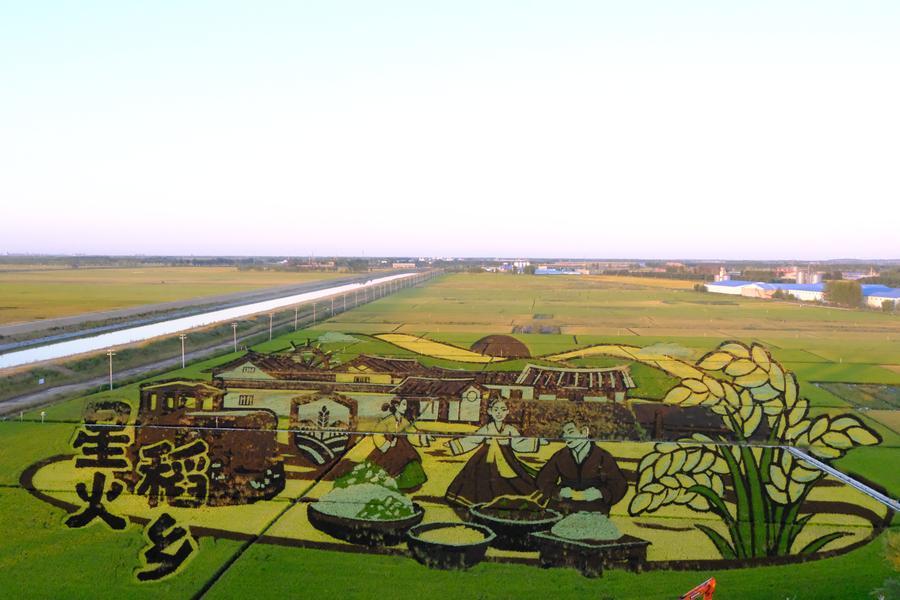
Her attachment to the black soil is far from unique. During the trip, I kept sensing the same pull among locals: "This land is in our blood."
To draw more people, especially the younger generation, closer to agriculture, the province is going well beyond product innovation and transforming vast paddies into thriving tourism destinations.
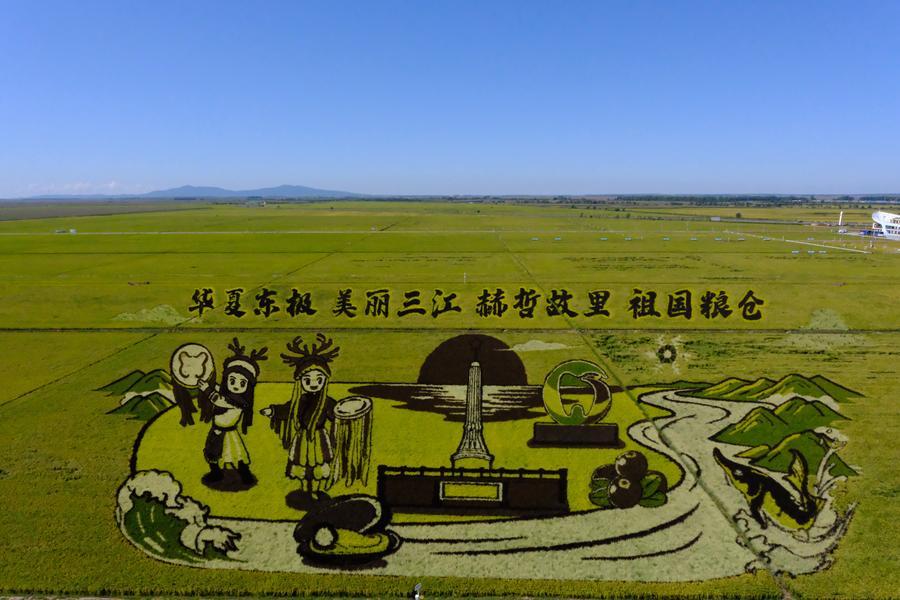
Across the fields, sprawling rice paddy art has turned farmland into open-air galleries, while hands-on farming experiences invite visitors to transplant seedlings and harvest rice.
It is a simple but powerful idea: let people see and touch the land, and the connection will follow.
Standing atop the observation tower at dusk, watching the golden light bathe the living canvas below, I felt, for a moment, the same attachment to the land that so many here share. ■