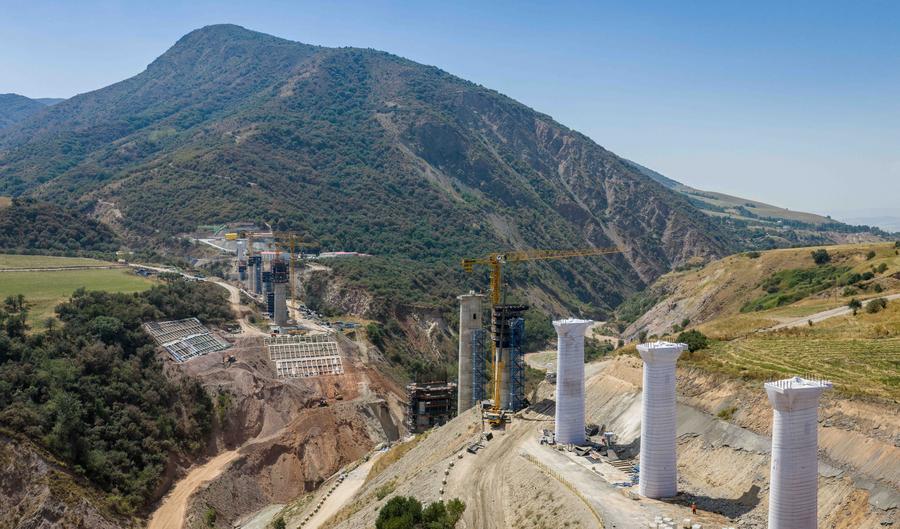
NANNING/BISHKEK, Sept. 2 (Xinhua) -- In the Tianshan Mountains of Kyrgyzstan, construction is in full swing in August from north to south. At the China-Kyrgyzstan-Uzbekistan (CKU) railway project site, excavators dig through rock and earth while loaders shuttle materials back and forth.
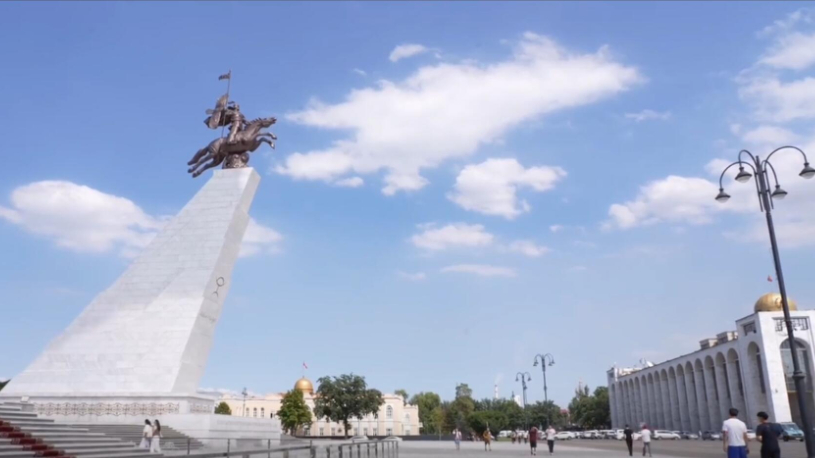
Deep in the Tianshan Mountains, heavy-duty mining equipment operates at an altitude of some 4,000 meters. On the shores of Issyk-Kul, the "Pearl of Central Asia," construction machinery is supporting urban renewal in the eastern city of Karakol.
These steel machines, coming from Guangxi Liugong Machinery Co., Ltd. (Liugong), thousands of kilometers away, cross mountains and ascend plateaus to support construction projects across Kyrgyzstan.
BUILDING ACROSS MOUNTAINS
In December 2024, the CKU railway project was officially launched. As one of the main suppliers of engineering machinery for the CKU railway, Liugong is deeply involved in the project.
"Since 2025, we have deployed successive batches of Liugong loaders and excavators to support construction of the CKU railway, undertaking earthwork excavation and material transportation tasks," said Hou Yubo, Industry Customer Director of Liugong Machinery.
He added that this marked the company's first entry into the Central Asian market with electric engineering machinery.
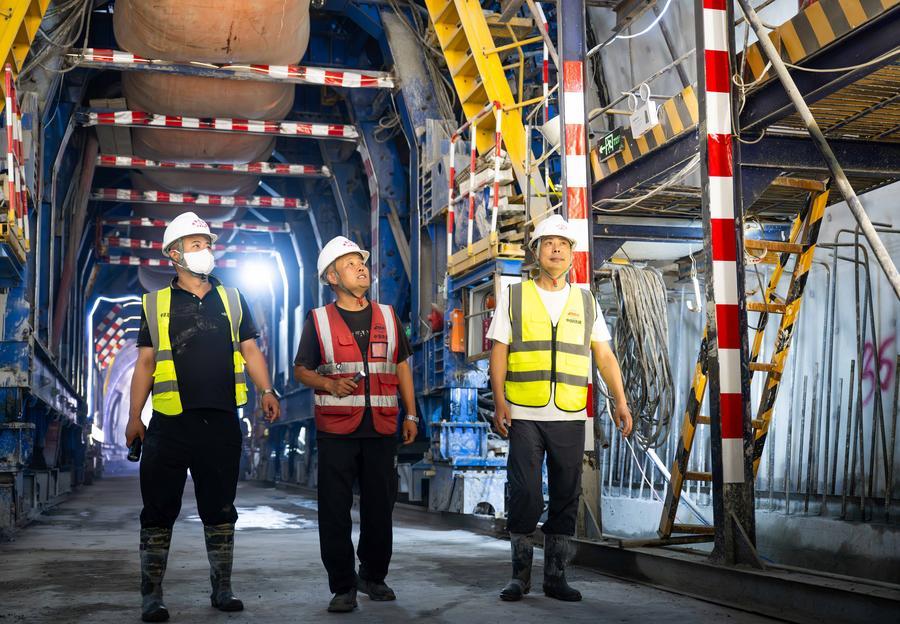
Since September 2025, Liugong, together with local dealers, has been conducting continuous equipment inspections for the CKU railway project, providing maintenance and technical services for loaders, excavators and other machinery to minimize downtime risks and ensure uninterrupted construction of bridges and tunnels at high altitudes.
In November 2025, Liugong officially registered a subsidiary in Kyrgyzstan, advancing its localization strategy. The professional product knowledge and service experience of Chinese staff, combined with local employees' deep understanding of the environment and customers, have proven highly complementary and well-coordinated throughout project operations.
FROM INTERPRETER TO TECHNICIAN
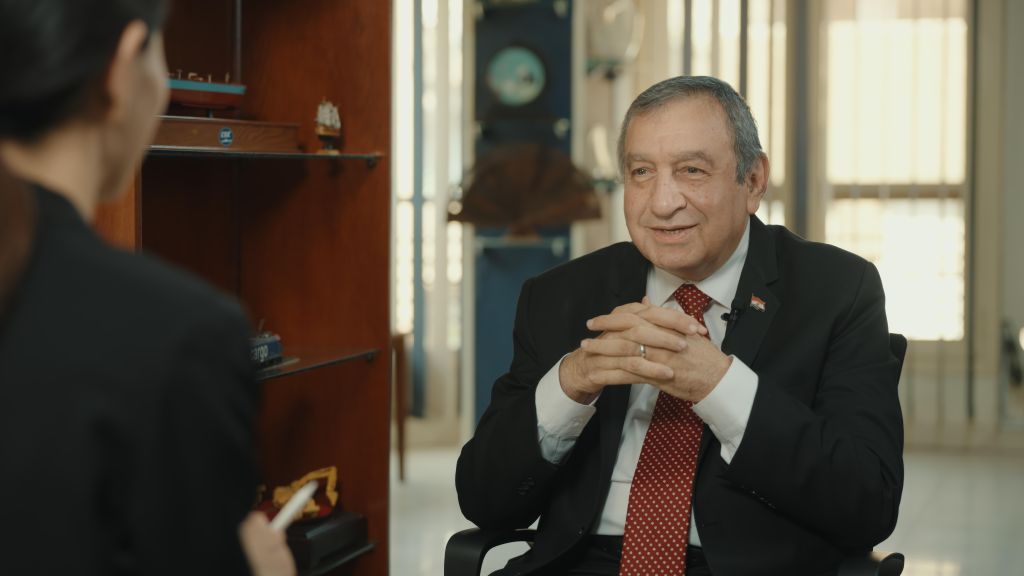
"When I first came to Liugong, I knew almost nothing about engineering machinery," said Marsel Chokoev, a young Kyrgyz man who joined Liugong's team in Kyrgyzstan in February 2026.
What earned him the job was not prior experience in engineering machinery, but his proficiency in Chinese and a strong willingness to learn.
Six months later, he has learned the basics of loaders, excavators, road rollers and bulldozers, and can independently provide basic service consultations to local clients.
As he became more familiar with the equipment, his language skills began to play a vital role in daily operations. He helps relay Chinese technicians' advice on equipment issues to local clients and dealers, while accurately conveying clients' feedback on operating conditions, equipment performance and service needs to his Chinese colleagues.
"Liugong coming to my hometown didn't just give me a stable job. My Chinese mentors taught me their skills without reservation, and we've become like friends. Here, I've not only gained solid professional skills, but also an understanding of sincere friendship that transcends borders," Chokoev said.
From a language interpreter to a skilled technician, this young Kyrgyz man is carving out his own path of growth through each machine, each service call and each conversation.
His journey has also taken him deep into the Tianshan Mountains, where a high-altitude mining site presents a new set of challenges.
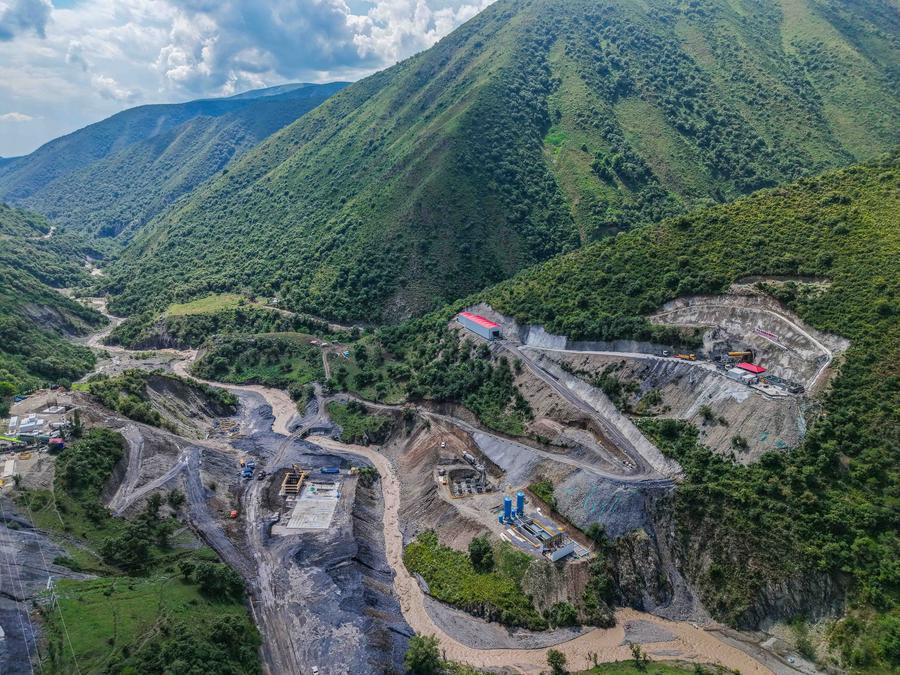
Deep in the Tianshan Mountains, a mining site sits at an altitude of around 4,000 meters, where permafrost makes operations extremely challenging. In recent years, Liugong has delivered batches of large-scale mining equipment to the site for loading, excavation and material transport.
Since August this year, Chokoev and other local employees have been stationed there alongside Liugong's mining service personnel, braving extreme cold and oxygen deprivation to help ensure the machinery operates continuously in the rugged mountain terrain.
STRENGTHENING LOCAL TIES
From railway construction sites to high-altitude mines, Chinese equipment has been delivered in successive batches and put to work on the front lines, handling loading, excavation and material transport. As its equipment applications continue to increase, Liugong is also expanding its presence in the local market and broadening its business reach.
On July 1 this year, Liugong delivered its first batch of equipment for municipal infrastructure projects in Karakol, a highland city in eastern Kyrgyzstan.
During the delivery and acceptance process, Liugong and Karakol municipal officials discussed future cooperation, including expanding its product line into more municipal applications. All equipment is expected to be delivered by the third quarter.
As part of Kyrgyzstan's municipal infrastructure upgrade, the equipment will support road maintenance, municipal construction, environmental management and public facility upkeep, providing reliable support for urban operations.
Liugong's experience is but one example of how Chinese equipment manufacturers are strengthening cooperation with Kyrgyzstan and supporting its development.
Rooted in local communities and serving local needs, Chinese enterprises are writing a new chapter of industrial cooperation, joint development and people-to-people connectivity in Kyrgyzstan.■