Researchers at France's National Research Institute for Agriculture, Food and Environment have stressed that the agricultural system is being weakened not only by the intensity of single heatwaves, but more importantly by the recurrence of extreme weather. These compound shocks are further eroding system resilience, forcing the sector to accelerate short, medium, and long-term climate adaptation.
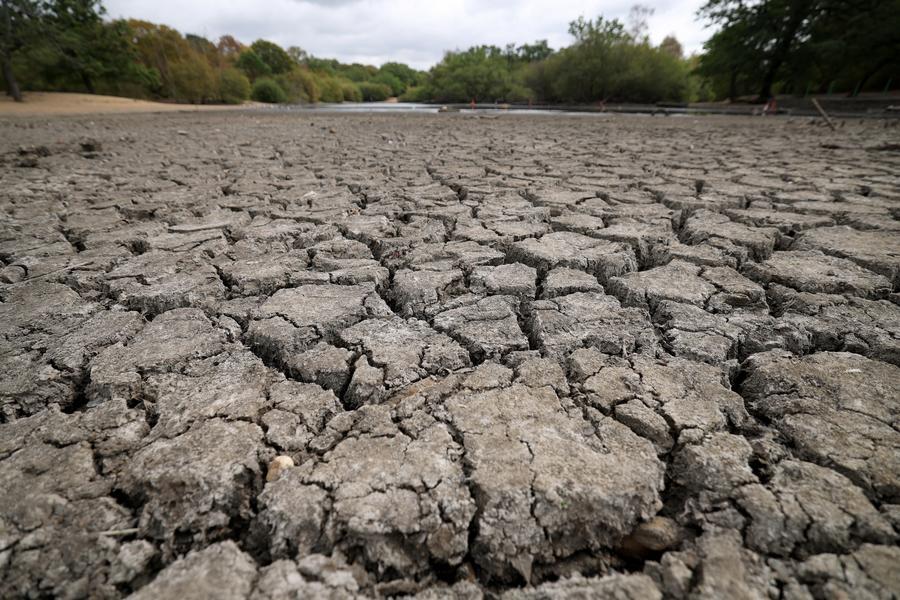
PARIS, Aug. 22 (Xinhua) -- Heatwaves, prolonged drought and widespread wildfires have gripped much of Europe this summer, withering crops, reducing harvests, and disrupting major agricultural output while driving up operating costs for farmers and businesses alike.
As extreme weather events grow more frequent and intense, the continent's agricultural sector is coming under mounting strain, forcing farmers, businesses and governments to confront both immediate losses and the deeper, structural challenges posed by a changing climate.
FARMERS FEEL THE HEAT
In Schwaigern, a town in the southern German state of Baden-Wuerttemberg, farmer Thomas Schmaelzle has gone over two weeks without stream irrigation due to drought-induced water limits. His onions have stalled at half their normal size, while capped groundwater limits fail to replace missing rain.
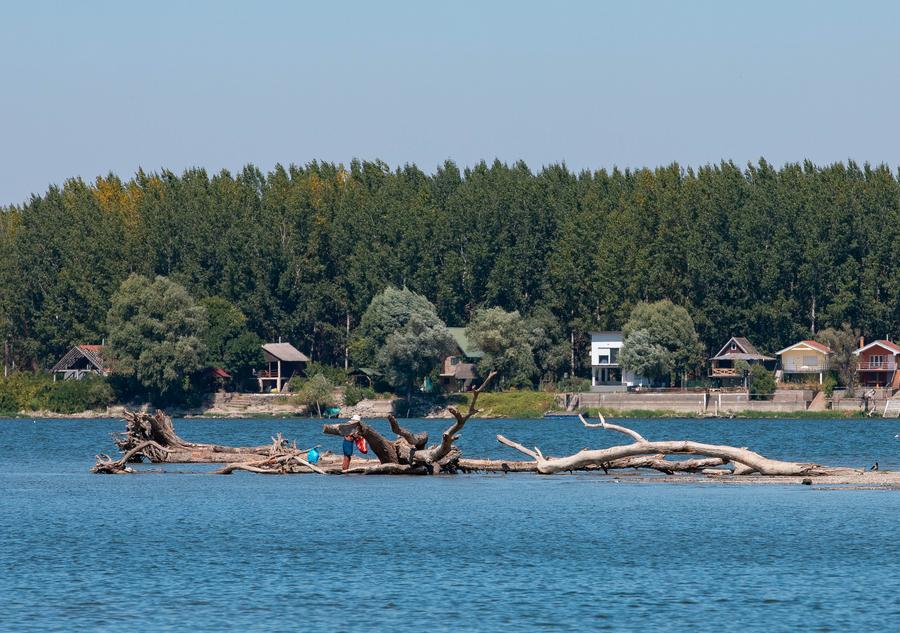
In Janja, in northeastern Bosnia and Herzegovina, vegetable grower Nasir Karijasevic said this year's drought is unlike anything he has seen. Despite irrigating his fields every two to three days, he has already lost 60 percent of his potato crop.
High temperatures and water shortages are changing the rhythm of grape growing and harvesting across Europe's major wine-producing regions. In France, growers from Languedoc in the south to Burgundy in the center and Champagne in the northeast have begun grape harvesting one to two weeks earlier than last year, as repeated heatwaves accelerated the ripening cycle.
In Italy, Sicilian cooperative Cantine Ermes began harvesting early white grape in late July. Its president, Rosario Di Maria, noted that overall yields are likely to fall short of a normal year.
In Spain, century-old Catalan winery Juve y Camps introduced nighttime harvesting for the first time this year to keep grapes cool, reducing oxidation and preserving their aromas. Meanwhile, Miguel Torres, president of major producer Familia Torres, warned that if traditional regions continue to get hotter and drier, some grape cultivation may have to move out of Catalonia within the next 30 to 50 years.
MOUNTING LOSSES AND FALLING OUTPUT
Grain harvests have already taken a hit. Germany's total grain production is projected to fall 7 percent year-on-year to 41.9 million tonnes this year due to drought and heatwaves, the German Farmers' Association said.
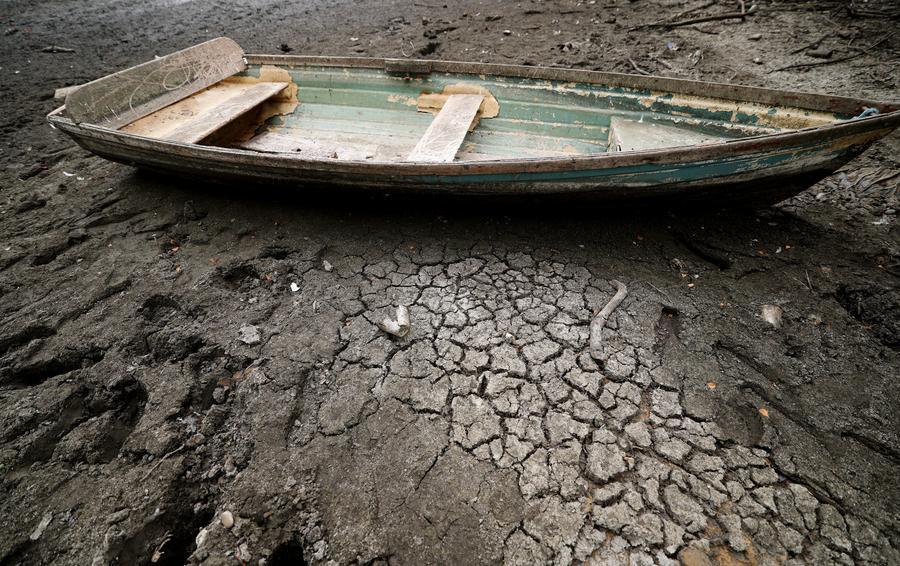
In Slovakia, where roughly three-quarters of the country is facing extreme drought, according to the national hydrometeorological institute (SHMU), total grain production is expected to drop 17 percent below last year's level.
Serbia's corn yield is expected to come in 30 to 40 percent below normal this season, Mladen Petrovic of the Institute of Agricultural Economics said, with some northern areas expected to harvest almost none at all.
The wine sector's losses are also becoming clearer in figures. France's overall wine output is not expected to exceed 40 million hectoliters this year, said Jerome Bauer of the National Confederation of Producers of Appellations of Controlled Origin wines and spirits.
According to French consulting firm Altares, corporate failures in the sector rose 32 percent year-on-year in the first quarter of 2026 and 16 percent in the second quarter.
In Belgium, persistent heat and drought are battering potato production. Potato yields are increasing by only 1 to 2 tonnes per hectare per week amid near-zero rainfall in July and August, agricultural institute Viaverda said.
In the Netherlands, the Dutch Agricultural and Horticultural Organization forecast potato yields will be at least 8 percent lower than in 2025.
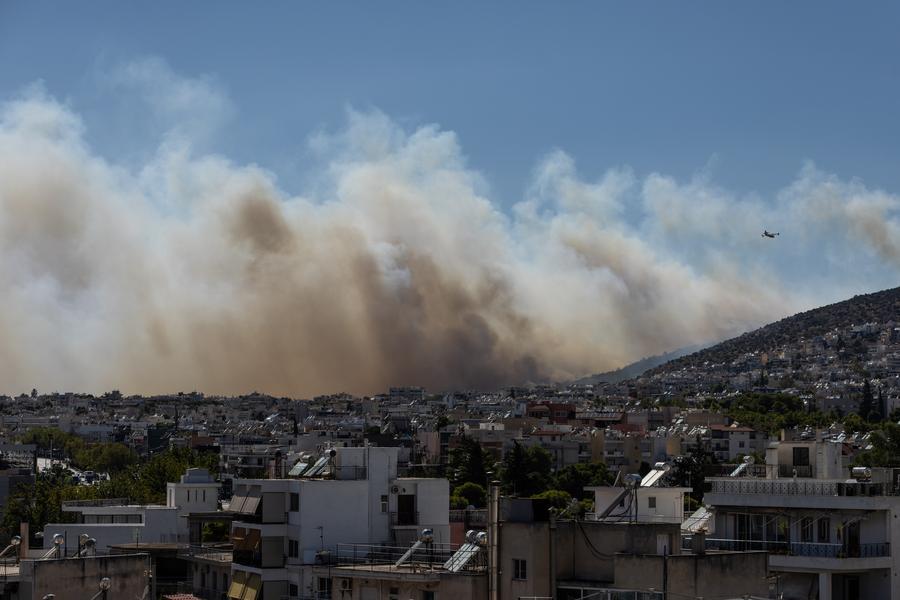
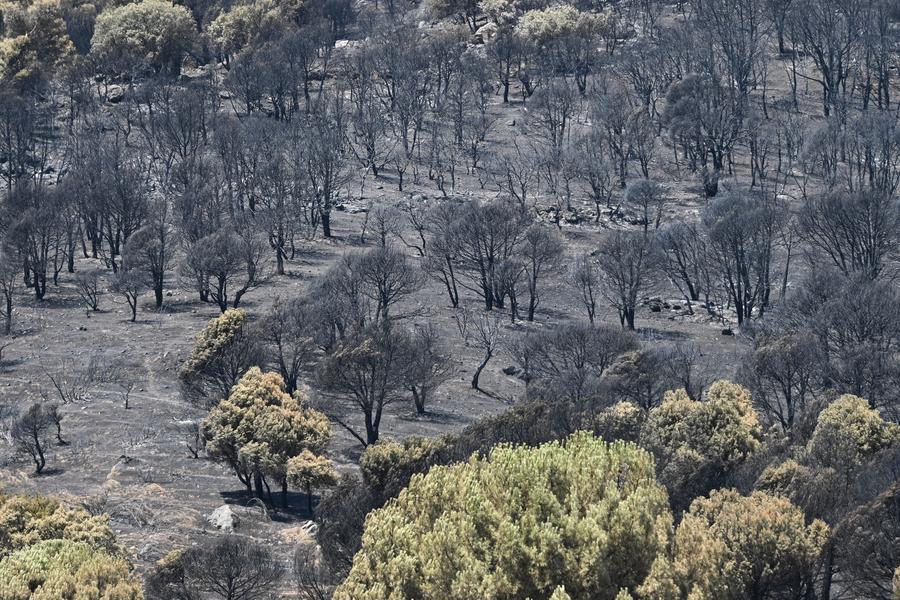
Wildfires have compounded agricultural pressures by destroying farmland. A wildfire on Aug. 13 in Siviri, in Greece's northern Halkidiki region, affected roughly 250 hectares, damaging local farms, olive groves and critical infrastructure.
In Spain, fire-damage claims had covered nearly 15,900 hectares of farmland as of Aug. 17, the second-highest total in a decade, insurer Agroseguro said.
AGRICULTURE FACES STRUCTURAL CHANGE
Researchers at France's National Research Institute for Agriculture, Food and Environment (INRAE) stressed that the agricultural system is being weakened not only by the intensity of single heatwaves, but more importantly by the recurrence of extreme weather. These compound shocks are further eroding system resilience, forcing the sector to accelerate short, medium, and long-term climate adaptation.
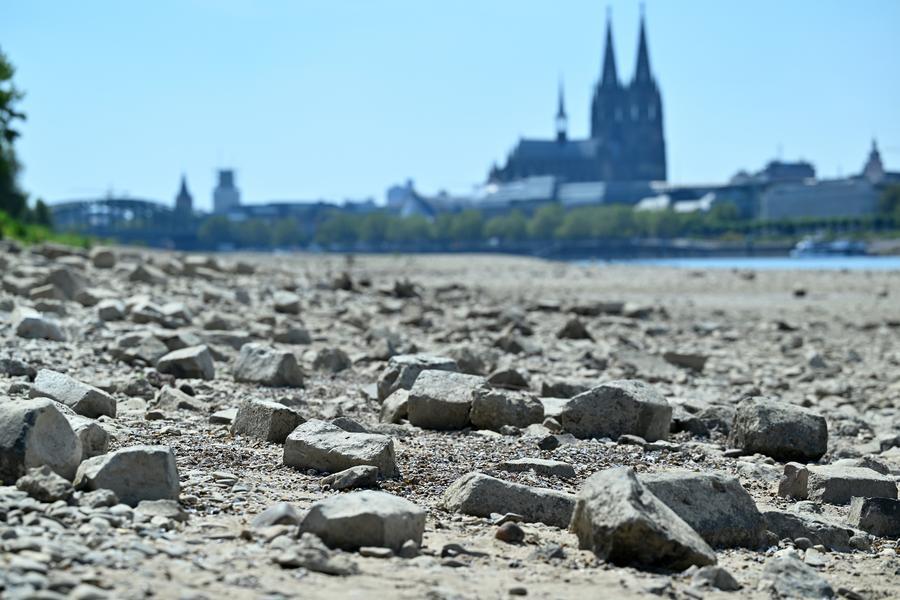
Water security has become a key focus. Alicja Pawelec from Poland's State Council for Nature Conservation warned that low river levels are far more than an environmental concern, as drought ripples directly through agriculture to elevate food prices and impact everyday households.
In Belgium, Flemish government has temporarily eased permit requirements for certain uses of reclaimed water and plans to expand water storage, improve soil water retention and raise water-use efficiency through its Blue Deal water policy.
In vineyards, adaptation is also underway. Familia Torres is adopting cultivation techniques designed to slow grape ripening, and expanding cultivation into higher-altitude, cooler areas. The company has already planted vineyards at 950 meters and acquired land at 1,100 meters as a reserve for possible future cultivation.
Serbia has adopted an Agriculture Strategy to 2034 that reforms the subsidy system and directs more public funding toward modernization and long-term farm resilience.
Claudia Kemfert, head of the Department of Energy, Transport and Environment at the German Institute for Economic Research (DIW Berlin), warned that climate-driven droughts, floods, and infrastructure damage could cost Germany between 280 billion and 900 billion euros (327 billion-1053 billion U.S. dollars) by 2050.
"It is not climate action that is expensive, but the cost of inaction," she said. ■