YANGON, Aug. 22 (Xinhua) -- For generations, rice farming dictated the rhythm of life in Ohnpinsu village, Nyaungdon township in Myanmar's Ayeyarwady region, where household income largely depended on the annual harvest.
Now, that rhythm is changing.
Villagers now breed fish, grow chrysanthemums in net houses, make candles, produce shampoo and detergent, and cultivate vegetables. These activities turn new skills into regular income and give families alternatives to relying on a single rice harvest.
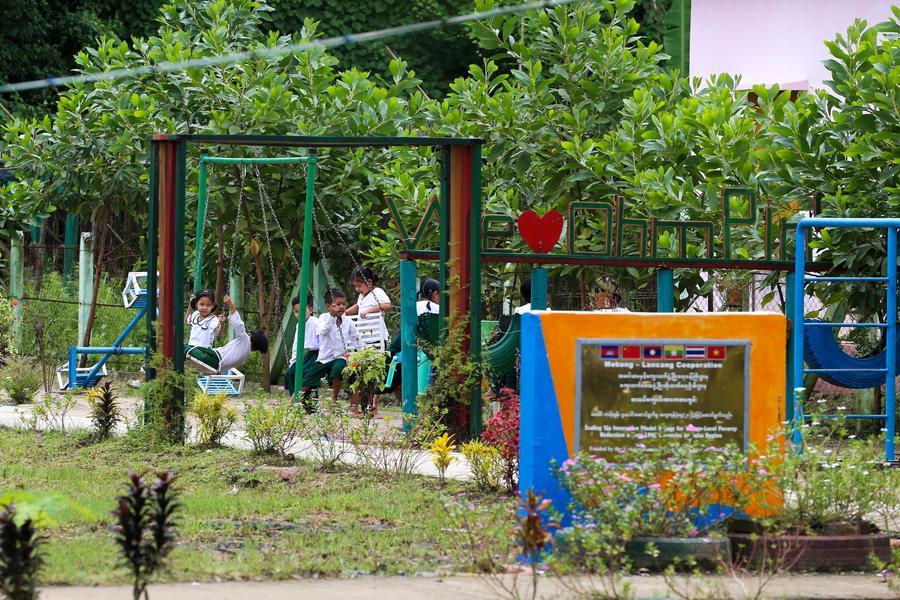
The shift is driven by a model village project funded by the Lancang-Mekong Cooperation (LMC) Special Fund 2024, which aims to reduce poverty and improve livelihoods in the delta region.
For U Saw Aung Kyi Tun, the village administrator, the changes go beyond roads, electricity and water.
"In the past, we traveled through mud," he said, adding that concrete roads now run through the village. The new roads have made travel easier, particularly during the rainy season, when roads used to become muddy.
"The project benefits not only our village but also neighboring villages," U Saw Aung Kyi Tun said. "Because of the roads and water, even people from other places come to fetch water."
But he believes the most important change cannot be measured by roads, pipes or kyats. "The villagers' mindset has changed," he said. "They now understand that if we work together, we can succeed."
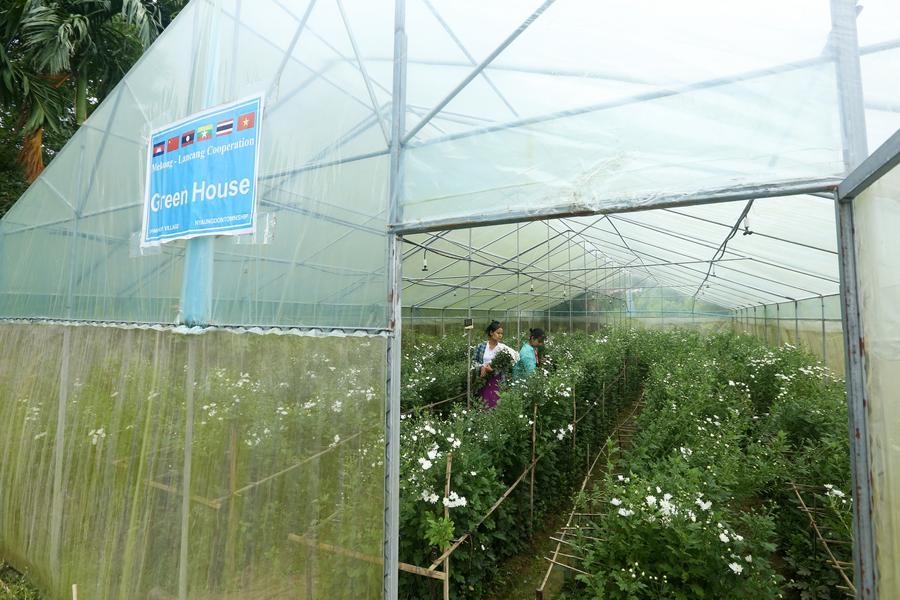
The project has supported improvements in roads, electricity, clean water, agriculture, livestock, vocational training and income-generating activities. It has also encouraged villagers to diversify their livelihoods and develop skills that can generate regular income.
For U Kyaw Kyaw Naing, 41, a school teacher and farmer with a family of four, fish breeding has opened a new source of income.
"In the past, I was not able to find extra income," he said. "Now, I can earn extra income by breeding fish because of the project."
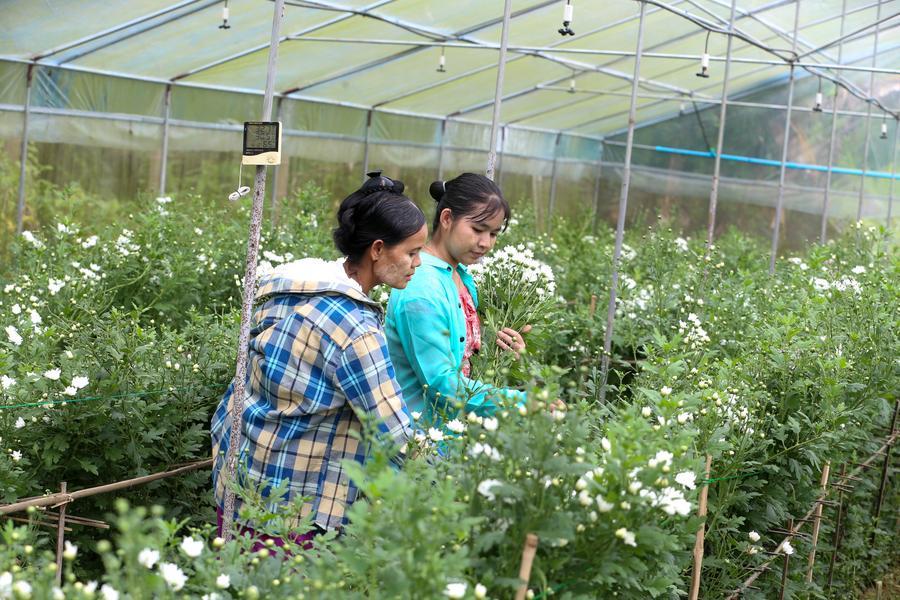
Agriculture is also taking new forms. U Aye Tun, 60, now grows chrysanthemums inside a net house after previous attempts to grow flowers failed.
"In the past, I tried. It did not work. Now in the net house, chrysanthemums grow," he said, adding that the project had helped fulfill his long-held dream of growing flowers.
U Aung Soe, a 39-year-old farmer with a family of three, now makes candles as part of a village group.
"We learned quickly, and now we can make candles and sell them," he said.
Women also find new opportunities. Daw Soe Soe Aye, 44, a mother of two, works with a group producing shampoo, detergent powder and other household products. The group sells its products in the village and neighboring villages and also grows vegetables, including mushrooms and papayas.
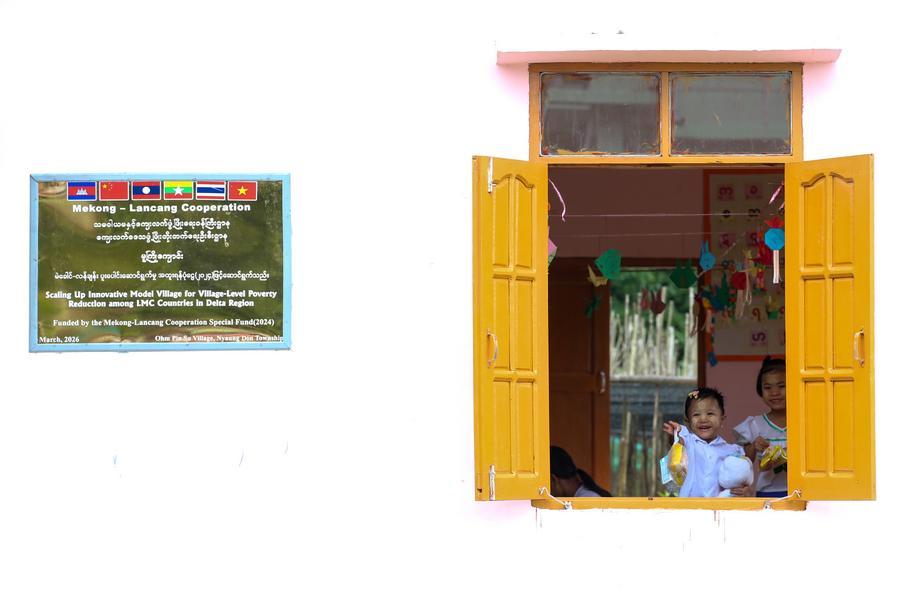
She said the villagers had received training under the project in sewing, food processing, soap and detergent production, candle-making and agricultural technology.
"Before the project, we cultivated only paddy. We got money only when the crop was harvested. Now, I have regular monthly income," she said.
For Daw Soe Soe Aye, the project has also brought hope. "At first, I did not believe people from another country would come and help a country like ours. Now, they really helped us," she said.
"No words can describe how grateful I am for the project," she said.
The benefits extend beyond income. Improved roads have made it easier for children to attend school and for villagers to seek medical treatment. Electricity has provided students with better conditions for studying, while the new water system has reduced the burden and expense of buying drinking water, villagers said.
Implemented from 2024 to 2026, the project has benefited 726 villagers from 180 households and provided training for rural development in other parts of Myanmar.
For Ohnpinsu villagers, the project has helped them develop new skills, diversify their livelihoods and gain confidence in building a better future together.■