Energy security will require diversification both in where countries source their energy and the types they consume, according to a media analyst.
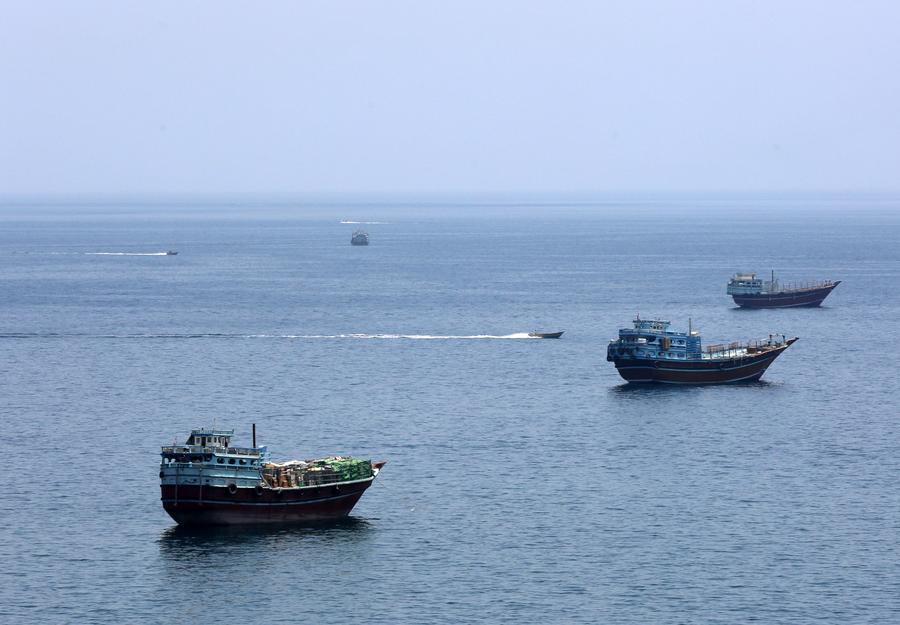
TEHRAN, Aug. 13 (Xinhua) -- The impasse over the Strait of Hormuz deepened as Iran said Tuesday that the key energy chokepoint will remain closed unless the United States "changes its behavior" and accepts Iran's conditions for ending the war.
As it continues to strain the global energy system, the prolonged crisis is pushing governments across the Gulf and beyond to seek a diplomatic off-ramp while exploring alternative routes and reassessing their energy security strategies.
DIPLOMATIC DEADLOCK
Though U.S. President Donald Trump backed away from threatened attacks on Iran earlier this month, citing progress in talks, mediators said diplomacy has stalled over Iranian demands for financial relief and U.S. insistence that shipping traffic remain unhindered.
Iranian Foreign Minister Seyed Abbas Araghchi said Sunday that a deal with Oman on shipping through the strait was in its "final stages," but reiterated that reopening the waterway depends on whether the United States meets Tehran's conditions, including compensation for war damage, lifting sanctions and freeing Iranian assets.
Tehran also vowed to bar U.S. Navy warships from passing through the strait as part of a reopening deal, as it seeks to curb the decades-old U.S. military presence in the Persian Gulf.
Trump pushed back on Monday, saying he was "likewise demanding compensation from Iran," and that the issue would be on the table in any future negotiations.
Kpler oil analyst Naveen Das said Washington was unlikely to accept Iranian control over shipping, while insurers might hesitate to cover vessels paying fees to Tehran. The dispute therefore goes beyond reopening the waterway to questions of control, sanctions and implementation.
Alan Eyre, a former U.S. diplomat and Iran expert, said Tehran was using the strait as leverage to prevent Washington from dictating the pace of events.
Jonathan Panikoff, a former senior U.S. intelligence officer now with the Atlantic Council, a Washington think tank, said that whatever Trump does, "the fundamental result is going to be significant Iranian de facto control over the strait."
ALTERNATIVES FOR HORMUZ
The Strait of Hormuz would "never" return to the way it was and could become "irrelevant" within two years as more energy is diverted through alternative routes, U.S. Treasury Secretary Scott Bessent said in a recent interview with 12News.
Saudi Arabia is considering expanding the capacity of its crude oil pipeline to the western Red Sea coast by up to 2 million barrels per day. The pipeline can transport up to 7 million barrels per day of crude to the Red Sea port of Yanbu.
The United Arab Emirates in May announced that it was fast-tracking the construction of a new oil pipeline to bypass the Strait of Hormuz, which would double crude export capacity via the port of Fujairah by 2027.
Iraq and Türkiye have signed a one-year agreement on Aug. 1 to boost crude exports through the Kirkuk-Ceyhan pipeline, ensuring crude flow of 750,000 barrels per day.
However, experts warned that these alternatives cannot immediately replace Hormuz. While Saudi Arabia's proposed pipeline expansion could take years, Qatar and Kuwait lack routes that can bypass the strait.
Meanwhile, liquefied natural gas (LNG) is even harder to reroute because it requires specialized infrastructure and tankers. As about one-fifth of global LNG supplies passed through the strait before the war, LNG exporters will be heavily dependent on Hormuz for the foreseeable future.
Energy economist Carole Nakhle told The New Arab that alternative routes are "complements, not substitutes, for Hormuz," as they "improve resilience but do not eliminate risk."
SHIFT IN THE ENERGY MIX
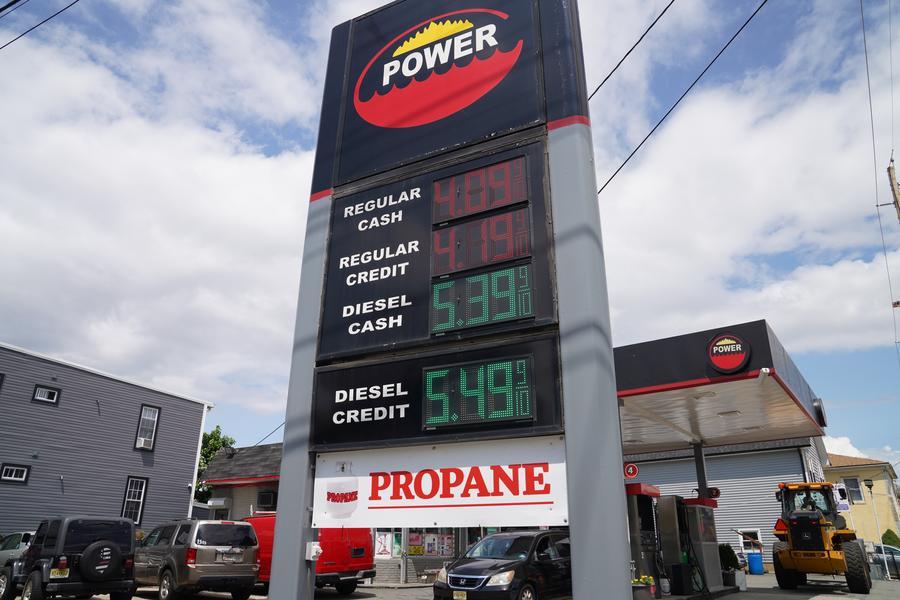
Reuters columnist Clyde Russell said the lasting legacy of the Iran war may be "a renewed impetus for energy-importing nations to lessen their dependence on fossil fuels."
According to a new report by the Energy Transitions Commission, the Iran war exposed "a structural vulnerability in the global energy system: heavy reliance on geographically concentrated fossil fuel supply and critical transit routes," while clean-energy systems were described as "structurally immune" to this type of shock.
Australia is studying a new refinery amid the Hormuz crisis, with the government allocating 4 million Australian dollars (2.8 million U.S. dollars) for a pre-feasibility study. Mining companies and consumers are also moving toward electrification. Fortescue Metals Group, a major Australian iron ore miner, is shifting to electric mining vehicles and renewable power.
Meanwhile, the country's Federal Chamber of Automotive Industries reported strong new-vehicle sales in July, with electrified vehicle sales more than tripling year on year.
Russell said energy security will require diversification "both in where countries source their energy and the types they consume."■