by Ntandoyenkosi Ncube
JOHANNESBURG, Aug. 13 (Xinhua) -- Deeper cooperation between South Africa and China in energy investment, electricity infrastructure and equipment manufacturing could open new opportunities for South Africa's energy transition and industrial development, a South African energy expert has said.
Nndwamato Tom Tonic Mutshidza, former president of the Association of Municipal Electricity Utilities, said in an interview with Xinhua that South Africa-China energy cooperation would strengthen the strategic relationship between the two countries within the BRICS framework and support South Africa's energy transition agenda.
Noting China's extensive expertise in renewable energy, battery energy storage, grid infrastructure and equipment manufacturing, Mutshidza said these areas present substantial opportunities for bilateral cooperation as South Africa endeavors to tackle challenges throughout its electricity sector.
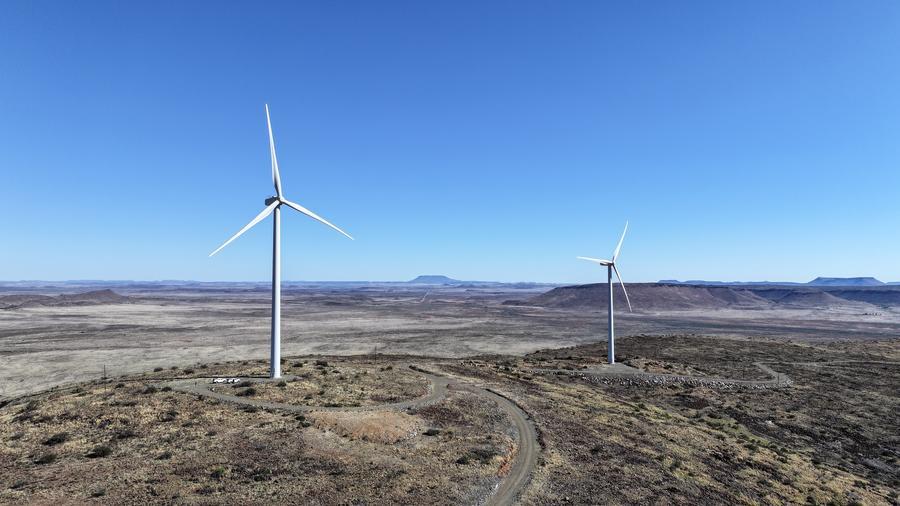
South Africa abounds in solar and wind resources, particularly in the Northern Cape and coastal regions, but the country's transmission network needs substantial expansion to connect new generation capacity with major centers of electricity demand, he said.
Mutshidza said that South Africa could leverage China's investment and advanced technology to strengthen the country's transmission infrastructure and promote energy transition.
The expert said South Africa's Integrated Resource Plan 2025, which envisages a diversified energy mix comprising renewable energy, nuclear power and lower-carbon generation technologies, provides greater space for cooperation with China and other international investors.
"As South Africa advances its energy transition, manufacturing growth will be essential to addressing unemployment, poverty and underdevelopment. Partnerships that promote investment, technology transfer and industrial development will be important in achieving these objectives," he said.
Looking ahead, Mutshidza said South Africa-China energy cooperation could expand beyond renewable energy into areas such as hydrogen, advanced manufacturing and other emerging energy technologies, further broadening the scope of bilateral economic cooperation.■