GAZA, Aug. 4 (Xinhua) -- For days, Saeed Helles has been following the Gaza ceasefire's second-phase talks through a cycle of hope and disappointment, waiting for a breakthrough that could send his 13-year-old daughter, Saja, out of Gaza for life-saving cancer treatment.
Like many Palestinians, the 55-year-old father of five welcomed Hamas' acceptance of the mediators' proposal for the second phase, seeing it as a possible path to ending the war and reopening border crossings for patients like his daughter.
"We felt relief was finally within reach and began preparing Saja's travel documents for Egypt so she could continue her treatment," he told Xinhua. "Every day of delay reduces her chances of recovery."
That optimism, however, quickly faded as uncertainty returned following conflicting statements over the implementation of the next stage.
"Every time we think the war is about to end, new complications emerge," he lamented. "Meanwhile, time is passing, and my daughter's condition cannot wait any longer."
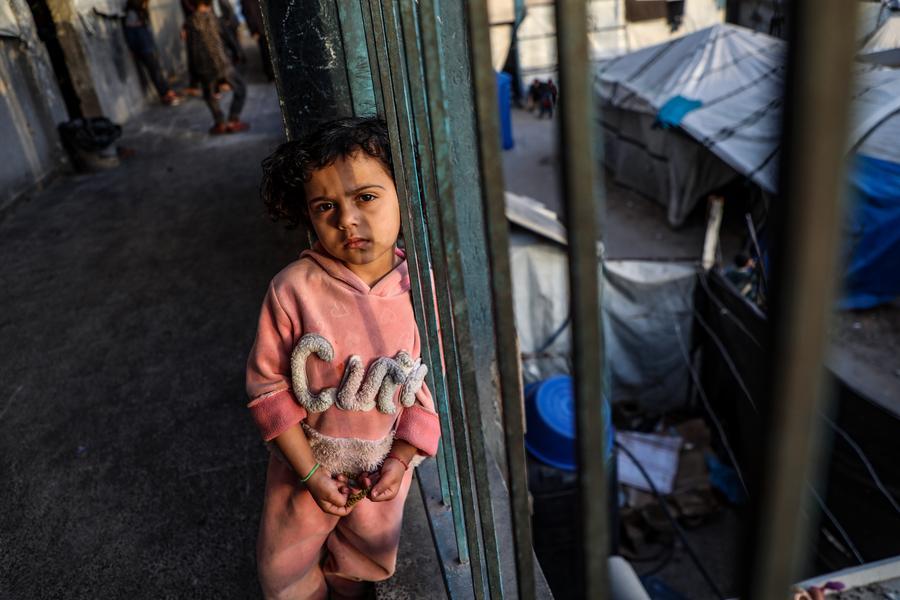
Saja remains in a hospital in Gaza City, holding a small doll while undergoing treatment, as her family continues to wait for a chance to evacuate her for specialized care.
The family's hopes were shaken on Monday after the so-called U.S.-led "Board of Peace" announced that its "high representative for Gaza," Nickolay Mladenov, and his team had met with Israeli Prime Minister Benjamin Netanyahu. In a press statement, the board said Israeli forces would withdraw beyond the "Yellow Line" only after the completion of the decommissioning process, including light and heavy weapons as well as tunnels.
Hamas has previously said it approached the mediators' proposals "responsibly and positively," while insisting that progress on the second phase, including discussions on heavy weapons, depends on Israel halting its military operations, fully implementing the first phase of the agreement and withdrawing from the Gaza Strip.
The uncertainty surrounding the negotiations has also weighed heavily on thousands of other Palestinians whose hopes for medical treatment, returning home and rebuilding their lives remain tied to the outcome of the talks.
According to Mohammed Abu Nada, medical director of the Gaza Cancer Center, around 11,000 cancer patients are facing severe shortages of medicines, while approximately 4,000 patients holding medical referrals are unable to leave Gaza for treatment because of continued restrictions at border crossings.
"Unfortunately, about three cancer patients die every day due to the lack of adequate treatment," he said, warning that any further delay at the crossings would deepen the humanitarian crisis.
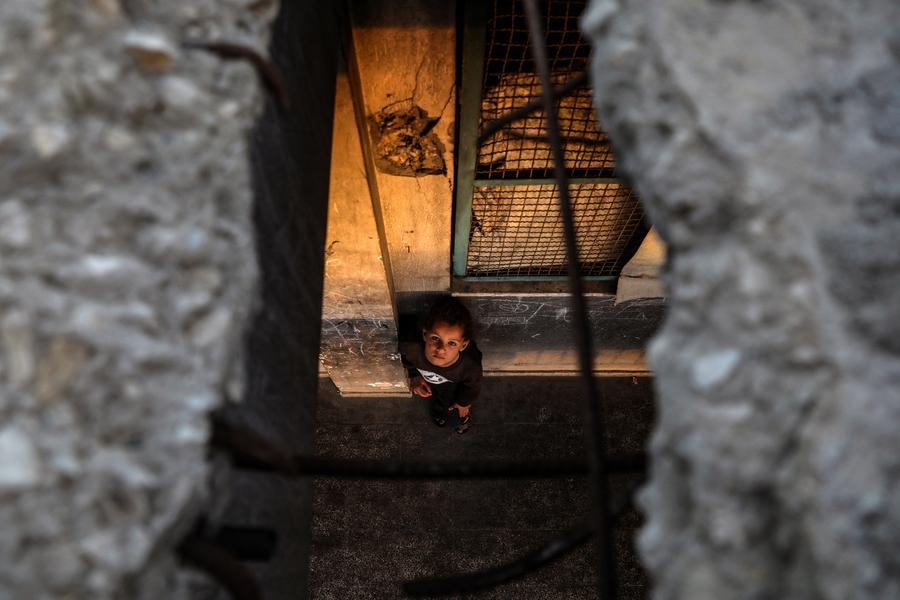
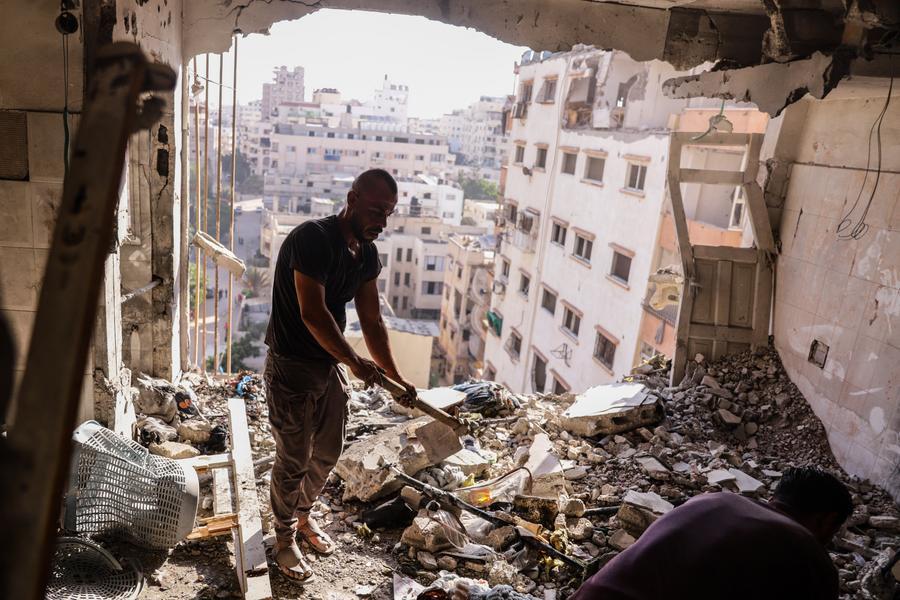
For Mariam Qudaih, 46, a mother of four displaced from eastern Khan Younis, southern Gaza Strip, the negotiations represent more than a political process -- they are her only hope of going home.
"Even though my home has become rubble, I dreamed of returning and standing on its ruins," she said. "I believed the second phase would give us the chance to go back and start again, even if it meant living in a tent on our land."
Qudaih said she had reassured her children that they might soon return, and they began talking excitedly about seeing their home again.
"But after the recent developments, it feels as though everything has gone back to square one," she added. "Every time we hear that negotiations are making progress, we feel our return is getting closer. Then new developments take us back to the beginning, making us realize the road is still long."
Gaza-based political analyst Mustafa Ibrahim said the latest developments have deepened disappointment and frustration among Palestinians as military operations continue alongside diplomatic efforts.
"The linkage between Israeli withdrawal and the completion of disarmament raises questions about the future of the roadmap proposed by the mediators," Ibrahim told Xinhua. "It also gives Israel greater leverage over the timing of implementing the second phase."
Across Gaza, hope continues to rise and fade. For Helles and Qudaih, as for many others, the second phase is the long-awaited yet fragile hope of ending the war, reopening the borders, and allowing the displaced to return home.■