
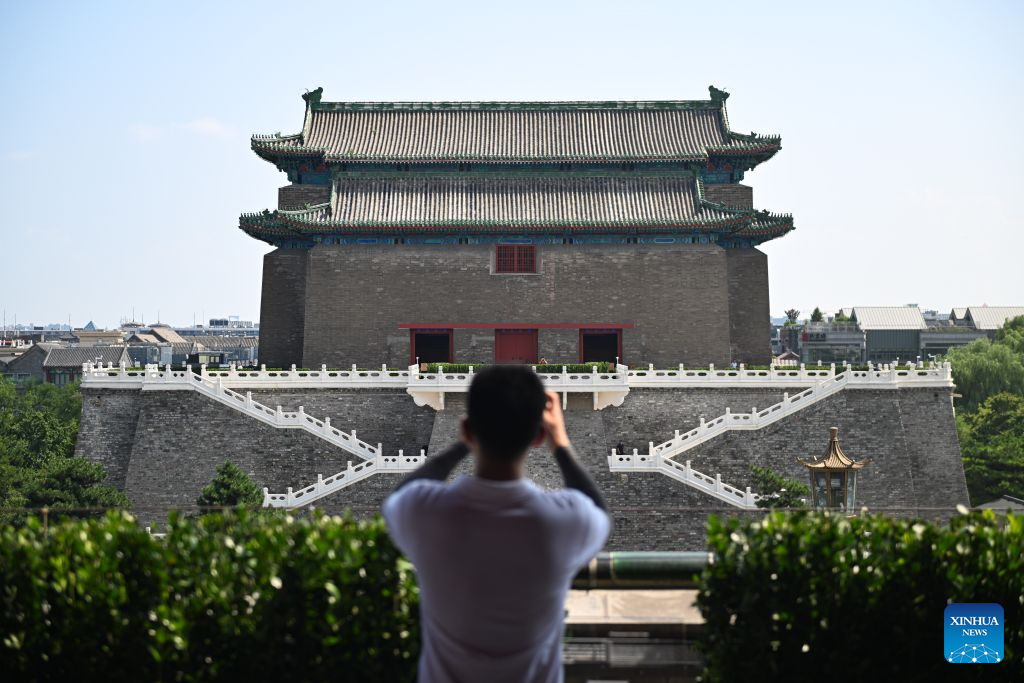
A visitor takes photos of the Zhengyangmen Archery Tower on the Zhengyangmen Gate in Beijing, capital of China, July 27, 2026. Marking the second anniversary of the successful inscription of the Beijing Central Axis on the UNESCO World Heritage List, heritage sites along the central axis, such as the Palace Museum, Zhengyangmen Gate, and Altar of the God of Agriculture, also referred to as the Xiannongtan Temple, were opened to the public, and some sites launched new exhibitions on Monday.
Stretching 7.8 kilometers from Yongding Gate in the south to the Drum and Bell Towers in the north, the Beijing Central Axis was constructed based on ancient architectural philosophies to create an ideal layout for a capital city. The Central Axis can be traced back to the early Yuan Dynasty (1271-1368), and its length was extended in the Ming and Qing dynasties. (Xinhua/Chen Zhonghao)
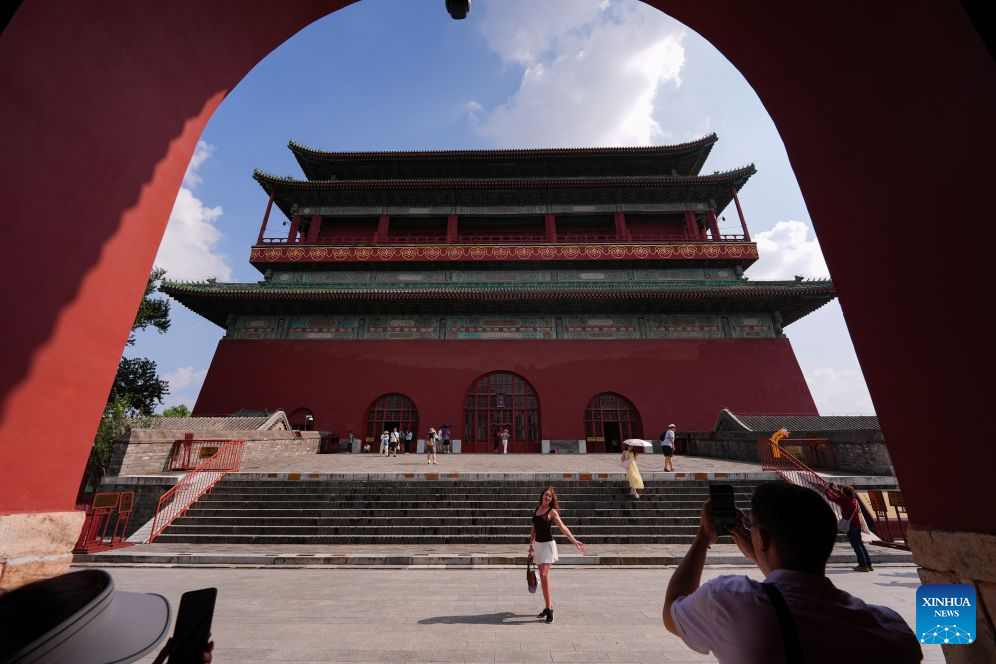
A visitor poses for photos at the Drum Tower in Beijing, capital of China, July 27, 2026. Marking the second anniversary of the successful inscription of the Beijing Central Axis on the UNESCO World Heritage List, heritage sites along the central axis, such as the Palace Museum, Zhengyangmen Gate, and Altar of the God of Agriculture, also referred to as the Xiannongtan Temple, were opened to the public, and some sites launched new exhibitions on Monday.
Stretching 7.8 kilometers from Yongding Gate in the south to the Drum and Bell Towers in the north, the Beijing Central Axis was constructed based on ancient architectural philosophies to create an ideal layout for a capital city. The Central Axis can be traced back to the early Yuan Dynasty (1271-1368), and its length was extended in the Ming and Qing dynasties. (Xinhua/Xie Han)
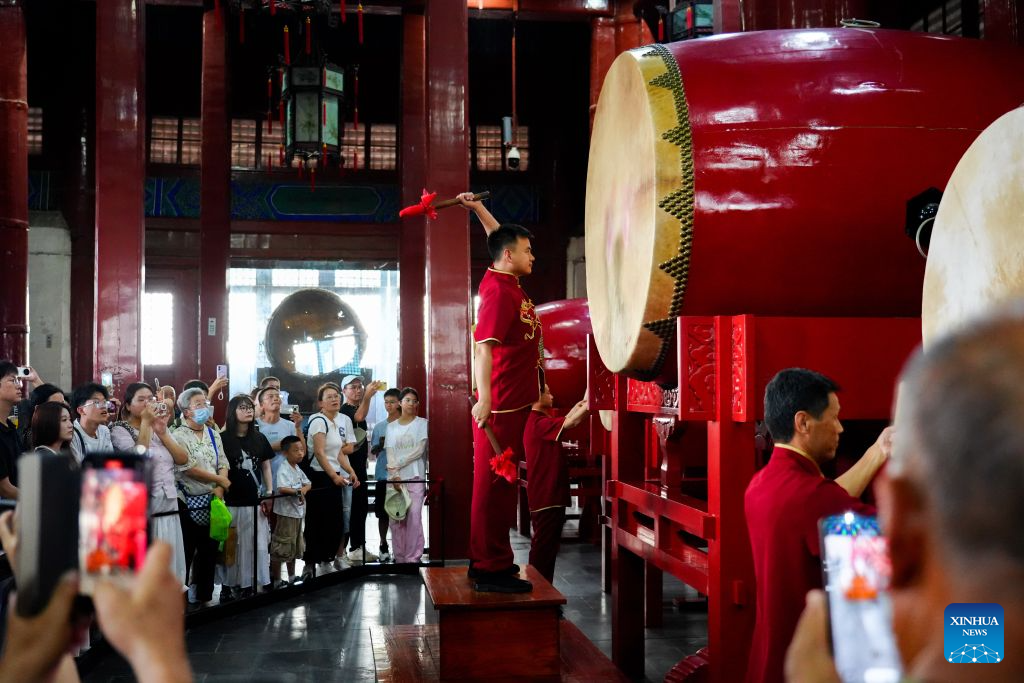
People watch a performance on the Drum Tower in Beijing, capital of China, July 27, 2026. Marking the second anniversary of the successful inscription of the Beijing Central Axis on the UNESCO World Heritage List, heritage sites along the central axis, such as the Palace Museum, Zhengyangmen Gate, and Altar of the God of Agriculture, also referred to as the Xiannongtan Temple, were opened to the public, and some sites launched new exhibitions on Monday.
Stretching 7.8 kilometers from Yongding Gate in the south to the Drum and Bell Towers in the north, the Beijing Central Axis was constructed based on ancient architectural philosophies to create an ideal layout for a capital city. The Central Axis can be traced back to the early Yuan Dynasty (1271-1368), and its length was extended in the Ming and Qing dynasties. (Xinhua/Xie Han)
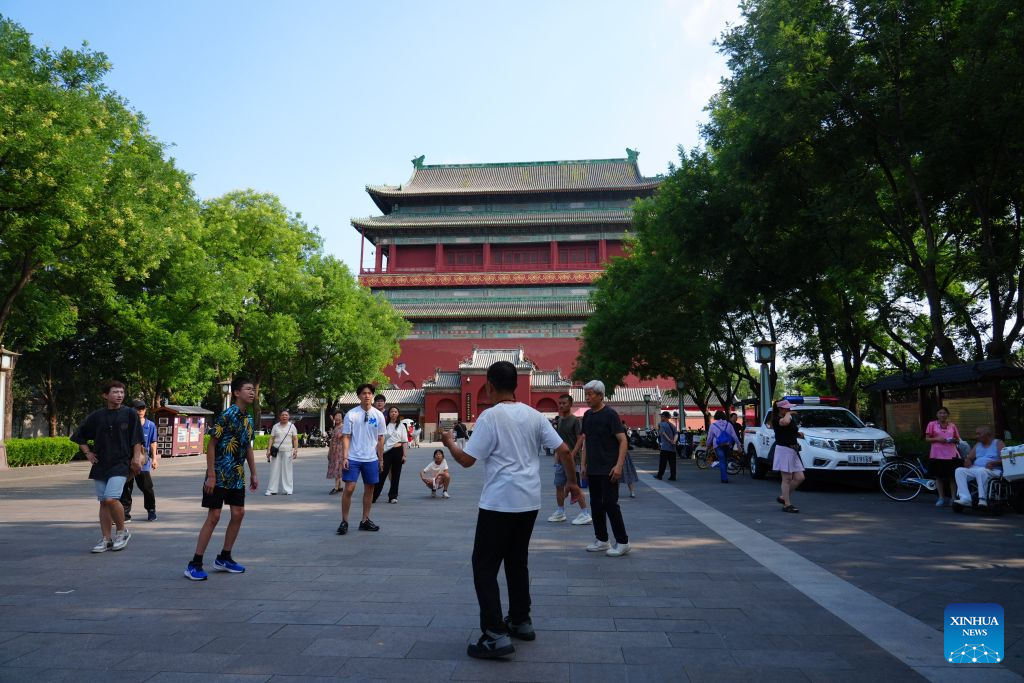
People kick a shuttlecock at a square connecting the Drum and Bell Towers in Beijing, capital of China, July 27, 2026. Marking the second anniversary of the successful inscription of the Beijing Central Axis on the UNESCO World Heritage List, heritage sites along the central axis, such as the Palace Museum, Zhengyangmen Gate, and Altar of the God of Agriculture, also referred to as the Xiannongtan Temple, were opened to the public, and some sites launched new exhibitions on Monday.
Stretching 7.8 kilometers from Yongding Gate in the south to the Drum and Bell Towers in the north, the Beijing Central Axis was constructed based on ancient architectural philosophies to create an ideal layout for a capital city. The Central Axis can be traced back to the early Yuan Dynasty (1271-1368), and its length was extended in the Ming and Qing dynasties. (Xinhua/Xie Han)
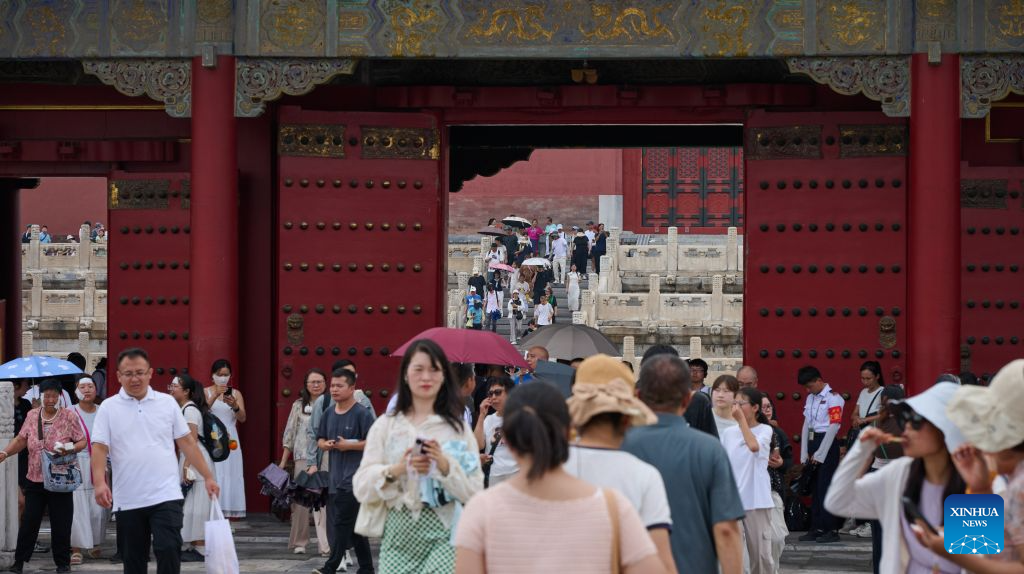
People visit the Palace Museum in Beijing, capital of China, July 27, 2026. Marking the second anniversary of the successful inscription of the Beijing Central Axis on the UNESCO World Heritage List, heritage sites along the central axis, such as the Palace Museum, Zhengyangmen Gate, and Altar of the God of Agriculture, also referred to as the Xiannongtan Temple, were opened to the public, and some sites launched new exhibitions on Monday.
Stretching 7.8 kilometers from Yongding Gate in the south to the Drum and Bell Towers in the north, the Beijing Central Axis was constructed based on ancient architectural philosophies to create an ideal layout for a capital city. The Central Axis can be traced back to the early Yuan Dynasty (1271-1368), and its length was extended in the Ming and Qing dynasties. (Xinhua/Li Xin)
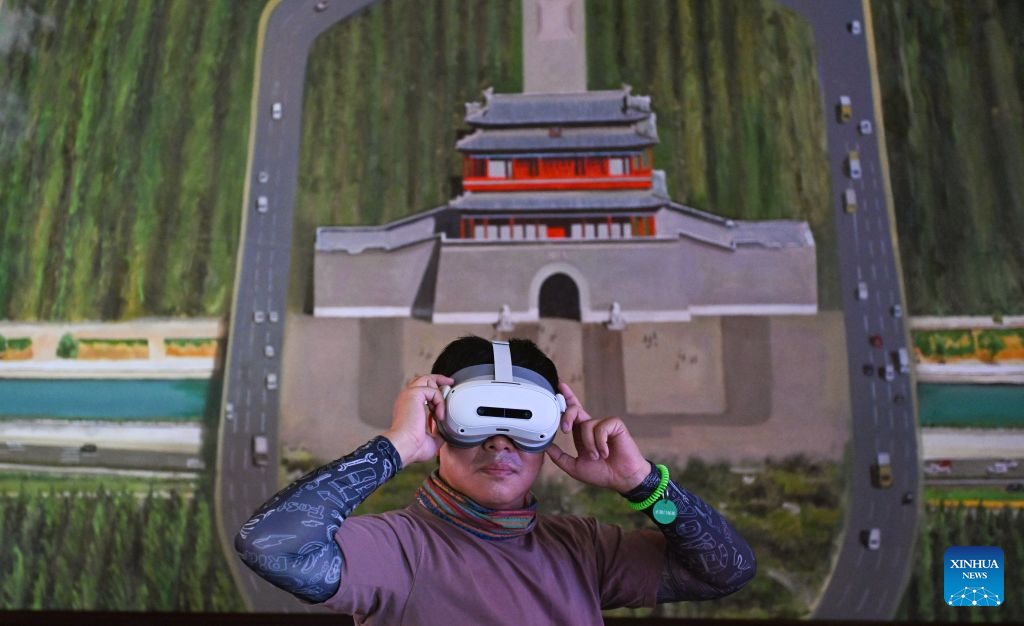
A visitor experiences virtual reality at the Zhengyangmen Gate in Beijing, capital of China, July 27, 2026. Marking the second anniversary of the successful inscription of the Beijing Central Axis on the UNESCO World Heritage List, heritage sites along the central axis, such as the Palace Museum, Zhengyangmen Gate, and Altar of the God of Agriculture, also referred to as the Xiannongtan Temple, were opened to the public, and some sites launched new exhibitions on Monday.
Stretching 7.8 kilometers from Yongding Gate in the south to the Drum and Bell Towers in the north, the Beijing Central Axis was constructed based on ancient architectural philosophies to create an ideal layout for a capital city. The Central Axis can be traced back to the early Yuan Dynasty (1271-1368), and its length was extended in the Ming and Qing dynasties. (Xinhua/Chen Zhonghao)
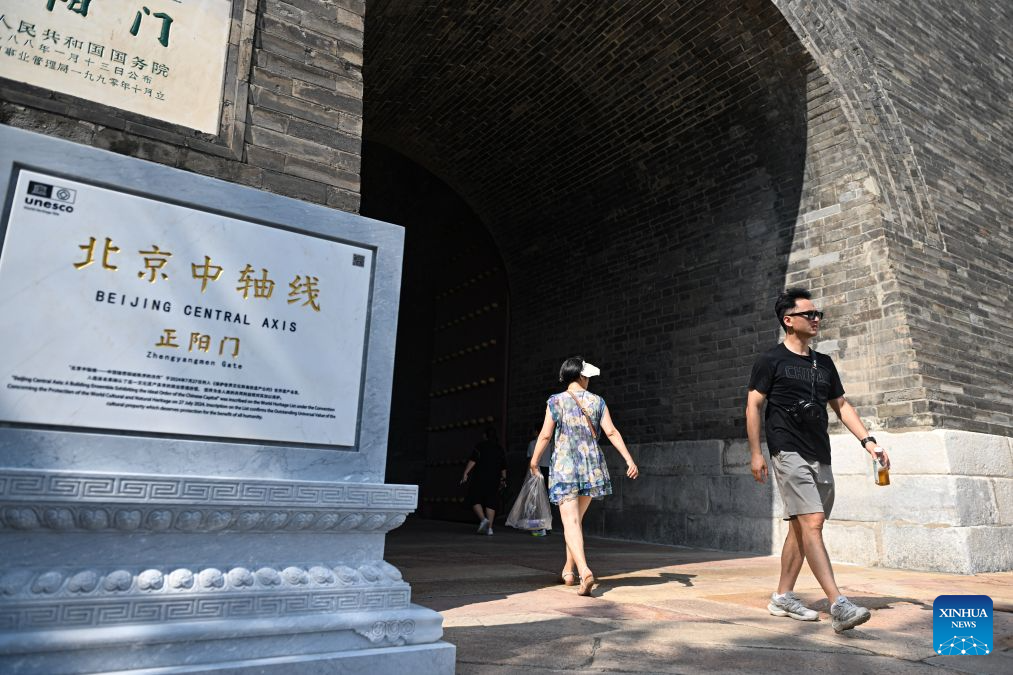
Visitors walk through the Zhengyangmen Gate in Beijing, capital of China, July 27, 2026. Marking the second anniversary of the successful inscription of the Beijing Central Axis on the UNESCO World Heritage List, heritage sites along the central axis, such as the Palace Museum, Zhengyangmen Gate, and Altar of the God of Agriculture, also referred to as the Xiannongtan Temple, were opened to the public, and some sites launched new exhibitions on Monday.
Stretching 7.8 kilometers from Yongding Gate in the south to the Drum and Bell Towers in the north, the Beijing Central Axis was constructed based on ancient architectural philosophies to create an ideal layout for a capital city. The Central Axis can be traced back to the early Yuan Dynasty (1271-1368), and its length was extended in the Ming and Qing dynasties. (Xinhua/Chen Zhonghao)
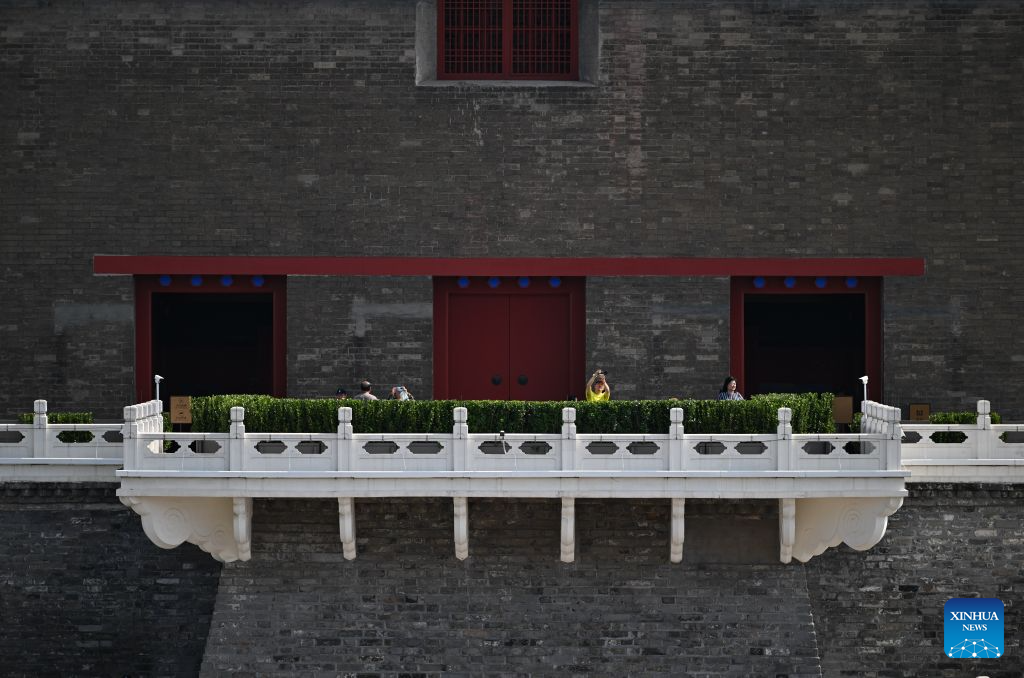
People visit the Zhengyangmen Archery Tower in Beijing, capital of China, July 27, 2026. Marking the second anniversary of the successful inscription of the Beijing Central Axis on the UNESCO World Heritage List, heritage sites along the central axis, such as the Palace Museum, Zhengyangmen Gate, and Altar of the God of Agriculture, also referred to as the Xiannongtan Temple, were opened to the public, and some sites launched new exhibitions on Monday.
Stretching 7.8 kilometers from Yongding Gate in the south to the Drum and Bell Towers in the north, the Beijing Central Axis was constructed based on ancient architectural philosophies to create an ideal layout for a capital city. The Central Axis can be traced back to the early Yuan Dynasty (1271-1368), and its length was extended in the Ming and Qing dynasties. (Xinhua/Chen Zhonghao)
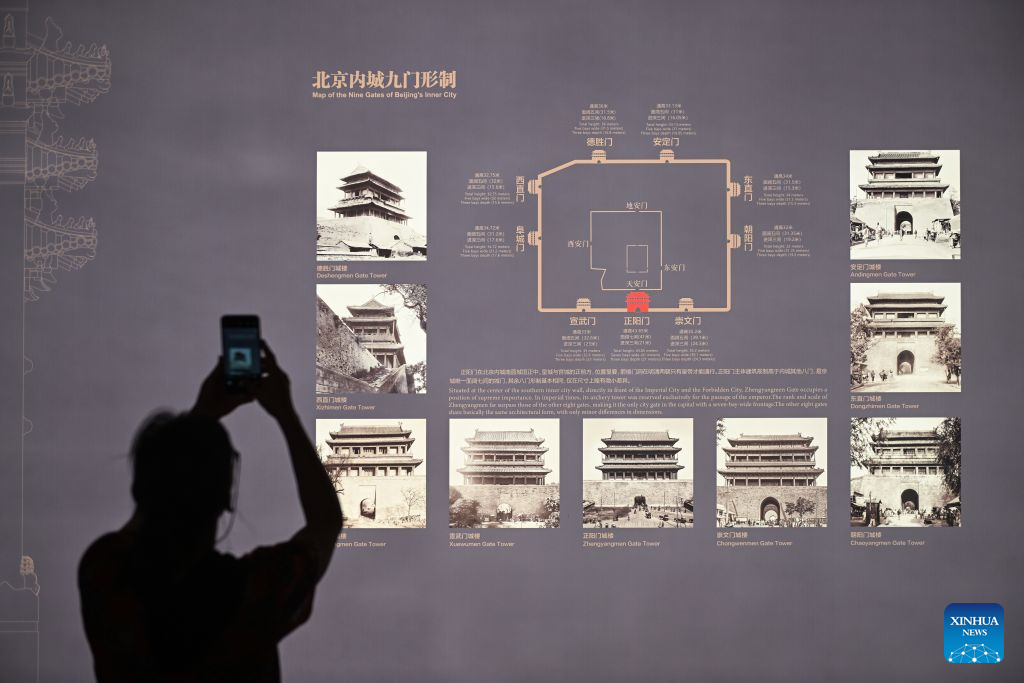
A visitor takes photos at an exhibition at the Zhengyangmen Gate in Beijing, capital of China, July 27, 2026. Marking the second anniversary of the successful inscription of the Beijing Central Axis on the UNESCO World Heritage List, heritage sites along the central axis, such as the Palace Museum, Zhengyangmen Gate, and Altar of the God of Agriculture, also referred to as the Xiannongtan Temple, were opened to the public, and some sites launched new exhibitions on Monday.
Stretching 7.8 kilometers from Yongding Gate in the south to the Drum and Bell Towers in the north, the Beijing Central Axis was constructed based on ancient architectural philosophies to create an ideal layout for a capital city. The Central Axis can be traced back to the early Yuan Dynasty (1271-1368), and its length was extended in the Ming and Qing dynasties. (Xinhua/Chen Zhonghao)
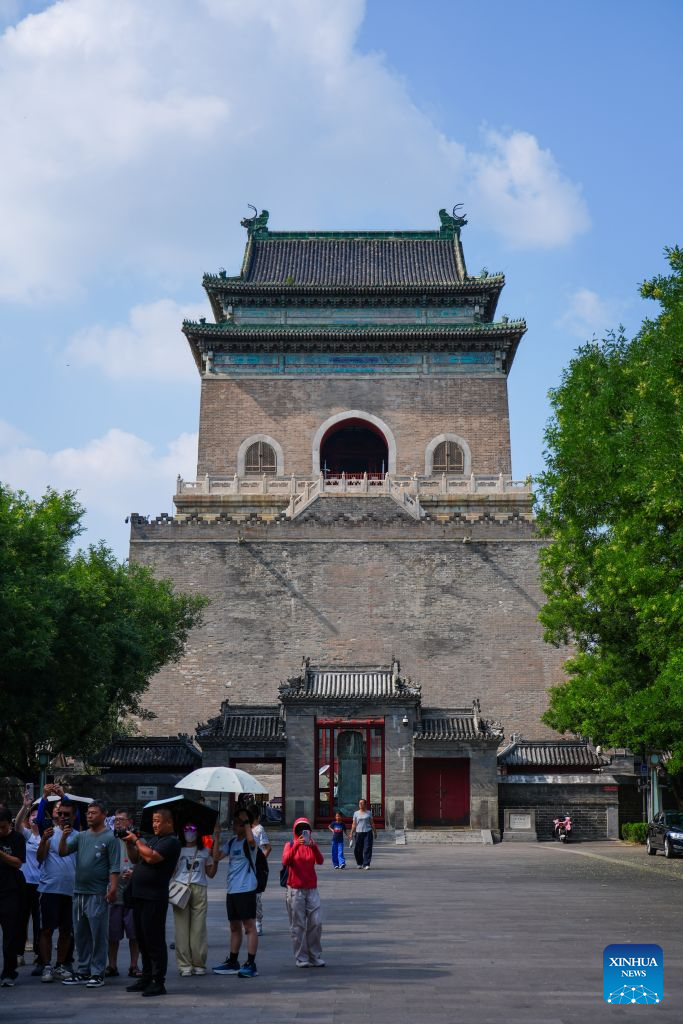
Visitors are seen near the Drum and Bell Towers in Beijing, capital of China, July 27, 2026. Marking the second anniversary of the successful inscription of the Beijing Central Axis on the UNESCO World Heritage List, heritage sites along the central axis, such as the Palace Museum, Zhengyangmen Gate, and Altar of the God of Agriculture, also referred to as the Xiannongtan Temple, were opened to the public, and some sites launched new exhibitions on Monday.
Stretching 7.8 kilometers from Yongding Gate in the south to the Drum and Bell Towers in the north, the Beijing Central Axis was constructed based on ancient architectural philosophies to create an ideal layout for a capital city. The Central Axis can be traced back to the early Yuan Dynasty (1271-1368), and its length was extended in the Ming and Qing dynasties. (Xinhua/Xie Han)
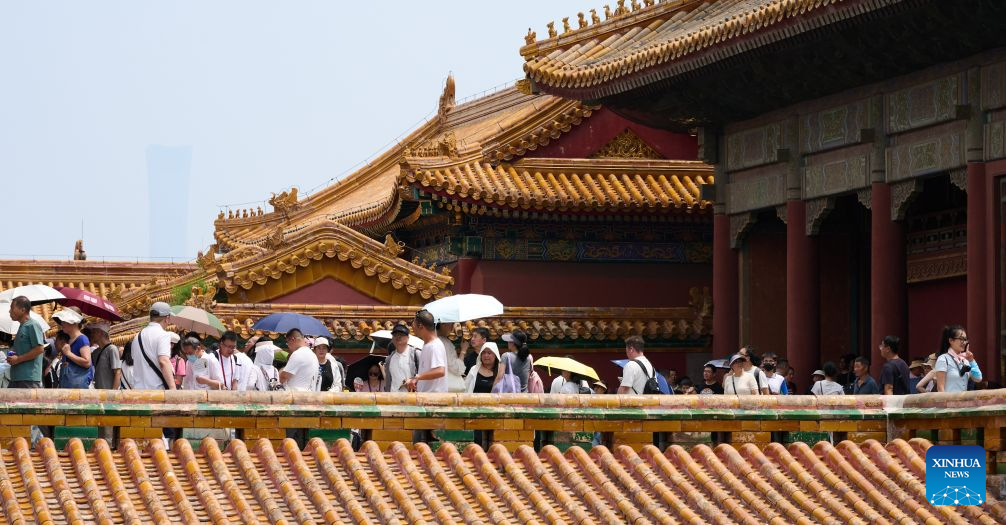
People visit the Palace Museum in Beijing, capital of China, July 27, 2026. Marking the second anniversary of the successful inscription of the Beijing Central Axis on the UNESCO World Heritage List, heritage sites along the central axis, such as the Palace Museum, Zhengyangmen Gate, and Altar of the God of Agriculture, also referred to as the Xiannongtan Temple, were opened to the public, and some sites launched new exhibitions on Monday.
Stretching 7.8 kilometers from Yongding Gate in the south to the Drum and Bell Towers in the north, the Beijing Central Axis was constructed based on ancient architectural philosophies to create an ideal layout for a capital city. The Central Axis can be traced back to the early Yuan Dynasty (1271-1368), and its length was extended in the Ming and Qing dynasties. (Xinhua/Li Xin)
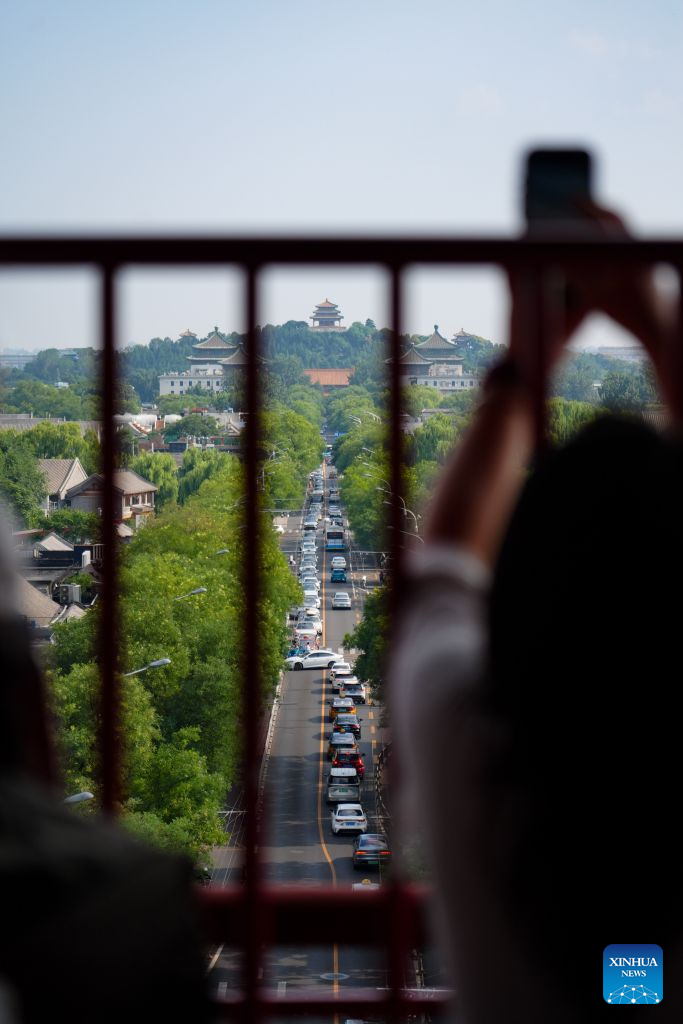
A visitor takes photos of the Beijing Central Axis on the Drum Tower in Beijing, capital of China, July 27, 2026. Marking the second anniversary of the successful inscription of the Beijing Central Axis on the UNESCO World Heritage List, heritage sites along the central axis, such as the Palace Museum, Zhengyangmen Gate, and Altar of the God of Agriculture, also referred to as the Xiannongtan Temple, were opened to the public, and some sites launched new exhibitions on Monday.
Stretching 7.8 kilometers from Yongding Gate in the south to the Drum and Bell Towers in the north, the Beijing Central Axis was constructed based on ancient architectural philosophies to create an ideal layout for a capital city. The Central Axis can be traced back to the early Yuan Dynasty (1271-1368), and its length was extended in the Ming and Qing dynasties. (Xinhua/Xie Han)
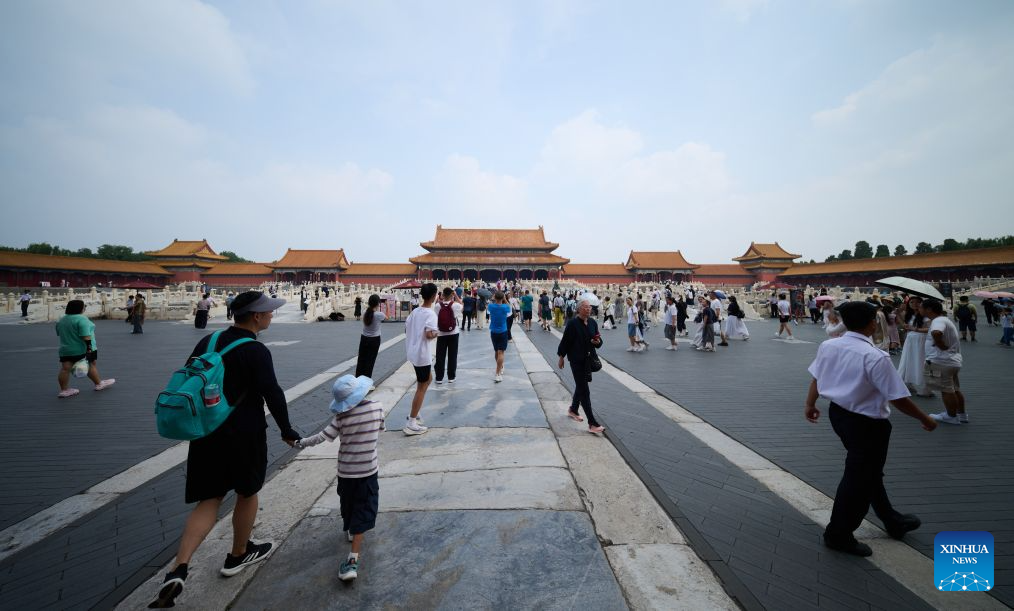
People visit the Palace Museum in Beijing, capital of China, July 27, 2026. Marking the second anniversary of the successful inscription of the Beijing Central Axis on the UNESCO World Heritage List, heritage sites along the central axis, such as the Palace Museum, Zhengyangmen Gate, and Altar of the God of Agriculture, also referred to as the Xiannongtan Temple, were opened to the public, and some sites launched new exhibitions on Monday.
Stretching 7.8 kilometers from Yongding Gate in the south to the Drum and Bell Towers in the north, the Beijing Central Axis was constructed based on ancient architectural philosophies to create an ideal layout for a capital city. The Central Axis can be traced back to the early Yuan Dynasty (1271-1368), and its length was extended in the Ming and Qing dynasties. (Xinhua/Li Xin)
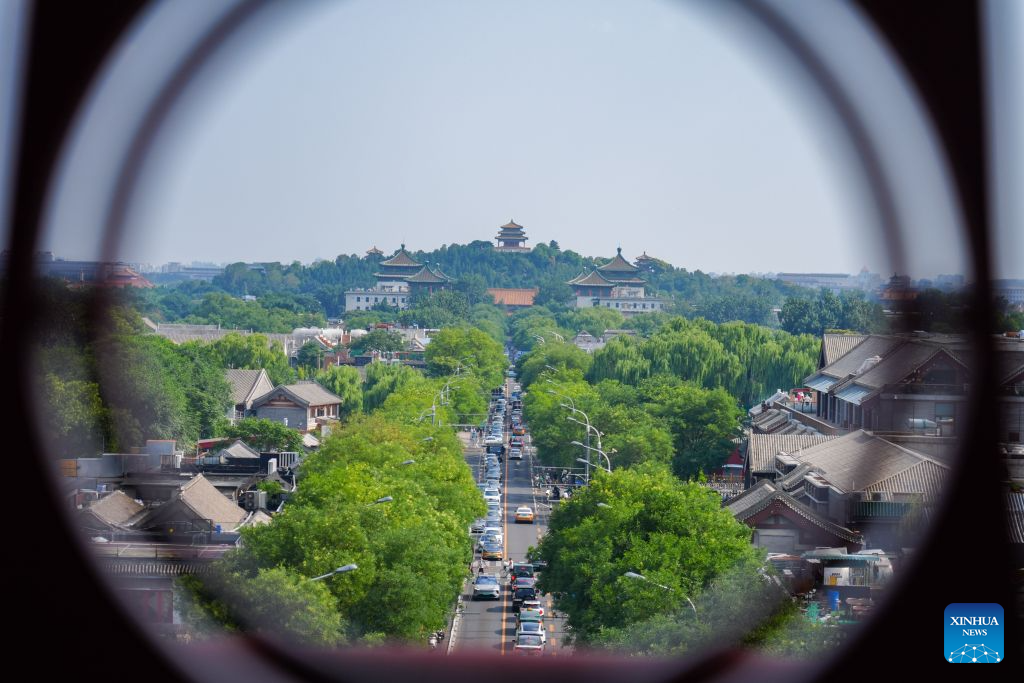
This photo taken on July 27, 2026 shows a view of the Beijing Central Axis seen from the Drum Tower in Beijing, capital of China. Marking the second anniversary of the successful inscription of the Beijing Central Axis on the UNESCO World Heritage List, heritage sites along the central axis, such as the Palace Museum, Zhengyangmen Gate, and Altar of the God of Agriculture, also referred to as the Xiannongtan Temple, were opened to the public, and some sites launched new exhibitions on Monday.
Stretching 7.8 kilometers from Yongding Gate in the south to the Drum and Bell Towers in the north, the Beijing Central Axis was constructed based on ancient architectural philosophies to create an ideal layout for a capital city. The Central Axis can be traced back to the early Yuan Dynasty (1271-1368), and its length was extended in the Ming and Qing dynasties. (Xinhua/Xie Han)
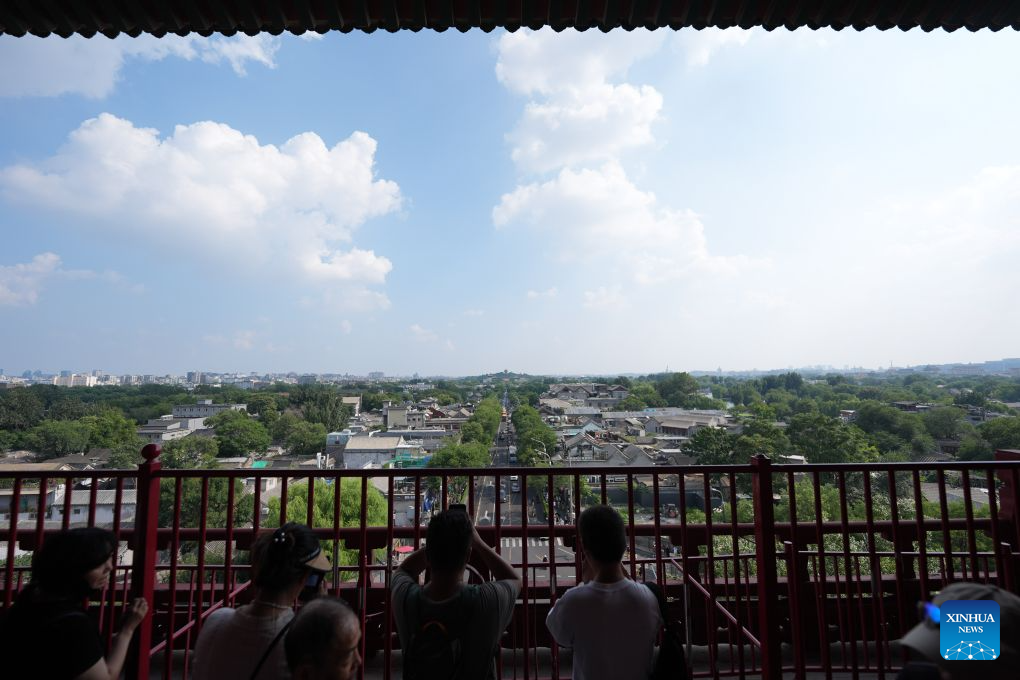
People visit the Drum Tower in Beijing, capital of China, July 27, 2026. Marking the second anniversary of the successful inscription of the Beijing Central Axis on the UNESCO World Heritage List, heritage sites along the central axis, such as the Palace Museum, Zhengyangmen Gate, and Altar of the God of Agriculture, also referred to as the Xiannongtan Temple, were opened to the public, and some sites launched new exhibitions on Monday.
Stretching 7.8 kilometers from Yongding Gate in the south to the Drum and Bell Towers in the north, the Beijing Central Axis was constructed based on ancient architectural philosophies to create an ideal layout for a capital city. The Central Axis can be traced back to the early Yuan Dynasty (1271-1368), and its length was extended in the Ming and Qing dynasties. (Xinhua/Xie Han)
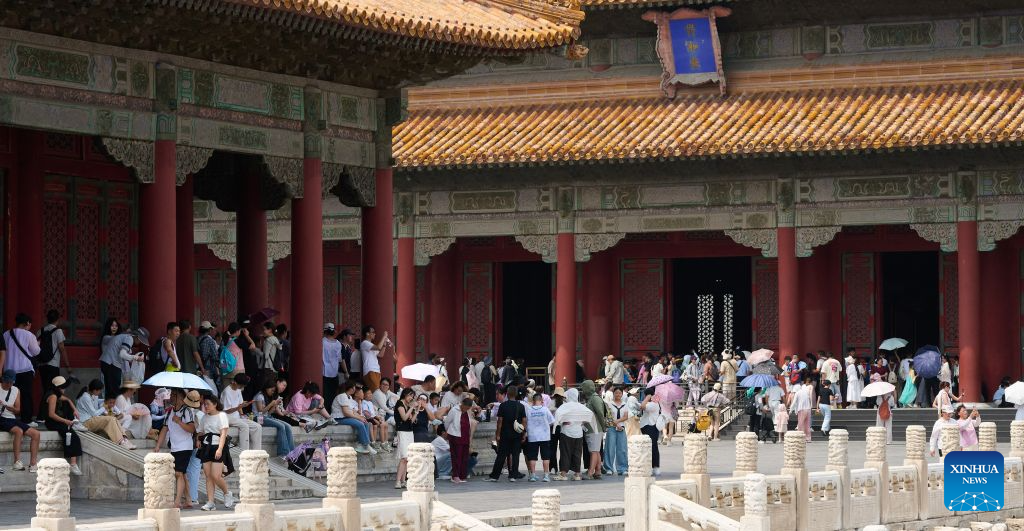
People visit the Palace Museum in Beijing, capital of China, July 27, 2026. Marking the second anniversary of the successful inscription of the Beijing Central Axis on the UNESCO World Heritage List, heritage sites along the central axis, such as the Palace Museum, Zhengyangmen Gate, and Altar of the God of Agriculture, also referred to as the Xiannongtan Temple, were opened to the public, and some sites launched new exhibitions on Monday.
Stretching 7.8 kilometers from Yongding Gate in the south to the Drum and Bell Towers in the north, the Beijing Central Axis was constructed based on ancient architectural philosophies to create an ideal layout for a capital city. The Central Axis can be traced back to the early Yuan Dynasty (1271-1368), and its length was extended in the Ming and Qing dynasties. (Xinhua/Li Xin)


