While the new tariff will deal a blow to Brazil's trade, the South American giant has the capacity to reduce its reliance on the U.S. market and expand its export destinations amid a restructuring of international trade, a Brazilian expert said.
SAO PAULO, July 25 (Xinhua) -- Brazil has the opportunity to sidestep the latest 25 percent U.S. tariff hike by diversifying its exports and opening up new markets in China and the European Union, a Brazilian analyst has said.
While the new tariff will deal a blow to Brazil's trade, the South American giant has the capacity to reduce its reliance on the U.S. market and expand its export destinations amid a restructuring of international trade, said Leonardo Trevisan, a political scientist and professor of international relations at the Escola Superior de Propaganda e Marketing, Brazil's top college for marketing and advertising studies.
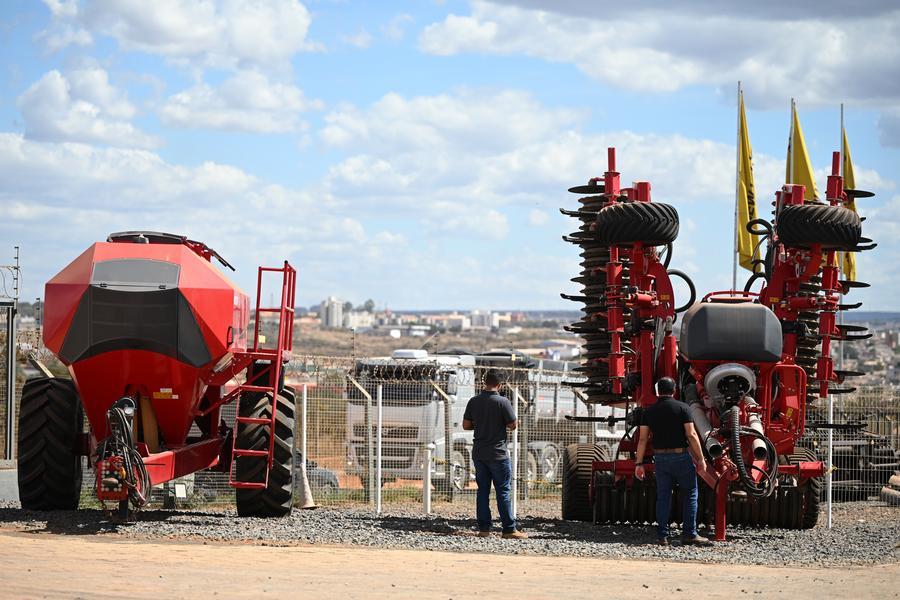
The tariff hike will affect approximately 2,700 agricultural and processed goods, leading to potential losses of nearly 11 billion U.S. dollars in sales, Trevisan told Xinhua in an interview, citing figures from the Brazil-U.S. Chamber of Commerce.
He depicted the impact as "significant," as it primarily affects integrated supply chains, since more than 10,000 Brazilian companies have joint production processes with U.S. firms.
According to Trevisan, Brazil's main strategic response to the tariff measure should be to diversify its export markets.
In August 2025, some Brazilian products faced tariffs of up to 50 percent during the first stage of a trade war. Brazil's exports to the United States plummeted by 6.8 percent in 2025, but its total global sales increased by 3.5 percent.
"There are alternatives for Brazilian exports, and that was one of the most important factors in forcing negotiations during the first round of tariff hikes," he said.
As for the political fallout of the U.S.-Brazil trade dispute, Trevisan said it was "tough to measure precisely" how much it will influence Brazil's presidential elections. What is certain is that they are taking place amid highly politicized ties between Brazil and the United States.
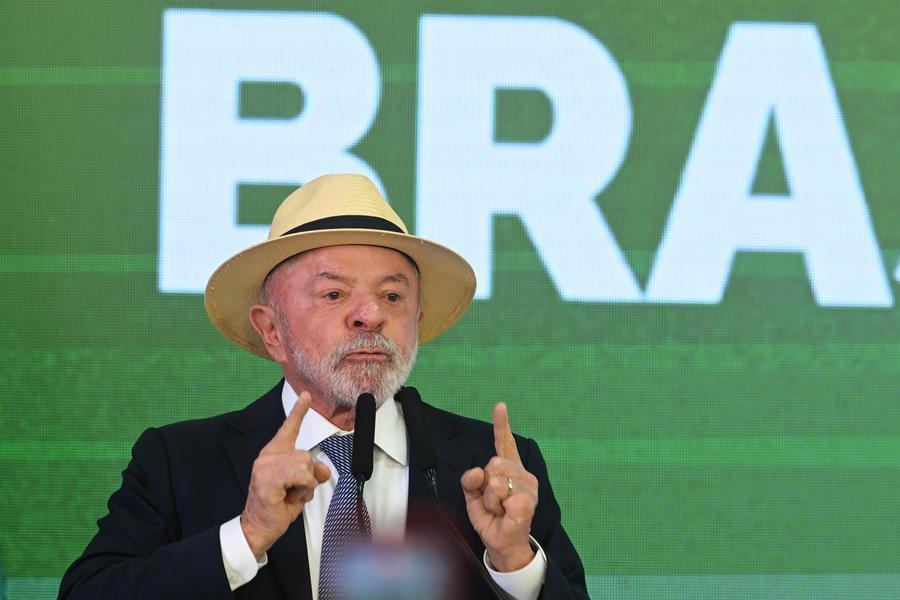
President Luiz Inacio Lula da Silva's administration and Workers' Party see the U.S. tariffs as foreign political pressure on voters. According to Trevisan, U.S. meddling could backfire since issues related to national sovereignty play a major role in how Brazilians vote.
"Nationalist attitudes carry significant electoral weight in Brazil," he said, noting there has been a deep-rooted perception among voters that "I am the boss in my own home."
Regarding Washington's trade strategy, Trevisan ruled out the possibility that the new tariffs are specifically aimed at Brazil, Latin America or BRICS countries.
"It's not possible to say that the tariffs are specifically targeted at Latin America or BRICS. They are indiscriminate measures that also affect important U.S. allies, such as Japan, South Korea and the European Union," he said.
"There is a resurgence of a very strong protectionist and isolationist attitude in the United States, and Trump has taken advantage of it," he said.
Trump is using tariff policy as a tool to strengthen his electoral base, as it protects American jobs and addresses domestic concerns such as the rising cost of living, Trevisan stressed.
With that in mind, the Brazilian government's decision to avoid a hasty retaliatory response was the right one, he said.
The president and vice president have said that Brazil must act cautiously. Taking immediate retaliatory action would not be advisable because it could reinforce Trump's more aggressive strategy, Trevisan said. ■