by Xinhua writer Zeng Yan
BEIJING, July 25 (Xinhua) -- For nearly half a century, China has carried out one of the world's largest and longest-running ecological restoration programs across its dry north. Now the United Nations top official on desertification says the endeavor offers something increasingly important as land deteriorates worldwide: proof that the damage can be reversed.
In a written interview with Xinhua after concluding her first official visit to China in mid-July, Yasmine Fouad praised the country's long-term approach and its efforts to link restoration with jobs and rural livelihoods. But she also warned that an annual financing gap of 278 billion U.S. dollars threatens to leave global restoration promises largely on paper.
"China has become one of the clearest large-scale examples of how land degradation can be reversed," said Fouad, executive secretary of the UN Convention to Combat Desertification.
The world has pledged to restore more than 1 billion hectares of degraded land by 2030. The question facing governments at the convention's COP17 meeting in August, Fouad said, is whether they can turn that ambition into action fast enough.
DECADES-LONG EXPERIMENT IN RESTORATION
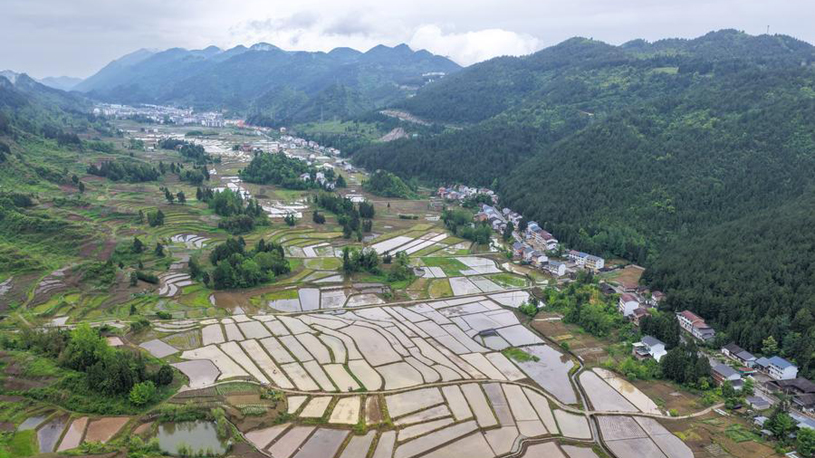
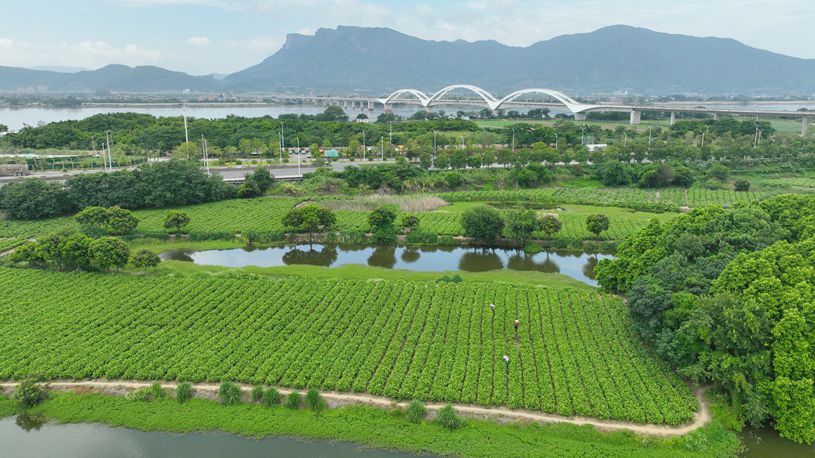
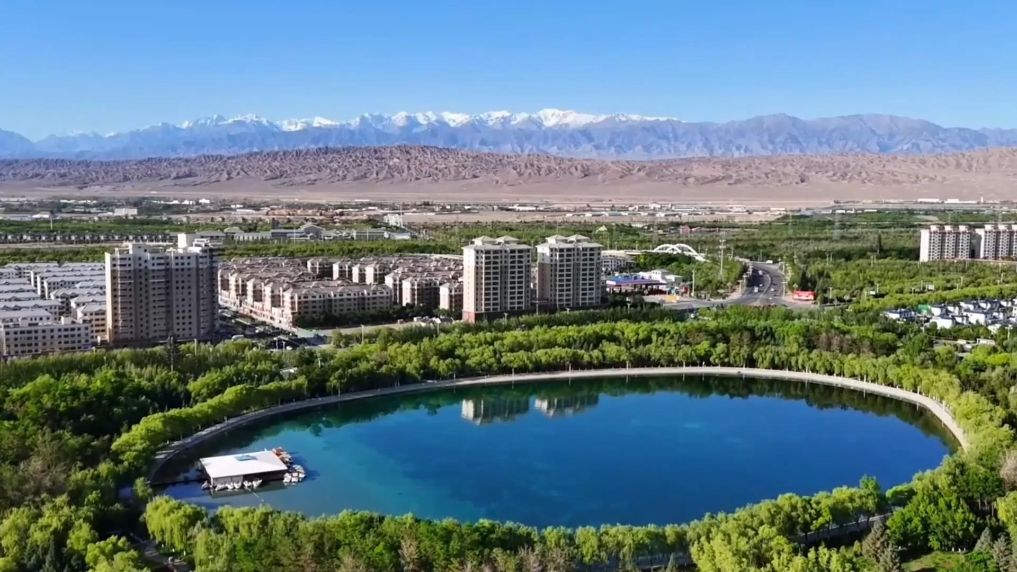
China has reported consecutive reductions in desertified and sandy land over recent monitoring cycles. Fouad attributed the progress to policies sustained across decades, a dedicated anti-desertification law and broader ecological governance reforms, along with satellite monitoring, land-use planning and soil conservation.
The Three-North Shelterbelt Forest Program captures the scale and patience involved. Launched in 1978, the belt stretches more than 4,000 km. The program is scheduled to continue through 2050.
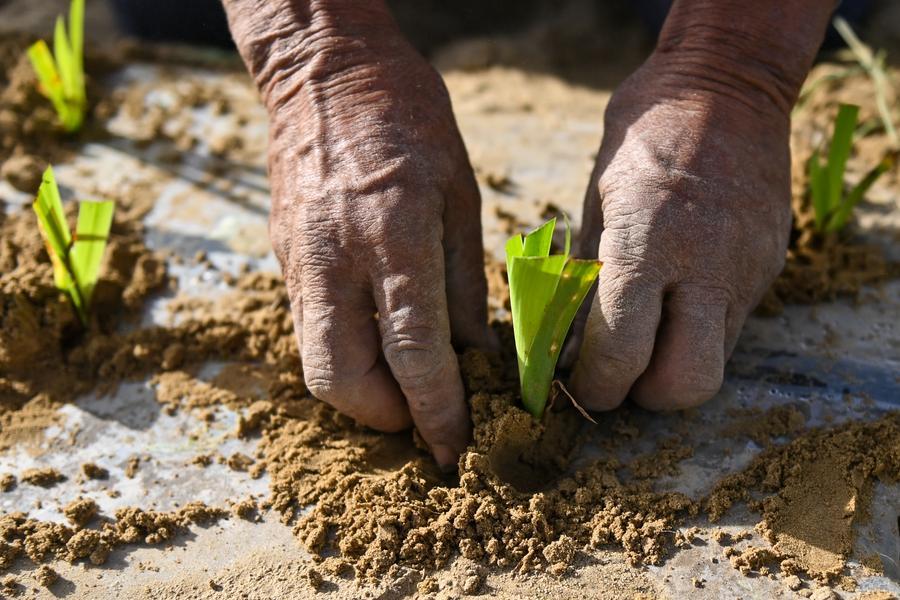
One of the most important developments, she said, has been the effort to connect restoration with farming, grazing, rural livelihoods and new economic opportunities.
"Restoration requires continuity -- ecological recovery happens over decades, not years," Fouad said. "Restoration must move beyond isolated projects and be integrated into national planning and long-term development strategies."
China's experience could be particularly useful to Africa, Central Asia and the Middle East, where countries face similar pressures from drought, water scarcity, land degradation and rural vulnerability, she said.
China can help those countries move beyond small pilot projects by sharing expertise in soil stabilization, vegetation recovery, sustainable grazing, remote sensing and land monitoring, Fouad said.
Such technologies are increasingly changing not only how countries restore land, but also how they prepare for drought. Satellites and geospatial systems can track vegetation, soil moisture and drought risks, while artificial intelligence can improve forecasting and early warning systems.
"Technology is helping us move from reacting to land crises to anticipating them," Fouad said.
Still, the UN official cautioned against treating China's approach as a ready-made template. Drylands differ widely, and restoration must reflect local ecosystems and, crucially, the amount of water available.
"The broader lesson is not about replicating one model," she said. "It is about understanding the principles that make restoration work: long-term commitment, policy coherence, financing, science and community ownership."
CLOSING THE GAP
The starkest obstacle is money.
Meeting existing global land restoration and drought goals requires about 355 billion dollars a year, but current investment flows total only about 77 billion dollars, Fouad said. That leaves an annual gap of 278 billion dollars.
The estimated cost of inaction is even higher -- about 878 billion dollars a year.
That makes prevention "not only an environmental priority, but an economic one," Fouad said.
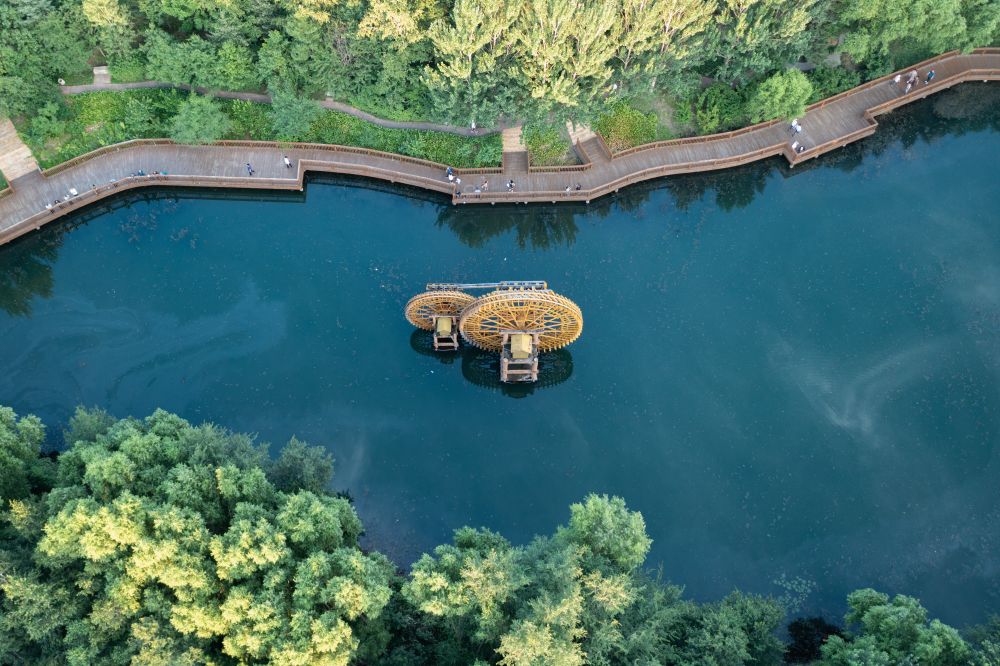
Restoration projects are often viewed as high-risk, long-term and difficult to measure, she said. Better monitoring can improve transparency, reduce uncertainty and strengthen accountability, making such projects more attractive to private and institutional investors.
Closing that financing gap will be central to the push to move from ambition to implementation at COP17, scheduled for Aug. 17-28 in Ulan Bator, Mongolia, under the theme "Restoring Land, Restoring Hope."
The conference comes as the number and duration of droughts have increased by nearly 30 percent since 2000. Fouad said the gathering should focus on mobilizing investment, strengthening drought preparedness and giving greater attention to rangelands and pastoral communities.
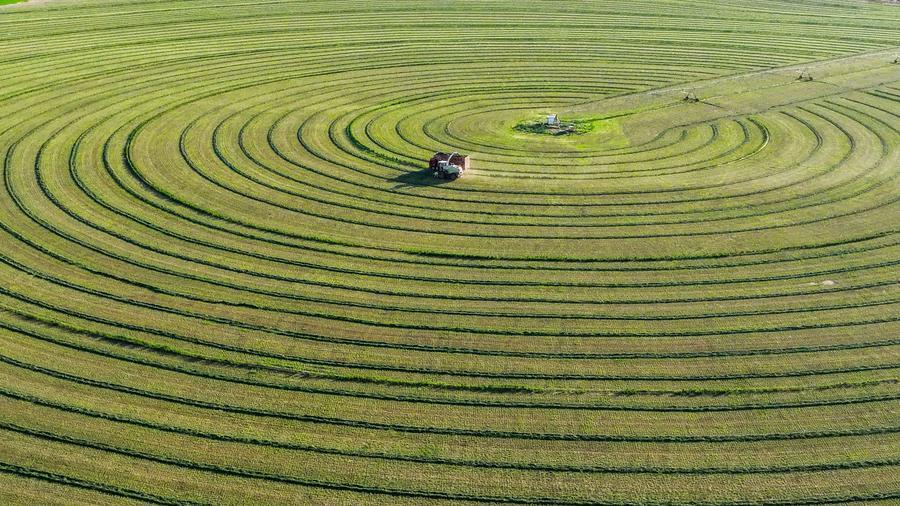
Rangelands support about 2 billion people and provide nearly 70 percent of the world's livestock feed, yet up to half are degraded or at risk, she said. Despite their importance to food security, livelihoods and biodiversity, they remain among the least recognized ecosystems in global policy and finance.
For Fouad, the "hope" in the COP17 theme is not abstract optimism. It means that governments can prevent crises, finance proven solutions and produce visible results for people living on degraded land.
"The hope COP17 must restore is confidence that degradation can be reversed," she said. ■