
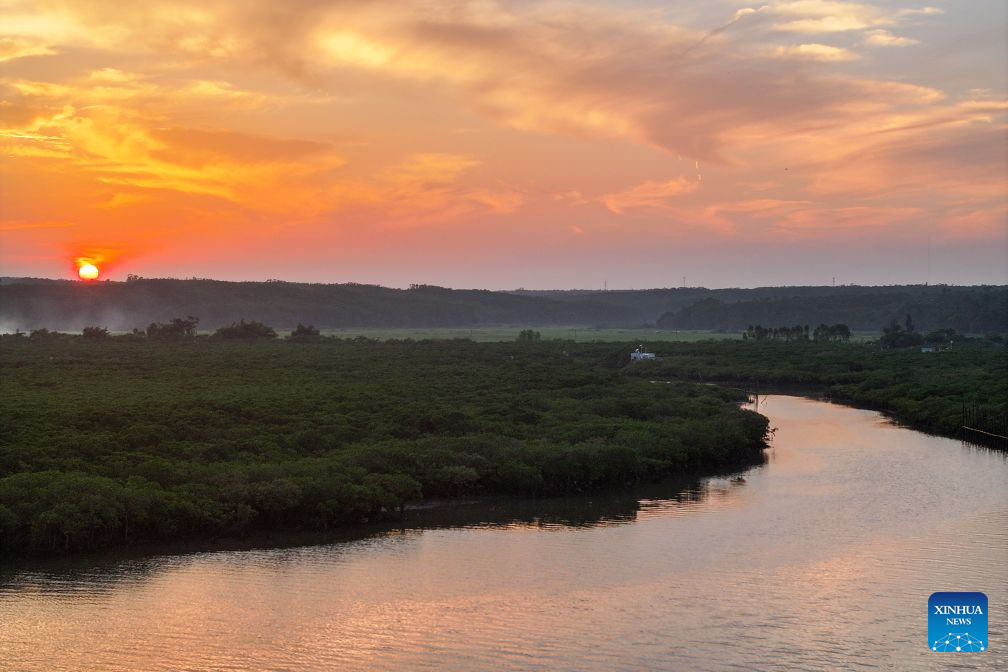
A drone photo taken on July 24, 2026 shows a view of the Shankou Mangrove Nature Reserve in Hepu County of Beihai City, south China's Guangxi Zhuang Autonomous Region. Established in 1990, the Shankou Mangrove Nature Reserve is designated to protect the natural mangrove ecosystem, serving as one of the country's major mangrove germplasm bases and gene banks. (Xinhua/Cao Yiming)
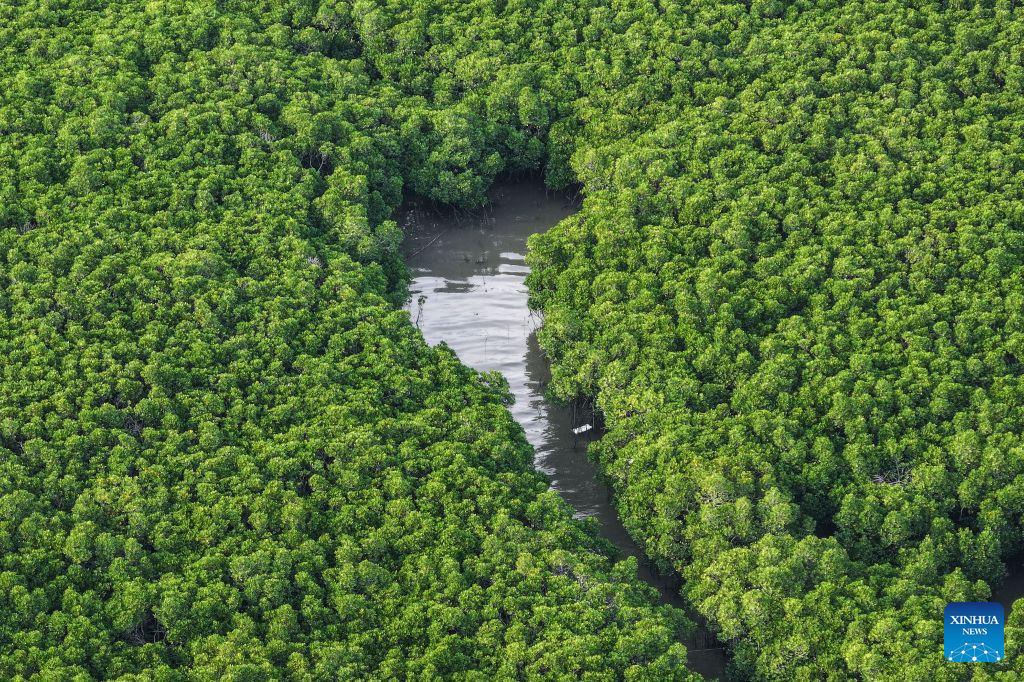
An aerial drone photo taken on July 24, 2026 shows a view of the Shankou Mangrove Nature Reserve in Hepu County of Beihai City, south China's Guangxi Zhuang Autonomous Region. Established in 1990, the Shankou Mangrove Nature Reserve is designated to protect the natural mangrove ecosystem, serving as one of the country's major mangrove germplasm bases and gene banks. (Xinhua/Cao Yiming)
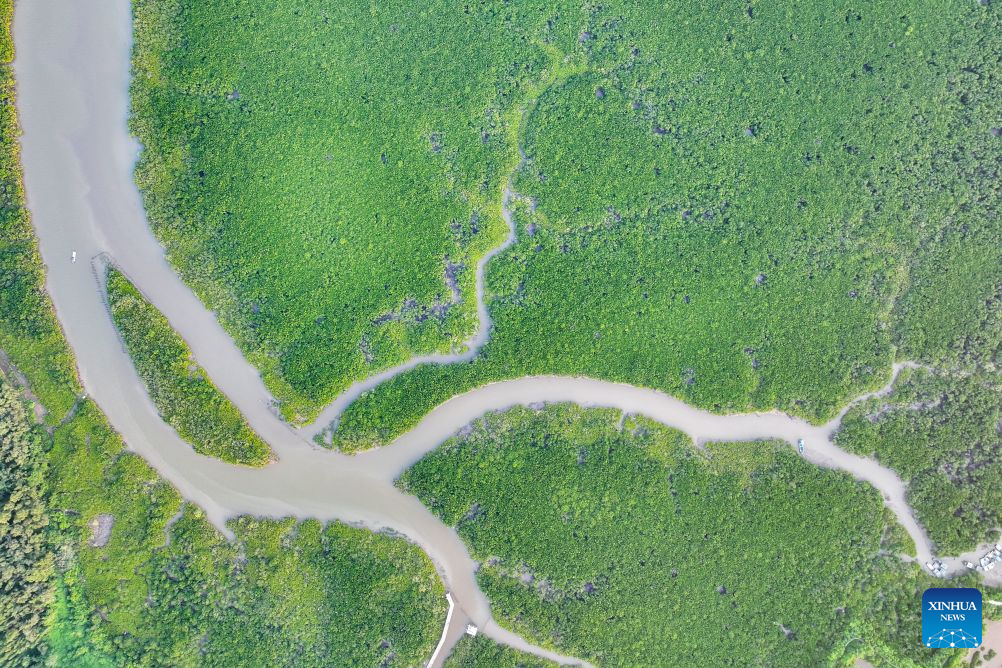
An aerial drone photo taken on July 24, 2026 shows a view of the Shankou Mangrove Nature Reserve in Hepu County of Beihai City, south China's Guangxi Zhuang Autonomous Region. Established in 1990, the Shankou Mangrove Nature Reserve is designated to protect the natural mangrove ecosystem, serving as one of the country's major mangrove germplasm bases and gene banks. (Xinhua/Cao Yiming)
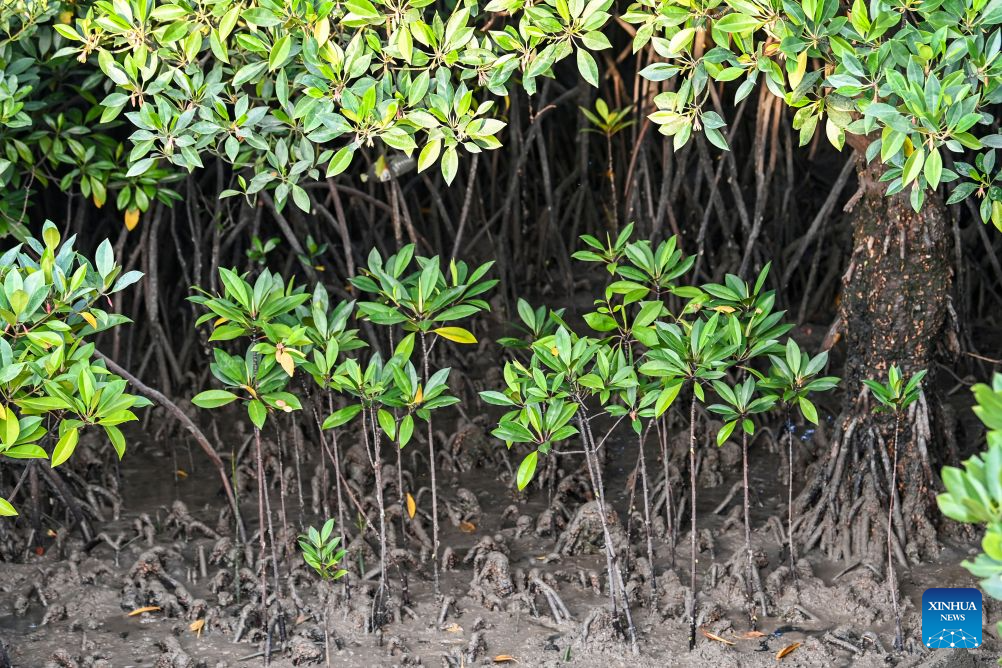
This photo taken on July 24, 2026 shows mangroves at the Shankou Mangrove Nature Reserve in Hepu County of Beihai City, south China's Guangxi Zhuang Autonomous Region. Established in 1990, the Shankou Mangrove Nature Reserve is designated to protect the natural mangrove ecosystem, serving as one of the country's major mangrove germplasm bases and gene banks. (Xinhua/Cao Yiming)
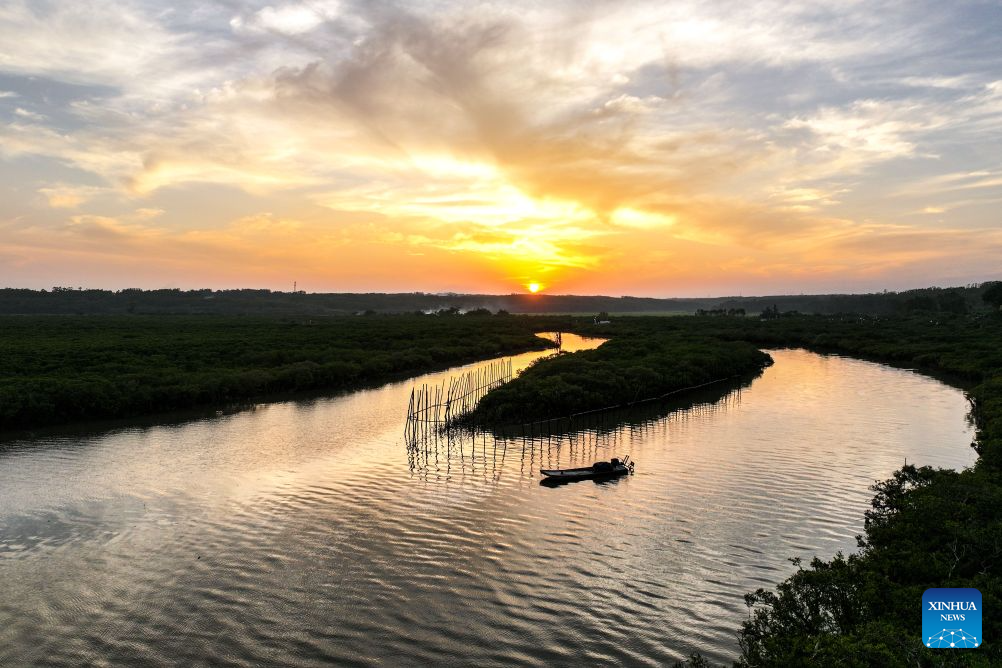
A drone photo taken on July 24, 2026 shows a view of the Shankou Mangrove Nature Reserve in Hepu County of Beihai City, south China's Guangxi Zhuang Autonomous Region. Established in 1990, the Shankou Mangrove Nature Reserve is designated to protect the natural mangrove ecosystem, serving as one of the country's major mangrove germplasm bases and gene banks. (Xinhua/Cao Yiming)
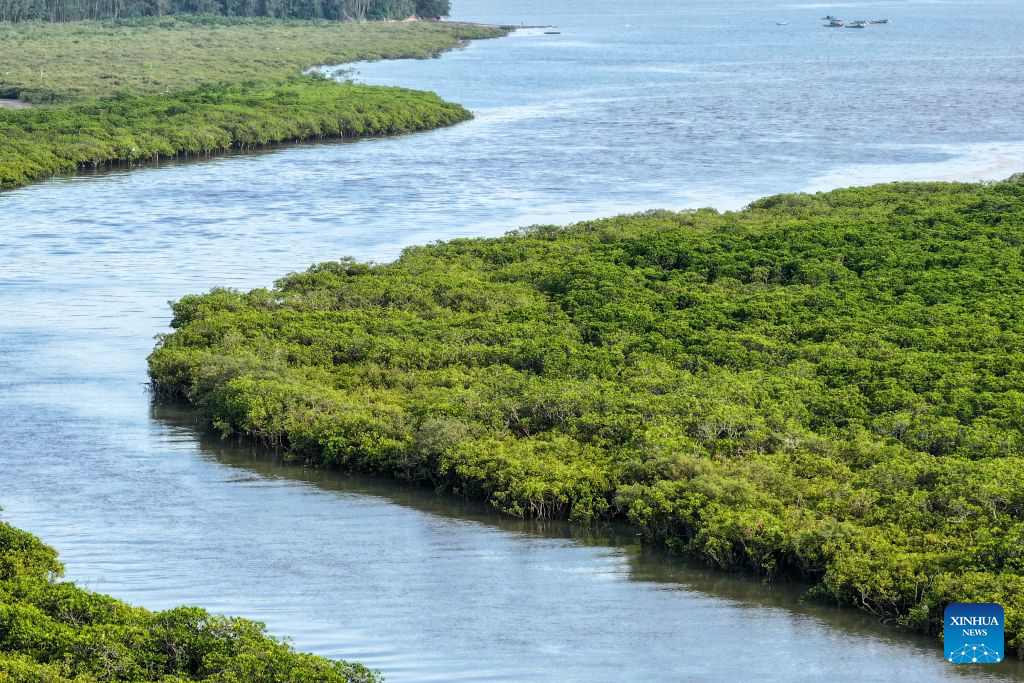
A drone photo taken on July 24, 2026 shows a view of the Shankou Mangrove Nature Reserve in Hepu County of Beihai City, south China's Guangxi Zhuang Autonomous Region. Established in 1990, the Shankou Mangrove Nature Reserve is designated to protect the natural mangrove ecosystem, serving as one of the country's major mangrove germplasm bases and gene banks. (Xinhua/Cao Yiming)
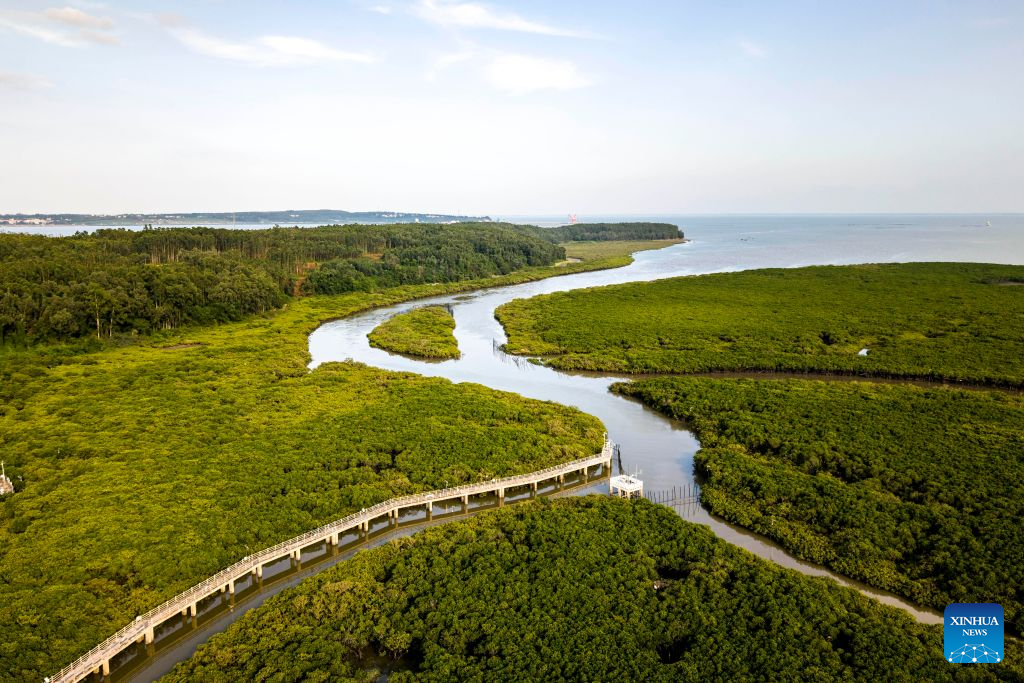
An aerial drone photo taken on July 24, 2026 shows a view of the Shankou Mangrove Nature Reserve in Hepu County of Beihai City, south China's Guangxi Zhuang Autonomous Region. Established in 1990, the Shankou Mangrove Nature Reserve is designated to protect the natural mangrove ecosystem, serving as one of the country's major mangrove germplasm bases and gene banks. (Xinhua/Wang Liang)
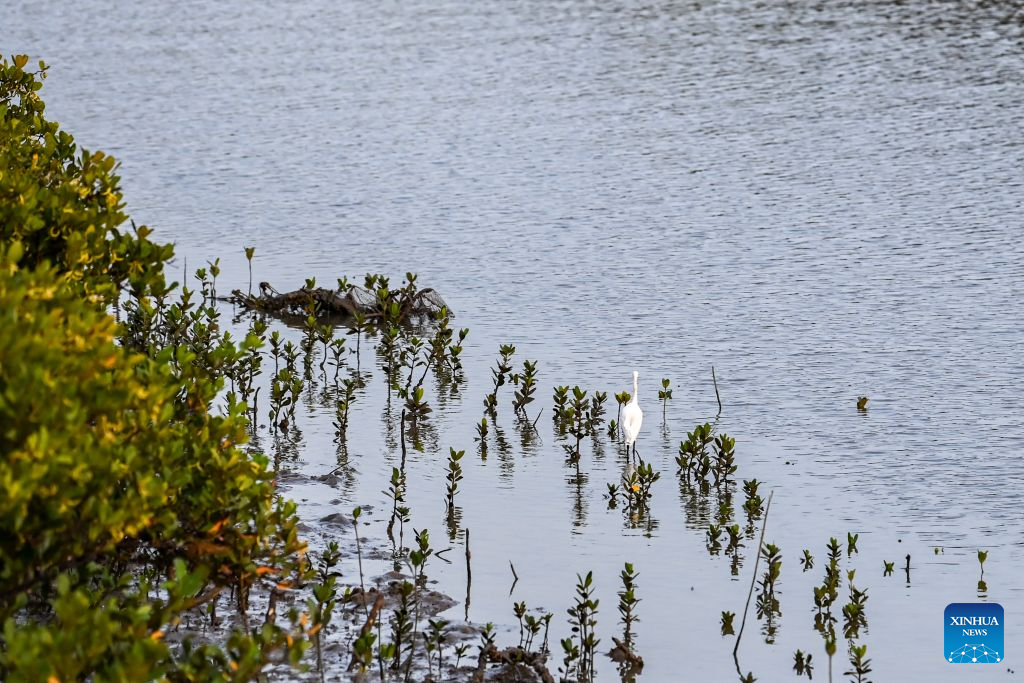
This photo taken on July 24, 2026 shows a bird amid mangroves at the Shankou Mangrove Nature Reserve in Hepu County of Beihai City, south China's Guangxi Zhuang Autonomous Region. Established in 1990, the Shankou Mangrove Nature Reserve is designated to protect the natural mangrove ecosystem, serving as one of the country's major mangrove germplasm bases and gene banks. (Xinhua/Cao Yiming)
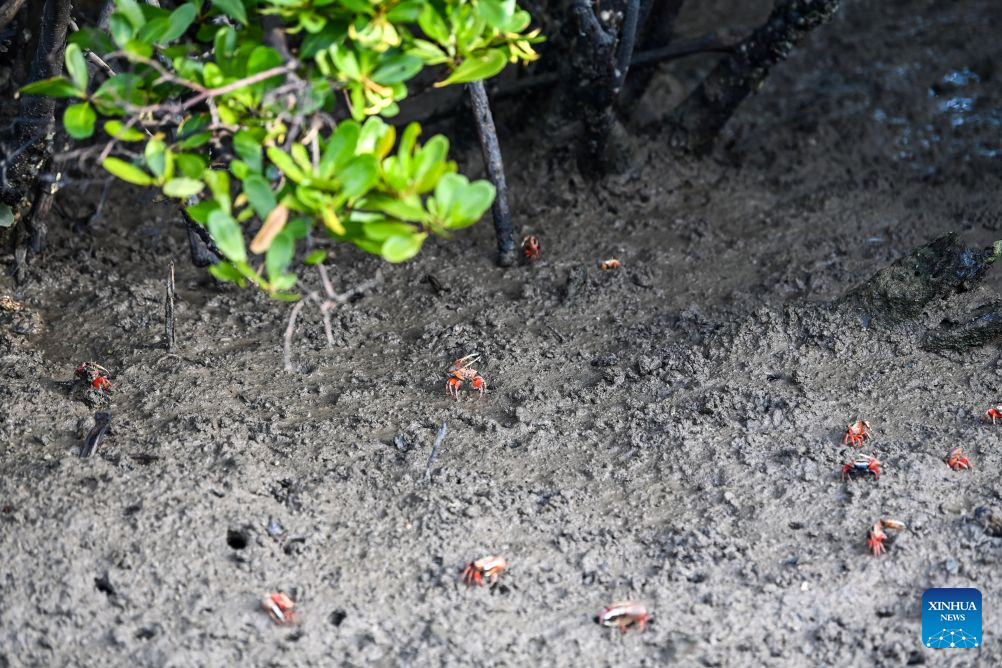
This photo taken on July 24, 2026 shows creatures under mangroves at the Shankou Mangrove Nature Reserve in Hepu County of Beihai City, south China's Guangxi Zhuang Autonomous Region. Established in 1990, the Shankou Mangrove Nature Reserve is designated to protect the natural mangrove ecosystem, serving as one of the country's major mangrove germplasm bases and gene banks. (Xinhua/Cao Yiming)
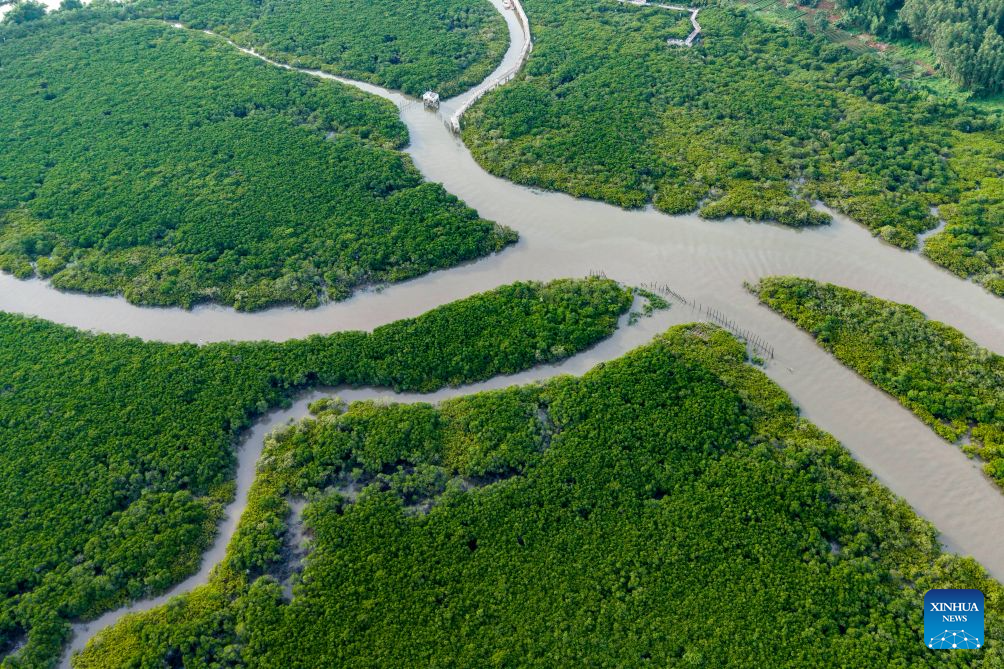
An aerial drone photo taken on July 24, 2026 shows a view of the Shankou Mangrove Nature Reserve in Hepu County of Beihai City, south China's Guangxi Zhuang Autonomous Region. Established in 1990, the Shankou Mangrove Nature Reserve is designated to protect the natural mangrove ecosystem, serving as one of the country's major mangrove germplasm bases and gene banks. (Xinhua/Wang Liang)


