by Shao Xia
Europe's summer of 2026 is scorching -- but the heat isn't the only paradox on the continent.
Over 150 million Europeans have been living under extreme heat since late May. Schools closed. Trains stopped. The WHO confirmed over 1,300 heat-related deaths. Consumers are scrambling for cooling devices and Chinese air conditioners (ACs) are selling out everywhere.
But here's the irony: while people are sweltering, policymakers in Brussels are busy debating new tariffs on Chinese goods. One French advisor even proposed a flat 30-percent tariff on all Chinese imports. On one side, survival. On the other, score-settling. Consumers vote with their wallets; politicians build walls with words. It's absurd.
I. THE "OVERCAPACITY" MYTH IS FALLING APART
Air conditioning is becoming a necessity across Europe. Yet adoption rates remain low: an average of 20 percent across Europe, with Britain at 5 percent and Germany at just 3 percent. Why? High installation costs, lengthy permit procedures, and strict building rules have long held people back.
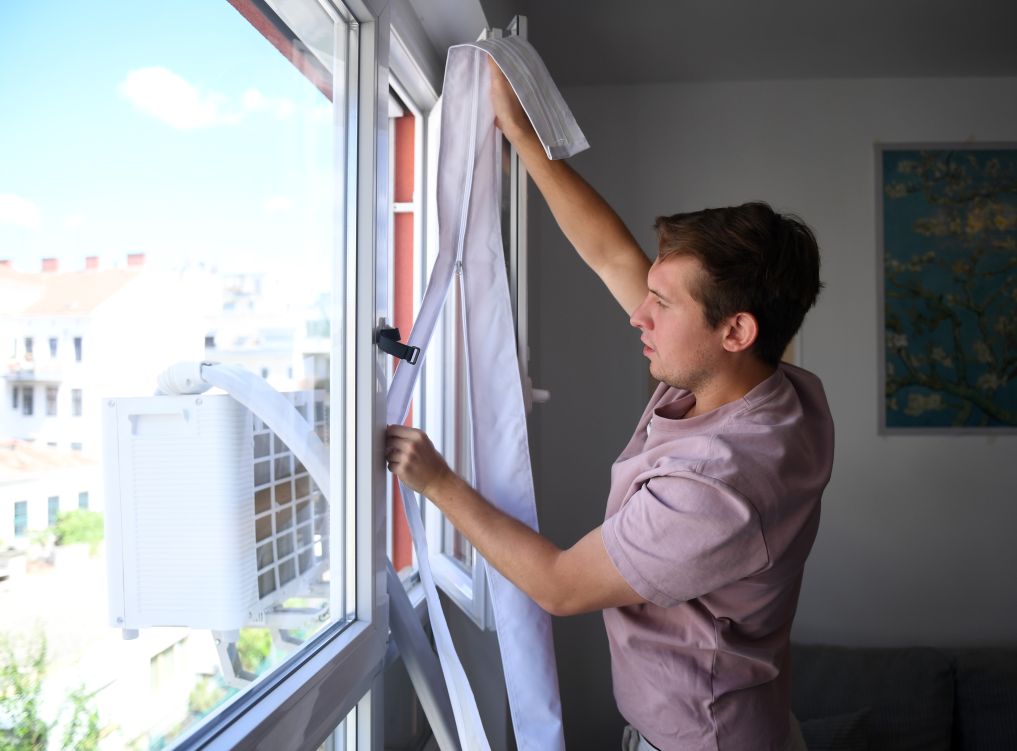
Chinese manufacturers stepped up to meet this demand. In addition to keeping costs reasonably low, they developed solutions tailored to local requirements. Refrigerant levels stay below France's certification limits. Noise levels meet Germany's strict nighttime standards. Efficiency hits Switzerland's requirements. Drill-free designs help protect historical buildings.
Europeans are buying these products, and for good reasons. These products solve problems local brands often fail to address. Between January and May 2026, China's AC exports to the EU hit a record 3.76 billion U.S. dollars, up 43 percent from last year. Some consumers reportedly drove hundreds of kilometers just to purchase one.
Is that "overcapacity"? No. That's demand outpacing supply.
And dumping? Hardly. A Midea portable AC originally priced at 700-900 euros (798-1,026 dollars) is now being resold for over 2,600 euros (2,965 dollars) -- and is still selling fast.
II. BLAMING OTHERS IS EASIER THAN FIXING YOUR OWN PROBLEMS
Some European politicians say strong sales indicate overcapacity, and overcapacity justifies trade restrictions. But if that logic holds, what about German cars, with 80 percent exported? Airbus aircraft? U.S. chips, with one-third sold overseas? Are they all examples of "overcapacity" as well?
The real story is different. Data from the Kiel Institute shows only about one-third of Germany's lost market share is linked to Chinese exports. The rest stems from declining competitiveness at home. Energy prices are double or triple those in the United States. Electricity prices for energy-intensive heavy industries in the EU are, on average, at least 50 percent higher than in China. Regulations are burdensome. Capital markets are fragmented. AI investment accounts for just 5 percent of the global total.
These are real problems, and fixing them is hard. It's much easier to blame China. So some politicians take the easy way out.
III. NOT A "CHINA SHOCK" BUT A CHINA OPPORTUNITY
Some Europeans keep warning of a "China Shock." But look at what's actually happening: Europeans are buying Chinese ACs, batteries and clean-energy products -- things Europe badly needs. It's not a shock, but an opportunity.
China is the only country in the world to encompass all industrial categories in the United Nations industrial classification. It's been the world's top manufacturer for 15 years. If Europe wants to go green, it needs affordable supply chains -- and China delivers them.
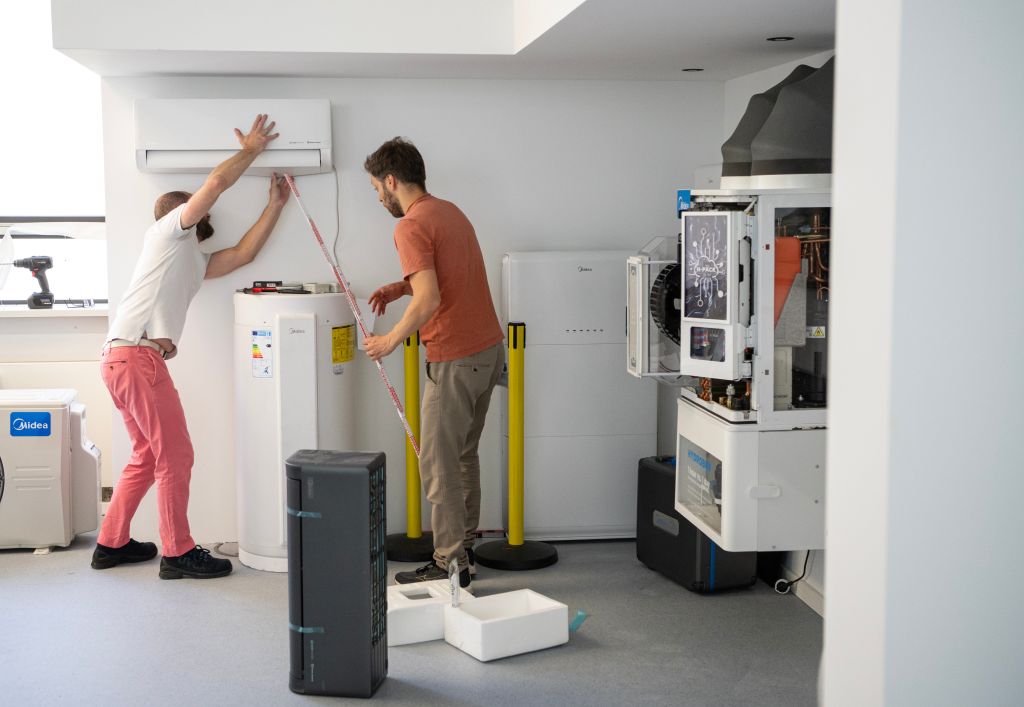
China's market is also open to business. In early 2026, imports grew 20.5 percent, faster than exports. China has been the world's second-largest import market for 17 consecutive years. French investment in China has increased 42 percent this year, while Swiss investment has risen 50 percent. BASF just finished its biggest overseas project in south China's Guangdong. Most German firms operating in China are planning to invest more.
Chinese firms are also investing in Europe, creating jobs in Spain and elsewhere. German companies acquired by Chinese firms have seen their revenues grow 6 percent on average.
This isn't a shock. It's a win-win outcome.
IV. PROTECTIONISM WILL ONLY MAKE THINGS WORSE
Some EU politicians still want trade barriers. But protectionism doesn't create competitiveness. Blocking Chinese ACs won't fix Europe's problems -- it will only make life harder for ordinary people.
And the costs add up. Economists estimate that new quotas on Chinese steel could cost EU automakers an extra 6.8 billion euros (7.8 billion dollars) a year, while the construction sector could face an extra 11.2 billion euros (12.8 billion dollars). SMEs, which account for 99 percent of EU businesses, would be hit hardest. Thousands of companies could suffer losses, and hundreds of thousands of jobs could be put at risk.
The truth is China and Europe need each other. The EU is a major supplier of high-end goods to China, while China's growing market creates opportunities for European business. The recent China-EU trade meeting in Brussels offers a chance to talk things through.
Europe's problems didn't start in China. China is not the obstacle; it can be part of the solution. The way forward lies in more cooperation, not more barriers.
Editor's note: Shao Xia is a commentator on international affairs, writing regularly for Xinhua News Agency, the Global Times, China Daily, CGTN, etc.
The views expressed in this article are those of the author and do not necessarily reflect the positions of Xinhua.