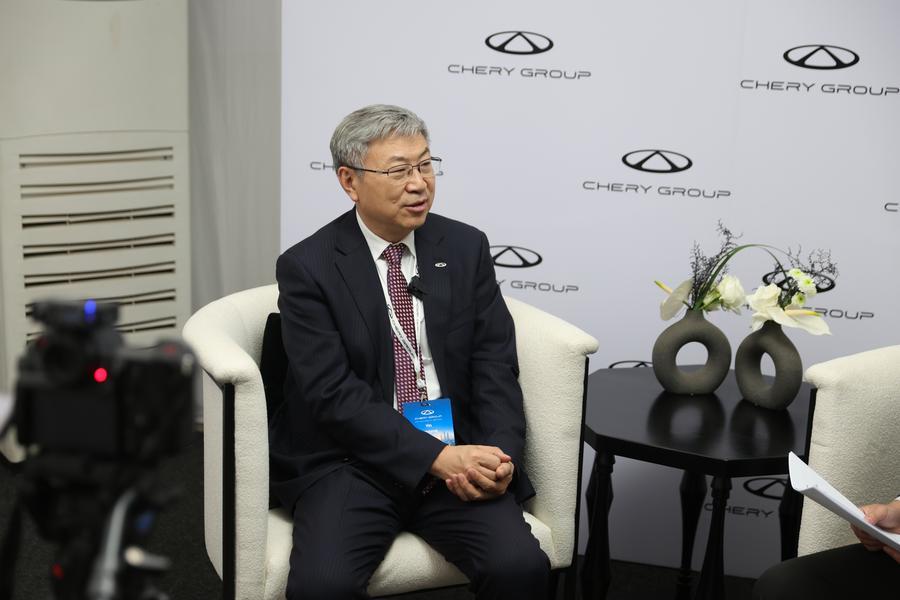
As China's automobile exports continue to reach new highs, localization will become an increasingly important pathway for Chinese automakers to achieve sustainable growth in overseas markets, Chairman of Chinese automaker Chery Yin Tongyue has said.
JOHANNESBURG, July 22 (Xinhua) -- As China's automobile exports continue to reach new highs, localization will become an increasingly important pathway for Chinese automakers to achieve sustainable growth in overseas markets, Chairman of Chinese automaker Chery Yin Tongyue has said.
Chinese automakers can integrate more deeply into local economic and social development, creating shared value with host countries while advancing the globalization of China's automotive industry, Yin said in an exclusive interview with Xinhua during the launch ceremony of Chery's manufacturing plant in Rosslyn, north of South Africa's administrative capital, Pretoria.
"In the global automotive industry, large-scale vehicle exports are typically followed by localized production," he said.
China's automobile exports have maintained a strong momentum in recent years. Official data show that the country exported 5.096 million vehicles in the first half of 2026, including 2.355 million new energy vehicles (NEVs).
Reflecting on the global expansion of China's automotive industry over the past decades, Yin said the next phase of globalization will be characterized not only by exports but also by localized manufacturing and closer integration into host economies.
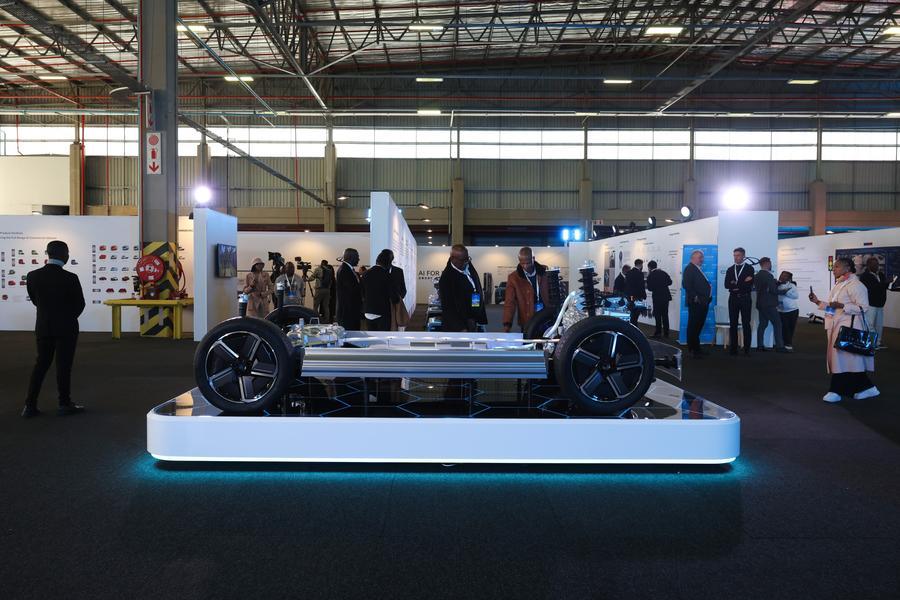
"Chinese companies are not simply exporting products. We are contributing to local economic development," he said, adding that only when local economies continue to grow and people's purchasing power improves can Chinese automakers achieve long-term, sustainable development overseas.
He said Chery is committed to sharing the benefits of industrial development with African countries through localized investment to foster a mutually beneficial partnership.
"Localization helps create a more stable operating environment for our business while also strengthening local recognition and acceptance of Chinese enterprises," Yin said.
As part of this strategy, Chery recently completed the acquisition of the Rosslyn plant, which it plans to develop into a major manufacturing hub for the African market.
"We have moved from being an importer to a manufacturer, and from a market participant to a long-term partner in South Africa's industrial development," he said.
Yin noted that Africa, home to more than 1.5 billion people, is one of the world's fastest-growing emerging markets, while South Africa, with its relatively mature automotive industry and supply chain, provides an ideal base for Chery's operations across the continent.
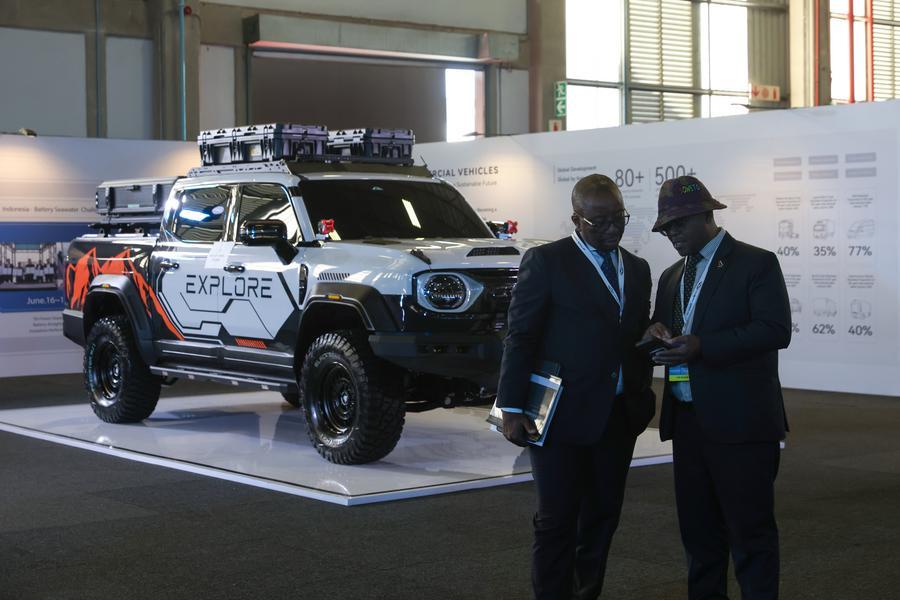
"Taking over existing production capacity and retaining local employees is an important part of our overseas investment strategy," Yin said, adding that such arrangements not only preserve existing jobs but also create new employment opportunities, thereby winning broad support from local communities and the government.
South Africa has become an increasingly important destination for Chinese automotive investment. More than a dozen Chinese brands, including Chery, GWM, BYD, and BAIC, have entered the South African market.
Chery's first locally produced vehicles are expected to roll off the production line in mid-2027. BAIC has already established a manufacturing facility in Gqeberha, a major South African seaport in the Eastern Cape Province, while several other Chinese automakers are evaluating plans to establish vehicle assembly or manufacturing operations in the country.
Beyond localized manufacturing, Yin said Chinese companies could also leverage their technological strengths to export integrated industrial ecosystems rather than vehicles alone.
"In the past, we mainly exported vehicles. Going forward, we hope to bring integrated industrial ecosystems overseas, including NEVs, photovoltaic technology, energy storage systems, and charging infrastructure," he said.
"By leveraging China's mature technological capabilities and supply chain strengths, we hope to provide integrated solutions that support the green transition of more countries," Yin said. ■